
• KZT/USD = 0.00216
  • TJS/USD = 0.10800
  • UZS/USD = 0.00009
  • TMT/USD = 0.29850
  • KZT/USD = 0.00216
  • TJS/USD = 0.10800
  • UZS/USD = 0.00009
  • TMT/USD = 0.29850
  • KZT/USD = 0.00216
  • TJS/USD = 0.10800
  • UZS/USD = 0.00009
  • TMT/USD = 0.29850
  • KZT/USD = 0.00216
  • TJS/USD = 0.10800
  • UZS/USD = 0.00009
  • TMT/USD = 0.29850
  • KZT/USD = 0.00216
  • TJS/USD = 0.10800
  • UZS/USD = 0.00009
  • TMT/USD = 0.29850
  • KZT/USD = 0.00216
  • TJS/USD = 0.10800
  • UZS/USD = 0.00009
  • TMT/USD = 0.29850
  • KZT/USD = 0.00216
  • TJS/USD = 0.10800
  • UZS/USD = 0.00009
  • TMT/USD = 0.29850
  • KZT/USD = 0.00216
  • TJS/USD = 0.10800
  • UZS/USD = 0.00009
  • TMT/USD = 0.29850
19 August 2026

Viewing results 1 - 6 of 2

Abai Day in Kazakhstan: The Enduring Legacy of a National Poet

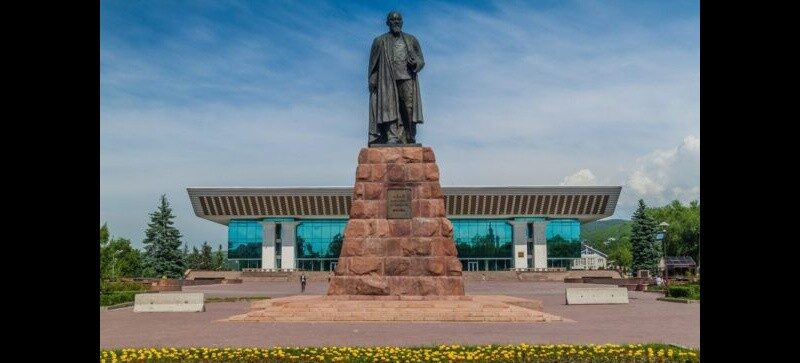
Nearly two centuries after his birth, Abai Qunanbaiuly remains a symbol of Kazakh identity, with his poetry and music still familiar across Kazakhstan. Often described as the founder of modern Kazakh written literature, he has been compared in Kazakhstan to Alexander Pushkin in Russia and William Shakespeare in England. On August 10, the country marks the 181st anniversary of his birth and the seventh official Abai Day. Abai wrote about 170 poems and 56 translations. His best-known prose work, Kara Sozder (Words of Edification), consists of 45 short pieces of philosophical and moral reflection. He was also a composer, and his song Közimniñ Qarasy (The Apple of My Eye) remains among his best-known works. Poet and Public Figure Born Ibrahim Qunanbaiuly on August 10, 1845, at the foot of the Shyngystau Mountains near Semipalatinsk, Abai came from the Tobykty clan of the Argyn tribe. His grandfather Oskenbai and great-grandfather Yrgyzbay were prominent biys, or judges. His father, Qunanbai Oskenbaiuly, was a powerful local leader. His grandmother Zere gave him the nickname Abai, commonly translated as “attentive” or “cautious.” At age 10, Abai was sent to the Ahmad Riza Madrasah in Semipalatinsk, where he studied religious subjects in Arabic and Persian and read Eastern literature. During his final year there, he also briefly attended a Russian parish school. His father brought him home at 13 and involved him in administrative and judicial affairs. Abai later deepened his study of Russian and European literature and formed close ties with political exiles in Semipalatinsk. He died in 1904 and was buried at Zhidebai. Abai’s Views Abai read Nizami Ganjavi and Alisher Navoi, among other Eastern classics. His translations into Kazakh included work by Alexander Pushkin and Mikhail Lermontov. He also translated Ivan Krylov and Lord Byron. A poem by Johann Wolfgang von Goethe reached Kazakh through Abai’s rendering of Lermontov’s Russian version. Education and productive work recur throughout Abai’s writing. He criticized corruption and abuses of power, including bribery and sycophancy. He also opposed polygamy and bride price and argued for greater equality for women. His ideas influenced the emerging Kazakh intelligentsia. Leaders of the Alash movement regarded Abai as an intellectual predecessor. His engagement with Russian culture later became a subject of debate over how his work had been interpreted during the Soviet period. International Recognition and New Translations In 1995, Abai’s 150th anniversary was commemorated under UNESCO’s auspices. TURKSOY declared 2020 the Year of Abai to mark the 175th anniversary of his birth. His works have been translated into numerous languages, and monuments to him stand in Kazakhstan and abroad. In Almaty, his statue stands at the beginning of Abai Avenue, with the mountains behind it. His name also reached readers in the United States in the late 19th century through American journalist George Kennan, who referred to Abai after visiting Semipalatinsk in 1885. Debate over how Abai should be translated has continued in the post-Soviet period. In 2021, Kazakh poet and translator Yerbol Zhumagul presented a new Russian translation of...

Mikhail Borisoglebsky’s Dzhangyr-Bai: Kazakh Steppe Culture and a Society in Transition

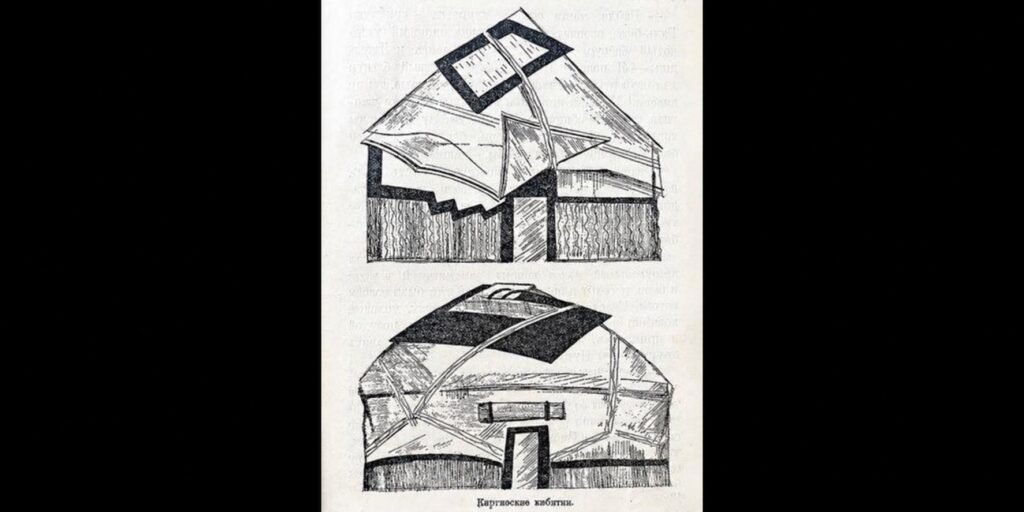
Among the overlooked literary works of the early Soviet period, Mikhail Borisoglebsky’s Dzhangyr-Bai stands as a fascinating cultural and historical artifact. Published in Moscow and Leningrad in 1926, the illustrated book follows Dzhangyr-Bai, a Kazakh figure of the old steppe order, as he confronts a changing world. It is also a vivid ethnographic portrait of the Kazakh steppe, with close attention to its music, clothing, traditions, and spiritual atmosphere. The surviving illustrated edition shows how literature once acted as a bridge between cultures, documenting a way of life being rapidly reshaped by modernization and Soviet reform. The opening pages immediately immerse the reader in the vastness of the steppe, described as boundless and almost eternal in its quiet. Borisoglebsky presents the Kazakh landscape poetically, comparing it to a calm sea beneath the sky. The rhythm of the seasons defines life there: harsh winters bury the earth beneath snow, while spring brings birdsong, grasslands, and nomadic movement. This introduction is not decorative. The steppe itself becomes a living presence in the story, shaping the mentality and fate of the people who inhabit it. At the center of the narrative is Dzhangyr-Bai, a representative of the old order. Through his character, Borisoglebsky explores the tension between tradition and the “new time” that emerged after the Russian Revolution. The story reflects a historical moment when nomadic customs and clan authority came under pressure from Soviet visions of modernization and social change. Dzhangyr-Bai symbolizes a generation struggling to understand whether change is a threat or an opportunity. One of the book’s most striking aspects is its ethnographic richness. The illustrations included in the edition are valuable visual records of Kazakh culture in the 1920s. Traditional clothing and wedding attire are carefully depicted, along with ornaments and everyday objects. These images reveal the elegance and practicality of steppe life. Headdresses and layered garments, many of them embroidered, show how identity and status were expressed visually in nomadic society. The illustrations of musical instruments are equally important. The dombra and kobyz shown in the book appear as central elements of cultural memory rather than exotic curiosities. Other traditional instruments also appear as part of the same artistic world. In Kazakh culture, music has long carried history and lineage, giving emotional form to memory. Through songs and oral storytelling, generations preserved their worldview long before widespread literacy. By including these instruments, the publication acknowledges the deep intellectual and artistic traditions of the Kazakh people. Another memorable section depicts children’s toys and household objects. These seemingly simple details offer insight into everyday life in the steppe. They remind modern readers that history is carried by ordinary habits as well as political upheaval. Such details transform the book into a historical archive as much as a literary work. Today, Dzhangyr-Bai has value far beyond its original political context. For contemporary readers in Kazakhstan and Central Asia, the book captures a transitional era when ancient nomadic civilization encountered industrial modernity. It records material life while also showing how people understood...