
• KGS/USD = 0.01144 0%
  • KZT/USD = 0.00207 0%
  • TJS/USD = 0.10465 0.1%
  • UZS/USD = 0.00008 0%
  • TMT/USD = 0.28490 0%
  • KGS/USD = 0.01144 0%
  • KZT/USD = 0.00207 0%
  • TJS/USD = 0.10465 0.1%
  • UZS/USD = 0.00008 0%
  • TMT/USD = 0.28490 0%
  • KGS/USD = 0.01144 0%
  • KZT/USD = 0.00207 0%
  • TJS/USD = 0.10465 0.1%
  • UZS/USD = 0.00008 0%
  • TMT/USD = 0.28490 0%
  • KGS/USD = 0.01144 0%
  • KZT/USD = 0.00207 0%
  • TJS/USD = 0.10465 0.1%
  • UZS/USD = 0.00008 0%
  • TMT/USD = 0.28490 0%
  • KGS/USD = 0.01144 0%
  • KZT/USD = 0.00207 0%
  • TJS/USD = 0.10465 0.1%
  • UZS/USD = 0.00008 0%
  • TMT/USD = 0.28490 0%
  • KGS/USD = 0.01144 0%
  • KZT/USD = 0.00207 0%
  • TJS/USD = 0.10465 0.1%
  • UZS/USD = 0.00008 0%
  • TMT/USD = 0.28490 0%
  • KGS/USD = 0.01144 0%
  • KZT/USD = 0.00207 0%
  • TJS/USD = 0.10465 0.1%
  • UZS/USD = 0.00008 0%
  • TMT/USD = 0.28490 0%
  • KGS/USD = 0.01144 0%
  • KZT/USD = 0.00207 0%
  • TJS/USD = 0.10465 0.1%
  • UZS/USD = 0.00008 0%
  • TMT/USD = 0.28490 0%

Viewing results 1 - 6 of 5

Kyrgyzstan Moves to Expand Domestic and International Rail Tourism

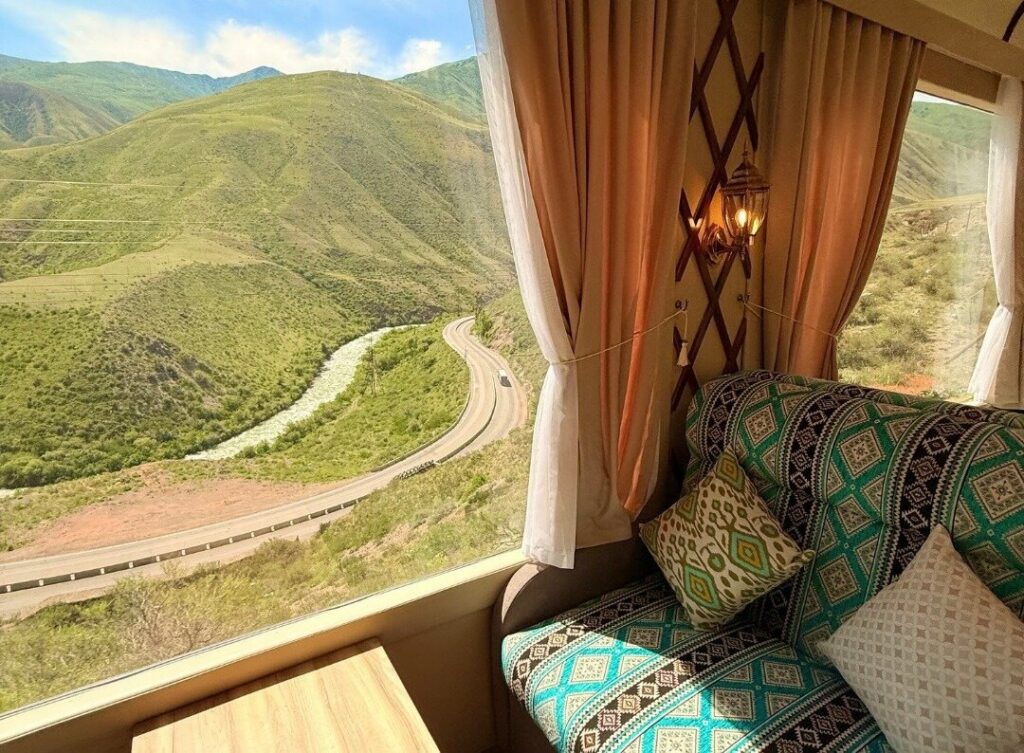
Rail transport is expected to play a greater role in Kyrgyzstan’s tourism strategy as authorities seek to promote railways as an affordable and comfortable travel option for both domestic and international visitors. On February 11, the national railway operator Kyrgyz Temir Jolu and the Tourism Development Support Fund of the Kyrgyz Republic signed a memorandum of cooperation aimed at the sustainable development of domestic and international tourism through rail infrastructure and passenger services. The agreement provides for joint promotional campaigns and coordinated railway tourism projects. According to Kyrgyz Temir Jolu Chief Executive Officer Azamat Sakiev, rail-based tourism has demonstrated steady growth since the launch of dedicated tourist trains in partnership with travel companies in 2021. He said the company is prioritizing domestic routes while working to restore demand for cross-border rail travel. New routes are planned for this year, alongside continued modernization of rolling stock. Refurbished railcars featuring traditional interior design have already entered service, aimed at strengthening the country’s tourism brand and enhancing the passenger experience. Following the upgrades, the company reports a noticeable increase in traveler interest. Kyrgyz Temir Jolu has introduced luxury and VIP compartment cars on the Bishkek-Balykchy line serving the Issyk-Kul region. Last year, the route was extended to the Balykchy Beach stop, providing passengers with direct access to the lakeshore during the summer tourist season. In 2025, the route carried 116,122 passengers, up 31% compared to 2024. Kyrgyzstan’s rail network remains limited, largely reflecting Soviet-era infrastructure. The main line runs from the Kazakh border through Bishkek to Balykchy. Despite these constraints, the country hosted 27 international tourist trains between 2022 and 2025, bringing visitors from Europe, Asia, and the United States, indicating growing global interest in rail-based travel to Kyrgyzstan. Rail tourism is also expanding at the regional level. Kazakhstan and Uzbekistan recently extended their joint Jibek Joly tourist train route to include Dushanbe, strengthening cross-border rail tourism links in Central Asia. Meanwhile, British operator Golden Eagle Luxury Trains has launched The Grand Silk Road, a 22-day luxury rail journey connecting major Silk Road destinations across the region.

Kyrgyzstan Moves to Tighten Passenger Transport Regulations

Kyrgyzstan’s Ministry of Internal Affairs has proposed amendments to the national passenger transport law aimed at improving safety standards for drivers and imposing new restrictions on mountainous routes, particularly the perilous Bishkek-Osh highway. According to the draft legislation published on the government’s legal portal, the proposed changes would apply to taxi and bus services nationwide. Among the key provisions are: all taxis must be equipped with functioning taximeters, and drivers will be required to visibly display their license number and photo identification inside the vehicle. Drivers must also meet stricter eligibility criteria, including sobriety, appropriate grooming, and a clean criminal record, specifically, no convictions for serious crimes. Enhanced Safety Protocols and Route Restrictions The proposed law mandates pre-trip medical examinations for drivers and routine technical inspections for all passenger vehicles prior to departure. These measures are part of a broader effort to raise safety standards in the country's growing but often unregulated transport sector. One of the most significant changes involves the regulation of mountain routes. The new rules would prohibit right-hand drive vehicles from providing passenger services and restrict the use of small-capacity buses on the hazardous Bishkek-Osh highway during winter months. Only large, four-wheel-drive buses would be allowed to operate on the route year-round, while smaller vehicles would be permitted only between May 1 and October 15. The highway, which traverses some of Kyrgyzstan’s most treacherous terrain, sees dozens of accidents and fatalities each year. Mixed Reactions from Drivers Taxi drivers interviewed by The Times of Central Asia offered a range of responses to the proposed legislation. “We carry people, and safety should come first,” said Halil Ibragimov, a taxi driver in Bishkek. “Passengers need to know that the vehicle is in proper condition and that the driver is well-kept. No one wants to be driven by someone wearing shorts and slippers, with smelly feet.” Ibragimov welcomed stricter checks on driver sobriety and knowledge of traffic regulations. Others, however, raised concerns about the potential economic impact of seasonal vehicle bans on the Bishkek-Osh route. “If this ban is introduced, hundreds of drivers will lose their income, and it will be much harder for passengers to travel from the north to the south of the country,” said a Mr. Kudaybergenov, a taxi operator. Fleet drivers in Bishkek echoed these concerns and called for more balanced reforms. They advocated for better enforcement of existing regulations and improved oversight of vehicle fleets rather than outright seasonal bans. “There should be scheduled departures for all buses and taxis along that route,” one driver said. “Make sure every driver has proper winter tires and gets enough rest before setting off again. Too many drivers go back on the road immediately after a long trip just to earn more.” Fleet owners also warned that a full winter ban on standard vehicles could cause travel disruptions and leave passengers stranded for extended periods.

Japan-Backed Tunnel Project Begins on Kyrgyzstan’s Bishkek–Osh Highway

Construction has begun on a 750-meter tunnel along Kyrgyzstan’s vital Bishkek–Osh highway, the country’s only overland route connecting the northern and southern regions. The project marks a major step in modernizing national transport infrastructure and improving safety in an area prone to rockfalls, landslides, and harsh weather conditions. The tunnel is being built at the 400-kilometer mark of the highway by Japan’s Takenaka Civil Engineering & Construction Co., using advanced Japanese technologies designed to meet the region’s complex geological challenges. A formal groundbreaking ceremony took place on June 19, attended by Kyrgyz Transport and Communications Minister Absattar Syrgabayev and Japanese Ambassador to Kyrgyzstan Hideki Goda. Minister Syrgabayev described the tunnel as a key solution to the dangers posed by the mountainous terrain. “In this area, the risks are high. A tunnel is the safest and most reliable solution,” he said. Stretching 655 kilometers, the Bishkek–Osh highway runs through the regions of Chui, Talas, Jalal-Abad, and Osh, linking the capital with the country’s second-largest city. It plays a crucial role in both domestic mobility and regional trade, forming part of international corridors that connect Kyrgyzstan with Kazakhstan, Uzbekistan, Tajikistan, and China. The tunnel reflects the government’s continued efforts to strengthen the safety and reliability of one of its most important infrastructure assets.
