
• KGS/USD = 0.01144 0%
  • KZT/USD = 0.00205 0%
  • TJS/USD = 0.10722 0%
  • UZS/USD = 0.00008 0%
  • TMT/USD = 0.28490 0%
  • KGS/USD = 0.01144 0%
  • KZT/USD = 0.00205 0%
  • TJS/USD = 0.10722 0%
  • UZS/USD = 0.00008 0%
  • TMT/USD = 0.28490 0%
  • KGS/USD = 0.01144 0%
  • KZT/USD = 0.00205 0%
  • TJS/USD = 0.10722 0%
  • UZS/USD = 0.00008 0%
  • TMT/USD = 0.28490 0%
  • KGS/USD = 0.01144 0%
  • KZT/USD = 0.00205 0%
  • TJS/USD = 0.10722 0%
  • UZS/USD = 0.00008 0%
  • TMT/USD = 0.28490 0%
  • KGS/USD = 0.01144 0%
  • KZT/USD = 0.00205 0%
  • TJS/USD = 0.10722 0%
  • UZS/USD = 0.00008 0%
  • TMT/USD = 0.28490 0%
  • KGS/USD = 0.01144 0%
  • KZT/USD = 0.00205 0%
  • TJS/USD = 0.10722 0%
  • UZS/USD = 0.00008 0%
  • TMT/USD = 0.28490 0%
  • KGS/USD = 0.01144 0%
  • KZT/USD = 0.00205 0%
  • TJS/USD = 0.10722 0%
  • UZS/USD = 0.00008 0%
  • TMT/USD = 0.28490 0%
  • KGS/USD = 0.01144 0%
  • KZT/USD = 0.00205 0%
  • TJS/USD = 0.10722 0%
  • UZS/USD = 0.00008 0%
  • TMT/USD = 0.28490 0%

Viewing results 1 - 6 of 3

Kyrgyzstan Coal Industry Tilts Toward China

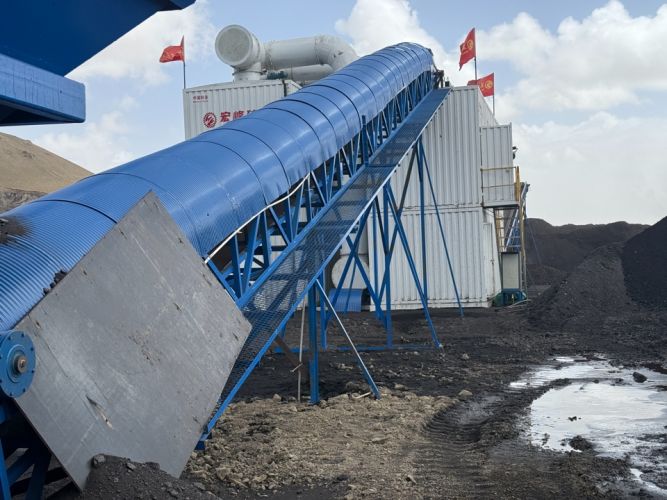
Kyrgyzstan coal is increasingly destined for China, as the country seeks to develop new transport links and infrastructure to grow exports to its western neighbour. A new coal cleaning and enrichment line has begun operating at the Torugart-1 deposit in Naryn Region, near the Kyrgyz-Chinese border. The project is being implemented jointly by state-owned coal company Kyrgyzkomur and the Chinese company Dun-Sen. According to Kyrgyzstan’s Ministry of Energy, the new equipment is intended to improve coal quality and reduce the environmental impact associated with coal extraction and preparation. The agreement to jointly develop the Torugart-1 deposit was signed on May 13, 2025. Geological surveys confirmed reserves of approximately 423,400 tons of coal within a 54-hectare mining area. The deposit is being developed through open-pit mining, with production expected to exceed 100,000 tons in 2026. The Chinese company has invested around $2 million in the project. “The launch of such facilities is strategically important for ensuring energy security, supplying the domestic market with high-quality coal, and supporting regional development,” Energy Minister Taalaibek Ibraev said. Torugart-1 began operations in November 2025. Shortly after its launch, Chairman of the Cabinet of Ministers Adylbek Kasymaliev visited the site and instructed officials to ensure stable operations while accelerating the start of coal exports through the Torugart border crossing with China. The development of Torugart-1 forms part of a broader strategy aimed at expanding Kyrgyz coal exports to China. On May 20, 2026, officials launched a separate Kyrgyz-Chinese logistics project valued at $430 million in the village of Nura in Osh Region. The project is being implemented through a partnership between Kyrgyzkomur and China’s Xinjiang Dacheng Yuanlong Technology. Its main objective is to facilitate coal exports from the Tekelik deposit through the Irkeshtam border crossing with China. The planned logistics hub will occupy a 10-hectare site and include two coal processing plants, as well as a conveyor-belt transportation system designed to move coal directly toward export routes. Once completed, the infrastructure is expected to handle up to 10 million tons of coal annually. The first phase includes construction of a 7.7-kilometer conveyor line, with long-term plans calling for an extension of up to 157 kilometers. Kyrgyzstan’s push to expand coal production coincides with growing demand for Kyrgyz coal in China. As previously reported by The Times of Central Asia, coal shipments to China have been rising, with the Torugart and Irkeshtam border crossings serving as the main export corridors. On December 3, 2025, the Kyrgyz government introduced a six-month ban on coal exports by road in an effort to stabilize domestic supplies and prices. The coal push comes as Kyrgyzstan looks for ways to ease pressure on its power system, which remains heavily dependent on hydropower and vulnerable to winter shortages when electricity and heating demand rise. However, the restrictions did not apply to exports passing through the Torugart and Irkeshtam border crossings, highlighting the delicate diplomacy involved in Kyrgyzstan's dealings with Beijing. The projects are significant for Kyrgyzkomur and for cross-border trade with China, although...
Kyrgyz Government Considers Countermeasures as Fuel Prices Rise

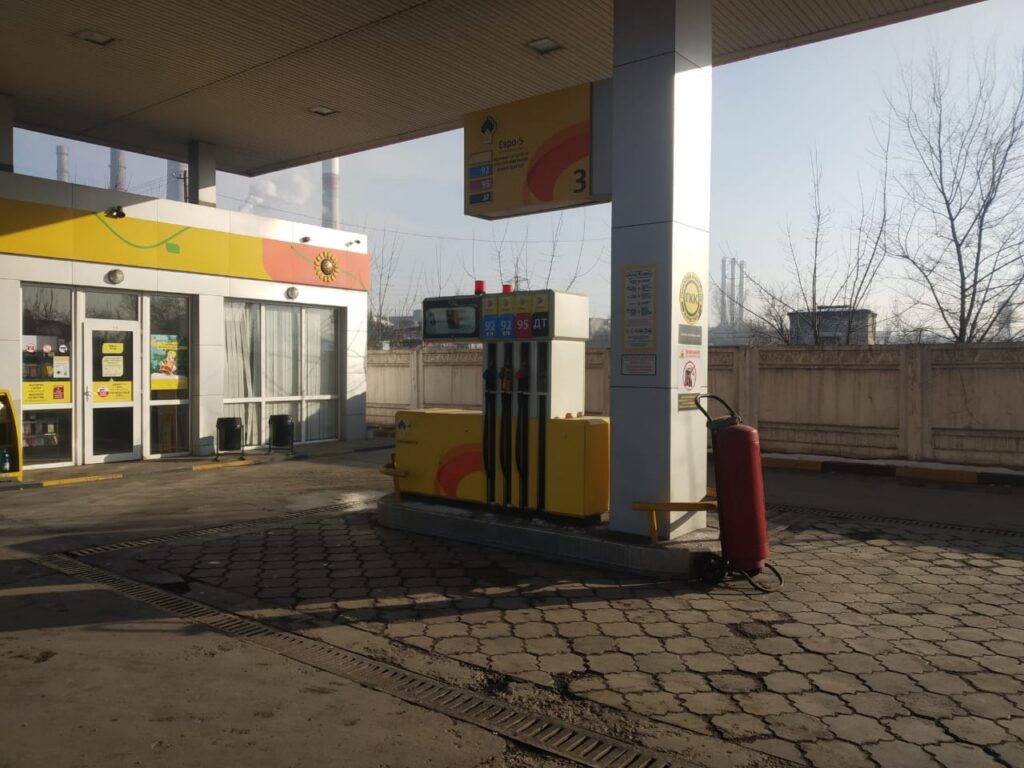
In recent months, there has been a gradual but steady increase in motor fuel prices in Kyrgyzstan, driven in part by higher import costs from Russia, the country’s main supplier of gasoline and diesel. Analysts have linked pressure on regional fuel markets to higher global crude prices following the U.S.-Israeli war with Iran, as well as reduced Russian refinery output after Ukrainian drone strikes on oil-processing facilities. In Bishkek, AI-92, a widely used lower-octane gasoline grade, cost an average of 78.4 soms (about $0.89) per liter as of May 14, making it more expensive than comparable fuel in both Russia and Kazakhstan. On May 21, Chairman of the Cabinet of Ministers and Head of the Presidential Administration Adylbek Kasymaliev met with the heads of the country’s major fuel trading companies to discuss domestic fuel supplies. Kasymaliev said the latest price increases were linked to instability in the Middle East, which has pushed up international petroleum prices. According to him, the government has so far managed to prevent sharp increases at gas stations through the use of accumulated fuel reserves. Officials also reviewed possible financial and tax support measures for the sector if instability in global markets continues. Among the options under consideration is direct state subsidization of fuel imports. Kasymaliev urged fuel traders to work closely with the government to help maintain supplies and limit pressure on consumers. He also instructed authorities to monitor the market for signs of hoarding, artificial fuel shortages or speculative price increases. Despite rising fuel prices in Kyrgyzstan, the country's fuel market remains relatively stable thanks to guaranteed deliveries from Russia. According to the country’s Antimonopoly Regulation Service, current fuel reserves are sufficient for between one and one-and-a-half months. The agency said that if fuel prices continue to rise, the government could introduce additional stabilization measures. These could include temporary tax cuts for importers of Russian fuel, subsidy programs and preferential lending mechanisms. Officials say such measures could help smooth price fluctuations in the domestic market and maintain stability amid the current geopolitical environment. Kyrgyzstan’s annual demand for motor fuel is estimated at approximately 1.6 million tons. According to First Deputy Chairman of the Cabinet of Ministers Daniyar Amangeldiev, the country currently imports around 1.2 million tons of fuel annually. The Junda oil refinery in northern Kyrgyzstan is capable of producing up to 800,000 tons per year. However, the facility is currently undergoing large-scale modernization aimed at reducing harmful emissions. On May 19, Kasymaliev met with the Chinese management of the Junda refinery to discuss the progress of modernization work and the timeline for resuming production. Kasymaliev said bringing the refinery back online would be important for Kyrgyzstan as global energy markets remain volatile.

Launch of Kyrgyzstan Carbon Finance Initiative with World Bank Support

Kyrgyzstan has launched a new carbon finance initiative with support from the World Bank under the Innovative Finance for Resilient and Sustainable Energy Transition (iFIRST) program. The Kyrgyzstan carbon finance initiative forms part of broader efforts to modernize the country’s energy sector and reduce greenhouse gas emissions. The project was discussed during consultations in Bishkek between Kyrgyz Energy Minister Taalaibek Ibrayev and World Bank Country Manager for Kyrgyzstan Hugh Riddell. “This project opens up new opportunities for attracting climate finance while advancing reforms in Kyrgyzstan’s energy sector,” Ibrayev said. Riddell said Kyrgyzstan is taking an important step toward implementing modern climate finance mechanisms, noting that the initiative will support the country’s transition to sustainable energy and integration into international carbon markets. According to Riddell, the project is only the second initiative of its kind globally, making Kyrgyzstan one of the first countries to implement such a mechanism. The project is supported by the Transformative Carbon Asset Facility (TCAF), a World Bank trust fund designed to help developing countries introduce market-based carbon pricing systems and attract private investment in low-carbon technologies. TCAF uses a hybrid financing model that combines climate finance with carbon market mechanisms. Payments are made only after greenhouse gas emission reductions are independently measured and verified. According to Kyrgyzstan’s Energy Ministry, the initiative will operate on a results-based financing model, meaning emission reductions must first be confirmed before financial compensation is released. Total funding for the project amounts to $50 million. Of that amount, $35 million represents core financing, while a further $15 million is available through optional financing mechanisms. The initiative also involves strengthening the institutional capacity of government agencies, creating a national greenhouse gas monitoring system, and establishing a national carbon unit registry. The program comes as Kyrgyzstan faces mounting environmental and energy challenges, particularly in Bishkek, which regularly ranks among the world’s most polluted cities during the winter months. Much of the capital’s air pollution is linked to the widespread use of coal for household heating, emissions from aging thermal power infrastructure, and growing vehicle traffic. Although Kyrgyzstan generates most of its electricity from hydropower, many households and businesses still rely heavily on coal and natural gas for heating during the colder seasons, especially when electricity shortages occur. Officials hope that expanding access to international climate finance will help modernize the country’s energy infrastructure, improve energy efficiency, and reduce dependence on fossil fuels. On the international stage, the project supports Kyrgyzstan’s commitments under the Paris Agreement, which aims to limit global warming and reduce greenhouse gas emissions worldwide. Officials say the initiative will help accelerate reforms in Kyrgyzstan’s energy sector, strengthen the country’s climate policy framework, and expand access to international climate financing. In July 2025, Kyrgyzstan’s Cabinet of Ministers approved the Concept for Achieving Carbon Neutrality in the Kyrgyz Republic. The strategy outlines a phased transition toward a carbon-neutral economy, focusing on sectors including energy, transport, industry, agriculture, waste management, and forestry. Under the strategy, Kyrgyzstan has pledged to achieve carbon neutrality by 2050...
