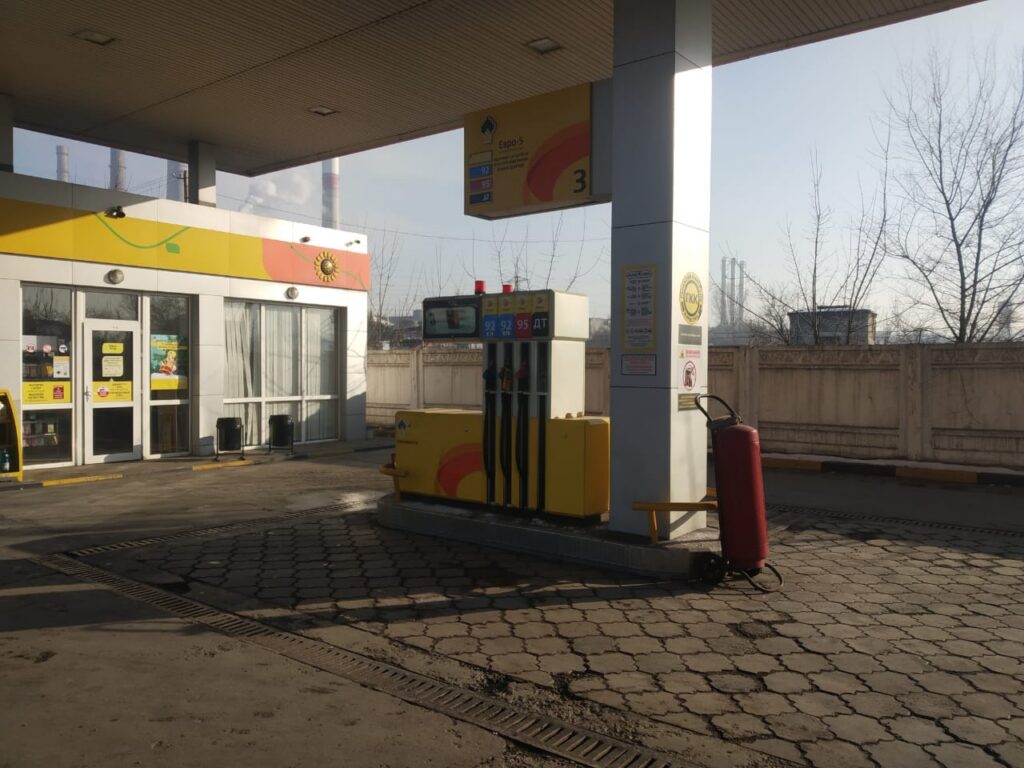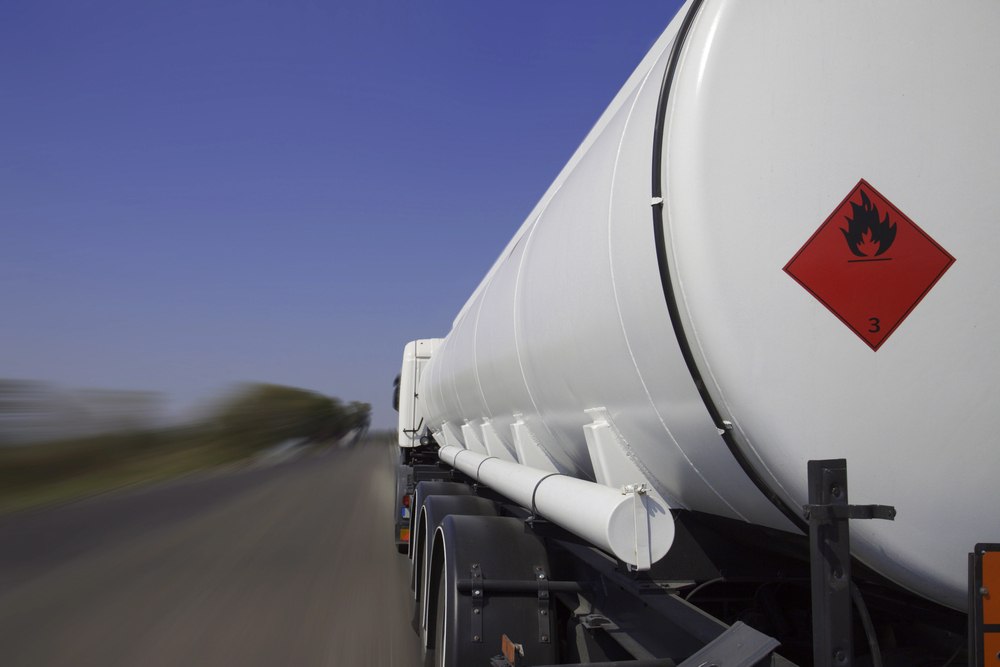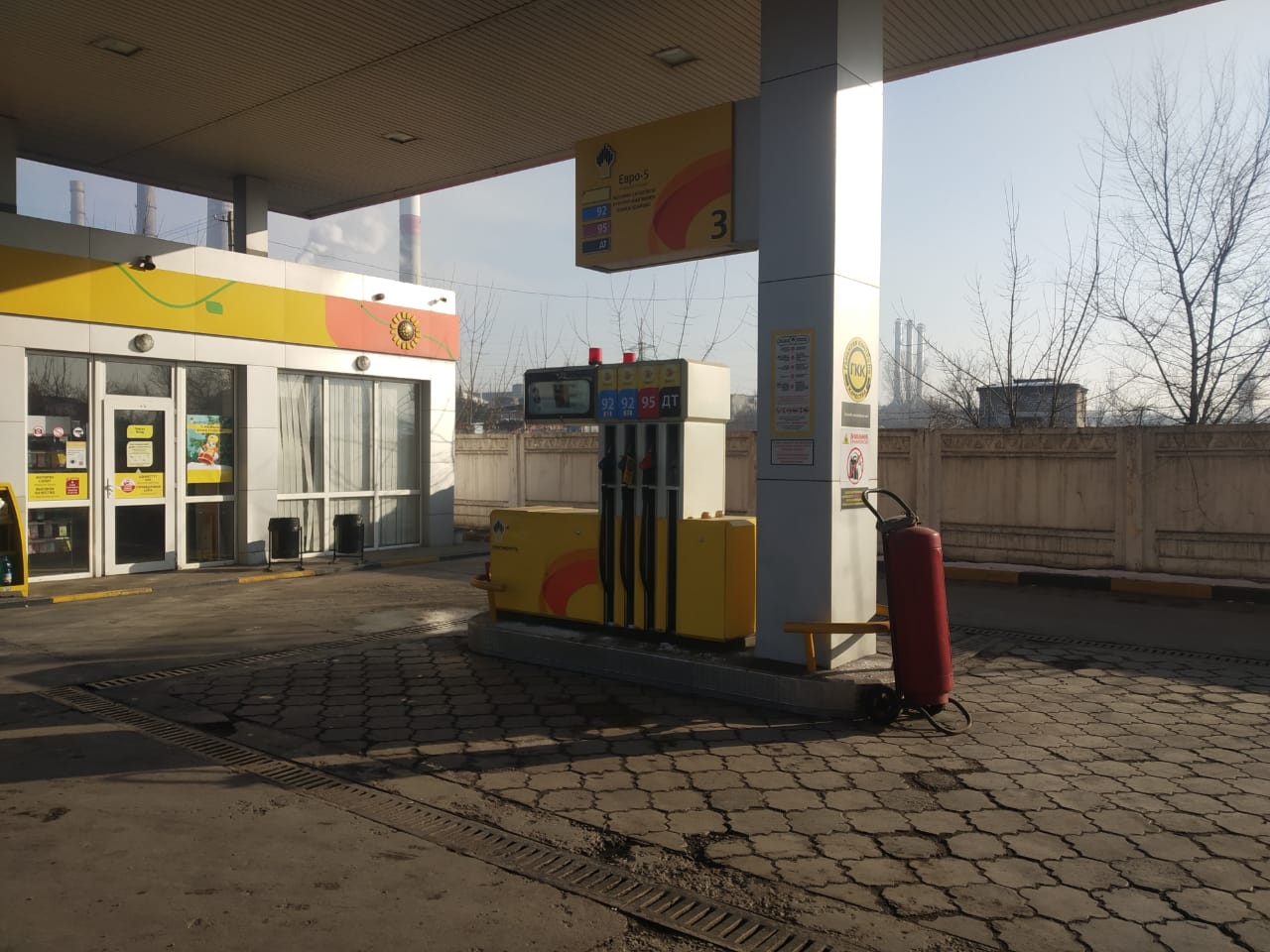
In recent months, there has been a gradual but steady increase in motor fuel prices in Kyrgyzstan, driven in part by higher import costs from Russia, the country’s main supplier of gasoline and diesel.
Analysts have linked pressure on regional fuel markets to higher global crude prices following the U.S.-Israeli war with Iran, as well as reduced Russian refinery output after Ukrainian drone strikes on oil-processing facilities.
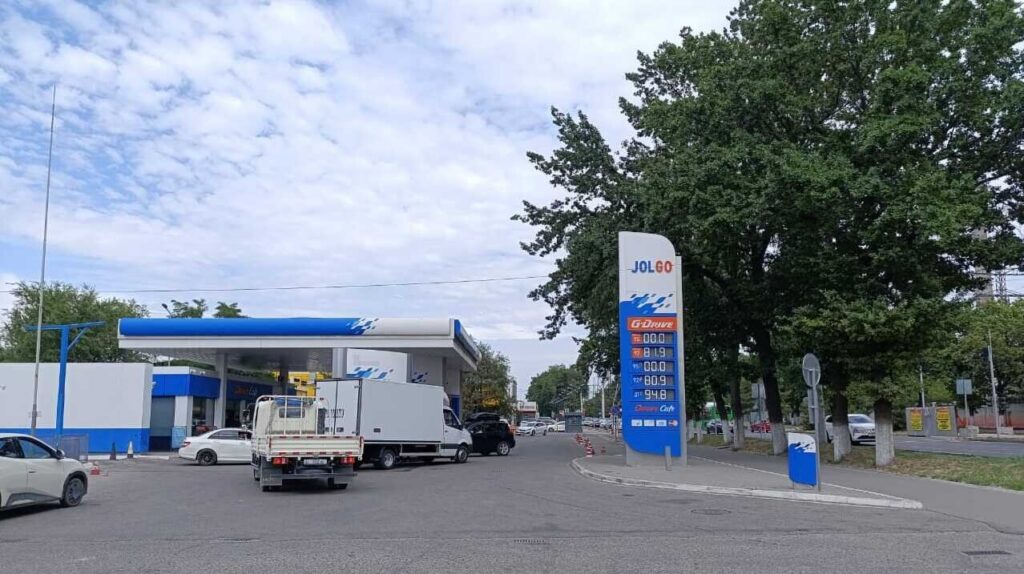
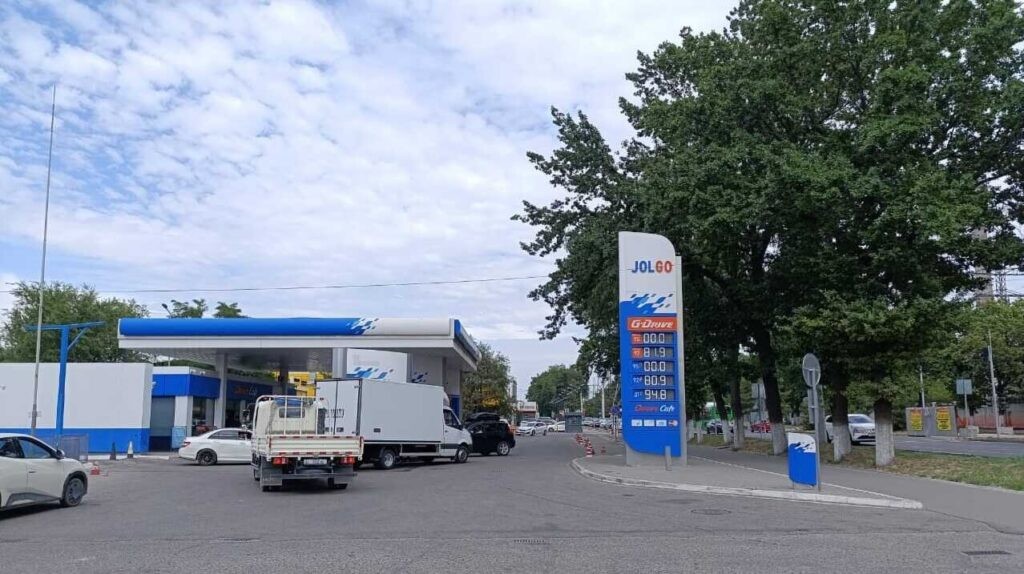
In Bishkek, AI-92, a widely used lower-octane gasoline grade, cost an average of 78.4 soms (about $0.89) per liter as of May 14, making it more expensive than comparable fuel in both Russia and Kazakhstan.
On May 21, Chairman of the Cabinet of Ministers and Head of the Presidential Administration Adylbek Kasymaliev met with the heads of the country’s major fuel trading companies to discuss domestic fuel supplies.
Kasymaliev said the latest price increases were linked to instability in the Middle East, which has pushed up international petroleum prices.
According to him, the government has so far managed to prevent sharp increases at gas stations through the use of accumulated fuel reserves.
Officials also reviewed possible financial and tax support measures for the sector if instability in global markets continues. Among the options under consideration is direct state subsidization of fuel imports.
Kasymaliev urged fuel traders to work closely with the government to help maintain supplies and limit pressure on consumers.
He also instructed authorities to monitor the market for signs of hoarding, artificial fuel shortages or speculative price increases.
Despite rising fuel prices in Kyrgyzstan, the country’s fuel market remains relatively stable thanks to guaranteed deliveries from Russia. According to the country’s Antimonopoly Regulation Service, current fuel reserves are sufficient for between one and one-and-a-half months.
The agency said that if fuel prices continue to rise, the government could introduce additional stabilization measures. These could include temporary tax cuts for importers of Russian fuel, subsidy programs and preferential lending mechanisms.
Officials say such measures could help smooth price fluctuations in the domestic market and maintain stability amid the current geopolitical environment.
Kyrgyzstan’s annual demand for motor fuel is estimated at approximately 1.6 million tons.
According to First Deputy Chairman of the Cabinet of Ministers Daniyar Amangeldiev, the country currently imports around 1.2 million tons of fuel annually. The Junda oil refinery in northern Kyrgyzstan is capable of producing up to 800,000 tons per year. However, the facility is currently undergoing large-scale modernization aimed at reducing harmful emissions.
On May 19, Kasymaliev met with the Chinese management of the Junda refinery to discuss the progress of modernization work and the timeline for resuming production.
Kasymaliev said bringing the refinery back online would be important for Kyrgyzstan as global energy markets remain volatile.