• KGS/USD = 0.01144 0%
  • KZT/USD = 0.00217 0%
  • TJS/USD = 0.10625 0%
  • UZS/USD = 0.00008 0%
  • TMT/USD = 0.28530 0%
  • KGS/USD = 0.01144 0%
  • KZT/USD = 0.00217 0%
  • TJS/USD = 0.10625 0%
  • UZS/USD = 0.00008 0%
  • TMT/USD = 0.28530 0%
  • KGS/USD = 0.01144 0%
  • KZT/USD = 0.00217 0%
  • TJS/USD = 0.10625 0%
  • UZS/USD = 0.00008 0%
  • TMT/USD = 0.28530 0%
  • KGS/USD = 0.01144 0%
  • KZT/USD = 0.00217 0%
  • TJS/USD = 0.10625 0%
  • UZS/USD = 0.00008 0%
  • TMT/USD = 0.28530 0%
  • KGS/USD = 0.01144 0%
  • KZT/USD = 0.00217 0%
  • TJS/USD = 0.10625 0%
  • UZS/USD = 0.00008 0%
  • TMT/USD = 0.28530 0%
  • KGS/USD = 0.01144 0%
  • KZT/USD = 0.00217 0%
  • TJS/USD = 0.10625 0%
  • UZS/USD = 0.00008 0%
  • TMT/USD = 0.28530 0%
  • KGS/USD = 0.01144 0%
  • KZT/USD = 0.00217 0%
  • TJS/USD = 0.10625 0%
  • UZS/USD = 0.00008 0%
  • TMT/USD = 0.28530 0%
  • KGS/USD = 0.01144 0%
  • KZT/USD = 0.00217 0%
  • TJS/USD = 0.10625 0%
  • UZS/USD = 0.00008 0%
  • TMT/USD = 0.28530 0%

Viewing results 1 - 6 of 13

Capital Over Confinement in Sentencing of Raimbek “Millions” Matraimov

Raimbek Matraimov, infamously known as “Millions” for his tremendous wealth, once wielded immense power in Kyrgyzstan. Rising to prominence as deputy chairman of Kyrgyzstan’s Customs Service from 2015 to 2017, Matraimov’s tenure became synonymous with corruption and organized crime. His activities, alleged to have funneled monumental sums of money through shadowy operations, fashioned him not only as a dominant figure within the Customs Service but also as a key player in Kyrgyzstan’s criminal underworld.   The Rise of Raimbek Matraimov During his time in the Customs Service, Matraimov amassed an extraordinary fortune. His influence extended beyond bureaucratic corridors, infiltrating the political landscape of Kyrgyzstan. Whispers of his role as an organized crime leader were persistent, yet his wealth and connections left him virtually untouchable in those years. Speculation about his political influence peaked after the dramatic rise of Sadyr Japarov to Kyrgyzstan’s presidency in October 2020. Japarov’s elevation, from prison to the highest office amidst a tide of civil unrest, prompted many to suspect that Matraimov’s financial backing played a decisive role in the ascent. However, despite Japarov-appointed head of Kyrgyzstan’s State National Security Committee (GKNB), Kamchybek Tashiyev once describing him as a “good guy,” if Matraimov hoped to shelter under Japarov's influence, his expectations were soon dashed.   The Turning Point Japarov’s administration showed no hesitation in targeting Kyrgyzstan’s entrenched criminal networks. With Matraimov having bounced in and out of jail since October 2020, by October 2023, the GKNB had escalated their crackdown on organized crime, culminating in the death of Kamchybek Kolbayev, the country’s top crime kingpin - a member of the “Bratva” linked to heroin trafficking - during a security operation in Bishkek. Sensing the shifting winds, Matraimov fled Kyrgyzstan shortly after Kolbayev's death. However, his flight only seemed to intensify the resolve of the government in his homeland, where the authorities began seizing Matraimov's assets and investigating his allies. Among those implicated was Matraimov’s brother, Iskender, a parliamentary deputy with significant political connections.   Extradition and Arrest In late March 2024, Kyrgyzstan’s crackdown on Matraimov escalated when the GKNB detained five Azerbaijani nationals in Bishkek. These individuals, suspected members of a transnational organized crime group, were allegedly dispatched by Matraimov from Azerbaijan to assassinate top Kyrgyz government officials. This accusation  - one of countless similar claims regarding assassination attempts made by the Kyrgyz authorities this year alone - led to diplomatic action, and March 26, 2024, Matraimov along with three of his brothers were extradited from Baku to Kyrgyzstan. Upon his arrival, Matraimov was immediately taken into custody. The legal net tightened further as the case against him unfolded, with allegations of illegal border crossings, hooliganism involving weapons, money laundering, and broader accusations regarding his criminal empire.   Asset Seizures and Financial Settlements Prior to his sentencing, Matraimov had reportedly returned $200 million to the state budget, equivalent to over 17 billion Kyrgyz som, to be released from custody to house arrest pending his trial. Authorities also confiscated significant assets, including a 14-story business center in...

U.S. Sanctions Former Uzbek Officials in Orphan Abuse Case

The United States has imposed sanctions on three former officials in Uzbekistan’s government who were involved in human trafficking as well as physical and sexual violence toward orphan children. The three people, who carried out the crimes during their tenure as government employees, are now ineligible for entry into the United States and any property or entities in the U.S. that they own are “blocked” in line with the sanctions, the U.S. Department of the Treasury said Monday. American citizens are also barred from doing any transactions related to the blocked assets, it said. The sanctioned individuals were identified as Yulduz Khudaiberganova, who was director of a state-run orphanage in Urgench, in Khorezm region, at the time of the abuses; Anvar Kuryazov, who was head of the Khorezm regional justice department; and Aybek Masharipov, who was head of the district emergency department. “For at least 10 months, Khudaiberganova forced at least three underage girls to engage in sexual acts with at least six different men in exchange for funds and goods,” said the Treasury statement, which was released on the International Day for the Abolition of Slavery. “Khudaiberganova used various coercive tactics to ensure the girls’ compliance, including physical beatings, threats, starvation, and isolation from their peers. Both Masharipov and Kuryazov demanded sexual access to orphans in compensation for ‘gifts’ they provided to the orphanage. Kuryazov and Masharipov repeatedly visited the orphanage in order to prey upon the young girls,” it said. Uzbek media have previously reported on the case, saying a district court in Khorezm sentenced Khudaiberganova to five and a half years in prison, while the two men were given one and a half years of partial house arrest that barred them from leaving their homes from 10 p.m. to 6 a.m. The sentences were handed down in 2022 but an appeals court took up the case in 2023 after Nemolchi.uz, a non-governmental group that campaigns against gender-based violence, publicized the light sentences, causing a public outcry. Kuryazov and Masharipov were subsequently sentenced to three years in prison. “This was the most severe punishment given the legislation in force at the time of the crime,” Nemolchi.uz said on Telegram after the U.S. sanctions announcement. The group has pushed for tougher laws in Uzbekistan to shield children from sexual abuse, and the government has taken steps to strengthen protections.

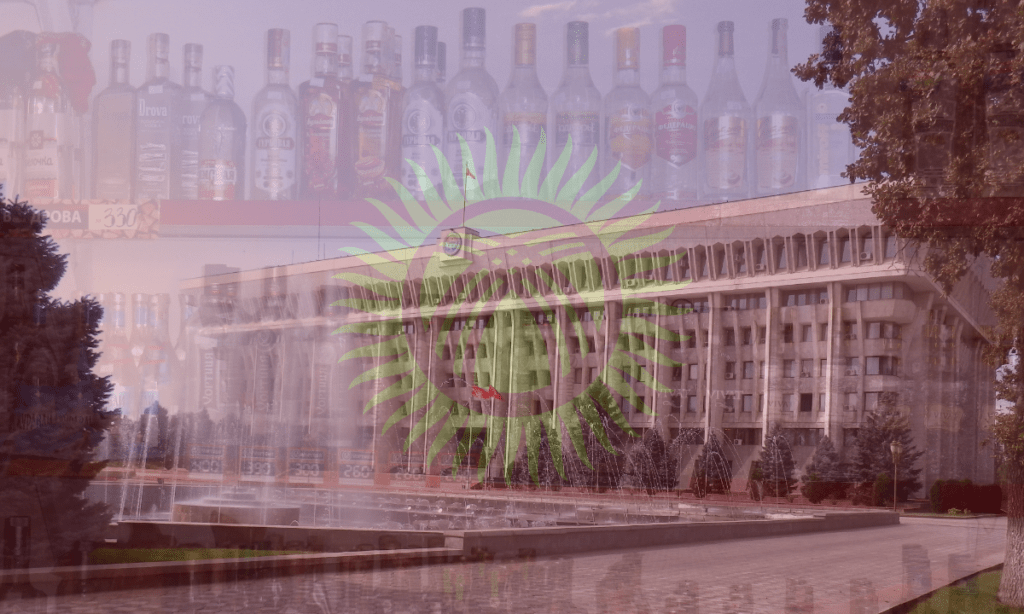
Food Catering for Rioters? Alleged Signs of a Coup Plot in Kyrgyzstan

One grenade, a pistol, several drones, vodka to get would-be rioters drunk, one ton of rice and one horse for slaughter. These were among the tools that a band of half a dozen alleged plotters, including Kyrgyzstan’s former deputy prosecutor general, planned to deploy in order to foment chaos and violently seize power, according to the Ministry of Internal Affairs. The suspects’ plan was to hold a sports event along with other competitions on the outskirts of Bishkek, ply spectators with alcohol and food and then rile them up on Nov. 17, when local elections are held, the ministry said. Whatever the chances of success of such an alleged coup plot, the charges against the group are severe and have been rolled out in other instances by a government whose opponents say is intent on snuffing out perceived threats to stability, at the expense of free expression and other rights. Kyrgyzstan has experienced periodic political upheavals over the years. President Sadyr Japarov himself came to power in one of those chaotic events, winning election in 2021 after being released from jail by protesters just months earlier. Japarov had been in a cell for kidnapping, a conviction that he said was politically motivated. He has sometimes warned of the perils of “anarchy” in Kyrgyzstan; critics fear a slide toward authoritarianism. Earlier this week, media organizations in Kyrgyzstan reported that Kuban Adyl uulu, a former top prosecutor who was dismissed in April, was arrested and will be held in pretrial detention until Jan. 10. The government described him as the “main organizer” of the coup plot “whose tasks included financial support, communication with law enforcement agencies, transmission of information obtained about their actions, distribution of roles and coordination during mass riots and seizure of power.” Adyl uulu was among seven people, including several foreign nationals, who were arrested, the Ministry of Internal Affairs said. One of the foreigners allegedly participated in military operations in another country, a possible reference to Russia’s full-scale invasion of Ukraine. “The group had 1,000 bottles of vodka to get the crowd drunk, 2,000 bottles of mineral water, 1 ton of rice, 1 horse for slaughter, and food for cooking pilaf for the participants in the mass riots confiscated from the warehouse,” the ministry said. It said charges including plans to incite riots and resist government officials by force were based on evidence, including the grenade, the pistol, several drones, a thermal imager and other items. If convicted, the suspects could face long prison terms. Adyl uulu had been fired as part of a reshuffle of the leadership, including anti-corruption officers, in the prosecutor general’s office that was ordered by Japarov. At the time of his dismissal, there was no mention of his alleged involvement in a possible coup plot. Instead, the president had reprimanded the prosecutor general and the natural resources minister over the alleged interference of subordinates in the activities of the ministry’s licensing commission. On Wednesday, Russia weighed in on the alleged coup plot in...

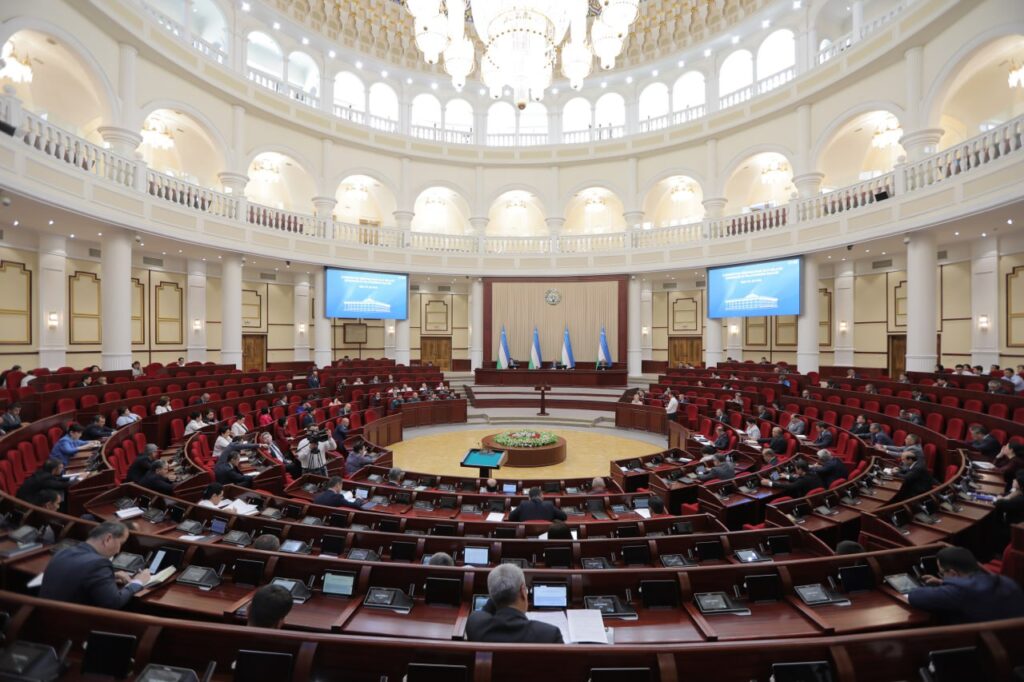
Uzbek Parliament Adopts Law on “Undesirable” Foreigners

On September 20, the Senate of Uzbekistan's Oliy Majlis approved amendments to the law regulating the legal status of foreign citizens and stateless persons. The main changes concern those who, through their public statements and actions, threaten Uzbekistan's state sovereignty, territorial integrity, and security. According to Senator Anvar Tuichiev, such persons often provoke interstate, social, and religious discord and discredit the honor and dignity of the people of Uzbekistan. The existing legislation lacks the legal mechanisms to tackle such actions. The amendments adopted establish that foreign citizens and stateless persons who commit such acts will be considered "undesirable," and will be included in the registry of the Ministry of Foreign Affairs of Uzbekistan. Those on the registry will be subject to a five-year ban on entering the country, opening bank accounts, buying real estate, and participating in the privatization of state property. If such a person temporarily or permanently resides in Uzbekistan, they will be given ten days to leave voluntarily. Otherwise, a procedure for their deportation will be initiated. A person can be removed from the register if the reasons for their inclusion are eliminated. The senator also stated that the experience of countries such as Kazakhstan, Azerbaijan, Poland, Belarus, Russia, Ukraine, and China was considered when drafting the law. The amendments will come into force after being signed by President Mirziyoyev. The decision came to make changes to the legislation came amid statements such as that made by Russian politician Zakhar Prilepin in 2023, who proposed that Russia annex Uzbekistan and other former Soviet republics. This provoked a sharp reaction among Uzbek politicians, including deputies Rasul Kusherbayev and Bobur Bekmurodov. The Norwegian Helsinki Committee has said that it fears the new amendments could contradict international standards of freedom of expression, leading to Uzbekistan's isolation.

Close Associate of Tajikistan’s Prime Minister Rasulzoda Detained on Suspicion of Large-Scale Fraud

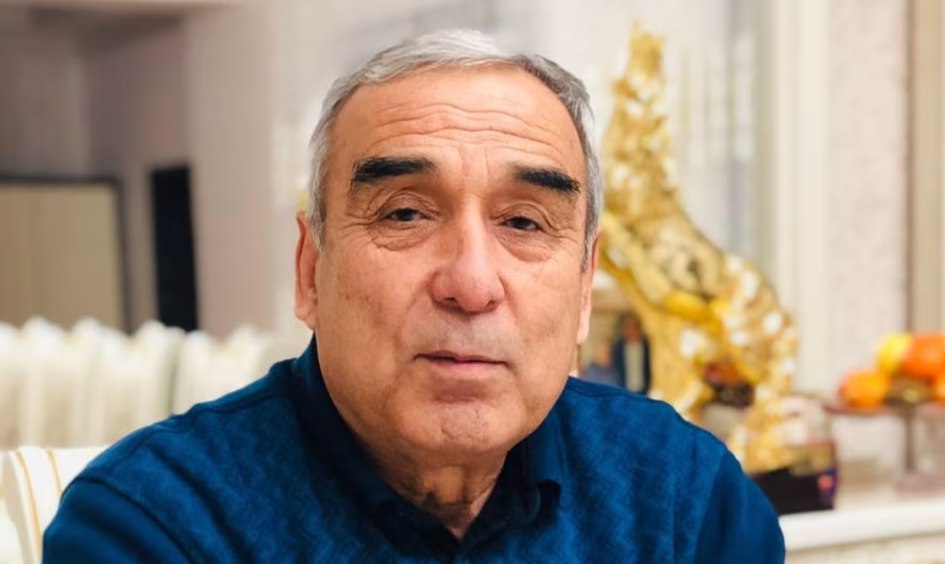
Mukim Ashurov, a relative by marriage of Tajikistan's prime minister Kohir Rasulzoda, has been detained on suspicion of fraud, Radio Ozodi reports. The Department of Internal Affairs in the country's Sughd region said on May 30 that “the case against Mukim Ashurov is being investigated under Part 4 of Article 247 (Fraud committed on a large scale) of the Criminal Code of Tajikistan,” which carries a penalty of a fine or imprisonment for 8 to 12 years. Ashurov, 65, is currently being held in Khujand's pre-trial detention center. “It was established that several years ago, he entered the confidence of a resident of [the city of] Khujand and received from him 320 thousand dollars for the sale of a four-story store. But then he sold the store to another person but did not return the amount he had originally received,” a statement from the department says. There is not much information about Ashurov in the public domain. According to official data he is a resident of Sughd's Bobojon Gafurov district. A man named Mukim Ashurov has a Facebook profile that says that he lives in Khujand, and works as the director of a travel agency. He is said to be very influential within the circle of the country's prime minister, Kohir Rasulzoda. Ashurov's son, Parviz Ashurov, is married to Rasulzoda's eldest daughter.