• KGS/USD = 0.01144 0%
  • KZT/USD = 0.00217 0%
  • TJS/USD = 0.10627 -0.28%
  • UZS/USD = 0.00008 0%
  • TMT/USD = 0.28530 0%
  • KGS/USD = 0.01144 0%
  • KZT/USD = 0.00217 0%
  • TJS/USD = 0.10627 -0.28%
  • UZS/USD = 0.00008 0%
  • TMT/USD = 0.28530 0%
  • KGS/USD = 0.01144 0%
  • KZT/USD = 0.00217 0%
  • TJS/USD = 0.10627 -0.28%
  • UZS/USD = 0.00008 0%
  • TMT/USD = 0.28530 0%
  • KGS/USD = 0.01144 0%
  • KZT/USD = 0.00217 0%
  • TJS/USD = 0.10627 -0.28%
  • UZS/USD = 0.00008 0%
  • TMT/USD = 0.28530 0%
  • KGS/USD = 0.01144 0%
  • KZT/USD = 0.00217 0%
  • TJS/USD = 0.10627 -0.28%
  • UZS/USD = 0.00008 0%
  • TMT/USD = 0.28530 0%
  • KGS/USD = 0.01144 0%
  • KZT/USD = 0.00217 0%
  • TJS/USD = 0.10627 -0.28%
  • UZS/USD = 0.00008 0%
  • TMT/USD = 0.28530 0%
  • KGS/USD = 0.01144 0%
  • KZT/USD = 0.00217 0%
  • TJS/USD = 0.10627 -0.28%
  • UZS/USD = 0.00008 0%
  • TMT/USD = 0.28530 0%
  • KGS/USD = 0.01144 0%
  • KZT/USD = 0.00217 0%
  • TJS/USD = 0.10627 -0.28%
  • UZS/USD = 0.00008 0%
  • TMT/USD = 0.28530 0%

Viewing results 1 - 6 of 13

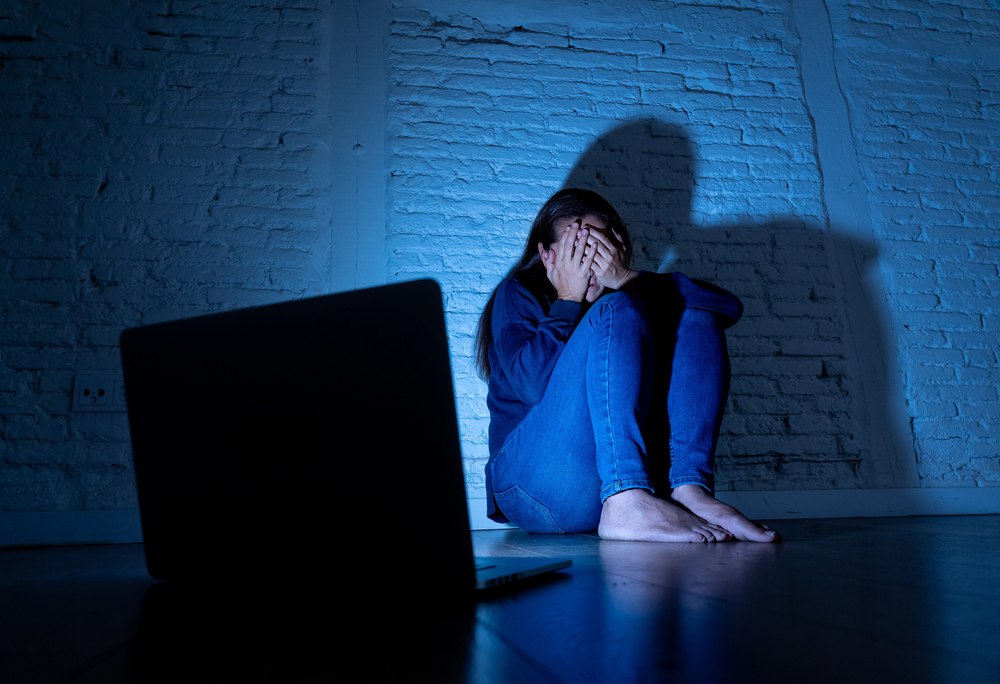
Stalking in Kazakhstan: Why People Have Only Started Talking About It Now

Until recently, stalking in Kazakhstan was widely perceived as something more typical of movies, TV dramas, or social media discussions than of everyday life. Persistent phone calls, dozens of messages, or being followed near one’s home or workplace were often not seen as a serious threat. Such behavior was frequently excused with phrases like “he just can’t let go,” “he’s just being too persistent in courting her,” or “that’s how he shows his feelings.” But in recent years, attitudes toward this issue have begun to change, and on September 16, 2025, amendments came into force in Kazakhstan, introducing a separate Article 115-1, “Stalking,” into the Criminal Code. Under this article, stalking is defined as the unlawful pursuit of a person, expressed in attempts to establish contact with and/or track them against their will, without the use of violence, but causing substantial harm. What Exactly Is Considered Stalking? In practice, stalking is not limited to following someone on the street. Kazakhstan’s Ministry of Internal Affairs includes repeated phone calls, constant messaging, intrusive attempts to establish contact, harassment through social media, and other actions against a person’s will in this category. Official explanations also state that stalking may include threats, insults, defamation, online surveillance, reading private correspondence, monitoring through cameras, and GPS trackers. All of this causes fear, anxiety, and a sense of insecurity. For a long time, society did not view stalking as a separate problem for several reasons. First, many people still held the dangerous belief that persistence is almost normal, especially in the context of former relationships or attempts to “win over” someone’s attention. Second, psychological harm was often underestimated: if there were no bruises or obvious physical violence, it was assumed that there was no serious problem. Third, before a separate article appeared in the law, it was harder for people to explain exactly what was happening to them and why it deserved a legal response. The introduction of a clear legal norm helped call the problem by its proper name, and this matters not only for the police and courts, but also for the victims themselves. What Changed After the Law Was Adopted? In reality, stalking is not about feelings and not about “love that is too strong.” Its purpose is control, intrusion into another person’s personal boundaries, and forcing one’s presence upon them. The Ministry of Internal Affairs directly emphasizes that such actions cause serious harm to personal safety and psychological well-being. Stalking causes fear, stress, and anxiety about one’s life and health, and in some cases may escalate into more serious crimes, including violence, bodily harm, or property damage. The introduction of Article 115-1 showed that the state no longer regards intrusive harassment as something minor or as “a private story between two people.” The penalties for stalking include a fine of up to 200 monthly calculation indices (MCI), community service for up to 200 hours, or arrest for up to 50 days. If the harassment is accompanied by violence, threats, blackmail, or the unlawful...

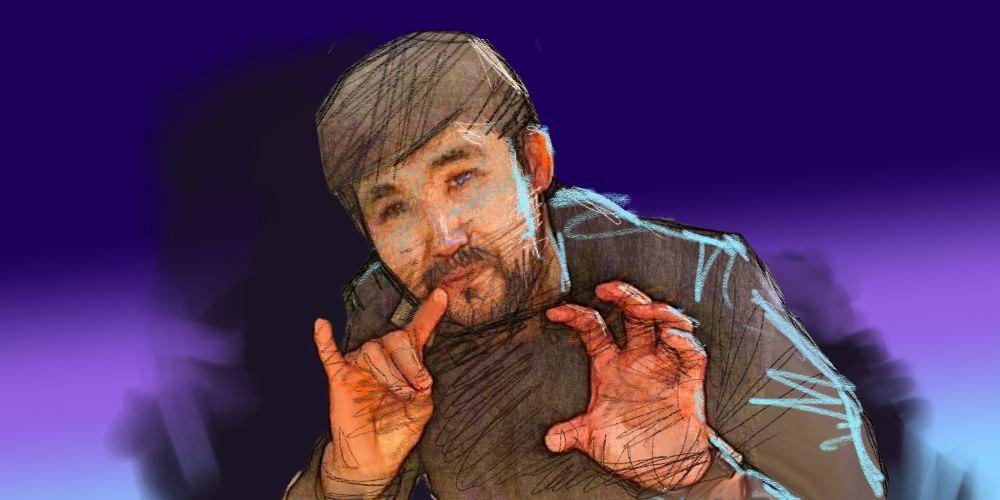
Wild Arman Sentenced: From Thief-In-Law to Coup Plotter

On January 27, another high-profile trial related to the January 2022 events concluded in Almaty. More than 40 individuals were in the dock, but the main figures in the proceedings were three individuals: former Almaty city council deputy and popular blogger Kairat Kudaibergen, former head of the Fifth Department of Kazakhstan’s National Security Committee Ruslan Iskakov, and crime boss Arman Jumageldiev, better known by his criminal nickname, 'Wild Arman.' Harsh Sentences Most of the defendants received short sentences and were released due to time already served. However, for the main figures in the case, the court handed down the following punishments: Kairat Kudaibergen, former deputy and entrepreneur, received eight years in prison. He was also banned from appearing on social media, organizing rallies, debates, and events, and publishing in the media. Ruslan Iskakov, the former head of the Fifth Department of the National Security Committee, was sentenced to 15 and a half years in prison. Arman Jumageldiev (Wild Arman) was sentenced to 20 years in prison. He was prohibited from participating in organizations, organizing events, and publishing in the media or on social networks. In addition to this trio, two other lengthy sentences were handed down: former financial police agent Talgat Makhatov received 15 years, whilst journalist Berdakh Berdymuratov was sentenced to seven years. During the trial, two of the four charges initially brought against Kairat Kudaibergen were dropped. Meanwhile, Arman Jumageldiev, who was originally charged under eleven articles of the Criminal Code of Kazakhstan, faced eight charges by the end of the trial. The 40-year-old crime boss, who along with his defense team has long denied his ties to organized crime, will be released close to the age of retirement should his sentence remain unchanged after his appeal. Under Surveillance Senior Prosecutor of the Almaty Regional Transport Prosecutor’s Office, Mukhit Rysbekov, provided detailed comments on the verdict for Wild Arman (Arman Jumageldiev), revealing the defense’s strategy during the trial. "The court deliberated on the case for about a year. During this time, Jumageldiev’s defenders tried to present him to the court and the public as a patriot, a national hero who helped and protected citizens during the tragic January events. Despite the active campaign organized by Jumageldiev and his defense to rehabilitate his image, we managed to prove the opposite. We proved that back in 2016, long before those events, Jumageldiev led a criminal organization, an armed gang, which included the same representatives of the criminal world,” said Rysbekov. Commenting on Jumageldiev’s sentencing, political analyst Daniyar Ashimbaev noted that the trial had addressed one of the key facets in a broader scheme. "It is clear that the National Security Committee (KNB) was ‘tracking’ this organized criminal group (OCG), which during the January events was supposed to take on the role of establishing 'public governance,' subduing looters, presenting 20 pre-captured individuals as instigators, and ultimately calling for power to be handed over to a 'people’s government' led by the coup organizers," Ashimbaev stated. "This was evident as early as the...

Register of Corrupt Officials to Be Created in Kazakhstan

Kazakhstan is set to establish a public register of officials convicted of bribery and other corruption-related offenses. Some parliamentary deputies are also proposing additional measures, including banning convicted individuals from leaving the country to ensure they return stolen funds. The Kazakhstani parliament is currently reviewing amendments to anti-corruption legislation. Among the proposals, according to Albina Mautova of the Prosecutor General's Office, is the creation of a public register of individuals convicted of corruption offenses. This registry will be accessible to all citizens through the anti-corruption agency's website. “This register will include individuals who have committed serious and particularly serious corruption offenses. Inclusion in the register will be based on the presence of a conviction that has entered into legal force. Removal from the register will occur only in the event of an acquittal or the expungement of the criminal record,” Mautova explained. The legislative amendments also aim to broaden the scope of criminal liability related to bribery. According to Ulan Sarkulov, deputy chairman of the Anti-Corruption Agency, the new provisions would criminalize not only the act of receiving or giving bribes but also the promise or extortion of a bribe. Sarkulov emphasized that these measures are designed to have a preventive effect by addressing bribery at its earliest stages before damage is caused to the state. However, Sarkulov acknowledged the challenges of enforcement. “The investigative practices of other countries show that proving the promise or extortion of a bribe is difficult. There will never be widespread prosecutions here. International experience demonstrates only a handful of such cases globally,” he noted. Mazhilis deputy Azat Peruashev has called for an additional provision to bar convicted corrupt officials from leaving Kazakhstan. He argues that such a restriction would help recover stolen assets taken out of the country. “As our experience in recovering capital shows, the most effective measure is a ban on traveling abroad. Major corrupt officials often don’t simply take bribes in cash; they transfer funds to offshore accounts, re-hide them, and make it nearly impossible to trace. Sometimes, even our law enforcement agencies are unaware of how much money they have or where it’s located,” Peruashev stated. He further explained, “These individuals serve reduced sentences or pay fines, then go abroad to access the billions they’ve stolen—wealth they could never have earned legally. If they’re forced to remain in Kazakhstan, they will be more likely to return the stolen funds if they want to use them.” The Times of Central Asia previously reported that, according to Transparency International's 2023 Corruption Perceptions Index (CPI), Kazakhstan was ranked as the least corrupt country in Central Asia, marking a significant achievement in the region's fight against corruption.

German Firms Urged to Address Human Rights Risks in Uzbek Cotton

German companies, supported by the Federal Ministry for Economic Cooperation and Development and the German textile sector, are increasingly exploring Uzbekistan as a potential market. A report titled Relevant Human Rights Expertise: Risk Assessment for German Companies in the Textile Industry of Uzbekistan evaluates how these firms comply with supply chain laws and fulfill their human rights obligations. The report underscores ongoing challenges in Uzbekistan’s cotton industry, despite recent reforms. Key issues include risks of forced labor, government interference in cotton production, and poor working conditions. Farmers face coercive contracts, insecure land tenure, and restricted union rights. These problems persist even after Uzbekistan privatized its cotton industry and adopted the ‘cluster’ model, which integrates farming, processing, and manufacturing. Umida Niyazova, founder of the Uzbekistan Human Rights Forum, highlighted widespread violations, including illegal land seizures and forced production quotas. She emphasized the lack of protections for cotton workers. Additionally, the report warns that some Uzbek cotton may be entering German markets indirectly through suppliers in Turkey and other countries. The report stresses that effective human rights due diligence is essential for maintaining brand integrity. However, according to author Ben Vanpeperstraete, German companies are failing to adequately address risks associated with Uzbek cotton. Public communications by firms often lack tailored approaches to identifying and mitigating these risks. Forced labor risks in Uzbekistan’s cotton industry remain significant, the report states, despite ongoing reforms. Corporate disclosures frequently omit recognition of forced labor as a sourcing risk. The report calls on businesses to adopt due diligence practices that address Uzbekistan’s restrictions on unionizing and civil society activities. Companies are urged to map and disclose their supply chains to enhance compliance and traceability. Trade between Germany and Uzbekistan surpassed €1 billion in 2023, with German investments in Uzbekistan reaching €800 million by early 2024.

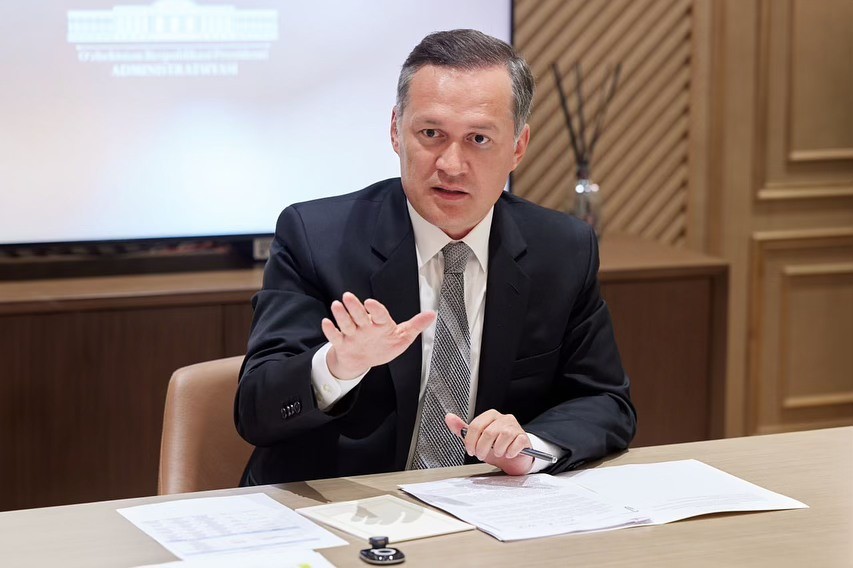
Uzbekistan Searches for Two Chechens Accused of Allamjonov Assassination Attempt

Uzbekistan has placed two Chechen residents, Bislan Rasayev and Shamil Temirkhanov, on Interpol’s wanted list in connection with an alleged assassination attempt. According to Vzglyad.uz, the two men are accused of multiple crimes and were allegedly offered $1.5 million to kill Komil Allamjonov, the former head of the Information Policy Department of the Presidential Administration, and Dmitry Li, head of the National Agency for Prospective Projects (NAPP). Rasayev, 36, and Temirkhanov, 31, reportedly attempted to assassinate Allamjonov. Investigators allege that the pair entered Uzbekistan via separate routes -- one crossing the Uzbek-Kyrgyz border illegally and the other entering through the Dostlik checkpoint -- while following instructions from their clients. The case gained attention following reports of an armed attack on October 26. According to the Prosecutor General's Office, the incident occurred outside Tashkent, on Ifor Street in the Qibray district. Unidentified individuals fired multiple shots at a Range Rover driven by a man identified as "S.S." before fleeing the scene. The investigation has revealed material evidence collected at the crime scene, in vehicles used by the suspects, and at their places of residence. These findings have been critical to the case. Authorities have identified seven individuals connected to the crime. While five suspects are currently in custody, Rasayev and Temirkhanov remain at large. Some media outlets have speculated about possible links to Chechen leader Ramzan Kadyrov, though no official confirmation has been provided.

Uzbekistan Strengthens Criminal Penalties for Organising Mass Disturbances

On December 11, Uzbekistan's Parliament, the Oliy Majlis, adopted a draft law amending Article 244 of the Criminal Code, which addresses mass riots. The amendments, passed in the first reading, aim to strengthen legal measures against organizing or financing mass disturbances. Deputy Prosecutor General Svetlana Artikova explained the rationale behind the proposed changes, emphasizing the importance of protecting individuals, society, and the state during turbulent times. “Is there criminal liability for training aimed at organizing mass disturbances or preparing weapons, explosives, or special devices for such purposes? In our opinion, there is,” Artikova stated. She highlighted that such actions threaten public safety and stability, warranting criminal accountability. The draft law introduces two new provisions - parts 3 and 4 of Article 244 - focused on addressing these threats. Financing the organization of mass riots will also be explicitly recognized as a crime. According to Artikova, the amendments aim to safeguard the country’s peace and stability, serving as a preventive measure rather than an act of retribution. “Whether online or offline, participating in such ‘training’ is about destroying our way of life,” she remarked. The proposed amendments will not require extra funding from the state budget. The draft law has already been reviewed and approved by key government entities, including the Supreme Court, the State Security Service, and the Ministries of Economy and Finance, Internal Affairs, and Justice. Details regarding the specific penalties for these offenses were not disclosed by the prosecutor’s office.