• KGS/USD = 0.01144 0%
  • KZT/USD = 0.00213 0%
  • TJS/USD = 0.10456 0.19%
  • UZS/USD = 0.00008 0%
  • TMT/USD = 0.28490 0%
  • KGS/USD = 0.01144 0%
  • KZT/USD = 0.00213 0%
  • TJS/USD = 0.10456 0.19%
  • UZS/USD = 0.00008 0%
  • TMT/USD = 0.28490 0%
  • KGS/USD = 0.01144 0%
  • KZT/USD = 0.00213 0%
  • TJS/USD = 0.10456 0.19%
  • UZS/USD = 0.00008 0%
  • TMT/USD = 0.28490 0%
  • KGS/USD = 0.01144 0%
  • KZT/USD = 0.00213 0%
  • TJS/USD = 0.10456 0.19%
  • UZS/USD = 0.00008 0%
  • TMT/USD = 0.28490 0%
  • KGS/USD = 0.01144 0%
  • KZT/USD = 0.00213 0%
  • TJS/USD = 0.10456 0.19%
  • UZS/USD = 0.00008 0%
  • TMT/USD = 0.28490 0%
  • KGS/USD = 0.01144 0%
  • KZT/USD = 0.00213 0%
  • TJS/USD = 0.10456 0.19%
  • UZS/USD = 0.00008 0%
  • TMT/USD = 0.28490 0%
  • KGS/USD = 0.01144 0%
  • KZT/USD = 0.00213 0%
  • TJS/USD = 0.10456 0.19%
  • UZS/USD = 0.00008 0%
  • TMT/USD = 0.28490 0%
  • KGS/USD = 0.01144 0%
  • KZT/USD = 0.00213 0%
  • TJS/USD = 0.10456 0.19%
  • UZS/USD = 0.00008 0%
  • TMT/USD = 0.28490 0%

Viewing results 1 - 6 of 298

Teachers in Turkmenistan Demand Money from Pupils to Hire Cotton Pickers

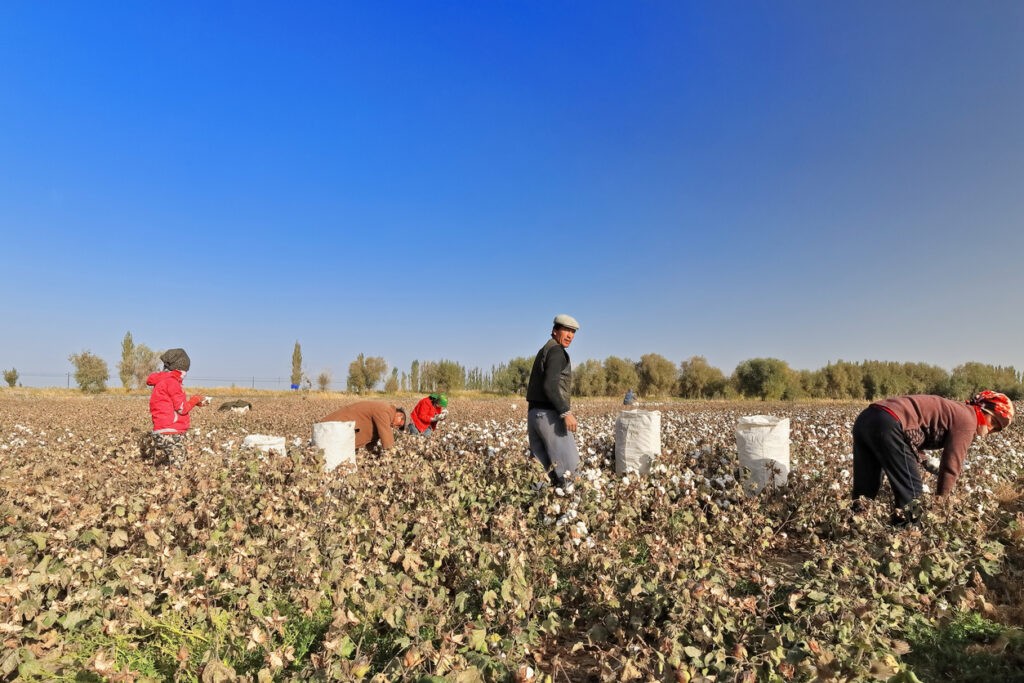
Following Turkmen President Serdar Berdymukhamedov's recent directive to speed up the cotton-picking campaign, the Chronicles of Turkmenistan has  reported that schools in Lebap province have started collecting money from students to hire workers for the task. The established daily norm for each class is 200-300 kilograms of cotton, depending on the number of students. Based on the requirements, schools must hire 5-6 pickers, each of whom must pick at least 50 kg of cotton daily. In addition to schools, health facilities have also been obliged to provide workers under the cotton-picking campaign. However, despite the ban on collecting money from their subordinates, teachers and medical workers have to look for laborers among the local population, offering payment of 35-40 TMT per day ($10-12). According to a roadmap signed in June by Turkmenistan and the ILO, forced labor in cotton harvesting, including the mobilization of children and government employees, should be eliminated. Nevertheless, mobilizing workers and schoolchildren to fulfil plans for the cotton harvesting campaign continues. In addition, students and civil servants, including teachers, are systematically forced to work in the cotton fields under threat of dismissal from their jobs or expulsion from educational institutions.

Kyrgyzstan Bans Commissions on Online Transfers

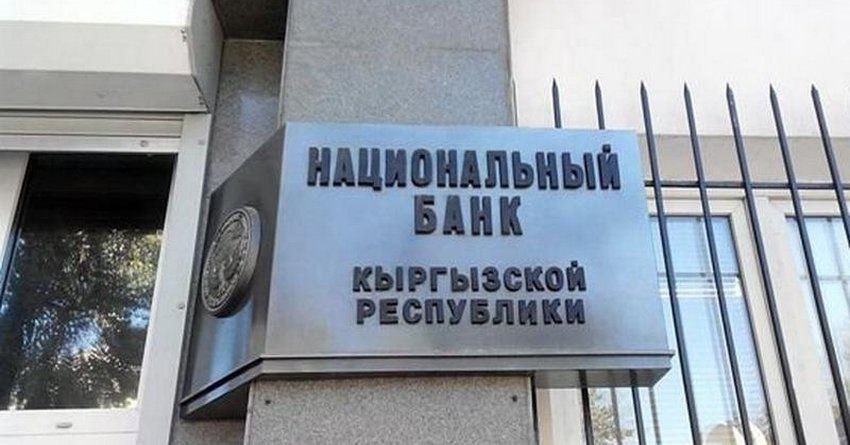
The National Bank of the Kyrgyz Republic (NBRK) has adopted a resolution requiring commercial banks to prohibit commissions on money transfers in the national currency, the som (KGS), within the country. The NBKR said such measures are taken to popularize banking services for the population. “The measure will contribute to ensuring accessibility of banking services for all segments of the population and accelerate the introduction of digital technologies in the banking sector,” the bank said. The NBKR resolution will be in force until the end of 2025. The country's authorities have been popularizing non-cash payments for years. President Sadyr Japarov has stated that such payments would bring the economy out of the shadows. “The development of cashless payments is a step towards modernizing our economy, strengthening financial security, and increasing financial inclusion. We must make the payment process so convenient and simple that even those who are used to cash could not resist the transition to new technologies,” said the head of the Cabinet, Akylbek Japarov, at a government meeting.

Kyrgyz Blogger Jailed for Inciting Ethnic Hatred

A video blogger from the Jalal-Abad region of Kyrgyzstan has been sentenced to two years in prison for inciting ethnic hatred and propaganda related to the war in the Middle East after the Supreme Court upheld the verdict of a lower court. According to information provided by Turmush, the blogger's name was not disclosed. The charges were brought under Part 1, Article 330 of the Criminal Code of Kyrgyzstan. The man ran a video channel with an audience of about 400,000 subscribers, where he posted religious instructions and supported the Yakyn Inkar organization, which is banned in the country. In addition, his channel published materials stoking hatred in the Middle East. In particular, on November 1, 2023, he posted an interview with the head of a political party of the Jogorku Kenesh, who made statements calling for violence and the destruction of a specific nationality. The case was classified by the National Security Committee. The detention of the blogger took place on November 25, 2023, and the trial took place on March 27, 2024, in the Pervomaisky District Court of Bishkek. The defense argued that the materials published did not violate the law, but the Supreme Court left the regional court's decision unchanged. Based on the conclusions of experts and reports from staff of the 4th Main Department of the SCNS, the court ruled that the blogger's publications provoked an increase in harmful and radical comments. There have been several cases in Kyrgyzstan involving charges of inciting ethnic and religious hatred. In August 2023, blogger Aizhan Myrsan was fined for posting what the court deemed to be incitement to ethnic hatred. Her lawyers insisted that the video had been taken out of context and edited, but the court upheld the decision. Another famous case is that of Omurbek Babanov, a politician who was accused of inciting ethnic hatred after a speech he delivered in 2017. His remarks at a meeting with voters became the subject of court proceedings, where experts interpreted them as potential calls for violence.

Kyrgyzstan to Introduce New Measures to Curb Noise Levels

During a parliamentary session, deputies determined that the Interior Ministry should be authorized to collect fines for excessive noise. According to the republic's law, fines for exceeding acceptable levels of  noise were previously issued by the Department of Health Prevention. However, according to the deputies, the department was not properly equipped to measure levels of noise on the streets or on premises. In addition, the department's employees do not work at night, when violations are most likely to occur. “Individuals believe their rights should not be violated if they want to invite a noisy company home to an apartment building at night, put on music, start construction or repair work, or watch television at a volume that exceeds the maximum permissible noise levels. Entertainment or construction work in one apartment can become a nightmare or sleepless nights for many living there. But complaints to the police due to the lack of the necessary law have no proper effect,” said the Kyrgyz Interior Ministry. According to the civil code of offenses, loud noise is prohibited from 10 p.m. to 7 a.m. on weekdays and to 9 a.m. on non-working days and holidays. The only exception is during New Year's Eve celebrations. Violation of the rules in settlements or public places is punishable by a fine of 10 thousand KGS ($120) for individuals and 28 thousand KGS ($330) for legal entities.

In Uzbekistan, Perpetrators of Domestic Violence Against Children Face Tougher Penalties

Uzbekistan has toughened liability for physical abuse of children within the family, actions which can now result in more stringent criminal penalties. President Shavkat Mirziyoyev signed relevant amendments to the legislation, which came into force after being officially published on the website of the national legislation base. The amendments affect the Criminal Code and the Code of Administrative Responsibility, introducing stricter sanctions for domestic violence against children. Child abuse is punishable by fines ranging from $590 to $885, or imprisonment of two to three years. In cases of violence against more than one child, the punishment becomes more severe, with perpetrators facing three to five years in prison. The legislative changes were approved by Parliament in July 2024 and approved by the Senate in September. These measures come as a reaction to increasing cases of child abuse in Uzbekistan. Recently, a woman in Bukhara beat her underage daughters, and a resident of the Shafirkon district was sentenced to three years in prison for abusing her child. Another high-profile case occurred in the Toylok district of Samarkand province, where a man was accused of beating his six-year-old stepson. These cases have attracted significant public attention, prompting the authorities to strengthen legislative measures to protect children from violence perpetrated within family units.

Levies on Uzbek Drivers in Afghanistan Reduced

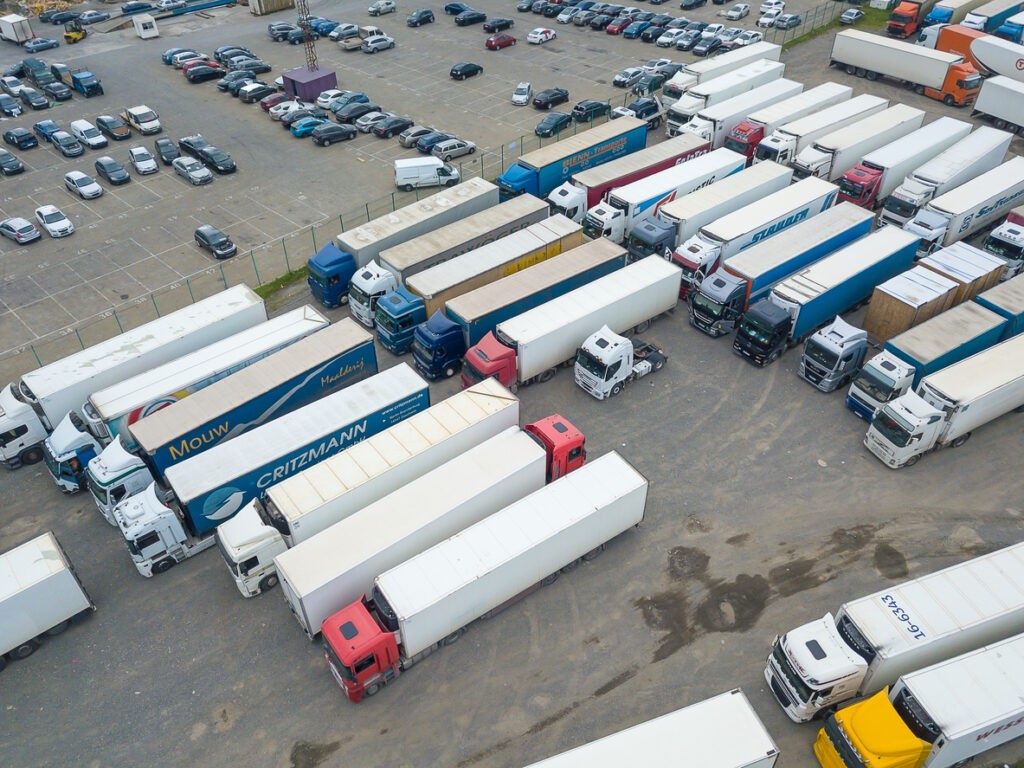
According to the Ministry of Transport in Uzbekistan, negotiations with Afghanistan have reduced the levies collected from Uzbek drivers in Afghanistan by 5,000 Afghanis (about $80). A levy of 12,000 Afghanis (about $180) was previously charged to cross the Amudarya bridge. Since September 28, this amount has been set at 7,000 Afghani (about $100). The fee for entering Afghanistan with a cargo vehicle, which was 5,000 Afghanis (about $75), has decreased to 3,500 Afghanis (about $55). According to the announcement, the Ministry of Transport continues to create favorable conditions for cargo transportation through the Trans-Afghan multimodal transport corridor, and to optimize the number of levies. This transport corridor accelerates and simplifies the increase and processing of transit cargo through Uzbekistan, Afghanistan, and Pakistan. In recent years, the volume of transit cargo through Afghanistan has increased by over 30%, reaching almost 1 million tons per year. Following a transit trade agreement between Uzbekistan and Pakistan in 2021, cargo volumes have increased significantly, and in 2022, cargo transportation between the two countries through Afghanistan increased 2.5-fold. This year, Uzbekistan plans to transport more than 1 million tons of cargo through Afghanistan to Pakistan.