• KGS/USD = 0.01144 0%
  • KZT/USD = 0.00215 0%
  • TJS/USD = 0.10599 -0.28%
  • UZS/USD = 0.00008 0%
  • TMT/USD = 0.28571 0%
  • KGS/USD = 0.01144 0%
  • KZT/USD = 0.00215 0%
  • TJS/USD = 0.10599 -0.28%
  • UZS/USD = 0.00008 0%
  • TMT/USD = 0.28571 0%
  • KGS/USD = 0.01144 0%
  • KZT/USD = 0.00215 0%
  • TJS/USD = 0.10599 -0.28%
  • UZS/USD = 0.00008 0%
  • TMT/USD = 0.28571 0%
  • KGS/USD = 0.01144 0%
  • KZT/USD = 0.00215 0%
  • TJS/USD = 0.10599 -0.28%
  • UZS/USD = 0.00008 0%
  • TMT/USD = 0.28571 0%
  • KGS/USD = 0.01144 0%
  • KZT/USD = 0.00215 0%
  • TJS/USD = 0.10599 -0.28%
  • UZS/USD = 0.00008 0%
  • TMT/USD = 0.28571 0%
  • KGS/USD = 0.01144 0%
  • KZT/USD = 0.00215 0%
  • TJS/USD = 0.10599 -0.28%
  • UZS/USD = 0.00008 0%
  • TMT/USD = 0.28571 0%
  • KGS/USD = 0.01144 0%
  • KZT/USD = 0.00215 0%
  • TJS/USD = 0.10599 -0.28%
  • UZS/USD = 0.00008 0%
  • TMT/USD = 0.28571 0%
  • KGS/USD = 0.01144 0%
  • KZT/USD = 0.00215 0%
  • TJS/USD = 0.10599 -0.28%
  • UZS/USD = 0.00008 0%
  • TMT/USD = 0.28571 0%

Viewing results 1 - 6 of 304

Kazakhstan Plans to Ban Starlink and Other Satellite Communication Systems Face Backlash

Kazakhstan is considering a ban on the import of Starlink and other satellite communication devices, a move that has sparked opposition from experts and the public. In December 2024, authorities proposed a draft regulation prohibiting the import of satellite communication equipment from major manufacturers, including Thuraya, Iridium, Inmarsat, and Starlink.  The proposal quickly ignited public debate on the Open ABO portal, with most commentators opposing the measure. Following a wave of criticism, the draft was sent for revision. National Security Concerns The ban would apply to satellite phones and terminals commonly used by emergency services, maritime fleets, and travelers in areas lacking traditional communication networks. The Ministry of Digital Development defends the restriction as a national security measure, citing Article 23 of Kazakhstan’s Law on National Security. The law prohibits the operation of foreign-controlled communication networks within the country. Authorities have suggested requiring local oversight of satellite devices. Industry and Legal Concerns Industry representatives and legal experts, however, have raised strong objections. Safety Risks: Alexey Korchagin, a representative of satellite communications partner ZHARYQ LLP, warns that restricting satellite communication could jeopardize lives. He argues that alternatives such as Eutelsat-OneWeb and Amazon Kuiper cannot fully replace Thuraya, Iridium, and Inmarsat, as their functionality differs. Unlike bulky VSAT terminals, mobile satellite phones are compact, easy to use, and designed for emergencies. Control Over Information: Lawyer Yelzhan Kabyshev sees the ban as part of a broader effort to control information flows. He points to previous cyber-control measures, including security certificates and data interception policies. He also questions the transparency of the decision-making process, particularly after the January 2022 unrest, which led to criminal cases against top National Security Committee officials. A Growing Black Market: Experts argue that the ban will not eliminate security risks, as the devices could still be smuggled into the country. Korchagin warns that such restrictions could fuel the "gray" market, making it harder to regulate and potentially increasing security threats. Alternative Solutions Instead of an outright ban, experts recommend cooperation with satellite operators to ensure regulatory oversight without compromising essential communication services. Meanwhile, Kazakhstan is working to expand internet access in remote areas. In 2024, a pilot project connected nearly 2,000 rural schools to Starlink satellite internet. The Ministry of Digital Economy has stated that the ban will not affect these connections, though the long-term future of the project after 2026 remains uncertain.

USAID Freeze Leaves Central Asian NGOs in Limbo

On January 20, U.S. President Donald Trump signed an executive order suspending funding for most foreign aid programs for 90 days. The move has raised concerns among non-governmental organizations (NGOs) in Central Asia, particularly in Kazakhstan, which has long benefited from U.S. assistance. The order reads: “All heads of departments and agencies responsible for United States foreign development assistance programs shall immediately suspend new commitments and disbursements of development assistance funds to foreign countries and non-governmental implementing organizations, international organizations, and contractors pending a review of such programs for effectiveness and consistency with United States foreign policy to be conducted within 90 days of this order.” Following this directive, U.S. Secretary of State Marco Rubio instructed all diplomatic and consular agencies to issue “stop-work orders” for nearly all active foreign assistance programs. Impact on Kazakhstan and Central Asia According to reports, the funding freeze is expected to affect university grant programs, entrepreneurial initiatives, gender diversity projects, and environmental efforts. The Trump administration has justified the decision by citing the need to reassess spending priorities. Kazakhstan and other Central Asian countries have received U.S. aid for decades. USAID, in particular, has played a significant role in regional development. The agency’s website states: “In Kazakhstan, USAID promotes the U.S. government's Central Asia Strategy, which supports and strengthens the sovereignty and independence of Central Asian countries, both individually and collectively. It also promotes regional connectivity between Central Asia and Afghanistan, advances the rule of law and respect for human rights, and improves the climate for U.S. investment to foster greater regional stability and prosperity.” Since 1992, USAID has funded projects in Kazakhstan focusing on economic diversification, energy, environmental protection, healthcare, and support for media and NGOs. In addition to funding NGOs, USAID collaborates with KazAID, Kazakhstan’s foreign aid agency operating under the Ministry of Foreign Affairs. Reactions from NGO Leaders Denis Dzhivaga, director of the Kazakhstan International Bureau for Human Rights and Rule of Law (KIBHR), told The Times of Central Asia that the aid suspension had been anticipated. “Such a measure was expected," said Dzhivaga. "Even during the election campaign and Trump’s previous presidency, it was clear that he prioritized domestic policy over foreign influence. All NGOs working with USAID and receiving State Department assistance have received letters to halt projects.” However, Dzhivaga noted that KIBHR has limited cooperation with U.S. agencies, so the impact on his organization will be minimal. “In any case, this will negatively affect the NGO sector. The suspension is for three months pending an audit, but even USAID does not seem to know what will happen afterward. I don’t think U.S. assistance to Kazakhstan and Central Asia will stop entirely, but certain projects may be reconsidered - especially those related to discrimination, gender issues, and LGBT rights, as President Trump has already expressed opposition to such initiatives.” Replacing U.S. funding with alternative grants will be challenging, he added. “European donors are already struggling to finance Ukraine, so they are unlikely to allocate substantial funds elsewhere. Many U.S.-backed...

New Labor Code Comes Into Force in Kyrgyzstan

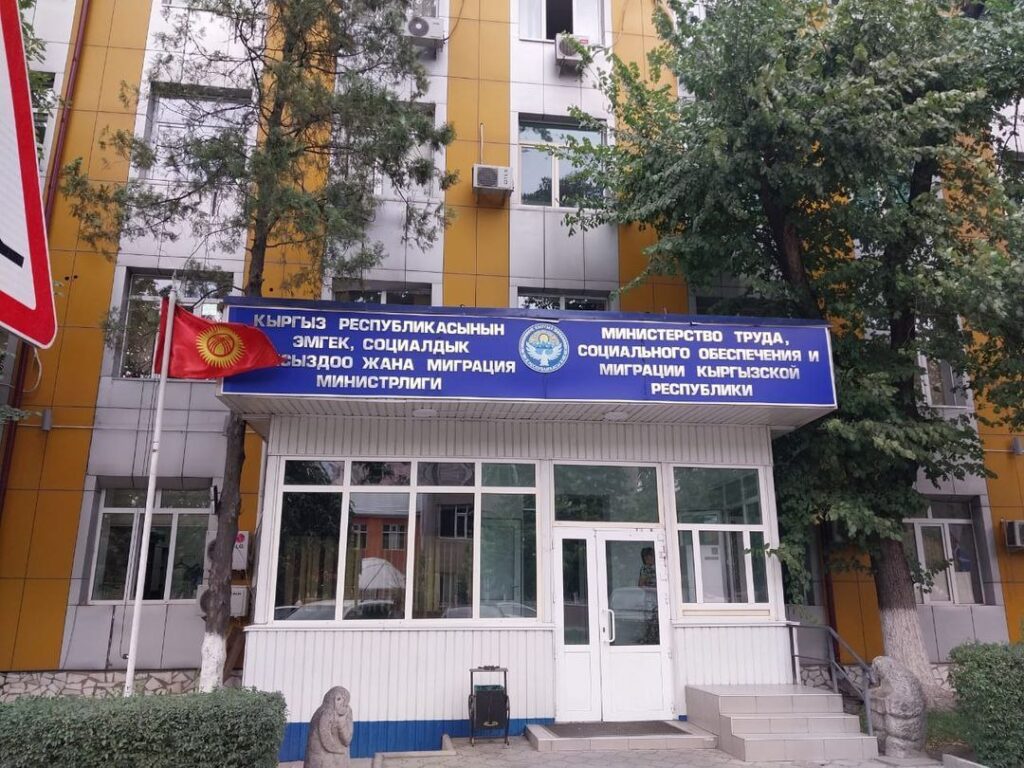
A new Labor Code has been implemented in Kyrgyzstan, introducing significant changes to labor relations in the country. The updated code includes provisions for remote work, digital labor records, and streamlined labor contracts. Additionally, relations between employees and employers will now be regulated by a separate law, “On Social Partnership.” President Sadyr Japarov signed the new Labor Code into law following its approval by Kyrgyzstan’s parliament. The reforms aim to modernize the nation’s labor practices by accelerating the digitalization of processes. Under the new code, paper labor contracts are no longer mandatory. Instead, electronic contracts will suffice for official use and inspection purposes. One of the notable provisions in the code allows for remote and hybrid work arrangements. “The labor contract, by agreement of the parties, may establish both remote work and combined remote work,” states the law, marking a shift toward more flexible employment practices. The reforms also address labor books, which traditionally served as a lifelong record of an individual’s work history. Citizens now have the option to use digital labor books, though paper versions remain valid. However, the exact platform or system for storing the digital data has yet to be determined. Another change eliminates the longstanding practice of shifting days off to accommodate public holidays. Previously, the Ministry of Labor, Social Security, and Migration could declare surrounding weekdays as non-working days. Under the new code, this practice has been discontinued, reducing the total number of non-working holidays. The Labor Code introduces several worker protections. Employers are now required to provide lump-sum benefits in the event of labor-related injuries or the death of an employee. A single penalty rate of 0.25% has been established for late payments of wages, vacation pay, severance pay, and other compensation. Employees will also have a three-year limitation period to file wage-related disputes. Additionally, the code prohibits the employment of pregnant women and nursing mothers in hazardous or physically demanding jobs, further strengthening workplace protections for vulnerable groups. These reforms are expected to streamline labor relations, improve worker protections, and align Kyrgyzstan’s labor policies with modern international standards.

Kyrgyzstan Tightens Regulations on Religious Activities

Kyrgyzstan’s President Sadyr Japarov has signed into law a series of amendments regulating the religious sphere. The amendments, approved by the Kyrgyz parliament on December 26, 2024, aim to ensure the rights of citizens while establishing clear responsibilities for religious associations in accordance with the Law "On Freedom of Religion and Religious Associations." Key Provisions of the Amendments The new legislation introduces several notable restrictions and guidelines: Prohibition of Face-Covering Clothing: Clothing that obscures a person’s identity, such as the niqab, is now banned in government offices and public places. Exceptions include clothing required for work or for medical purposes. Prohibition of Coercion in Religious Conversion: The amendments ban any form of coercion aimed at converting individuals to a particular religion. This includes targeting followers of other faiths, religiously neutral individuals, or atheists. Restrictions on Religious Ceremonies: Religious ceremonies, meetings, and other religious events are now prohibited in nursing homes, homes for the disabled, correctional institutions, pre-trial detention centers, and military units. Invitations to religious figures or preachers from foreign religious organizations for such events are also prohibited. Limitations on Religious Organizations: Religious organizations are prohibited from interfering in the activities of state authorities or local governments. Dissemination of religious literature, audio, and video materials in public places, educational institutions, or through door-to-door efforts is banned. Restrictions on Political and Electoral Activities: Political parties cannot be established on a religious basis, nor can they be financed by foreign entities. Civil servants are barred from engaging in religious activities, and religious materials cannot be used in electoral campaigns. Prohibition on Religious Terms in Business Names: The Kyrgyz Cabinet of Ministers approved list of religious words and terms that cannot be used in the names of businesses or legal entities. Prohibited terms include references from various religions, such as “Jesus Christ,” “The Bible,” “Jihad,” “Krishna,” “Kosher,” “Hajj,” and “Caliphate,” among others. Expanding Oversight of Religious Activities The new laws reflect the Kyrgyz government’s growing efforts to exert control over the religious sphere in the predominantly Muslim nation. Kyrgyzstan leads Central Asia in terms of the number of mosques per believer, with 3,593 mosques across the country as of 2024. Of these, 46 are registered in Bishkek and 89 in Osh. The country also has 220 religious educational institutions, most of which are located in the southern Osh region. The restrictions on religious literature, events, and political activity come amid broader efforts to regulate religious influence on public and political life. Implications for Religious Organizations The prohibition on using religious terminology in business names has drawn particular attention, as the banned terms include key concepts from Islam, Christianity, and other major religions. This move could limit the visibility of religious organizations and restrict their operations in the public sphere. Additionally, the ban on foreign preachers in sensitive locations, such as prisons and military units, underscores the government’s intent to limit external religious influence and maintain tighter control over religious practices within the country. Kyrgyzstan’s amended laws mark a significant tightening of state regulation...

Uzbekistan May Reduce Prison Sentences for Inmates Who Read Books

Uzbekistan is considering a new initiative that would reduce prison sentences for inmates who engage in reading, as part of efforts to promote rehabilitation and personal development. Proposal Details The Milliy Tiklanish (National Revival) party has been advocating for this initiative for several years, inspired by similar practices in other countries. According to the party’s press service, a draft law has now been developed to bring the proposal to life. Under the proposed legislation, prisoners who read one book from an approved list and pass an exam on its content could have their sentences reduced by three days. The program would allow inmates to read up to 10 books per year, potentially reducing their sentences by up to 30 days annually. The reading list will be curated and managed by the Republican Center for Spirituality and Enlightenment, ensuring that the selected books align with the program’s goals of fostering intellectual and moral growth. International Inspiration The concept of reducing prison sentences through reading is not unique to Uzbekistan. Last year, Russian politician Vladislav Davankov proposed a similar initiative for inmates in pretrial detention centers and prisons. Davankov argued that reading programs could play a vital role in the rehabilitation and resocialization of prisoners. Kazakhstan has already taken steps in this direction. In 2021, the country launched a pilot project in correctional facilities in the Karaganda region. Under this program, inmates read books from an approved list, retell the content to a commission, and write essays summarizing the material. Positive evaluations by the commission can lead to improved detention conditions or even early release. Broader Implications If implemented, the program in Uzbekistan could serve as a tool to encourage education, personal growth, and rehabilitation among inmates. By focusing on intellectual engagement, the initiative could help prisoners reintegrate into society upon release and reduce recidivism rates. While the draft law is still in the development stage, it reflects Uzbekistan’s broader efforts to modernize its prison system and promote rehabilitation over punishment. If successful, the initiative could become a model for other countries in the region seeking to implement progressive approaches to criminal justice.

Kyrgyzstan to Ban Frog Imports to Combat Drug Trafficking

On January 23, Kyrgyzstan’s parliament discussed amendments to the law on combating the illicit trafficking of narcotics and psychotropic substances. Among the proposed changes is a ban on the import of frogs and toads, which can contain psychoactive substances. Psychoactive Risks of Amphibians During the parliamentary session, MP Iskhak Masaliyev questioned the use of the term “living organisms” in the text of the bill and asked for clarification. Deputy Health Minister Kaarmanbek Baidavletov explained that certain species of toads, whose skin and venom have narcotic effects, are prevalent in some countries. The amendment aims to prevent the import of such amphibians into Kyrgyzstan. Nurbek Abdiyev, Deputy Head of the Interior Ministry, elaborated that the term “living organisms” encompasses both plants and animals, including dried toads that are used as sources of banned substances. Unusual Laws and Global Context The bill’s sponsor, Meder Aliyev, referenced examples of foreign legislation to highlight the necessity of such laws, even if they may seem unusual. “For instance, in one U.S. state, teenagers are forbidden to kiss frogs because some frogs secrete psychoactive substances,” Aliyev said. While MP Iskhak Masaliyev supported the bill, he criticized its wording. “It turns out that now our young people are forbidden to kiss frogs! I’m not against this initiative, but it should have been analyzed in more detail when drafting. A frog is not just a living organism - it is an animal, an amphibian,” he said. The Danger of 5-MeO-DMT Some amphibians, such as the Bufo alvarius toad, secrete the psychoactive substance 5-MeO-DMT (5-methoxy-N,N-dimethyltryptamine). This powerful alkaloid, belonging to the class of tryptamines, can cause intense hallucinations, euphoria, and a sensation of warmth when its vapors are inhaled. The compound is known for its use in shamanic rituals in South America and poses risks of misuse in other contexts. Legislative Context The proposed amendment aims to address concerns about the potential for these amphibians, or their derivatives, to be trafficked for illegal drug use. By banning their import, Kyrgyzstan seeks to prevent the introduction of new psychoactive substances into the country, reinforcing its broader fight against drug trafficking. The debate over the bill underscores Kyrgyzstan's ongoing efforts to strengthen its drug policies while also illustrating the challenges of crafting precise legislative language. While some aspects of the law may seem peculiar, the government views it as a necessary step to curb the risks posed by psychoactive substances derived from amphibians.