

• KZT/USD = 0.00211
  • TJS/USD = 0.10810
  • UZS/USD = 0.00008
  • TMT/USD = 0.29760
  • KZT/USD = 0.00211
  • TJS/USD = 0.10810
  • UZS/USD = 0.00008
  • TMT/USD = 0.29760
  • KZT/USD = 0.00211
  • TJS/USD = 0.10810
  • UZS/USD = 0.00008
  • TMT/USD = 0.29760
  • KZT/USD = 0.00211
  • TJS/USD = 0.10810
  • UZS/USD = 0.00008
  • TMT/USD = 0.29760
  • KZT/USD = 0.00211
  • TJS/USD = 0.10810
  • UZS/USD = 0.00008
  • TMT/USD = 0.29760
  • KZT/USD = 0.00211
  • TJS/USD = 0.10810
  • UZS/USD = 0.00008
  • TMT/USD = 0.29760
  • KZT/USD = 0.00211
  • TJS/USD = 0.10810
  • UZS/USD = 0.00008
  • TMT/USD = 0.29760
  • KZT/USD = 0.00211
  • TJS/USD = 0.10810
  • UZS/USD = 0.00008
  • TMT/USD = 0.29760

Viewing results 1 - 6 of 3

Kazakhstan Oil Output Falls 21% as CPC Halt More Than Halves Tengiz Production

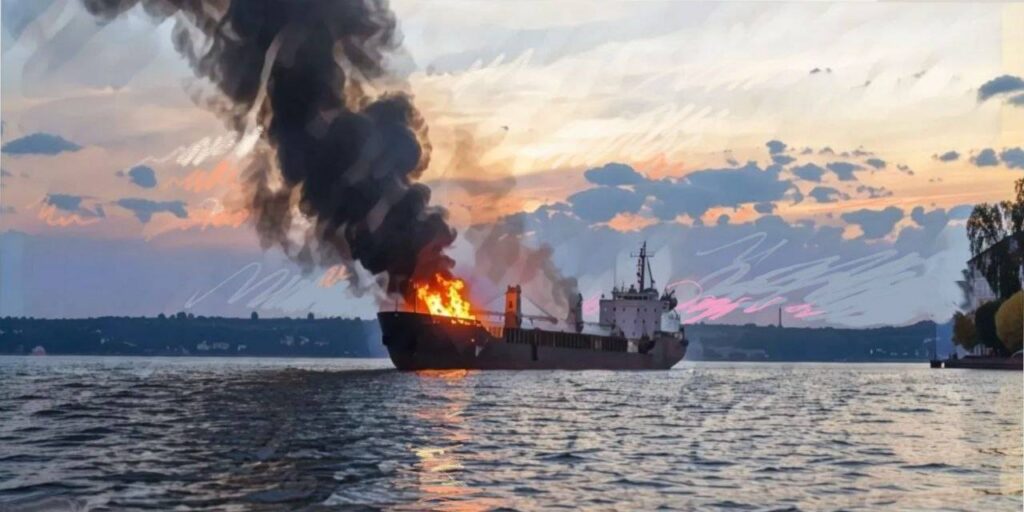
Kazakhstan's oil and gas condensate output fell by about 21% on July 22 after the Caspian Pipeline Consortium stopped receiving Kazakh crude and suspended loadings at its Black Sea terminal. Output dropped to 1.63 million barrels per day from a July average of 2.07 million, Reuters said, citing an industry source. The sharpest reduction came at Tengiz, Kazakhstan's largest oilfield. Production fell by 56%, from an average 925,000 barrels per day in July to about 406,000 on Wednesday, reflecting how quickly a halt at Novorossiysk can force cuts at a field more than 1,500 kilometres away. Kazakhstan's Energy Ministry confirmed the reduction, stating that producers had cut output because CPC had restricted intake and their storage tanks were nearing capacity. "The adjustment was a technical measure intended to keep production operations stable," the ministry said. It added that CPC’s production facilities remained operational and could resume shipments when conditions allowed. Consultations were continuing with the consortium, producers, shipowners, and state agencies. No timetable was given. Tengiz Bears the Brunt Chevron began production from the $48 billion Future Growth Project in January 2025. The expansion was designed to add 260,000 barrels of crude per day and raise total Tengiz output to about one million barrels of oil equivalent per day at full capacity. Chevron owns 50% of Tengizchevroil, while ExxonMobil holds 25%, KazMunayGas 20%, and Lukoil 5%. The field provides a large share of Kazakhstan's oil production and export income. After the tanker ASIA was struck on July 19, Chevron told The Times of Central Asia that the crew was safe and the vessel was stable. "There has been no impact to TCO operations or exports," the company said. However, by July 22, the export halt had forced cuts at Tengiz. Chevron did not immediately comment on the new production figures cited by Reuters. The cut compounds a difficult year for the sector. Kazakhstan produced 45.7 million tonnes of oil in the first half of 2026, down 8.4% from a year earlier. The Energy Ministry still expects 98 million tonnes for the full year, after lowering its previous target because of Tengiz outages and earlier CPC disruption. Kazakhstan's OPEC+ crude quota rose to 1.608 million barrels per day for July. The national output figure includes gas condensate and cannot be compared directly with the crude allocation. The latest reduction removes barrels Kazakhstan intended to export. The timing adds to the revenue loss. Brent rose above $100 on July 23 after attacks on Saudi tankers in the Red Sea added to disruption around the Strait of Hormuz. Tanker Attacks Halt CPC Loadings The production cuts followed a series of attacks on tankers near CPC's marine terminal. The Chevron-chartered Yasa Polaris was hit on July 7 while empty and waiting offshore. Its crew was safe, and no pollution or major hull damage was reported. Nordic Zenith was struck on July 17 while empty and approaching the terminal. ASIA and NISSOS IOS were hit on July 19 while loading Kazakhstan-produced crude. Loading briefly resumed...
When the War Reaches Kazakh Oil

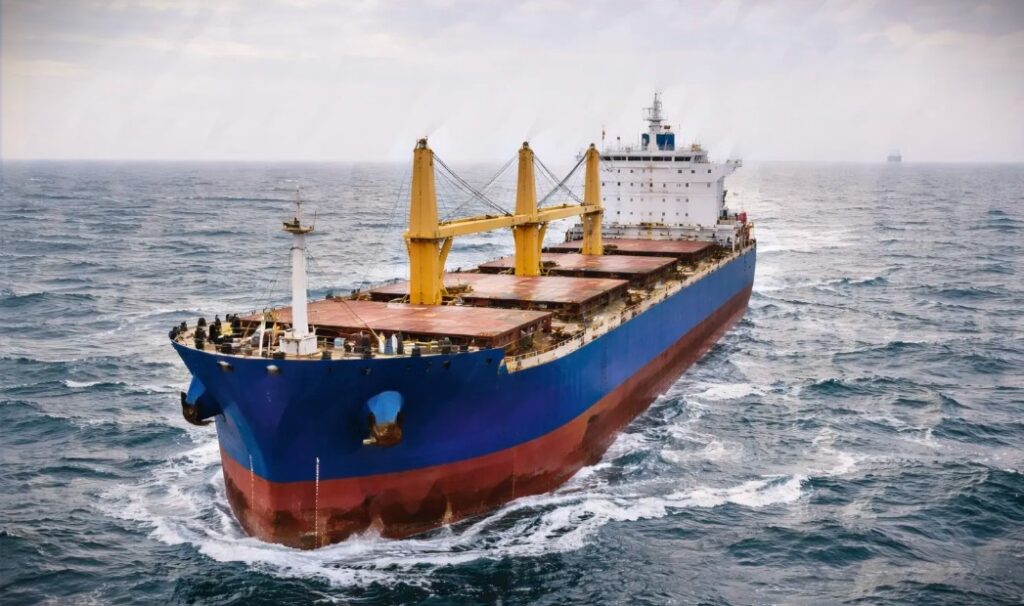
Russia’s full-scale invasion of Ukraine unleashed the war now expanding across the Black Sea, but it did not erase the distinction between Russian military logistics and the lawful commerce of other states. Kazakhstan is not a party to the war, yet its principal oil export route passes through an expanding maritime target zone. The attacks near the Caspian Pipeline Consortium terminal therefore raise a larger question: can civilian trade carrying Kazakh crude be treated as part of Russia’s war economy simply because geography places its outlet on the Russian coast? Four vessels were attacked near CPC’s Black Sea terminal on July 17, 19, and 20. Nordic Zenith, chartered by ExxonMobil according to Reuters, was empty and approaching the terminal when it was hit on July 17. Two days later, ASIA and NISSOS IOS were struck at single-point moorings off Novorossiysk while loading Kazakhstan-produced oil. ASIA was taking Tengizchevroil (TCO) crude; NISSOS IOS was loading oil from Kashagan B.V. and Maten. A fire on ASIA was extinguished; no one was injured, both vessels remained afloat, and no oil entered the sea. Chevron told The Times of Central Asia that the crew was safe, the vessel was stable, and there had been “no impact to TCO operations or exports.” Loading briefly resumed that evening, but on July 20 a drone struck NELSA while it was loading at SPM-1. The impact on the tanker’s starboard side caused a fire on deck and in several compartments. Its 22-member international crew was evacuated except for the captain and chief officer; the vessel remained afloat, the fire was extinguished, and no oil spill occurred. CPC suspended loadings again. Ukraine’s General Staff said separately that its forces had struck two tankers used to transport Russian oil, petroleum products, and fuel for the Russian military in the Black Sea. It did not identify the vessels or connect the claim to the attacks at the CPC terminal. Russia’s Foreign Ministry blamed Kyiv, while CPC itself did not publicly attribute the attacks. Astana’s response to the attacks has remained measured and legalistic. The Foreign Ministry called the attacks an infringement on Kazakhstan’s economic interests and a threat to lawful international trade. It said an agreed mechanism for sharing information on civilian vessels entering the Black Sea to load CPC oil had been disregarded, endangering crews. It reserved Kazakhstan’s right to seek compensation under international law. Following the strike on NELSA, the Energy Ministry said it remained in constant contact with CPC while the tanker’s technical condition and the consequences of the attack were assessed. The statements focused on Kazakhstan’s rights. That is the distinction Astana is asserting: Kazakh cargoes, revenues, crews, and commercial partners should not be treated as extensions of Russia’s war economy merely because they use a terminal on Russian territory. Kazakh Crude and the Western Stake Russia’s invasion created the maritime battlefield in which these incidents occurred, and Ukraine has a legitimate interest in weakening the military logistics that sustain Russia’s campaign. But Kazakhstan is not Russia,...

Second Malta-Flagged Vessel Hit in Black Sea as Shipping Risks Rise

The Maltese government has officially condemned recent attacks on commercial vessels in the Black Sea after a second ship flying the Maltese flag was damaged in a missile strike. This marks the second such incident within a week involving Maltese-registered ships. A spokesperson for Malta’s Ministry of Transport confirmed that the latest vessel, a Malta-flagged commercial ship, sustained minor shrapnel damage during a missile strike targeting port infrastructure in the Black Sea. The ship remains seaworthy, although one crew member was injured. The earlier incident involved the Matilda, an oil tanker also registered in Malta and chartered by the Kazakh shipping company Kazmortransflot, a subsidiary of state-owned KazMunayGas. On January 13, according to a statement from the Russian Foreign Ministry, the Matilda was struck by two Ukrainian drones. In 2025, Kazmortransflot increased its transport volumes by more than 15% compared to 2024, reaching 51,400 DFE. The growth was attributed to rising demand for shipping along the Trans-Caspian International Transport Route. Both incidents occurred near the CPC marine terminal outside Novorossiysk. In a statement, Malta’s Ministry of Transport emphasized that attacks on commercial shipping present a serious threat to civilian seafarers, global shipping safety, and the uninterrupted flow of legitimate international trade. The ministry also noted that commercial vessels operating in conflict zones are increasingly exposed to elevated operational and insurance risks, even when transporting cargo fully compliant with international sanctions. The attacks near the CPC marine terminal have already had a measurable economic impact on shipping and energy exports. As of December 2025, insurance rates for merchant ships operating in the Black Sea had risen to 1% of a vessel’s value, up from 0.75% and 0.25% during more stable periods. Ships operating in areas of active military conflict are typically insured per voyage rather than annually, significantly raising operating expenses. Shipping and insurance analysts say the rise in insurance premiums is reducing profit margins on oil and petroleum product exports in the region. Although Kazakhstan’s export volumes have not yet been directly affected, traders and shippers are increasingly factoring geopolitical and logistical risks into their strategies. Repeated disruptions near one of Eurasia’s critical energy hubs are heightening concerns about the reliability of supply routes, especially given limited alternatives. Kazakhstan has already begun restructuring its oil export network due to disruptions at the CPC, its primary crude oil export channel. Authorities have turned to alternative infrastructure to maintain output and avoid production slowdowns.
