• KZT/USD = 0.00213
  • TJS/USD = 0.10810
  • UZS/USD = 0.00008
  • TMT/USD = 0.29850
  • KZT/USD = 0.00213
  • TJS/USD = 0.10810
  • UZS/USD = 0.00008
  • TMT/USD = 0.29850
  • KZT/USD = 0.00213
  • TJS/USD = 0.10810
  • UZS/USD = 0.00008
  • TMT/USD = 0.29850
  • KZT/USD = 0.00213
  • TJS/USD = 0.10810
  • UZS/USD = 0.00008
  • TMT/USD = 0.29850
  • KZT/USD = 0.00213
  • TJS/USD = 0.10810
  • UZS/USD = 0.00008
  • TMT/USD = 0.29850
  • KZT/USD = 0.00213
  • TJS/USD = 0.10810
  • UZS/USD = 0.00008
  • TMT/USD = 0.29850
  • KZT/USD = 0.00213
  • TJS/USD = 0.10810
  • UZS/USD = 0.00008
  • TMT/USD = 0.29850
  • KZT/USD = 0.00213
  • TJS/USD = 0.10810
  • UZS/USD = 0.00008
  • TMT/USD = 0.29850

Viewing results 1 - 6 of 131

Four Arrested in Connection with Journalist Inessa Papernaya’s Death

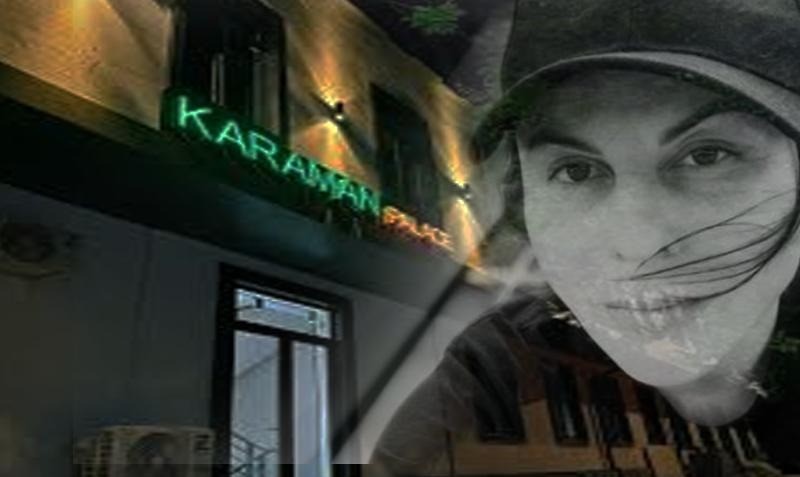
Russian journalist Inessa Papernaya, known for her work with lenta.ru and profile.ru, was found dead in a hotel in Tashkent, Uzbekistan, on October 20, 2024. The Times of Central Asia previously reported that Papernaya was vacationing in Uzbekistan and staying at the Karaman Palace Hotel with her companion, Maxim Radchenko. Hotel staff discovered their bodies after receiving no response during a package delivery. Another Uzbek citizen was also found dead in the bathroom of a separate hotel room. According to forensic medical examination reports, the deaths were caused by respiratory failure due to acute poisoning from carbon monoxide and hydrogen sulfide gases. Investigations revealed that the hotel's boilers, which had exceeded their service life, were the source of the carbon monoxide leakage. The boilers also had faulty condensate discharge systems and were improperly connected to the sewage system. A comprehensive forensic investigation conducted by the Republican Center of Forensic Expertise uncovered multiple issues with the hotel’s gas equipment. The boilers were found to be outdated and had been modified in ways that violated safety standards. Key modifications included the removal of the siphon in the condensate discharge system, which allowed the discharge pipe to connect directly to the sewage system, creating hazardous conditions for gas leakage. Additionally, the installation of the equipment did not adhere to technical and safety regulations, and the heating, ventilation, and air conditioning systems failed to meet the required standards, further increasing the risk of poisoning. In response to these findings, four individuals were arrested in connection with the fatalities. Khojakulov, the hotel owner, along with Jamoldinov and Yusupov, suppliers of the faulty boilers, and Kurbonov, the plumber responsible for the installation, face charges under Uzbekistan’s Criminal Code for providing unsafe equipment and services resulting in multiple deaths. The suspects remain in custody as legal proceedings continue.  
Kyrgyz Journalists Reject Japarov Criticism of Foreign Funding in the Media

Kyrgyzstan's President Sadyr Japarov has criticized the country's media for its willingness to accept foreign funding. American diplomats disagree with the government’s “accusations,” while local journalists pointed out that Kyrgyz media operates with the help of advertising and grants. Speaking at the recent People's Kurultai (Congress) in Bishkek, Japarov criticized several Kyrgyz media outlets for receiving foreign funding, accusing journalists of spreading false information. According to him, most Kyrgyz publications have foreign sponsors. Japarov claimed that journalists obey their "masters" and are therefore deprived of freedom of speech. The president also shared data on foreign funding received by some opposition media outlets and NGOs. “These funds are accounted for in reports only superficially. Their foreign sponsors say, ‘Yes, they are doing a good job.’ But what’s really happening? Here, they spread false information, look for negativity, and undermine the reputation of others. And when lawsuits are filed against them, they immediately claim it’s an attack on freedom of speech,” Japarov said. The president addressed the leadership of the U.S. State Department, stating that funds should be directed directly to Kyrgyz authorities. “We will ensure their effective use. Do you want to raise the level of journalism? We can do it. Do you want complete freedom of speech? We guarantee it,” Japarov emphasized. A few days later, the U.S. Embassy in Bishkek responded to the criticism. “In the field of journalism, our assistance is aimed at funding fact-checking programs, supporting Kyrgyz-language journalism, and assisting investigative journalists in uncovering violations, including corruption,” the diplomats said in a statement. The embassy emphasized its belief that independent media, which performs a watchdog role in society, is crucial for any government. In an interview with The Times of Central Asia, journalist Chynara Sydykova shared that grant support enabled her to implement several socio-cultural projects. “These projects helped us grow and become independent professionals in directing, producing, and project management. Finally, it allowed us to simply become journalists capable of working honestly, objectively, and professionally, covering topics of public interest,” Sydykova said. The investigative journalist noted that none of the grant providers interfered with the work process. However, Sydykova admitted that manipulations could occasionally occur. “Journalists shouldn’t cling to every visible opportunity to get funding. They need to build a reputation so that no one would even think of using them as an agent of influence. Thanks to my television projects, I provided real help to respondents in the areas of health and social injustice,” Sydykova added. Public figure and journalist Alisher Tashmatov told The Times of Central Asia that he takes a neutral stance on grants. According to him, the most important thing is that grants allocated by foreign institutions should not threaten Kyrgyzstan’s national security. “In Kyrgyzstan, media survives through advertising and grants. Only a few receive funding from the state. Moreover, even state-owned media occasionally receives financial assistance from foreign institutions and companies,” he noted, adding that criticism of the authorities should be well-founded.

Kazakhstan and Uzbekistan Intensify Efforts to Combat Disinformation

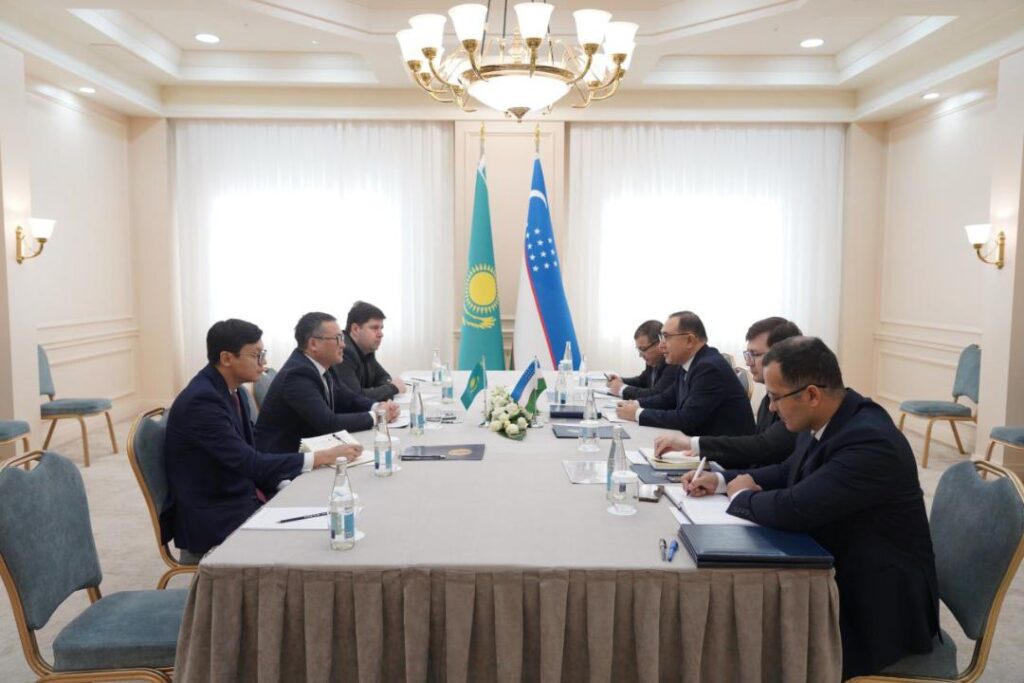
Kazakhstan and Uzbekistan have agreed to deepen their collaboration in the information sector, focusing on combating disinformation and fake news. The agreement was formalized during a meeting between representatives from Kazakhstan’s Ministry of Culture and Information and Uzbekistan’s Agency of Information and Mass Communications under the President’s Administration in Tashkent. A cooperation plan for 2025 was signed, covering several initiatives, including media content exchange, training programs for journalists and press secretaries, and support for young media professionals. This agreement builds on commitments made during Uzbek President Shavkat Mirziyoyev’s visit to Kazakhstan on August 8, when both nations adopted a joint statement on mass communication cooperation. Kazakhstan’s Ministry of Culture and Information emphasized the importance of establishing robust mechanisms to counter fake news and fostering media integration through collaborative projects. The meeting also highlighted plans to organize press tours aimed at enhancing journalistic expertise and strengthening professional ties. A key focus was the development of the Silk Way TV channel, presented by Robert Muradyan, Managing Director of Kazakhstan’s Presidential TV and Radio Complex. The channel is envisioned as a platform for expanding content exchange among Central Asian nations. Additionally, Kazakhstan’s delegation is participating in the VI meeting of ministers and officials responsible for media, hosted by the Organization of Turkic States from December 17 to 19. Both sides expressed their readiness to bolster cooperation, which they see as integral to achieving strategic goals in media development and countering information threats. Kazakhstan and Uzbekistan are proactively addressing the issue of disinformation through legislative and educational measures. In Kazakhstan, the dissemination of false information is punishable by administrative and criminal penalties, including fines or imprisonment of up to seven years, with the severity of the punishment determined by the level of harm caused. Uzbekistan has also taken significant steps. In September 2024, the First Uzbekistan-Azerbaijan Media Forum was held in Tashkent, where participants discussed cooperative efforts to combat disinformation and improve media literacy. Uzbekistan is also implementing projects to establish cooperative mechanisms in the media sphere and organize press tours for journalists to enhance their skills. Both nations recognize the critical importance of combating disinformation to maintain the integrity of their media landscapes. By prioritizing educational initiatives, international collaboration, and media literacy, Kazakhstan and Uzbekistan are taking meaningful steps to ensure a more informed and resilient public.

Euronews Expands Central Asian Presence with New Office in Astana

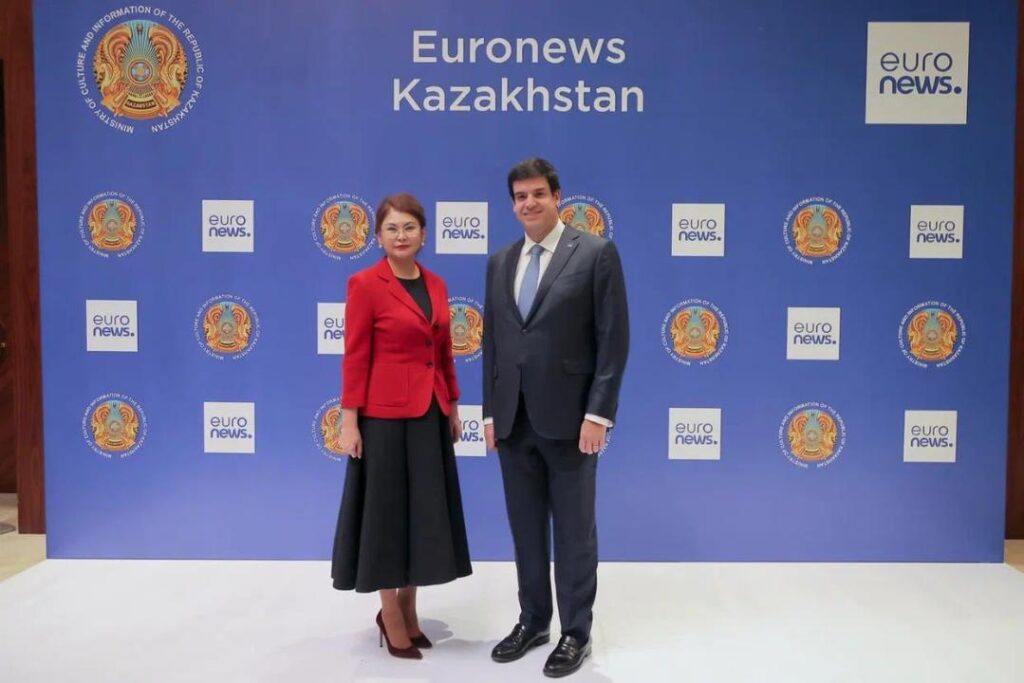
A regional office of the Euronews TV channel has opened in Astana, marking a significant milestone in promoting Kazakhstan internationally. Minister of Culture and Information Aida Balayeva described the development as an important step in showcasing the nation’s cultural heritage, tourism potential, and investment opportunities to a global audience. “The opening of the Euronews office will provide fresh momentum for popularizing Kazakh culture and serve as a platform for intercultural dialogue and innovative solutions,” Balayeva stated. Euronews has a history of collaboration with Kazakhstan, including its role as a media partner for the World Nomad Games held in Astana. The event’s broadcasts reached over 39 million viewers worldwide. Additionally, the channel has produced ten programs spotlighting Kazakhstan’s investment initiatives and cultural heritage. Euronews Chairman Pedro Vargas highlighted the channel’s commitment to narrating Kazakhstan's unique history - from the era of the Kazakh Khanate to its modern status as an independent Republic, which will celebrate 35 years of sovereignty next year. “We aim to inform global audiences about Kazakhstan’s culture, economy, and heritage by creating original TV shows and collaborating with local entrepreneurs and artists,” Vargas stated. A cornerstone of the collaboration is the Euronews Academy project, which will offer training and masterclasses for Kazakh journalists, enhancing the professional expertise of the nation’s media personnel. The channel is already developing 20 new initiatives, including the cultural and artistic program Modern Nomads, the business-focused East-West Connect, and the interview series, Voices from Central Asia.

Uzbekistan’s Economic Transformation and Future Goals Take Center Stage

Uzbekistan’s economic progress and future ambitions are in focus as the Indian magazine Business Central Asia dedicates its latest issue to the country’s development. Highlighting key points from President Shavkat Mirziyoyev’s address to the Legislative Chamber of the Oliy Majlis, the feature showcases Uzbekistan’s achievements and ambitious goals for the years ahead. The article highlights Uzbekistan’s remarkable economic transformation. Since the early 2000s, the country’s economy has doubled, surpassing the $100 billion mark. By 2024, per capita income is expected to reach $3,000, while exports have grown to exceed $25 billion for the first time. Gold and foreign exchange reserves have also seen substantial growth, surpassing $40 billion. Looking to the future, the Uzbekistan-2030 strategy outlines ambitious targets to further accelerate economic growth. The plan envisions increasing GDP to $160 billion, with a projected $110 billion milestone this year. If current growth rates are sustained, Uzbekistan’s economy could reach $200 billion by 2030, significantly improving living standards and the overall quality of life for its citizens. Ensuring macroeconomic stability is a key priority in the government’s roadmap. Over the next five years, Uzbekistan aims to sustain annual growth of 6-7%, expand the private sector’s share of the economy to 85%, and launch large-scale public-private partnership projects. The feature also emphasizes Uzbekistan’s long-term economic resilience. According to the World Bank, the country is poised to rank among the top three fastest-growing economies in Europe and Central Asia in 2024, further validating its development strategy. Uzbekistan’s leadership remains committed to maintaining growth momentum while addressing structural reforms. With a strong focus on sustainable development, the government’s policies aim to enhance economic opportunities and ensure inclusive growth for all segments of the population.

Russian Journalist Pivovarov Detained After Filming Cotton Fields in Karakalpakstan

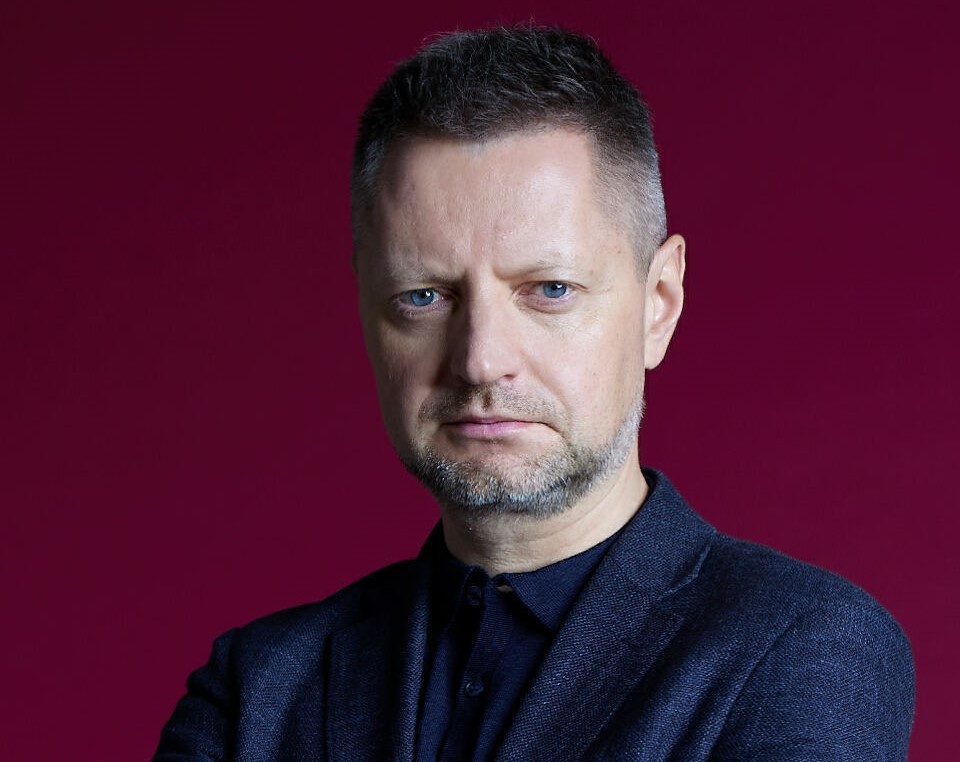
Alexey Pivovarov, a Russian journalist and YouTuber, was detained in Nukus, the capital of the autonomous Uzbek republic of Karakalpakstan. He was questioned by authorities along with the photography team for his project, Redaktsiya (Editorial), and Feride Makhsetova, a journalist from the local news portal Hook. Their arrest was initially reported by Hook. The journalists were detained "for an interview", supposedly following a complaint by an unidentified citizen. Authorities confiscated the visual material collected by the team, who, according to Pivovarov on his Telegram channel, had been filming in one of the region's cotton fields. The Karakalpakstan branch of the Agency for Information and Mass Communications claimed that the detentions occurred because the journalists were not accredited by the Ministry of Foreign Affairs. Later, Pivovarov, Makhsetova, and their team were released by the Nukus Department of Internal Affairs. They subsequently traveled to Tashkent without the materials they had filmed in Karakalpakstan. The Russian Embassy in Uzbekistan addressed the incident, stating that it had contacted Uzbekistan’s Ministry of Foreign Affairs and would provide support to the Russian citizens involved. In a message on his Telegram channel, Pivovarov described the officials in Nukus as “friendly and polite.”