
• KGS/USD = 0.01143 0%
  • KZT/USD = 0.00200 0%
  • TJS/USD = 0.10593 -0.19%
  • UZS/USD = 0.00008 0%
  • TMT/USD = 0.28575 0%
  • KGS/USD = 0.01143 0%
  • KZT/USD = 0.00200 0%
  • TJS/USD = 0.10593 -0.19%
  • UZS/USD = 0.00008 0%
  • TMT/USD = 0.28575 0%
  • KGS/USD = 0.01143 0%
  • KZT/USD = 0.00200 0%
  • TJS/USD = 0.10593 -0.19%
  • UZS/USD = 0.00008 0%
  • TMT/USD = 0.28575 0%
  • KGS/USD = 0.01143 0%
  • KZT/USD = 0.00200 0%
  • TJS/USD = 0.10593 -0.19%
  • UZS/USD = 0.00008 0%
  • TMT/USD = 0.28575 0%
  • KGS/USD = 0.01143 0%
  • KZT/USD = 0.00200 0%
  • TJS/USD = 0.10593 -0.19%
  • UZS/USD = 0.00008 0%
  • TMT/USD = 0.28575 0%
  • KGS/USD = 0.01143 0%
  • KZT/USD = 0.00200 0%
  • TJS/USD = 0.10593 -0.19%
  • UZS/USD = 0.00008 0%
  • TMT/USD = 0.28575 0%
  • KGS/USD = 0.01143 0%
  • KZT/USD = 0.00200 0%
  • TJS/USD = 0.10593 -0.19%
  • UZS/USD = 0.00008 0%
  • TMT/USD = 0.28575 0%
  • KGS/USD = 0.01143 0%
  • KZT/USD = 0.00200 0%
  • TJS/USD = 0.10593 -0.19%
  • UZS/USD = 0.00008 0%
  • TMT/USD = 0.28575 0%
22 February 2026

Viewing results 1 - 6 of 6

Kyrgyzstan Shutters April TV as President Signs New Media Law

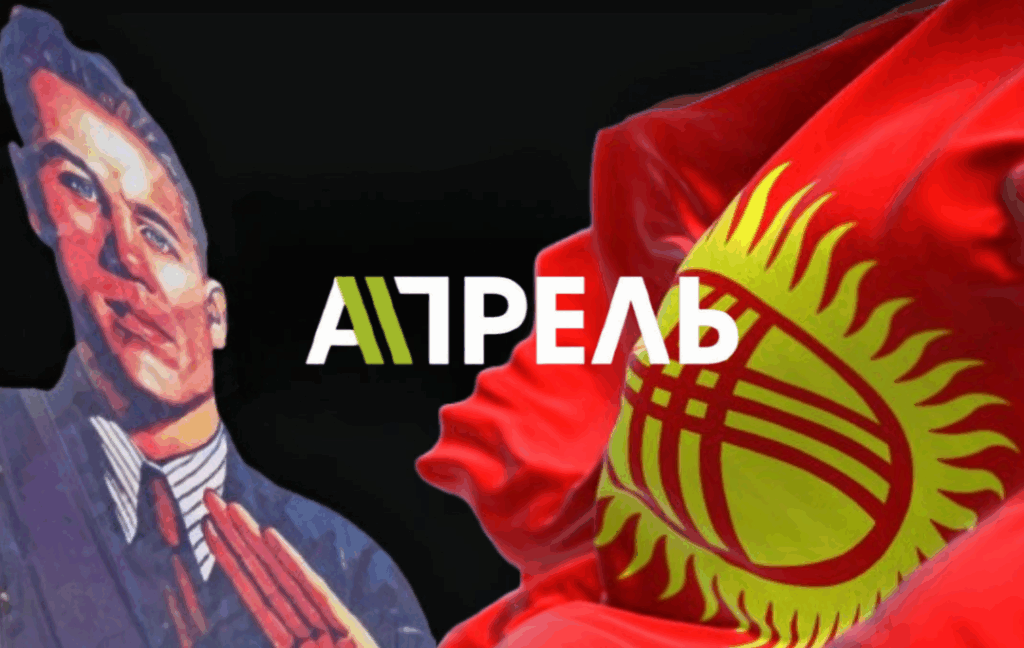
A district court in Bishkek has ordered the liquidation of April TV, one of Kyrgyzstan’s few remaining independent broadcasters, intensifying what some observers are calling an ongoing campaign to silence dissenting voices in the country’s media landscape. The decision, handed down by the Oktyabr District Court on July 9, followed a lawsuit brought by state prosecutors who alleged that the broadcaster's content was “biased, one-sided, destructive and manipulative,” and posed a threat to the constitutional order. In a related development, on July 11, President Sadyr Japarov signed a new law clamping down on media freedom into force. In the district court, prosecutors argued that April TV’s content risked inciting mass unrest and undermining the authority of the state. The court’s ruling cited assessments conducted by the State Committee for National Security (GKNB), which claimed that the broadcaster’s video reports negatively influenced public opinion, insulted government officials, and could provoke calls for the seizure of power. Over the past two years, President Japarov's administration claims to have successfully thwarted several attempted coups and assassination plots targeting high-ranking officials. These incidents, according to the government, highlight ongoing challenges to political stability in Kyrgyzstan, which has framed its efforts as critical to ensuring the country’s continued progress amidst a complex regional and domestic landscape. In addition to terminating April TV’s legal status, the court also authorized the blocking of its online platforms and affiliated channels, including the popular YouTube-based partner channel Next TV. Editor-in-chief of April TV, Dmitriy Lozhnikov, rejected the government’s claims, defending the station’s critical tone and stating that “criticizing the government isn’t a crime, but one of the core functions of the press.” In a final message before going offline, the outlet declared it was taking “a vacation from which [we] might never return.” At least ten current and former staff members of April TV were summoned for questioning by the GKNB as part of a broader criminal probe. No specific charges have been disclosed. The closure of April TV mirrors actions taken against other prominent independent outlets in Kyrgyzstan over the past two years. In February 2024, a Bishkek court approved the liquidation of Kloop, a media organization known for its investigative reporting on corruption – a ruling later upheld by the Supreme Court. The authorities claimed that its charter did not permit Kloop to engage in journalism, and objected to what they described as the “negative tone” of its reporting. In late May, the security forces conducted coordinated raids on the homes of eight current and former Kloop employees in Bishkek and Osh — detaining two on charges of “public calls for mass unrest” and compelling the others to sign non-disclosure agreements. Kloop has relocated its operations abroad, maintaining access to its content in Kyrgyzstan through mirror sites and launching a new podcast studio in Georgia. Despite mounting pressure, the outlet’s leadership remains defiant, vowing to continue producing the “most incisive investigations, the most objective news, and the boldest commentary.” In a similar vein, the investigative media outlet Temirov...

Kyrgyzstan’s Parliament Advances Restrictive Version of Media Law

Kyrgyzstan’s parliament has ignored more than two years of work by a special commission and adopted a new media law that preserves restrictions on the registration of media outlets. The version parliament passed in its second and third readings on June 25 requires the mandatory registration of all media outlets, including online publications. The Cabinet of Ministers is given exclusive powers to determine the procedure for registration, re-registration, and the termination of media activities. Back to Square One? There were strong objections from media freedom and rights groups to the mandatory registration of media outlets, including online sites, when the draft bill was introduced nearly three years ago. Since Sadyr Japarov was elected president in January 2021, pressure on independent media outlets has been building. The presidential administration said Kyrgyzstan’s current media law, which dates back to 1992, was outdated, and submitted a draft of a new media law in September 2022. International and domestic criticism was so strong that the bill was withdrawn, and eventually, a commission with representatives of the media community, including independent media outlets, the government, civil society, and legal experts, was formed. The draft just approved by parliament was the sixth version of the bill, and, until June 16, it stated that registration for media outlets would be voluntary. On June 16, however, when the Kyrgyz parliament’s Committee on Social Policy was reviewing the bill, four Members of Parliament, Aibek Matkerimov, Ilimbek Kubanychbekov, Ernis Aidaraliev, and Sovetbek Rustambek uulu, introduced amendments. One of these changes removed voluntary registration for media outlets and replaced that with a clause specifying that a media outlet could only disseminate information after its registration with the Justice Ministry had been confirmed. The Media Action Platform of Kyrgyzstan, a coalition of media outlets and journalists, complained that the changes introduced by the four deputies negated those that had already been reached after negotiations. The Media Action Platform of Kyrgyzstan also questioned why deputies “who did not participate in the working group, were not present at the parliamentary hearings, and have no professional relationship with the media sphere,” were allowed to propose those amendments. These objections were apparently ignored when deputies voted on June 25. The Fate of Foreign-Sponsored Media Another of the changes from the four deputies stated, “a foreign citizen, stateless person, or foreign legal entity, as well as companies with more than 35% foreign participation, cannot act as founders of media and television organizations.” That replaces an article in the earlier text that set foreign participation at 50% or more and said only that they “cannot be founders of television organizations.” There are some 2,740 media outlets registered in Kyrgyzstan, and only a handful receive more than 35% of their funding from foreign sources. One is Radio Azattyk, the Kyrgyz service of the U.S. congressionally-funded Radio Free Europe/Radio Liberty (RFERL). Most of Kyrgyzstan’s presidents have expressed a dislike of Azattyk at one time or another, though the outlet continues to enjoy popularity in Kyrgyzstan according to various surveys. President Japarov has made his views...

Activists in Almaty and Kostanai Fined for Protests Supporting Temirlan Yensebek

Courts in Almaty and Kostanai have fined activists who held solitary protests supporting detained satirist Temirlan Yensebek. Each activist was ordered to pay 196,600 KZT (approximately $371). In Almaty, journalist Akmaral Dzhakibayeva was detained by police after staging a protest in front of the State Academic Opera and Ballet Theater. She held a placard reading "Satire is not a crime" for 25 minutes before being taken away by officers. Dzhakibayeva’s protest was not only in support of Yensebek but also dedicated to journalists previously arrested for similar demonstrations. On the same day in Kostanai, activist Sergey Zinchenko was detained after holding a protest in front of the Kazakh Drama Theater. Like Dzhakibayeva, he displayed a poster with the same message: "Satire is not a crime." Temirlan Yensebek, the creator of the satirical platform Qaznews24, was arrested on January 17. The following day, a court ordered him to be held in custody for two months as part of an investigation into charges of “inciting interethnic discord.” This charge carries penalties ranging from fines and restricted freedom to imprisonment of two to seven years. Previously, journalists Asem Zhapisheva and Ruslan Biketov were also arrested in Almaty for 15 days after participating in solitary protests supporting Yensebek. Yensebek’s detention has sparked widespread public criticism. Members of the journalistic community and broader society have condemned the actions against him, calling for greater protections for freedom of speech and the right to peaceful protest.

Kyrgyzstan’s Culture Ministry Wants to Fine People for Spreading “Disinformation” Online

Kyrgyzstan's Ministry of Culture, Information, Sports, and Youth Policy has proposed issuing fines to people who promote 'disinformation' online. According to the proposed amendments to the Code of Administrative Offenses, citizens who are found to have spread false information through media, websites, or social networks could be fined up to 100,000 KGS (about $1,200). For legal entities, the amount will be 200,000 KGS (about $2,400). The ministry emphasized that in recent years there has been an increase in cases where false information on the internet has led to conflicts and a deterioration in public sentiment. However, this has sparked debate in society and among human rights activists, who fear that such measures could limit freedom of expression and lead to the control of journalists and internet users. The ministry had previously proposed other amendments, which would allow fines to be imposed for libel and slander in the media and online.
