• KGS/USD = 0.01143 0%
  • KZT/USD = 0.00205 0%
  • TJS/USD = 0.10433 0.1%
  • UZS/USD = 0.00008 0%
  • TMT/USD = 0.28577 0%
  • KGS/USD = 0.01143 0%
  • KZT/USD = 0.00205 0%
  • TJS/USD = 0.10433 0.1%
  • UZS/USD = 0.00008 0%
  • TMT/USD = 0.28577 0%
  • KGS/USD = 0.01143 0%
  • KZT/USD = 0.00205 0%
  • TJS/USD = 0.10433 0.1%
  • UZS/USD = 0.00008 0%
  • TMT/USD = 0.28577 0%
  • KGS/USD = 0.01143 0%
  • KZT/USD = 0.00205 0%
  • TJS/USD = 0.10433 0.1%
  • UZS/USD = 0.00008 0%
  • TMT/USD = 0.28577 0%
  • KGS/USD = 0.01143 0%
  • KZT/USD = 0.00205 0%
  • TJS/USD = 0.10433 0.1%
  • UZS/USD = 0.00008 0%
  • TMT/USD = 0.28577 0%
  • KGS/USD = 0.01143 0%
  • KZT/USD = 0.00205 0%
  • TJS/USD = 0.10433 0.1%
  • UZS/USD = 0.00008 0%
  • TMT/USD = 0.28577 0%
  • KGS/USD = 0.01143 0%
  • KZT/USD = 0.00205 0%
  • TJS/USD = 0.10433 0.1%
  • UZS/USD = 0.00008 0%
  • TMT/USD = 0.28577 0%
  • KGS/USD = 0.01143 0%
  • KZT/USD = 0.00205 0%
  • TJS/USD = 0.10433 0.1%
  • UZS/USD = 0.00008 0%
  • TMT/USD = 0.28577 0%

Viewing results 1 - 6 of 19

More Doctors in Tajikistan, but Shortages Persist

Despite a modest increase in the number of healthcare professionals, Tajikistan continues to face a significant shortage of medical personnel, particularly in rural regions. Authorities are hoping to bridge the gap through the recruitment of medical school graduates and the redistribution of existing specialists. At a press conference on January 28, Minister of Health and Social Protection Jamoliddin Abdullozoda reported that as of early 2026, there were 22,419 doctors and 64,909 mid-level medical personnel working in the country’s healthcare system. These figures represent a year-on-year increase of 1.9% and 2.3%, respectively. However, the staffing deficit remains unresolved. Tajikistan currently lacks 1,432 medical specialists. According to ministry estimates, the staffing rate for doctors stands at 94.3%, while for mid-level personnel it is 99.7%. These figures reflect slight improvements over the previous year, up 0.8% and 0.1%, respectively. The shortage is unevenly distributed across the country. In July 2025, the minister had noted a shortfall of 1,600 specialists for the first half of the year, indicating a reduction of nearly 170 positions in the latter half. Nevertheless, the situation remains critical in remote and underserved areas. Abdullozoda highlighted acute shortages in family medicine, as well as in the specialties of narcology, phthisiology, and radiology. In some regions, there is also a lack of gynecologists and surgeons. To address immediate needs, the ministry has compiled lists of district-level doctors who will be deployed to remote areas on a rotating basis. Authorities are also promoting personnel retraining to fill urgent gaps. “We are proposing that regions with shortages – for instance, if they lack radiologists – receive specialists from related fields such as surgery or traumatology. These doctors will undergo advanced training and then serve where they are most needed,” the minister explained. In the long term, the government plans to solve the shortage by mobilizing young professionals. According to Abdullozoda, if at least 50% of medical school graduates begin working in their field of study, the staffing issue could be resolved. The total number of students in medical universities reached 26,911 in 2026, an increase of 2,738 over the previous year. Enrolments in medical colleges also saw significant growth, with 80,000 students in the 2025–2026 academic year, up from 72,760 the year before.
Kyrgyzstan Reduces Working Hours for Certain Professions

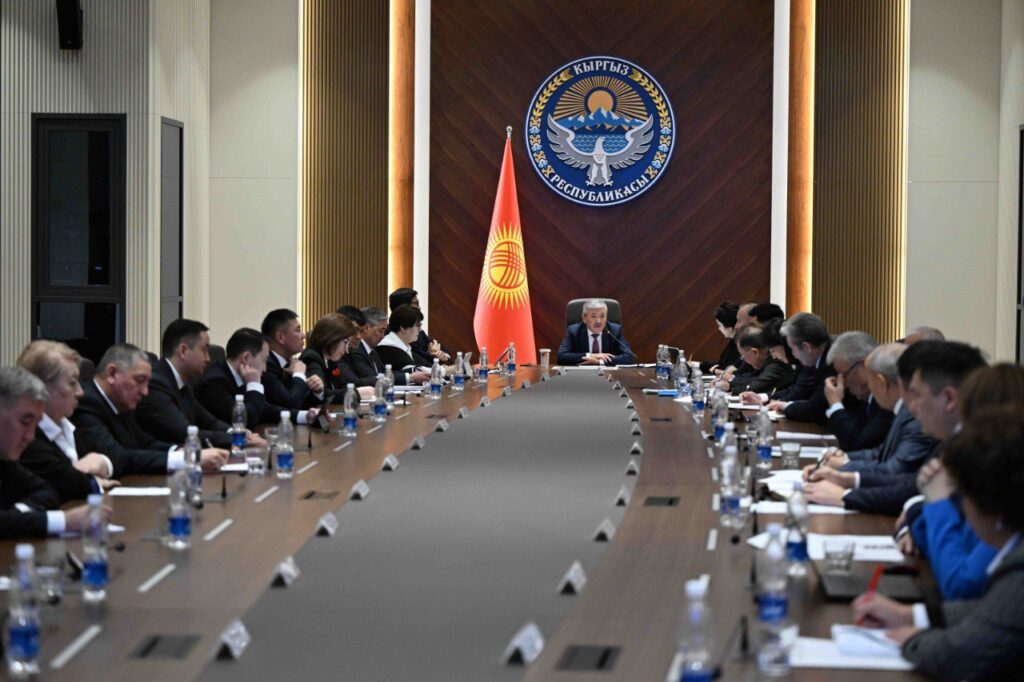
The Kyrgyz government has approved a new list of worker categories subject to “special working conditions,” for whom reduced working hours will now be implemented. According to the official decree, the measure aims to formally regulate the working time of employees in high-stress or hazardous roles, taking into account the specific nature of their professional duties. The order applies to over 100 professions across healthcare, sanitary and epidemiological control, pharmaceuticals, diagnostic and laboratory services, as well as social and educational institutions. Under the new regulations, many employees in these fields will see their workday reduced to five or six hours, depending on their role and workplace conditions. Medical professions associated with elevated occupational risks received particular attention in the drafting of the list. Among the affected are personnel working with infectious diseases, psychiatric and tuberculosis patients, emergency medical services, pathology departments, and morgues. The list also includes laboratory specialists handling dangerous pathogens or toxic substances, as well as those exposed to ionizing radiation or radioactive materials. Special provisions have been made for medical workers involved in gamma therapy and experimental gamma irradiation. For these roles, the government has set a maximum working day of four hours, the shortest among all categories covered by the regulation.

Doctors in Kyrgyzstan to Receive Double Salaries and Subsidized Housing

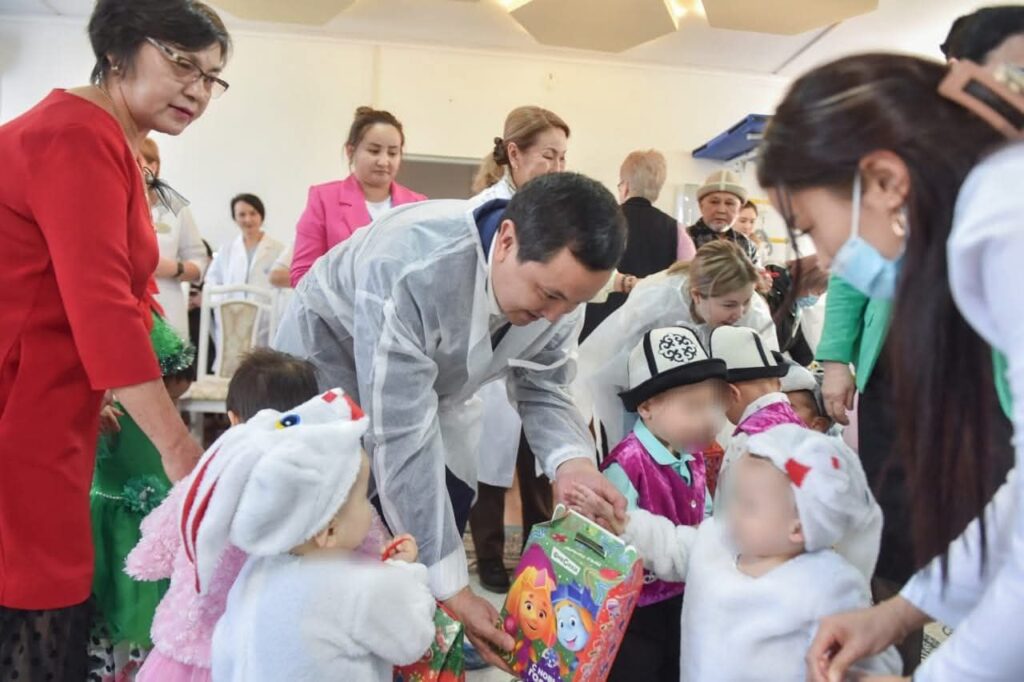
The Kyrgyz government plans to significantly expand social support for medical workers. According to Health Minister Kanybek Dosmambetov, beginning in April 2026, all doctors across the country will receive a 100% salary increase. In addition, 5,000 mortgage apartments will be provided to medical personnel on a priority basis, bypassing the general housing queue. Dosmambetov announced these measures during visits to the oncology and oncohematology departments of the National Center for Maternal and Child Health and the Center for Child Rehabilitation and Family Support in Bishkek, where he extended New Year greetings to patients and medical staff. Beyond the upcoming salary hike, medical professionals can already benefit from the state mortgage program, which offers access to housing at subsidized interest rates without the standard waiting period. These initiatives, according to the minister, aim to retain skilled personnel in the healthcare sector and enhance the overall appeal of the medical profession. “The ministry has been tasked with effectively reforming the healthcare system, establishing sustainable and transparent mechanisms for its operation, upgrading medical infrastructure, developing maternal and child healthcare, and strengthening public health and disease prevention services,” Dosmambetov said. He added that the coming period will be pivotal for Kyrgyzstan’s healthcare system. Government priorities include establishing a seamless supply chain for affordable, high-quality medicines, ensuring equitable operating conditions for private medical institutions, and reinforcing management discipline and accountability at all administrative levels. Particular attention will also be paid to the adoption of digital technologies aimed at increasing the transparency and accessibility of healthcare services and laying the groundwork for further structural reforms.

Kazakhstan Increases Criminal Penalties for Attacks on Medical Workers

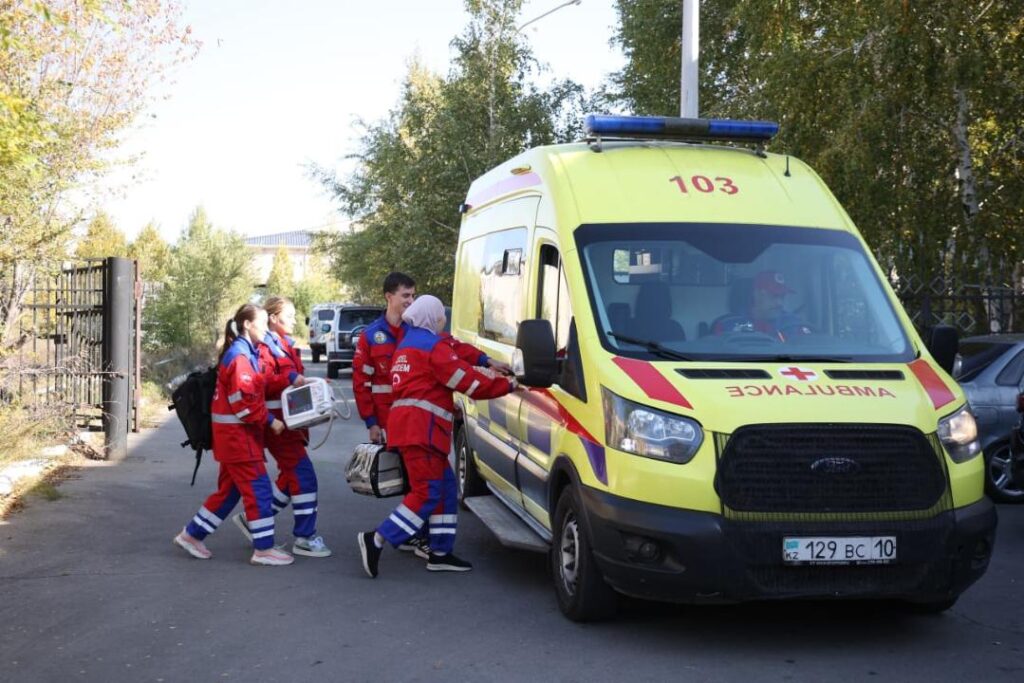
Kazakhstan’s Mazhilis (lower house of parliament) has approved amendments to the Criminal and Criminal Procedure Codes aimed at strengthening penalties for violence and threats against medical personnel, including doctors, paramedics, and ambulance drivers, while on duty. The legislation introduces a new article establishing specific criminal liability for actions that endanger the life, health, and safety of medical workers. The law also defines penalties based on the severity of the offense. For threats of violence, penalties include: A fine of 200 to 500 monthly calculation indices (MCI), with 1 MCI currently equivalent to $7.66; Or corrective labor in the same amount; Or community service for up to 300 hours; Or restriction or deprivation of liberty for up to 2 years. If the threats occur under aggravating circumstances, the punishment increases to 2-3 years of restricted freedom or imprisonment. For acts of violence not posing a risk to life or health, penalties include: A fine of 500 to 1,000 MCI; Or corrective labor; Or community service for up to 600 hours; Or restriction or deprivation of liberty for 2-3 years. The most serious offenses, violence that endangers life or health, carry prison sentences of 5 to 10 years. If aggravating factors are present, the term increases to 7 to 12 years. The amendments also clarify the jurisdiction of internal affairs bodies, granting them authority to conduct preliminary investigations and inquiries into cases involving attacks on medical workers. According to the Ministry of Health, more than 280 assaults on healthcare personnel have been recorded in Kazakhstan since 2019. In tandem with the legal changes, the government is expanding protective measures. Round-the-clock police posts have been established at 152 hospitals nationwide. In Astana and Almaty, a pilot project has equipped 10 ambulance teams with smart video badges. The Ministry of Health reports that these devices have helped reduce conflicts with patients by 90%. In July, The Times of Central Asia reported that Kazakhstan’s health minister had demanded an end to violence against medical workers, saying attacks on doctors and ambulance crews had crossed a “red line” and threatened the safety of the profession.

Kazakhstan Faces Deepening Medical Personnel Shortage Amid Rising Emigration

Kazakhstan continues to grapple with a severe shortage of medical personnel, a crisis intensified by the steady emigration of specialists. According to First Deputy Minister of Health Timur Sultangaziev, there are currently around 9,000 unfilled positions across the country, approximately 4,000 for doctors and over 5,000 for mid-level healthcare workers. Speaking during a session of the Mazhilis, Kazakhstan’s lower house of parliament, Sultangaziev reported that roughly 2,500 medical professionals have left the country over the past five years. “There is an outflow of medical personnel from the healthcare system to foreign countries,” he said. Sultangaziev cited inadequate compensation as the primary factor driving this exodus. In response, the government has allocated an additional $9.6 million this year to raise salaries for public emergency medical service employees. The Health Ministry is currently evaluating a further salary increase estimated at $19.2 million, though a final decision has yet to be made. The parliamentary session also focused on proposed legislation to increase penalties for violence against medical workers. MP Askhat Aimagambetov noted that 280 such incidents have been officially recorded in the past five years, but suggested the real number is much higher. Many medical professionals reportedly choose not to report assaults, fearing retaliation or loss of work hours. The draft bill includes a new article in the Criminal Code, introducing special legal status for “medical workers” and “ambulance drivers", and stipulating harsher penalties for violent offenses. Aimagambetov compared the proposed sanctions to those for attacks on gamekeepers, which carry a maximum sentence of 12 years’ imprisonment. “If a hooligan breaks the finger of an ordinary citizen, it’s moderate harm. If he breaks a surgeon’s finger, it’s a disaster. Thousands of operations may be cancelled because of one broken finger,” Aimagambetov said, emphasizing the vulnerability of ambulance staff, who must respond to emergency calls without regard to risk. The final version of the bill outlines penalties including fines, correctional or community service, or up to three years’ restriction or deprivation of liberty for non-life-threatening violence. In cases involving aggravating circumstances, the punishment increases to 3-7 years. Life-threatening or severe injuries could result in 5-10 years’ imprisonment, or 7-12 years under aggravating conditions. As previously reported by The Times of Central Asia, Kazakhstan has already begun implementing additional protective measures for medical personnel. In the summer, authorities announced plans to equip ambulance staff with body cameras in response to the rising number of assaults on healthcare workers.

Medical Staff in Turkmenistan Resign En Masse Over Extortion to Avoid Picking Cotton

Hospitals and clinics in the Turkmen city of Turkmenabat are facing a growing staffing crisis as doctors and nurses resign en masse in protest over extortionate cash demands, particularly those tied to the annual cotton harvest. Efforts by local authorities to ease the burden have so far proven ineffective. According to sources cited by Chronicles of Turkmenistan, three family nurses recently resigned from Turkmenabat City Clinic No. 2, leaving just 11 nursing staff at the facility. Their responsibilities have since been redistributed among remaining colleagues, nearly doubling individual workloads, while salaries have only risen by 30%. The added pressure has led many remaining staff to consider resigning as well. Similar developments are unfolding at other clinics across the city. One doctor and two nurses have left Polyclinic No. 5, while multiple specialists have exited Polyclinics No. 3 and No. 4. The primary cause, according to local healthcare workers, is systematic extortion, most notably mandatory contributions for cotton harvesting. In September, Turkmenistan’s Ministry of Health reportedly issued a directive requiring medical personnel to participate in the cotton campaign. Employees in the Lebap region were assigned daily quotas to pick 45 kilograms of cotton. At both the new multidisciplinary hospital and the infectious diseases hospital in Turkmenabat, medical staff have been dispatched to the fields immediately after completing night shifts. Those unwilling or unable to comply must pay for a substitute picker, at a rate of 50 manats (approximately $14.30) per day. In practice, the burden of physical labor during this period often falls on staff nearing retirement age. One doctor at the infectious diseases hospital revealed that up to two-thirds of some employees’ monthly salaries are spent hiring replacement pickers during the cotton season. “Not everyone can work in the fields after a full shift, but everyone is expected to pay. That’s why many simply quit,” he said. In an attempt to stem the exodus, clinic administrators reduced the daily contribution for hiring workers from 50 to 30 manats (around $8.50) in mid-October. However, sources told Chronicles of Turkmenistan that the adjustment has done little to stop the resignations. Chief physicians have been trying to rehire former employees and bring retirees back into service, but interest remains low. As workloads increase and staff numbers dwindle, the quality of medical care continues to deteriorate.