• KGS/USD = 0.01144 0%
  • KZT/USD = 0.00198 0%
  • TJS/USD = 0.10857 -0.18%
  • UZS/USD = 0.00008 0%
  • TMT/USD = 0.28571 0%
  • KGS/USD = 0.01144 0%
  • KZT/USD = 0.00198 0%
  • TJS/USD = 0.10857 -0.18%
  • UZS/USD = 0.00008 0%
  • TMT/USD = 0.28571 0%
  • KGS/USD = 0.01144 0%
  • KZT/USD = 0.00198 0%
  • TJS/USD = 0.10857 -0.18%
  • UZS/USD = 0.00008 0%
  • TMT/USD = 0.28571 0%
  • KGS/USD = 0.01144 0%
  • KZT/USD = 0.00198 0%
  • TJS/USD = 0.10857 -0.18%
  • UZS/USD = 0.00008 0%
  • TMT/USD = 0.28571 0%
  • KGS/USD = 0.01144 0%
  • KZT/USD = 0.00198 0%
  • TJS/USD = 0.10857 -0.18%
  • UZS/USD = 0.00008 0%
  • TMT/USD = 0.28571 0%
  • KGS/USD = 0.01144 0%
  • KZT/USD = 0.00198 0%
  • TJS/USD = 0.10857 -0.18%
  • UZS/USD = 0.00008 0%
  • TMT/USD = 0.28571 0%
  • KGS/USD = 0.01144 0%
  • KZT/USD = 0.00198 0%
  • TJS/USD = 0.10857 -0.18%
  • UZS/USD = 0.00008 0%
  • TMT/USD = 0.28571 0%
  • KGS/USD = 0.01144 0%
  • KZT/USD = 0.00198 0%
  • TJS/USD = 0.10857 -0.18%
  • UZS/USD = 0.00008 0%
  • TMT/USD = 0.28571 0%
05 December 2025

Viewing results 1 - 6 of 7

Kazakhstan Faces Deepening Medical Personnel Shortage Amid Rising Emigration

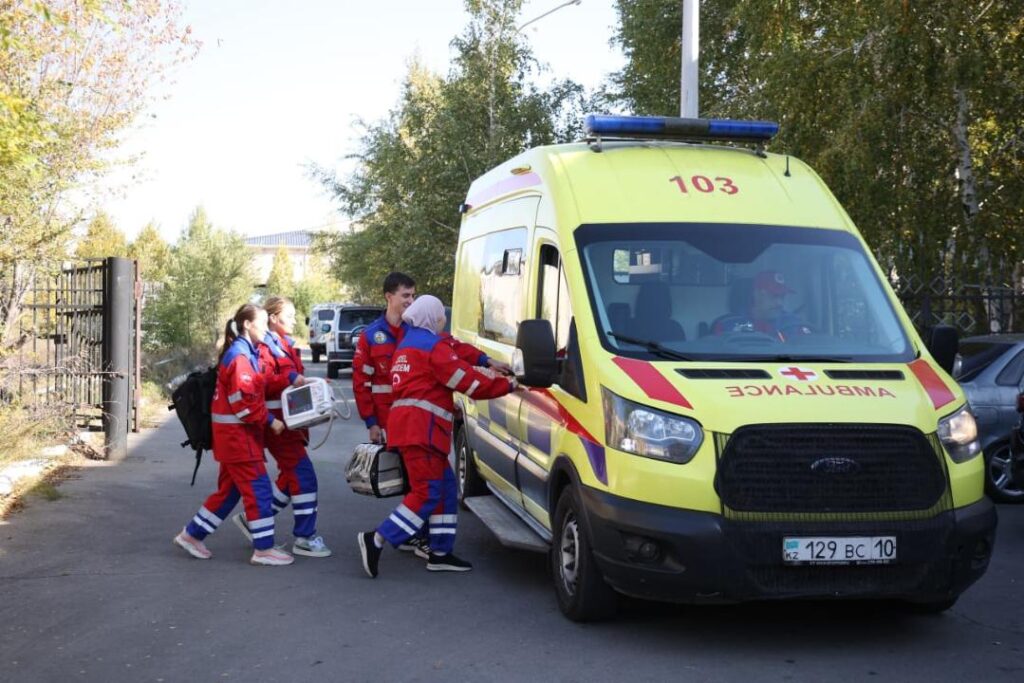
Kazakhstan continues to grapple with a severe shortage of medical personnel, a crisis intensified by the steady emigration of specialists. According to First Deputy Minister of Health Timur Sultangaziev, there are currently around 9,000 unfilled positions across the country, approximately 4,000 for doctors and over 5,000 for mid-level healthcare workers. Speaking during a session of the Mazhilis, Kazakhstan’s lower house of parliament, Sultangaziev reported that roughly 2,500 medical professionals have left the country over the past five years. “There is an outflow of medical personnel from the healthcare system to foreign countries,” he said. Sultangaziev cited inadequate compensation as the primary factor driving this exodus. In response, the government has allocated an additional $9.6 million this year to raise salaries for public emergency medical service employees. The Health Ministry is currently evaluating a further salary increase estimated at $19.2 million, though a final decision has yet to be made. The parliamentary session also focused on proposed legislation to increase penalties for violence against medical workers. MP Askhat Aimagambetov noted that 280 such incidents have been officially recorded in the past five years, but suggested the real number is much higher. Many medical professionals reportedly choose not to report assaults, fearing retaliation or loss of work hours. The draft bill includes a new article in the Criminal Code, introducing special legal status for “medical workers” and “ambulance drivers", and stipulating harsher penalties for violent offenses. Aimagambetov compared the proposed sanctions to those for attacks on gamekeepers, which carry a maximum sentence of 12 years’ imprisonment. “If a hooligan breaks the finger of an ordinary citizen, it’s moderate harm. If he breaks a surgeon’s finger, it’s a disaster. Thousands of operations may be cancelled because of one broken finger,” Aimagambetov said, emphasizing the vulnerability of ambulance staff, who must respond to emergency calls without regard to risk. The final version of the bill outlines penalties including fines, correctional or community service, or up to three years’ restriction or deprivation of liberty for non-life-threatening violence. In cases involving aggravating circumstances, the punishment increases to 3-7 years. Life-threatening or severe injuries could result in 5-10 years’ imprisonment, or 7-12 years under aggravating conditions. As previously reported by The Times of Central Asia, Kazakhstan has already begun implementing additional protective measures for medical personnel. In the summer, authorities announced plans to equip ambulance staff with body cameras in response to the rising number of assaults on healthcare workers.

Medical Staff in Turkmenistan Resign En Masse Over Extortion to Avoid Picking Cotton

Hospitals and clinics in the Turkmen city of Turkmenabat are facing a growing staffing crisis as doctors and nurses resign en masse in protest over extortionate cash demands, particularly those tied to the annual cotton harvest. Efforts by local authorities to ease the burden have so far proven ineffective. According to sources cited by Chronicles of Turkmenistan, three family nurses recently resigned from Turkmenabat City Clinic No. 2, leaving just 11 nursing staff at the facility. Their responsibilities have since been redistributed among remaining colleagues, nearly doubling individual workloads, while salaries have only risen by 30%. The added pressure has led many remaining staff to consider resigning as well. Similar developments are unfolding at other clinics across the city. One doctor and two nurses have left Polyclinic No. 5, while multiple specialists have exited Polyclinics No. 3 and No. 4. The primary cause, according to local healthcare workers, is systematic extortion, most notably mandatory contributions for cotton harvesting. In September, Turkmenistan’s Ministry of Health reportedly issued a directive requiring medical personnel to participate in the cotton campaign. Employees in the Lebap region were assigned daily quotas to pick 45 kilograms of cotton. At both the new multidisciplinary hospital and the infectious diseases hospital in Turkmenabat, medical staff have been dispatched to the fields immediately after completing night shifts. Those unwilling or unable to comply must pay for a substitute picker, at a rate of 50 manats (approximately $14.30) per day. In practice, the burden of physical labor during this period often falls on staff nearing retirement age. One doctor at the infectious diseases hospital revealed that up to two-thirds of some employees’ monthly salaries are spent hiring replacement pickers during the cotton season. “Not everyone can work in the fields after a full shift, but everyone is expected to pay. That’s why many simply quit,” he said. In an attempt to stem the exodus, clinic administrators reduced the daily contribution for hiring workers from 50 to 30 manats (around $8.50) in mid-October. However, sources told Chronicles of Turkmenistan that the adjustment has done little to stop the resignations. Chief physicians have been trying to rehire former employees and bring retirees back into service, but interest remains low. As workloads increase and staff numbers dwindle, the quality of medical care continues to deteriorate.

Kazakhstan to Increase Penalties for Attacks on Medical Workers

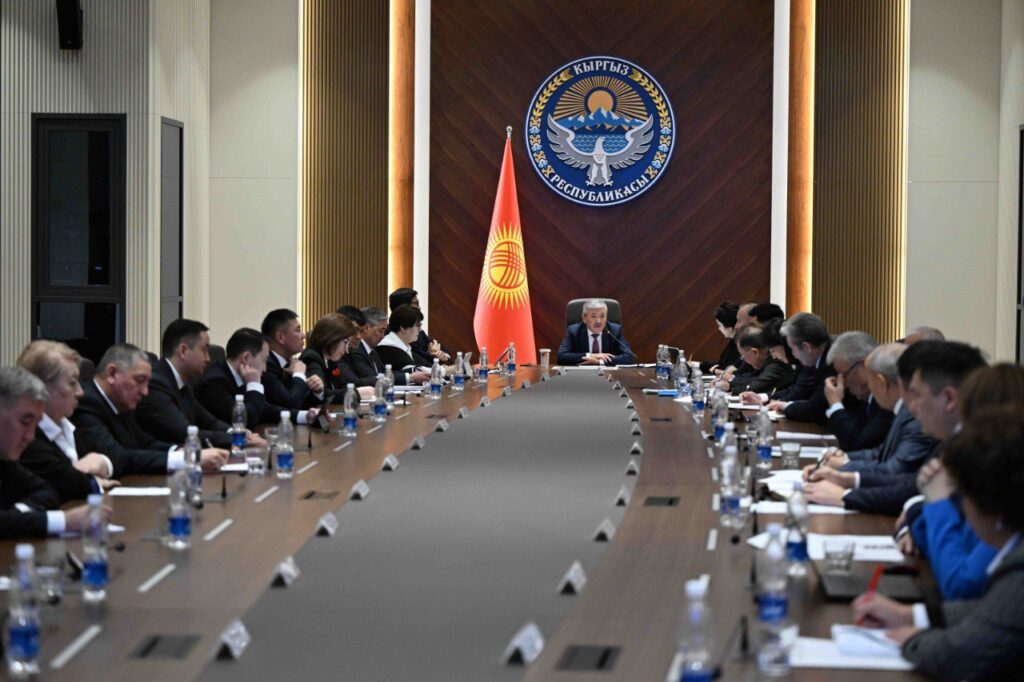
Kazakhstan is preparing legislative amendments that will significantly increase criminal liability for violence against medical personnel, equating such offenses with attacks on law enforcement officers. The initiative follows a directive from President Kassym-Jomart Tokayev, who urged the government to take stronger action to protect medical staff amid a growing number of violent incidents. At a recent meeting, Prime Minister Olzhas Bektenov reviewed proposals presented by Health Minister Akmaral Alnazarova. The Ministry of Health is drafting legislation that would classify attacks on healthcare workers in the same legal category as assaults on police officers. Proposed measures also include equipping staff with smart video badges, installing comprehensive security systems in hospitals, and deploying permanent police posts in emergency departments. Under the current Criminal Code, an attack on a law enforcement officer is punishable by up to 10 years in prison, while attempted murder carries a sentence of 10 to 15 years with property confiscation. Speaking at a briefing, Minister Alnazarova announced the introduction of a new article in the Criminal Code addressing threats and violence against medical workers. Threats alone could result in up to two years' restriction of liberty. Violence against a single medical worker may carry a sentence of 1 to 10 years, while attacks involving multiple perpetrators or targeting groups of workers could lead to up to 15 years of imprisonment. “These are adequate and necessary measures to protect our medical workers,” Alnazarova said, adding that the bill would be submitted to the Mazhilis, the lower house of parliament, in September. According to the Health Ministry, over 170 cases of violence against doctors, nurses, paramedics, and other healthcare staff have been recorded in Kazakhstan since 2019. “Such incidents must be resolutely suppressed by legal means,” Bektenov emphasized. “I instruct the ministries of health, internal affairs, and justice to develop and submit the necessary legislative amendments to parliament within ten days.” As previously reported by The Times of Central Asia, two recent assaults on medical personnel in Kazakhstan resulted in hospitalizations. In response, the health minister issued a public appeal urging an end to violence against medical staff.