• KGS/USD = 0.01143 -0%
  • KZT/USD = 0.00198 -0%
  • TJS/USD = 0.10899 0.93%
  • UZS/USD = 0.00008 0%
  • TMT/USD = 0.28490 -0.28%
  • KGS/USD = 0.01143 -0%
  • KZT/USD = 0.00198 -0%
  • TJS/USD = 0.10899 0.93%
  • UZS/USD = 0.00008 0%
  • TMT/USD = 0.28490 -0.28%
  • KGS/USD = 0.01143 -0%
  • KZT/USD = 0.00198 -0%
  • TJS/USD = 0.10899 0.93%
  • UZS/USD = 0.00008 0%
  • TMT/USD = 0.28490 -0.28%
  • KGS/USD = 0.01143 -0%
  • KZT/USD = 0.00198 -0%
  • TJS/USD = 0.10899 0.93%
  • UZS/USD = 0.00008 0%
  • TMT/USD = 0.28490 -0.28%
  • KGS/USD = 0.01143 -0%
  • KZT/USD = 0.00198 -0%
  • TJS/USD = 0.10899 0.93%
  • UZS/USD = 0.00008 0%
  • TMT/USD = 0.28490 -0.28%
  • KGS/USD = 0.01143 -0%
  • KZT/USD = 0.00198 -0%
  • TJS/USD = 0.10899 0.93%
  • UZS/USD = 0.00008 0%
  • TMT/USD = 0.28490 -0.28%
  • KGS/USD = 0.01143 -0%
  • KZT/USD = 0.00198 -0%
  • TJS/USD = 0.10899 0.93%
  • UZS/USD = 0.00008 0%
  • TMT/USD = 0.28490 -0.28%
  • KGS/USD = 0.01143 -0%
  • KZT/USD = 0.00198 -0%
  • TJS/USD = 0.10899 0.93%
  • UZS/USD = 0.00008 0%
  • TMT/USD = 0.28490 -0.28%
07 December 2025

Viewing results 1 - 6 of 9

Kazakhstan Enhanced Military Capabilities in 2024

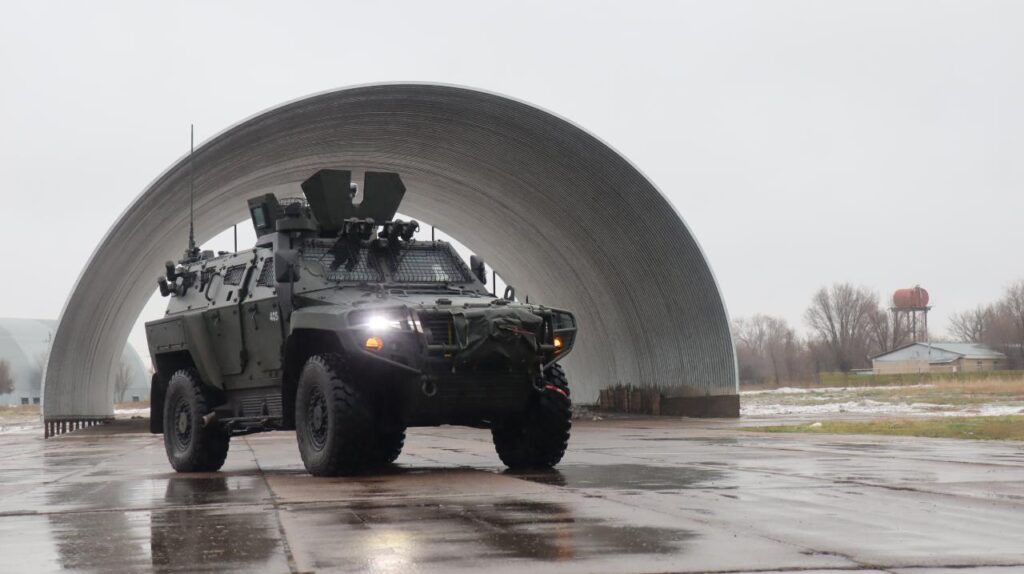
In 2024, Kazakhstan’s Ministry of Defense made significant strides in modernizing its Armed Forces, equipping them with advanced weapons and military hardware. The upgrades include air defense systems, armored vehicles, aircraft, and naval equipment, reflecting the country’s growing focus on strengthening its defense capabilities. According to the Ministry of Defense, these enhancements align with Kazakhstan’s military modernization goals outlined in the updated military doctrine approved in 2022. Among the notable additions to Kazakhstan’s military arsenal in 2024: Air Defense Systems: The Armed Forces now operate Buk-M2E and Tor-M2K anti-aircraft missile systems (Russia), Rosa-RB radar stations (Belarus), and Nur radar stations, produced domestically in Kazakhstan. Armored Vehicles: The Ground Forces received 53 Arlan armored wheeled vehicles manufactured by Kazakhstan Paramount Engineering and 45 Cobra II armored vehicles from Turkey’s Otokar. These vehicles improve troop mobility and protection. Military Transport Aircraft: In December, Kazakhstan acquired an A400M military transport aircraft from Spain. The aircraft can transport heavy cargo, including military equipment. Naval Vessel: The high-speed transport and landing boat Shapshan, built in Mangistau region shipyards, was launched in Aktau. Designed for sea and riverine operations, it can transport up to 20 marines, has a range of 450 miles, a speed of 45 knots, and supports medical evacuation missions. The Ministry of Defense also prioritized upgrading its current arsenal, repairing and modernizing 85 pieces of ground and air military equipment in 2024. This includes: 8 helicopters 5 radar stations Kazakhstan’s President Kassym-Jomart Tokayev approved a revised military doctrine in October 2022. The doctrine emphasizes: Strengthening air defense, including radar and missile defense capabilities Developing special operations forces Increasing domestic production of ammunition to reduce reliance on imports Establishing partnerships with foreign defense companies to procure modern equipment and create joint ventures for advanced weapon production In the 2024 Global Firepower Index, which ranks military strength, Kazakhstan placed 58th out of 145 countries. This ranking solidifies its position as having the strongest Armed Forces in Central Asia.

Kazakhstan May Manufacture Turkish Bayraktar Drones

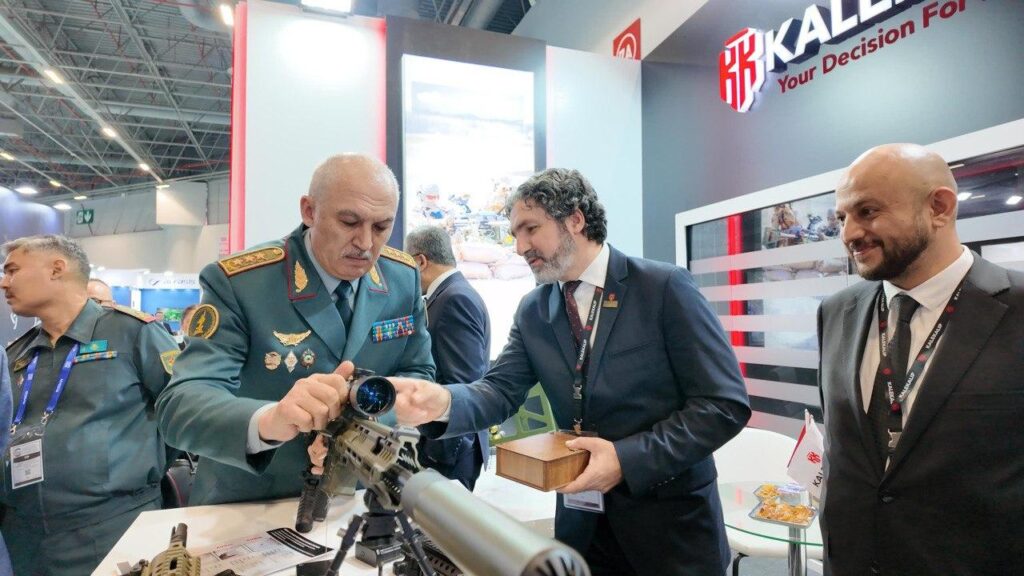
A delegation headed by Kazakhstan's Minister of Defense , Colonel General Ruslan Zhaksylykov, attended the IV International Exhibition of Defense and Aerospace Equipment SAHA EXPO-2024 opening ceremony in Istanbul. The event brought together leading representatives of the military-industrial complex of Europe, Asia, and the Middle East. It demonstrated the latest developments, including automatic troop and battle management systems, robotic systems, communications, air defense, radio reconnaissance, electronic warfare, radio countermeasures, unmanned aerial vehicles, and laser technologies. During the exhibition, Zhaksylykov held talks with Turkish Minister of National Defense Yaşar Güler and Chairman of the Defense Industry Agency Haluk Görgün. He also met with Mohammed bin Mubarak Fadel Al Mazroui, UAE Minister of State for Defense Affairs. Special attention was paid to the talks with Baykar Defense CEO Haluk Bayraktar. The parties agreed on developing a roadmap for the localization of the production of tactical unmanned aircraft systems and barrage munitions at the operational level in Kazakhstan. Kazakhstan is actively developing the production of unmanned aerial vehicles (UAVs) with the involvement of foreign partners. One of the significant projects is the joint production of Anka drones with Turkey, which will start in 2024. The agreement between Turkish Aerospace Industries (TAI) and Kazakhstan Engineering provides for technology transfer and the creation of an assembly line, allowing Kazakhstan to produce drones independently in the future. In addition to Turkey, Kazakhstan cooperates with South Korea and China on drones. In 2023, Petropavlovsk established local drone production using components from China. Such steps contribute to the development of Kazakhstan's defense industry and reduce dependence on imports.

Politicians Discuss the Impact of Afghan Military Aircraft Remaining in Uzbekistan

The Times of Central Asia previously reported that when the Taliban seized power in August 2021, 22 military aircraft and 24 helicopters of the Afghan military crossed into Uzbekistan’s airspace. US Ambassador to Uzbekistan Jonathan Henick reported that the US and Uzbekistan had officially agreed that fighter jets and military helicopters will remain in Uzbekistan, whilst The Ministry of National Defense of the Islamic Emirate of Afghanistan, in turn, stated that “Any deal regarding the fate of Afghanistan’s helicopters and planes in Uzbekistan is unacceptable.” Dr. Davud Azami, an expert on international politics and security issues, commented: “Until the normalization of bilateral relations, the US will not hand over this aviation equipment to the Taliban, but this is unlikely to happen soon. This makes the matter more complicated.” Regarding the Taliban government’s demand for the return of the equipment to Afghanistan, he explained:  “The Taliban wants to strengthen its Air Force with these planes, especially helicopters. They also want to use the aircraft for humanitarian and rescue operations, especially during natural disasters like floods and earthquakes. Because buying such planes and helicopters requires money and a partner to sell them, the Taliban is at a huge disadvantage.” Azami stated that the Taliban is waiting for a “favorable opportunity” to exert more pressure on Uzbekistan, and added that the two sides will continue improving their relations despite disagreements over aircraft and helicopters. According to another BBC Uzbekistan interviewee, Uzbek political analyst Farhod Tolipov, this recent Taliban statement is flexible, and referenced the warning of the Taliban's interim Defense Minister that the countries who provided the military aircraft will suffer harmful consequences if the units are not returned. “The Taliban responded by using the phrase ‘good neighborliness’ in the sense that they should not break cooperation. That's why I think that based on what they said, the issue should not take a sharp turn. Because now, neither Afghanistan itself nor its government has become a superpower, and its economy, which is in crisis, needs to be developed. No country in the world has yet recognized them; many problems are ahead. That's why, in my opinion, the probability that they will be obsessed with this one problem is not very high,” said Tolipov. The analyst also expressed his opinion on the construction of the Qoshtepa Canal: “If this project is left unchecked and implemented unilaterally, the environmental consequences will harm Afghanistan itself. Environmental consequences and tragedies know no bounds. It will not be a tragedy for Uzbekistan alone, but also, potentially, for Afghanistan. Therefore, -given an understanding of the risks involved- they should continue work on the project,  in coordination, of course, with Uzbekistan, Turkmenistan, and Tajikistan.” Recommendations from Daniel Runde, a Senior Vice President at the Center for Strategic and International Studies (CSIS), on strengthening the USA's relations with Uzbekistan, appeared in previous report by The Times of Central Asia.