• KGS/USD = 0.01144 0%
  • KZT/USD = 0.00213 0%
  • TJS/USD = 0.10562 0%
  • UZS/USD = 0.00008 0%
  • TMT/USD = 0.28530 0%
  • KGS/USD = 0.01144 0%
  • KZT/USD = 0.00213 0%
  • TJS/USD = 0.10562 0%
  • UZS/USD = 0.00008 0%
  • TMT/USD = 0.28530 0%
  • KGS/USD = 0.01144 0%
  • KZT/USD = 0.00213 0%
  • TJS/USD = 0.10562 0%
  • UZS/USD = 0.00008 0%
  • TMT/USD = 0.28530 0%
  • KGS/USD = 0.01144 0%
  • KZT/USD = 0.00213 0%
  • TJS/USD = 0.10562 0%
  • UZS/USD = 0.00008 0%
  • TMT/USD = 0.28530 0%
  • KGS/USD = 0.01144 0%
  • KZT/USD = 0.00213 0%
  • TJS/USD = 0.10562 0%
  • UZS/USD = 0.00008 0%
  • TMT/USD = 0.28530 0%
  • KGS/USD = 0.01144 0%
  • KZT/USD = 0.00213 0%
  • TJS/USD = 0.10562 0%
  • UZS/USD = 0.00008 0%
  • TMT/USD = 0.28530 0%
  • KGS/USD = 0.01144 0%
  • KZT/USD = 0.00213 0%
  • TJS/USD = 0.10562 0%
  • UZS/USD = 0.00008 0%
  • TMT/USD = 0.28530 0%
  • KGS/USD = 0.01144 0%
  • KZT/USD = 0.00213 0%
  • TJS/USD = 0.10562 0%
  • UZS/USD = 0.00008 0%
  • TMT/USD = 0.28530 0%

Viewing results 1 - 6 of 9

Central Asia Came to Antalya With a Clearer Voice and a Wider Agenda

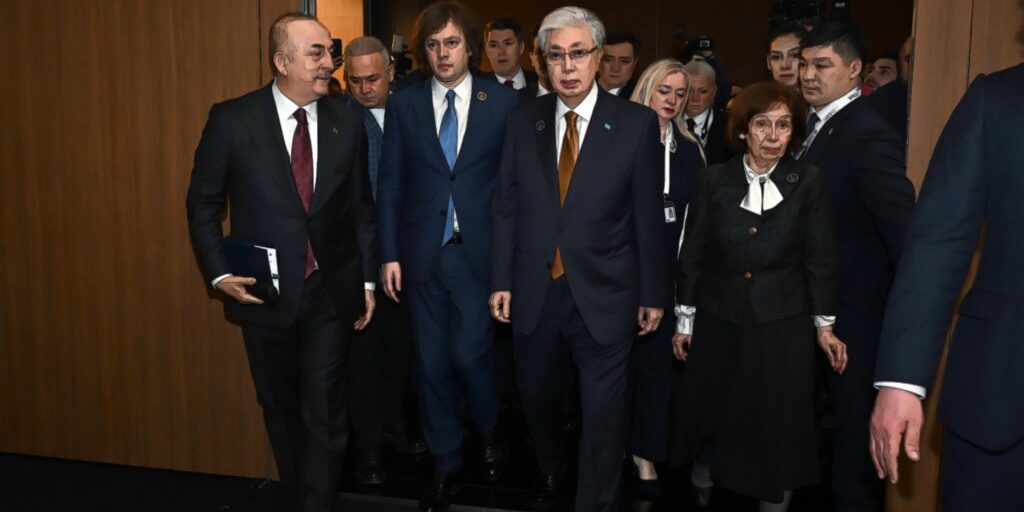
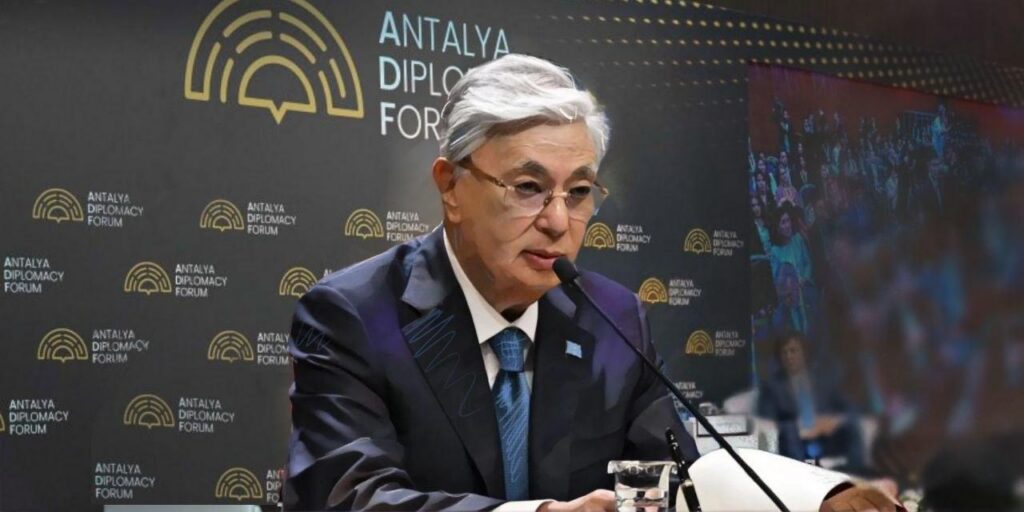
The Antalya Diplomacy Forum, from April 17 to 19, brought together heads of state, foreign ministers, and senior officials at a tense moment in international politics. The official theme, “Mapping Tomorrow, Managing Uncertainties,” reflected the backdrop: war in the Middle East, pressure on trade, and growing doubts about the strength of international institutions. Central Asia did not dominate the gathering, but the region was visible across the program and in the meetings around it. Kazakhstan’s President Kassym-Jomart Tokayev was the highest-profile regional figure in attendance, while Kyrgyzstan sent Foreign Minister Jeenbek Kulubaev, Turkmenistan sent Foreign Minister Rashid Meredov, and Tajikistan sent Deputy Foreign Minister Farrukh Sharifzoda. Uzbekistan was also active through Foreign Minister Bakhtiyor Saidov in meetings held during the forum dates. The strongest Central Asian intervention came from Tokayev. Speaking at a panel session, he said the United Nations remains indispensable, but also made clear that its present structure is failing to keep up with current crises. “We must honestly acknowledge that the Security Council is the central element in the reform of the United Nations,” he said. He also warned that many key negotiations now take place outside the UN system, in separate capitals and closed rooms, rather than through the institution that was built for that purpose. Tokayev framed the problem in practical terms rather than abstract ones. He said global leaders must approach peace and security “with a strong sense of responsibility,” adding that “we must act more responsibly and exercise restraint.” Tokayev also said Kazakhstan calls on all countries involved in the Iran conflict to cease hostilities while keeping the focus on the core issue of nuclear proliferation. His language matched the line Astana has tried to hold for years: avoid escalation, preserve room for dialogue, and keep diplomatic channels open. Tokayev went further when he turned to the role of what he called “middle powers,” naming Kazakhstan and Türkiye among the states that, in his view, show a high degree of responsibility in both diplomacy and practice. He said it would “not be an exaggeration to say that today middle powers often demonstrate a greater degree of responsibility than major powers represented in the Security Council, which, regrettably, often obstruct the resolution of key global issues.” That was one of the sharper lines delivered at the summit. It also showed how Kazakhstan now wants to place itself in the world: not as a passive actor caught between larger powers, but as a state that can help steady an increasingly unstable system. Türkiye was central to that framing. At the start of his remarks, Tokayev praised President Recep Tayyip Erdoğan’s role in the region and said Kazakhstan was looking forward to Erdoğan’s state visit next month. That also reflects a broader trend of closer coordination between Kazakhstan and Türkiye, including in the Trans-Caspian transport route (Middle Corridor) and shifting Caspian dynamics. Uzbekistan approached the summit in Antalya differently. Tashkent did not have a presidential intervention on the main stage, but it used the gathering for...

At Antalya Forum, Tokayev Delivers a Stark Warning on Iran and the UN

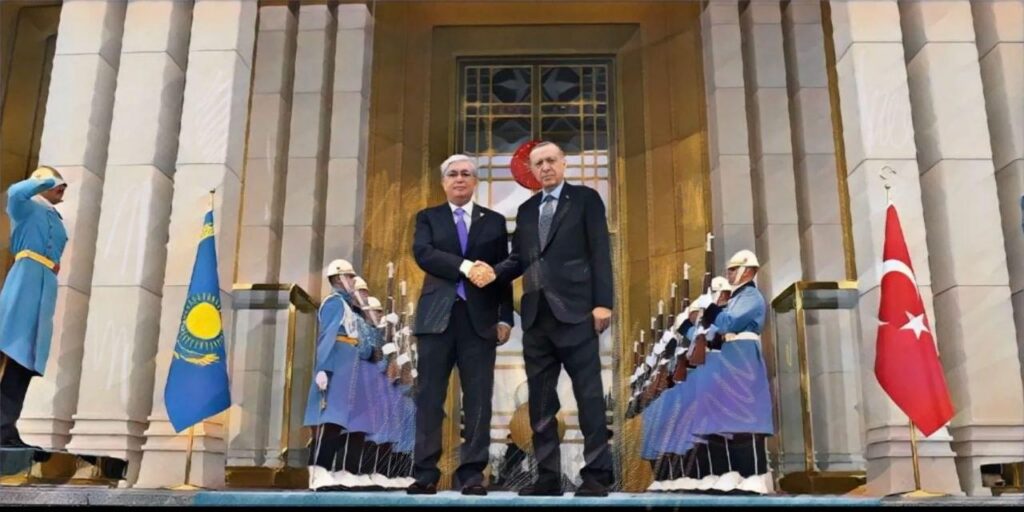
Last week, the Turkish resort city of Antalya hosted the fifth annual Antalya Diplomacy Forum. Particular attention was drawn to the speech by Kazakhstan’s president, Kassym-Jomart Tokayev, who once again raised the issue of reforming the United Nations. Held since 2021 at the initiative of Turkish President Recep Tayyip Erdoğan, the forum brings together political leaders, diplomats, experts, business representatives, media, and civil society. It serves as a platform for bilateral and multilateral contacts, political consultations, and informal diplomacy. This year, alongside Turkey and Kazakhstan, the forum was attended by delegations from Azerbaijan, Qatar, Pakistan, Syria, Georgia, North Macedonia, Moldova, Bosnia and Herzegovina, Slovenia, Burundi, and the Democratic Republic of Congo, all led by their respective heads of state. A widely circulated photograph from the opening ceremony, showing Erdoğan and Tokayev in conversation, was interpreted by some observers as reflecting the Kazakh president’s standing and the level of engagement between the two leaders. Political analyst Daniyar Ashimbayev pointed to what he described as a convergence in messaging between the two presidents. “Opening the forum, President Erdoğan stated that ‘the world is experiencing a crisis of direction alongside a crisis of order.’ He noted that ‘mechanisms designed to protect human rights and international security remain ineffective and often inactive in the face of serious violations.’ Kassym-Jomart Tokayev, judging by his speech, sought, drawing on his experience and position, to respond to the concerns expressed by the Turkish and other leaders,” Ashimbayev said. Another Kazakh political analyst, Andrey Chebotarev, highlighted the broader diplomatic context, noting that Erdoğan is expected to pay a state visit to Kazakhstan on May 14. “In addition to bilateral cooperation, this visit is linked to the upcoming informal summit of the Organization of Turkic States in the city of Turkestan. It is worth recalling that following the previous informal OTS summit, held online on March 31, 2021, Turkestan was officially recognized as the spiritual capital of the Turkic world. Holding a similar summit in person is intended to underscore both the city’s significance and Kazakhstan’s role within the Turkic community,” Chebotarev said. Analyzing Tokayev’s remarks, Chebotarev also pointed to what he described as a consolidation of Kazakhstan’s position on the situation in the Middle East, particularly in the context of tensions involving the United States, Israel, and Iran. “Astana had previously signaled its distancing from all parties to the conflict, while expressing solidarity with the Arab states of the Persian Gulf, which, despite not being direct participants, were affected by strikes linked to the broader confrontation. In this context, the Kazakh president’s call for restraint and a cessation of hostilities is not merely an expression of neutrality but reflects the position of an active international actor seeking a diplomatic resolution,” he said. One of the central elements of Tokayev’s speech was his assessment of developments surrounding Iran. He called for greater awareness of global dynamics and emphasized the need to address root causes. “The core issue is the proliferation of nuclear technologies and nuclear weapons. This must be...

Tokayev Flags Nuclear Proliferation Risk in the Iran Conflict

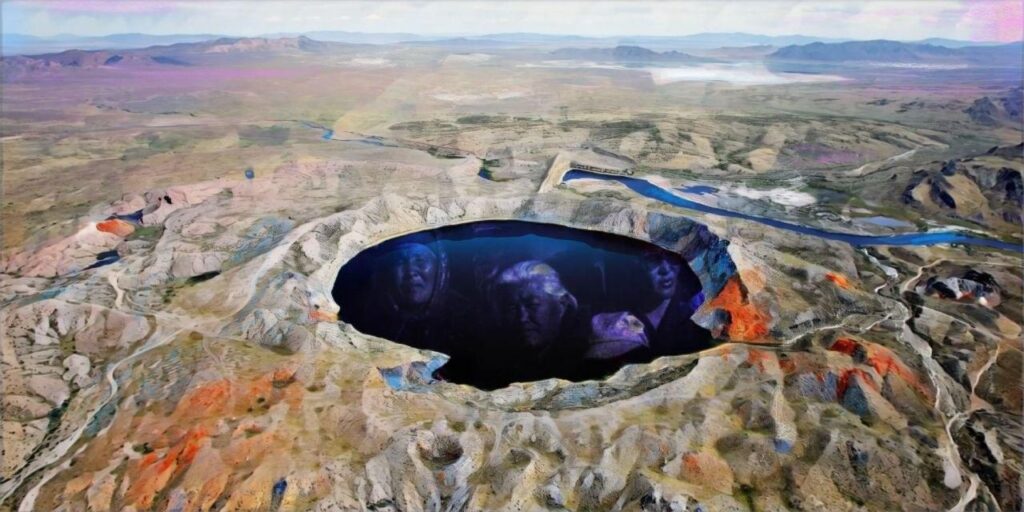
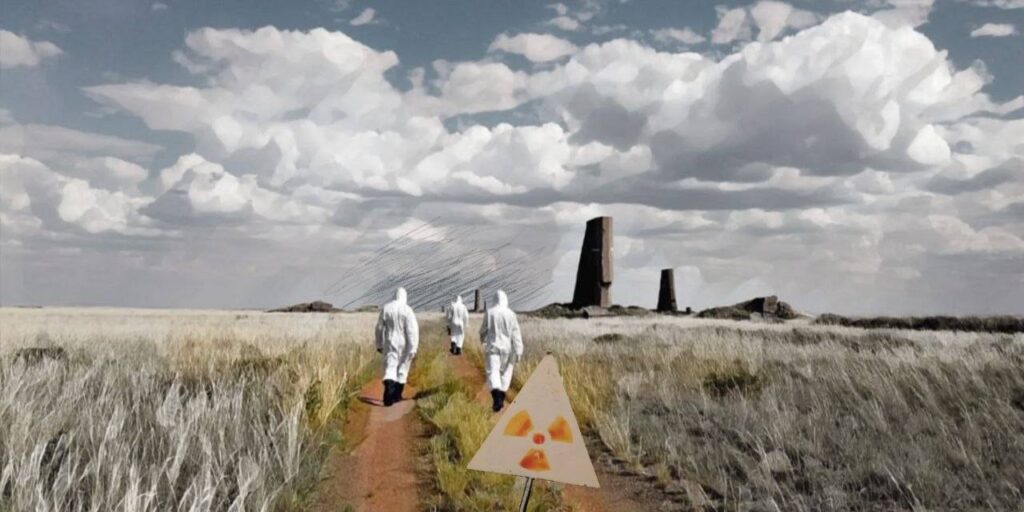
On April 17 at the Antalya Diplomacy Forum, Kazakhstan President Kassym-Jomart Tokayev said that in the Iran conflict, the deeper issue is not freedom of navigation through the Strait of Hormuz but the spread of nuclear technologies and arms. That, he said, is the issue that should stand at the center of negotiations over the crisis Astana has long treated its anti-nuclear stance as a core state principle. Tokayev has said explicitly in the past that a nuclear-weapon-free world is a policy priority of his government. That aspiration has become part of Kazakhstan’s national identity. At Antalya, he did not produce a new line. He applied an established one to a new crisis. Kazakhstan’s sensitivity on the issue lies at Semey, formerly Semipalatinsk, in eastern Kazakhstan, where the Soviet Union built one of its principal nuclear test grounds, a site covering about 18,500 square kilometers. Between 1949 and 1989, the USSR conducted 456 nuclear tests there, including 116 atmospheric tests and 340 underground ones. The first Soviet atomic bomb was detonated there on August 29, 1949. For Kazakhstan, Semey is not only a chapter in Soviet strategic history; it is a prolonged experience of severe human and environmental exposure, environmental damage, and official secrecy borne on Kazakh territory. That record helps explain why Tokayev’s public language has, on two recent occasions, echoed Donald Trump’s. On April 8, Tokayev said that the Middle East ceasefire “was made possible through the goodwill and wisdom of U.S. President Donald Trump, Iran’s leadership, and other countries involved in the conflict,” explicitly crediting Trump’s role in making de-escalation possible. At Antalya on April 17, Tokayev said Trump had raised the UN’s dysfunction “very eloquently” at the previous September’s UN General Assembly session, adding, “I fully agree with him.” The convergence is notable. Tokayev’s emphasis on non-proliferation, restraint, and negotiated crisis management aligns with Trump’s support for the truce and his criticism of a UN-centered system that Tokayev likewise sees as increasingly unable to resolve major crises. At independence, Kazakhstan inherited 1,410 nuclear warheads deployed on Soviet strategic systems, including intercontinental missiles and heavy bombers. It acceded to the Nuclear Non-Proliferation Treaty in 1994 and transferred its last nuclear warhead to Russia in April 1995. This history gives Kazakhstan a place in non-proliferation diplomacy that few states can claim. It absorbed the consequences of nuclear testing and then renounced a major inherited nuclear arsenal. This history has never receded into symbolism; its human consequences endure. Populations near the test site and in downwind settlements were exposed to fallout over decades, and the medical afterlife remains an active field of research. The International Agency for Research on Cancer, part of the World Health Organization, established a prospective cohort study near the Semipalatinsk test site, known as the SEMI-NUC project, to track long-term outcomes among residents exposed to chronic low and moderate doses of radiation. Registry-based research has found that exposed populations are subject to elevated cardiovascular mortality risks, while other studies have examined thyroid disease, cancer, reproductive...