• KGS/USD = 0.01144 0%
  • KZT/USD = 0.00208 0%
  • TJS/USD = 0.10456 0.19%
  • UZS/USD = 0.00008 0%
  • TMT/USD = 0.28571 0%
  • KGS/USD = 0.01144 0%
  • KZT/USD = 0.00208 0%
  • TJS/USD = 0.10456 0.19%
  • UZS/USD = 0.00008 0%
  • TMT/USD = 0.28571 0%
  • KGS/USD = 0.01144 0%
  • KZT/USD = 0.00208 0%
  • TJS/USD = 0.10456 0.19%
  • UZS/USD = 0.00008 0%
  • TMT/USD = 0.28571 0%
  • KGS/USD = 0.01144 0%
  • KZT/USD = 0.00208 0%
  • TJS/USD = 0.10456 0.19%
  • UZS/USD = 0.00008 0%
  • TMT/USD = 0.28571 0%
  • KGS/USD = 0.01144 0%
  • KZT/USD = 0.00208 0%
  • TJS/USD = 0.10456 0.19%
  • UZS/USD = 0.00008 0%
  • TMT/USD = 0.28571 0%
  • KGS/USD = 0.01144 0%
  • KZT/USD = 0.00208 0%
  • TJS/USD = 0.10456 0.19%
  • UZS/USD = 0.00008 0%
  • TMT/USD = 0.28571 0%
  • KGS/USD = 0.01144 0%
  • KZT/USD = 0.00208 0%
  • TJS/USD = 0.10456 0.19%
  • UZS/USD = 0.00008 0%
  • TMT/USD = 0.28571 0%
  • KGS/USD = 0.01144 0%
  • KZT/USD = 0.00208 0%
  • TJS/USD = 0.10456 0.19%
  • UZS/USD = 0.00008 0%
  • TMT/USD = 0.28571 0%

Viewing results 1 - 6 of 41

Kazakhstan to host int’l nuclear non-proliferation conference

ASTANA (TCA) — From August 28 to September 2, Kazakhstan’s capital Astana will host the International Conference of the Comprehensive Nuclear-Test-Ban Treaty Organization (CTBTO) entitled “Remembering the Past, Looking to the Future". The conference coincides with the International Day against Nuclear Tests on August 29, which was introduced by the UN General Assembly in 2009 at the initiative of the President of Kazakhstan Nursultan Nazarbayev, the Kazakh Foreign Ministry said. Continue reading

Kazakhstan’s artist wins Nuclear-Free Future Award

ASTANA (TCA) — Kazakh artist, Honorary Ambassador of the ATOM Project Karipbek Kuyukov has been announced a winner of the 2018 Nuclear-Free Future Award. The decision of the international jury was published on the website of the Nuclear-Free Future Award Foundation last week. The award ceremony will take place in Salzburg, Austria, this October, the Kazakh Ministry of Foreign Affairs said. Continue reading

Uzbekistan and Russia reach agreement on construction of new nuclear power plant

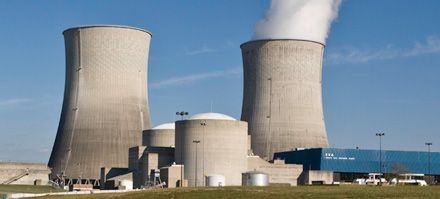
TASHKENT (TCA) — Uzbekistan, which is heavily dependent on fossil fuel in electricity generation, plans to build its first nuclear power plant to solve its power deficit problems. We are republishing this article on the issue, written by Fozil Mashrab, originally published by The Jamestown Foundation’s Eurasia Daily Monitor: A series of meetings since late December 2017 between officials from Uzbekistan and ROSATOM, the Russian state nuclear energy corporation, suggests that both sides have reached an agreement to build a two-reactor nuclear power plant (NPP) in this Central Asian republic. According to Bakhrom Ashrafkhanov, Uzbekistan’s ambassador to Russia, “[T]he nuclear power plant will definitely be constructed,” and the two sides are working on a road map. It is expected the final deal will be signed this autumn in Tashkent, during President Vladimir Putin’s visit to Uzbekistan (Uzdaily.uz, June 22). Media outlets suggest that the idea to build an NPP, most likely to be located in the southwestern uranium-mining province of Navoi, came from Uzbekistani authorities. According to the reports, ROSATOM, a global leader in its industry, readily agreed. Plans to build an NPP in Uzbekistan have existed for many years, but were given a final decisive push by President Shavkat Mirziyoyev (Interfax, May 30). The timing is particularly promising—the NPP plan coincides with other bold, wide-ranging reforms meant to rejuvenate the country after years of general economic and political stagnation as well as neglect of the energy sector in particular. However, there are also concerns Uzbekistan’s government or the heavily indebted ROSATOM might require years to raise the necessary funds, particularly given ROSATOM’s existing commitments to build 42 nuclear reactors in 12 countries around the world (RIA Novosti, December 1, 2017). Uzbekistan’s former president, the late Islam Karimov, also realized the need for constructing an NPP since the country’s fossil fuel–based energy sector is not sustainable in the long term. Proven oil and natural gas reserves are projected to last, at current rates of consumption, for the next 30–35 years; and approximately 86 percent of Uzbekistan’s electricity is generated by thermal power plants running on gas. Nevertheless, due to environmental concerns, high costs, the region’s seismic peculiarities, and, perhaps, Karimov’s inherently cautious and slow-moving approach, Uzbekistan’s nuclear aspirations were put on hold during his rule (Odnako.ru, August 30, 2014). The late president’s so-called “gradualist approach” became a euphemism among his critics for not taking necessary measures to tackle critical, worsening power shortages. The entire country, with the partial exception of the capital, Tashkent, chronically suffers from acute electricity shortages, especially in winter. Millions of Uzbekistani families struggle to survive the winter season, spending large parts of their already meager incomes to buy traditional sources of energy such as coal and firewood or mini electricity generators that run on gasoline. Similarly, power shortages force owners of many small- and medium-sized businesses in the provinces to scale down their operations or send workers on unpaid leave during the winter months (Ozodlik Radiosi, May 12, 2014). If constructed, the envisaged NPP will add...

EU-funded project cleaning up toxic and radioactive waste in Central Asia

DUSHANBE (TCA) — Project results have been finalized containing detailed plans for the sustainable remediation of the uranium mining and processing legacy sites at Degmay and Istiklol in Tajikistan. It is now clear what type of work needs to be done to effectively improve the situation for the local population and to stop spreading the contamination, the Delegation of the European Union to Tajikistan reported. Continue reading

Kazakhstan becomes 57th state to sign Treaty on Prohibition of Nuclear Weapons

ASTANA (TCA) — On the day of the 26th anniversary of Kazakhstan's accession to the United Nations, an official ceremony was held at the UN Headquarters for signing the Treaty on the Prohibition of Nuclear Weapons by the Republic of Kazakhstan, the Kazakh Foreign Ministry said. Continue reading

Deepening Central Asian nonproliferation partnerships

BISHKEK (TCA) — Kazakhstan and Uzbekistan are taking the lead in Central Asia in terms of efforts to prevent the proliferation of weapons of mass destruction (WMD), thus contributing to a safer Central Asian region and showing a good example to such countries as Iran and North Korea. We are republishing this article on the issue by Richard Weitz*, originally published by the CACI Analyst: Continue reading