• KGS/USD = 0.01143 0%
  • KZT/USD = 0.00205 0%
  • TJS/USD = 0.10724 0.09%
  • UZS/USD = 0.00008 0%
  • TMT/USD = 0.28571 0%
  • KGS/USD = 0.01143 0%
  • KZT/USD = 0.00205 0%
  • TJS/USD = 0.10724 0.09%
  • UZS/USD = 0.00008 0%
  • TMT/USD = 0.28571 0%
  • KGS/USD = 0.01143 0%
  • KZT/USD = 0.00205 0%
  • TJS/USD = 0.10724 0.09%
  • UZS/USD = 0.00008 0%
  • TMT/USD = 0.28571 0%
  • KGS/USD = 0.01143 0%
  • KZT/USD = 0.00205 0%
  • TJS/USD = 0.10724 0.09%
  • UZS/USD = 0.00008 0%
  • TMT/USD = 0.28571 0%
  • KGS/USD = 0.01143 0%
  • KZT/USD = 0.00205 0%
  • TJS/USD = 0.10724 0.09%
  • UZS/USD = 0.00008 0%
  • TMT/USD = 0.28571 0%
  • KGS/USD = 0.01143 0%
  • KZT/USD = 0.00205 0%
  • TJS/USD = 0.10724 0.09%
  • UZS/USD = 0.00008 0%
  • TMT/USD = 0.28571 0%
  • KGS/USD = 0.01143 0%
  • KZT/USD = 0.00205 0%
  • TJS/USD = 0.10724 0.09%
  • UZS/USD = 0.00008 0%
  • TMT/USD = 0.28571 0%
  • KGS/USD = 0.01143 0%
  • KZT/USD = 0.00205 0%
  • TJS/USD = 0.10724 0.09%
  • UZS/USD = 0.00008 0%
  • TMT/USD = 0.28571 0%

Viewing results 1 - 6 of 145

Kyrgyzstan’s Capital Grapples with Smog: Minister Outlines Pollution Sources and Plans for Cleaner Air

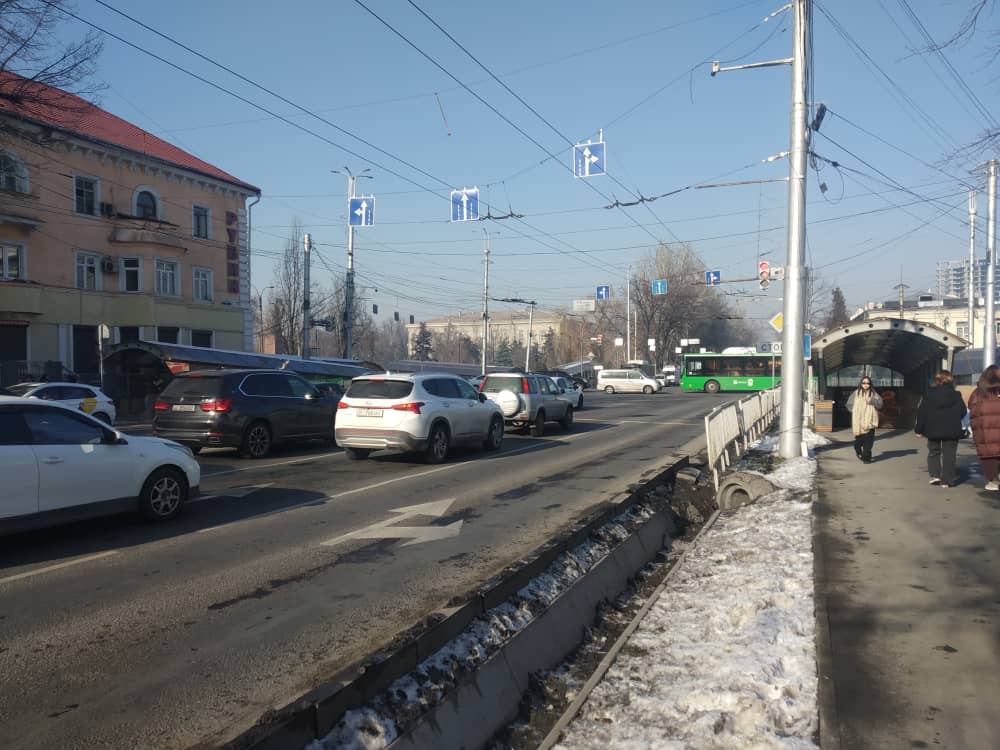
On January 20, Kyrgyzstan’s Minister of Natural Resources, Ecology, and Technical Supervision, Meder Mashiev, addressed parliament to discuss the sources of air pollution in Bishkek, the capital of Kyrgyzstan. Citing studies conducted by international organizations, Mashiev broke down the contributors to Bishkek’s smog, as reported by 24.kg. According to the minister, the primary sources of air pollution in Bishkek are: Burning of coal: 40% Exhaust gases from motor vehicles: 30% Smoke from the Bishkek Thermal Electric Power Plant: 15% Windborne dust: 13.5% Mashiev highlighted that efforts by the government in 2024 have led to improvements in air quality, based on data from the Hydrometeorological Service. However, he noted that Bishkek experienced its worst smog levels during 2021-2022. One of the key issues contributing to air pollution is the absence of catalytic converters in 85% of vehicles operating in Kyrgyzstan. Catalytic converters are critical for reducing the toxicity of vehicle emissions by converting harmful compounds into less hazardous ones. With over 600,000 registered vehicles in Bishkek — nearly double the city's road capacity of 350,000 — the Ministry estimates that motor transport accounts for 27% of the city's total air pollution. During the parliamentary session, parliamentary deputy Balbak Tulobayev proposed several measures to address the smog problem: Replace domestic coal: Prohibit the use of low-calorie, high-ash Kara-Keche coal in Bishkek and switch to high-calorie Kazakh coal, potentially reducing smog by 30-40%. Accelerate gasification: Attract additional companies, such as those from Azerbaijan or Iran, to expand gasification in Bishkek. Currently, Russia’s Gazprom is the only provider of natural gas in the city. The MP estimates this could reduce smog by another 30%. Improve public transportation: Construct a subway or monorail system in Bishkek to reduce reliance on private vehicles. Ban polluting vehicles: Restrict vehicles without catalytic converters from entering the city. Air pollution remains a persistent issue in Bishkek, a city with over one million residents. The problem worsens in the winter, as household coal burning for heating intensifies. Bishkek frequently ranks among the world’s top 10 most polluted cities on IQAir's global air quality index. To improve air quality, the government has outlined a comprehensive plan for 2024-2025, which includes the following measures: Transition to cleaner coal: Provide households with high-calorie coal that emits fewer pollutants. Modernize the thermal power plant: Replace outdated filters at the Bishkek coal-fired power plant and work toward converting it to natural gas. City planning for air circulation: Develop an architectural plan to enhance air movement in Bishkek. Expand gasification: Continue gasification of residential neighborhoods to reduce reliance on coal. Improve urban infrastructure: Construct transport interchanges and multi-level parking lots to ease traffic congestion. Promote public transport: Increase the attractiveness of public transportation and develop infrastructure for electric vehicles, including charging stations. Green belt initiative: Create a green belt in and around Bishkek to improve air quality and provide natural barriers to pollution. Air pollution in Bishkek is a complex and longstanding issue driven by coal burning, vehicle emissions, and outdated infrastructure. While the government has...
Kyrgyz MP Urges Parliament to Preserve Lenin Monument in Bishkek

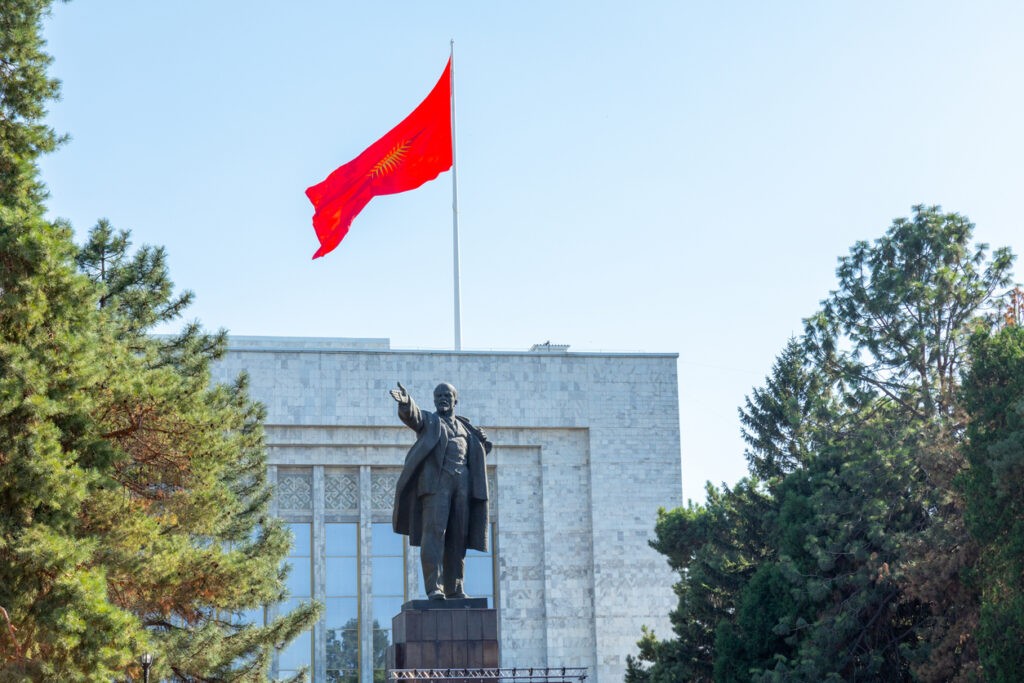
Kyrgyz parliamentary deputy Iskhak Masaliyev has called on his fellow parliamentarians to refrain from debating the removal of the Vladimir Lenin monument in Bishkek’s Old Square. Speaking during a parliamentary session, Masaliyev emphasized that the proposal to dismantle the statue is both untimely and dismissive of Lenin's historical contribution to the formation of Kyrgyz statehood. Masaliyev reminded lawmakers that while the collapse of the Soviet Union granted independence to many nations, Soviet governance played a pivotal role in establishing the foundations of statehood for certain republics, including Kyrgyzstan. He outlined the historical context of the early 20th century, noting that the territory of modern Kyrgyzstan was then divided - part of it belonging to the Russian Empire and the other to the Kokand Khanate. According to the MP, the October Revolution was instrumental in creating the Kara-Kyrgyz Autonomous Oblast, which later evolved into the Kyrgyz Autonomous Soviet Socialist Republic and, eventually, an independent Kyrgyz state. “Many nations of the world still do not have their own territory. We, on the other hand, have a state with clearly defined borders, and Vladimir Lenin’s role in this is significant. I say this not as a politician, but as a historian,” Masaliyev declared. The MP expressed concern about modern society’s increasing disregard for history, noting that a substantial portion of the Kyrgyz population - around 30 to 40 percent - lived during the Soviet era and were shaped by its values. Erasing the memory of that period, he argued, is both impractical and disrespectful to the past. Masaliyev also pointed out the proximity of Lenin’s monument to a statue of Turdakun Usubaliyev, a prominent Soviet-era statesman and reformer. He argued that commemorating Usubaliyev and other notable figures from the Soviet period while removing Lenin’s monument would be inconsistent, as all were part of the same ideological framework underpinned by Lenin’s leadership. “We must understand that we cannot simultaneously honor some of them while rejecting the memory of others,” Masaliyev stressed. In closing, Masaliyev urged his colleagues to shelve the debate over the Lenin monument, suggesting that the parliament’s focus should instead be directed toward more pressing national issues. The discussion surrounding the Lenin statue gained momentum after parliament deputy speaker Nurbek Sydygaliyev proposed its removal, arguing that the square is named after Turdakun Usubaliyev and should honor his legacy exclusively.

Low Revenues Cast Doubt on Kyrgyzstan’s Casino Legalization Efforts

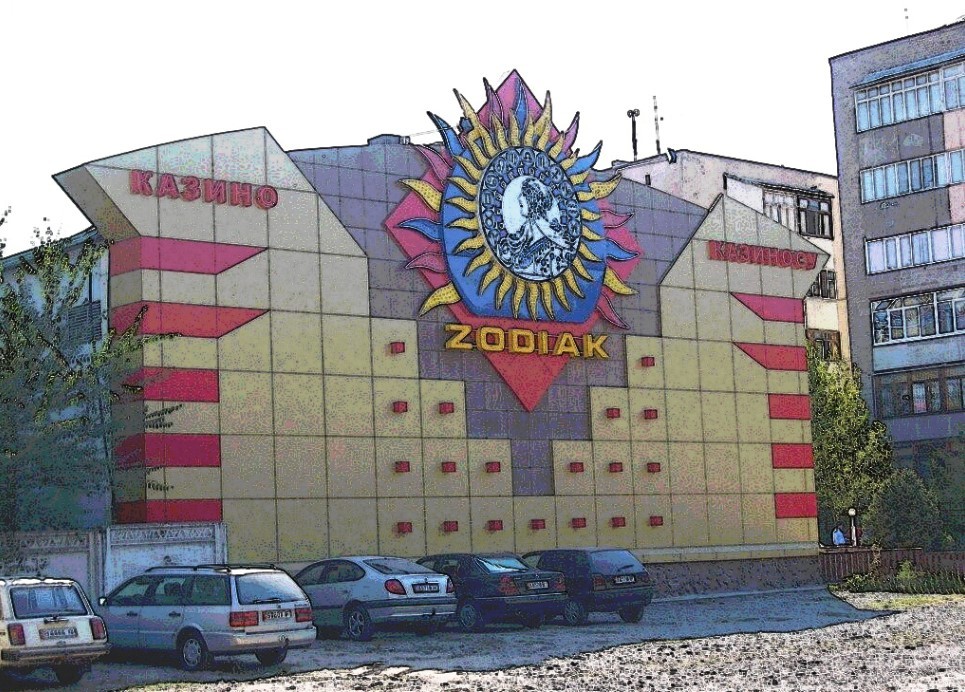
After a decade-long prohibition, Kyrgyzstan legalized gambling - for foreigners - in 2022, anticipating a substantial boost to state revenues. Authorities projected billions of Kyrgyz Som (KGS) in revenue from casinos, betting shops, and slot machines. However, the actual contributions to the state budget have been far more modest, amounting to only a few hundred million KGS. According to official figures, Kyrgyzstan currently hosts three operating casinos. In their first year, these establishments paid KGS 97 million (approximately $1.1 million) in taxes and other budgetary contributions. By 2024, this figure is expected to rise to KGS 270 million ($3.1 million). While this reflects growth, it remains below the ambitious expectations set by the government. The underwhelming results have sparked criticism from legislators. Last year, members of parliament voiced dissatisfaction with the meager revenues. MP Sultanbay Aizhigitov expressed frustration, stating: "There is almost no benefit to the state from casino activity. It is a business controlled by five or six individuals, and it causes significant harm. The initiative has not justified itself. Do we need casinos at all? Perhaps it's better to shut them down." Recent data reveals that the majority of gambling revenue - KGS 258 million ($2.8 million) -came from casinos. Betting shops contributed KGS 11 million ($125,000), while slot machine operators added a mere KGS 1.8 million ($20,500). Notably, the 2022 legislation legalizing gambling in Kyrgyzstan stipulates that only foreign citizens may participate in such activities. Kyrgyz nationals caught gambling face fines, along with the casino hosting them. In an effort to boost revenues, the government has permitted casinos to operate in state-owned buildings and hotels with government stakes. Despite these measures, however, the financial benefits of gambling legalization remain a contentious issue, with critics questioning its overall value to the country.

Kyrgyzstan to Update National Anthem

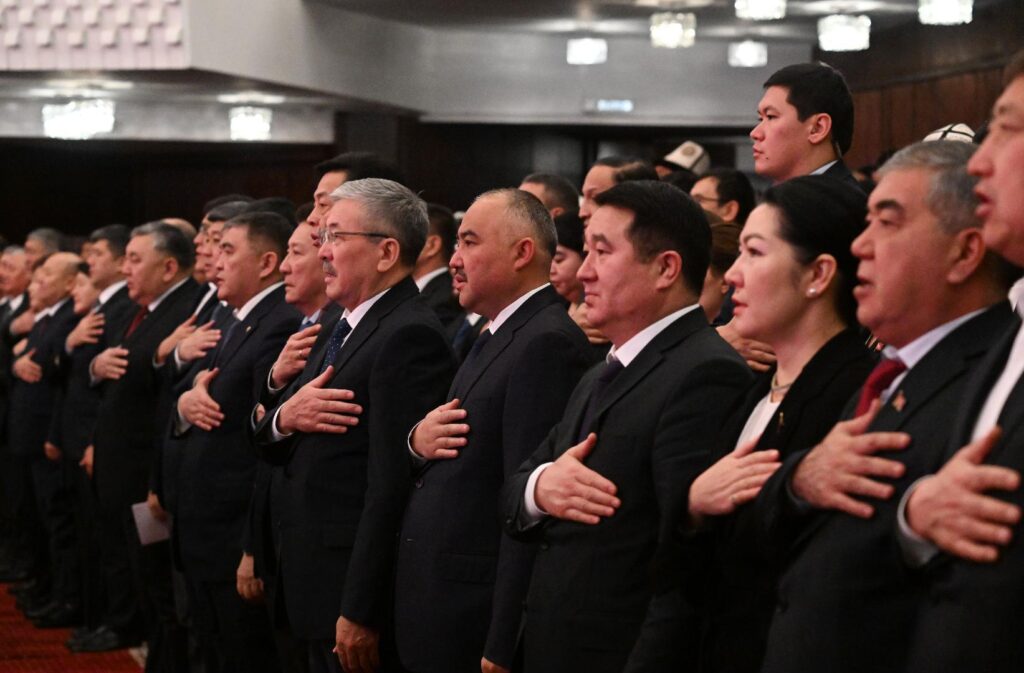
The Ministry of Culture, Information, Sports, and Youth Policy of Kyrgyzstan, in collaboration with creative unions, is working on crafting a new national anthem. The announcement was made during a press conference in Bishkek by Melis Murataliyev, chairman of the National Commission on the State Language. An interdepartmental commission has been established to evaluate proposed versions of the anthem. “We have been tasked with conducting a linguistic examination of all selected variants to ensure they align with our culture, traditions, and worldview. We will assess whether the meaning of word combinations remains consistent when pronounced. Three versions will ultimately be submitted to the Jogorku Kenesh for approval, but not before undergoing rigorous linguistic review,” Murataliyev stated. Parliament Speaker Nurlanbek Shakiyev had first proposed changing the anthem several months ago. He noted that the current anthem was adopted during a challenging period following Kyrgyzstan’s independence. “Today, we are a stable and developing state. For this reason, the anthem should reflect our progress and be one that everyone can sing with pride,” Shakiyev said. He emphasized that the selection process should involve public participation, allowing citizens to contribute text and melody proposals. The contest criteria stipulate that the anthem should celebrate Kyrgyzstan, inspire its people, and encourage development and progress. President Sadyr Japarov has also expressed support for the initiative. He believes the current anthem has lost its relevance and sees no issue with updating it. “The anthem should be the work of creative individuals - composers and poets - and its development should involve public discussion. If the majority supports a new anthem, it would be a positive step forward. Imagine schoolchildren and Aksakals singing it together; that would be truly wonderful,” Japarov remarked. The new anthem is expected to be adopted by April next year.

Kazakh MP Zhanbyrshin Criticizes Air Astana

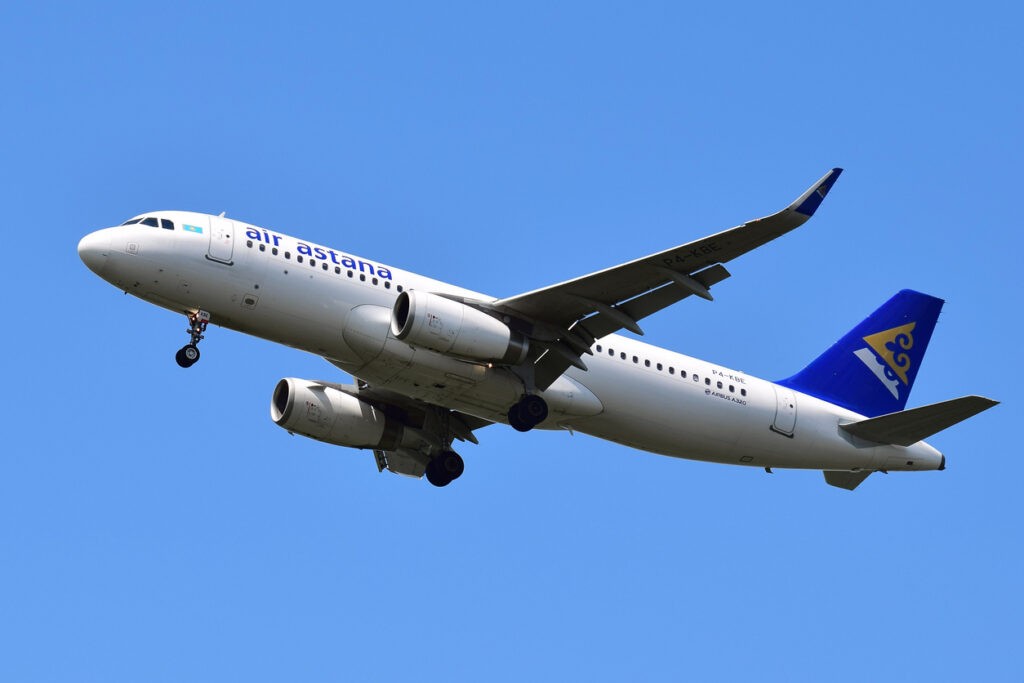
Kazakh MP Yedil Zhanbyrshin has voiced strong criticism of Air Astana, calling for more Kazakh-language content on its flights and denouncing the airline’s complex refund and compensation processes​. Zhanbyrshin directed his remarks at Air Astana CEO Peter Foster, emphasizing the need for the airline to prioritize the Kazakh language, particularly for flights operating within Kazakhstan. “We have repeatedly raised this issue, and it is time to bring the situation in line with the country’s laws. Onboard content is predominantly presented in another language, with Kazakh rarely used. Why is the state language not given priority?” the MP stressed. He further reminded the airline of its obligation to comply with national laws and uphold citizens’ rights. “Mr. Foster, when you first came to Parliament, you were asked only a couple of questions. Working here, you must protect the rights of Kazakhstanis, honor and respect the country’s laws, and create appropriate conditions. Don’t laugh! It’s not funny. You are sitting here, treating us as if we are not people. We are not aborigines in Africa [sic] who don’t understand anything. Don’t play with us, laughing in our faces. This is Parliament! We are representatives of the people, elected by the people,” Zhanbyrshin declared. Zhanbyrshin also criticized the airline’s refund policies, describing them as excessively convoluted. He recounted his personal experience of trying unsuccessfully for five months to secure compensation for a 12-hour flight delay. “It is almost impossible for an ordinary person to navigate the application process and find the necessary information on the website. This is a deliberately complicated process,” he said. He urged other airlines, including SCAT, to simplify their procedures. Zhanbyrshin’s comments follow another controversy involving Air Astana. In November, MP Irina Smirnova sued the airline after her flight was rescheduled at only seven hours' notice. Smirnova sought moral compensation of one tenge for the inconvenience but lost the case. She has since announced plans to appeal​.

Kyrgyzstan MP Proposes Legalization of Marijuana

At a recent session of the Jogorku Kenesh, Kyrgyzstan's parliament, Kyrgyz MP Dastan Bekeshev proposed revising the country’s approach to drug policy. Bekeshev suggested distinguishing between the lesser and greater evils of drug use, advocating for the legalization of light natural substances, such as marijuana, while emphasizing the dangers of synthetic drugs​​​. Bekeshev argued that banning and destroying natural drugs only drives up their prices, pushing young people toward cheaper but far more harmful synthetic alternatives. He stressed that this approach exacerbates the drug problem rather than solving it. The idea of legalizing light drugs is not new for Bekeshev. In 2019, he proposed creating a designated zone at the former Manas airbase where the sale and use of light drugs would be permitted. Similarly, in 2017, former National Bank head Tolkunbek Abdygulov suggested that legalizing marijuana could help boost tourism in Kyrgyzstan​​. These proposals have sparked heated debates among Kyrgyz society and lawmakers, with opinions divided over balancing drug control with reducing the negative consequences of drug use. Regional Context The debate on legalizing light drugs is not unique to Kyrgyzstan. Across the Eurasia region, similar proposals have surfaced but have yet to gain official approval. In 2013, Russia called on CIS countries to adopt a joint statement opposing the legalization of light drugs, citing the potential risks of their spread. In 2023, Russian Interior Minister Vladimir Kolokoltsev reiterated Moscow’s firm stance against legalization, blaming Western propaganda for negatively influencing youth​​. Belarus has also explored the idea of legalizing psychedelics and other light drugs. However, no official measures have been enacted, reflecting the prevailing opposition to drug legalization within the CIS. Bekeshev’s proposal continues to fuel conversations about whether Kyrgyzstan could break with the regional norm and take a different approach to drug policy. As the debate unfolds, questions remain about the potential economic and social impacts of such a move.