• KGS/USD = 0.01143 0%
  • KZT/USD = 0.00205 0%
  • TJS/USD = 0.10724 0.09%
  • UZS/USD = 0.00008 0%
  • TMT/USD = 0.28571 0%
  • KGS/USD = 0.01143 0%
  • KZT/USD = 0.00205 0%
  • TJS/USD = 0.10724 0.09%
  • UZS/USD = 0.00008 0%
  • TMT/USD = 0.28571 0%
  • KGS/USD = 0.01143 0%
  • KZT/USD = 0.00205 0%
  • TJS/USD = 0.10724 0.09%
  • UZS/USD = 0.00008 0%
  • TMT/USD = 0.28571 0%
  • KGS/USD = 0.01143 0%
  • KZT/USD = 0.00205 0%
  • TJS/USD = 0.10724 0.09%
  • UZS/USD = 0.00008 0%
  • TMT/USD = 0.28571 0%
  • KGS/USD = 0.01143 0%
  • KZT/USD = 0.00205 0%
  • TJS/USD = 0.10724 0.09%
  • UZS/USD = 0.00008 0%
  • TMT/USD = 0.28571 0%
  • KGS/USD = 0.01143 0%
  • KZT/USD = 0.00205 0%
  • TJS/USD = 0.10724 0.09%
  • UZS/USD = 0.00008 0%
  • TMT/USD = 0.28571 0%
  • KGS/USD = 0.01143 0%
  • KZT/USD = 0.00205 0%
  • TJS/USD = 0.10724 0.09%
  • UZS/USD = 0.00008 0%
  • TMT/USD = 0.28571 0%
  • KGS/USD = 0.01143 0%
  • KZT/USD = 0.00205 0%
  • TJS/USD = 0.10724 0.09%
  • UZS/USD = 0.00008 0%
  • TMT/USD = 0.28571 0%

Viewing results 1 - 6 of 145

Uzbekistan Proposes 5-Day Paid Paternity Leave

Uzbekistan is taking steps to introduce new labor standards that support fathers and advance gender equality. A draft law submitted to parliament proposes granting men five days of paid leave within a month after the birth of their child. Deputy Nodir Tilavoldiyev stated that the proposal aligns with the country’s ongoing gender reforms. Currently, Uzbekistan’s labor laws do not include provisions for paternity leave, leaving many men to balance work and family responsibilities or rely on unpaid leave during this period. The draft law also seeks to enhance workplace protections by addressing discrimination, harassment, and violence. Employers would be empowered to transfer or dismiss employees found guilty of violence or abuse against colleagues. Additionally, the legislation focuses on supporting victims of domestic violence. It proposes including them in the list of socially vulnerable groups eligible for state-guaranteed employment assistance. These measures aim to foster a safer and more inclusive working environment for all. In neighboring Kazakhstan, fathers can already request unpaid leave upon the birth of a child, with some financial support provided through social payments.

Kazakhstan Considers Restrictions on AI Use by Students

Kazakh Member of Parliament Magerram Magerramov has proposed limiting the use of ChatGPT and other generative AI tools by schoolchildren. According to Magerramov, these technologies can complete school assignments, write essays, and summarize texts, which undermines students’ critical thinking and problem-solving skills. “We risk raising a generation that cannot make quick decisions in complex situations. This threatens the intellectual potential of the country,” the MP warned. Magerramov highlighted global efforts to regulate artificial intelligence as potential models. The European Parliament recently passed legislation to control AI usage, while Australia and some U.S. states have implemented age restrictions for social networks. “Digital technologies should foster development, not hinder it. Thoughtful regulation is essential,” he stated, urging limits on generative AI in schools to mitigate negative impacts. Globally, nations are grappling with the integration of AI in education. UNESCO has called on governments to train teachers in the responsible use of generative AI and issued guidelines for its application in schools. In China, strict internet censorship laws limit access to ChatGPT, effectively restricting its use in education. Meanwhile, Russia is exploring pedagogical, linguistic, and psychological frameworks for regulating AI in higher education. In Australia and parts of the U.S., age restrictions on social media may indirectly influence students’ access to AI tools.

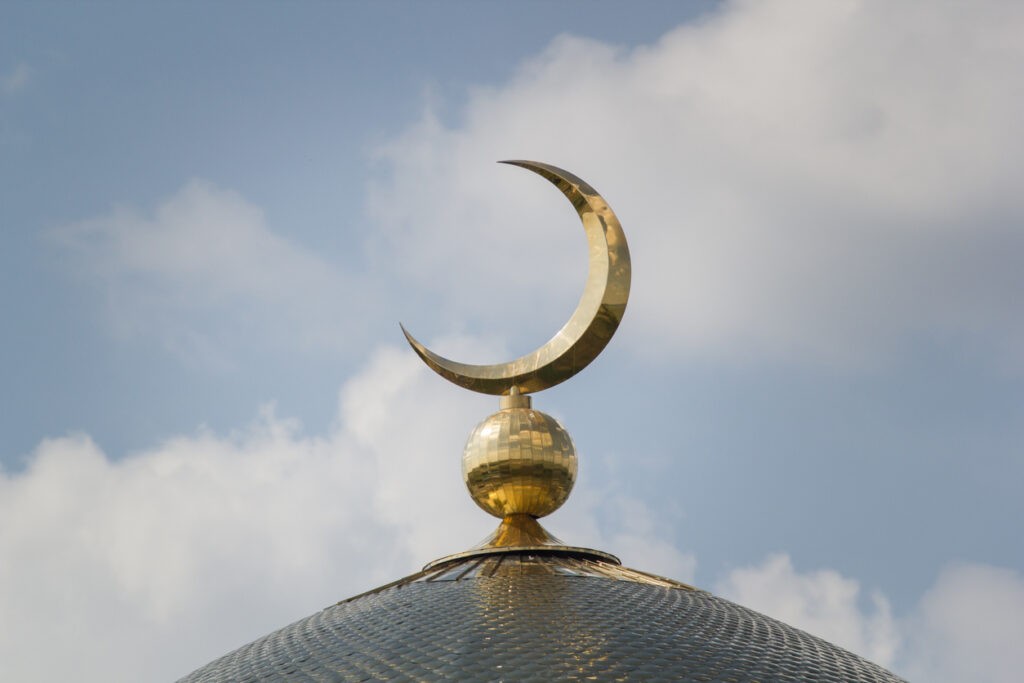
Government Approval Becomes Mandatory for New Mosques in Kyrgyzstan

The Kyrgyz government has introduced a new regulation requiring government approval for the construction of mosques. Azamat Yusupov, the director of the State Commission on Religious Affairs (SCRA), announced the policy during a meeting of the Jogorku Kenesh, Kyrgyzstan’s parliament. Yusupov revealed that over 1,000 religious institutions in the country are currently operating without proper authorization. Of these, around 800 have been officially registered, while approximately 120 mosques remain unregistered. “In the past, mosques were often built first and registered later. Going forward, construction must be pre-approved by state authorities to ensure legal compliance. We will evaluate the necessity of building a mosque in any given area before granting permission,” Yusupov stated. The Kyrgyz parliament is also deliberating a draft law entitled “On Freedom of Religion and Religious Associations.” Prepared by the SCRA, the bill aims to address inconsistencies in existing legislation. The proposed law consists of six chapters and 40 articles, covering a range of issues related to religious freedom and regulation. Key provisions of the draft law include: Mandatory registration of religious sites. A prohibition on combining public service with religious activities. Restrictions on wearing clothing that hinders personal identification. Regulations governing the operations of religious organizations. A ban on interference by religious groups in state affairs. President Sadyr Japarov has engaged with government officials and religious leaders to discuss the draft law, stressing the importance of balancing the interests of all societal groups while safeguarding national security and citizens’ rights. The finalized version of the draft law will soon be presented to the Jogorku Kenesh for consideration and approval. If enacted, these changes are expected to significantly reshape how religious organizations operate in Kyrgyzstan It is not yet clear how ordinary believers will react to the innovations. For example, last year, the Spiritual Administration of Muslims of Kyrgyzstan, which is in line with state policy, reacted sharply to an attempt to initiate a bill banning burkas and beards. Since 2021, the country's authorities have been attempting to strengthen the secular foundations of the state by trying to establish control over various religious organizations. However, this has not prevented certain politicians from harnessing the growing religiosity of the population for their own purposes. In terms of the number of mosques per believer, Kyrgyzstan is ahead of all Central Asian countries, with 3,593 throughout the country. The largest number of mosques is in Osh Province (1,063), the smallest in Naryn Province (194). There are 46 mosques registered in Bishkek and 89 in Osh. Kyrgyzstan also has 220 religious educational institutions, most of which operate in Osh Oblast. Such data is provided by the State Commission on Religious Affairs of the Kyrgyz Republic.

Uzbekistan Strengthens Criminal Penalties for Organising Mass Disturbances

On December 11, Uzbekistan's Parliament, the Oliy Majlis, adopted a draft law amending Article 244 of the Criminal Code, which addresses mass riots. The amendments, passed in the first reading, aim to strengthen legal measures against organizing or financing mass disturbances. Deputy Prosecutor General Svetlana Artikova explained the rationale behind the proposed changes, emphasizing the importance of protecting individuals, society, and the state during turbulent times. “Is there criminal liability for training aimed at organizing mass disturbances or preparing weapons, explosives, or special devices for such purposes? In our opinion, there is,” Artikova stated. She highlighted that such actions threaten public safety and stability, warranting criminal accountability. The draft law introduces two new provisions - parts 3 and 4 of Article 244 - focused on addressing these threats. Financing the organization of mass riots will also be explicitly recognized as a crime. According to Artikova, the amendments aim to safeguard the country’s peace and stability, serving as a preventive measure rather than an act of retribution. “Whether online or offline, participating in such ‘training’ is about destroying our way of life,” she remarked. The proposed amendments will not require extra funding from the state budget. The draft law has already been reviewed and approved by key government entities, including the Supreme Court, the State Security Service, and the Ministries of Economy and Finance, Internal Affairs, and Justice. Details regarding the specific penalties for these offenses were not disclosed by the prosecutor’s office.

Uzbek Deputy Proposes Introducing Visa Regime With Russia

Russian politician Leonid Slutsky has proposed establishing a comprehensive set of mandatory rules for foreign workers in Russia, called the “Migrant Code.” Developed in coordination with diasporas and law enforcement agencies, the code outlines guidelines for migrants seeking legal employment in Russia. According to Slutsky, the Migrant Code will require foreign workers to learn Russian and ensure their families also acquire language skills if residing in Russia. Migrants, he says, must respect Russian culture and traditions, adhere to public behavior standards, obtain official employment, and pay taxes. Additional requirements include securing insurance against deportation or expulsion, undergoing fingerprinting, genomic registration, and mental health testing. In response, Alisher Qodirov, chairman of Uzbekistan’s Milli Tiklanish (National Revival) party, suggested introducing a visa regime with Russia to address potential instability and a rise in migration flows. Qodirov underscored the importance of Uzbekistan and other Central Asian countries implementing stricter entry and exit controls to Russia, alongside enhanced requirements for job seekers. He emphasized the need for migrants to respect their host country’s language, culture, and laws while reaffirming the significance of national values. He further stated that educating Uzbek workers on their rights and responsibilities would help mitigate social, political, and economic challenges for Uzbekistan. It would also protect citizens from exploitation and discrimination abroad, reinforcing the nation’s commitment to safeguarding its people.

Following Corruption Arrests in Kyrgyzstan, MP Calls for PM Japarov to Resign

At a recent parliamentary session, Kyrgyz MP Elvira Surabaldiyeva called for the resignation of Prime Minister Akylbek Japarov following the arrest of senior officials from the State Tax Service (STS). The arrests stemmed from allegations of a corruption scheme involving electronic invoices that reportedly cost the state 3.2 billion KGS (approximately U$37 million). Accusations Against the Government Surabaldiyeva directly accused Japarov and his government of corruption. Addressing the Minister of Economy and Commerce present at the session, she questioned the administration’s inability to curb bribery. “You collect money from the people, but you cannot eliminate bribery in your country. Why are you surprised that people don’t trust you?” she said. “The Deputy Chairman of the Cabinet of Ministers has acknowledged that the corruption scheme caused 3.2 billion KGS in damage. This is a colossal amount. At the very least, the Prime Minister should resign, and the head of the tax service should face jail time.” Government Response Deputy Prime Minister Edil Baisalov responded to Surabaldiyeva’s claims on social media, defending the government’s record and arguing that tax collections in Kyrgyzstan have nearly tripled over the past five years due to improved governance and administration. “The people see what their taxes are used for and recognize the state’s development,” Baisalov stated. He added that the era of bribing tax inspectors is over, emphasizing the government’s commitment to a “relentless struggle” against corruption within the state apparatus. Background on Corruption Arrests Earlier, Kyrgyz special services arrested three senior tax officials from the STS, accusing them of orchestrating a systematic corruption scheme. The officials face charges under the article “Abuse of official position”. Despite these measures, the accusations against Japarov’s administration have sparked broader discussions about the government’s ability to effectively combat corruption and restore public trust.