• KGS/USD = 0.01144 0%
  • KZT/USD = 0.00198 -0%
  • TJS/USD = 0.10903 0.18%
  • UZS/USD = 0.00008 0%
  • TMT/USD = 0.28571 0%
  • KGS/USD = 0.01144 0%
  • KZT/USD = 0.00198 -0%
  • TJS/USD = 0.10903 0.18%
  • UZS/USD = 0.00008 0%
  • TMT/USD = 0.28571 0%
  • KGS/USD = 0.01144 0%
  • KZT/USD = 0.00198 -0%
  • TJS/USD = 0.10903 0.18%
  • UZS/USD = 0.00008 0%
  • TMT/USD = 0.28571 0%
  • KGS/USD = 0.01144 0%
  • KZT/USD = 0.00198 -0%
  • TJS/USD = 0.10903 0.18%
  • UZS/USD = 0.00008 0%
  • TMT/USD = 0.28571 0%
  • KGS/USD = 0.01144 0%
  • KZT/USD = 0.00198 -0%
  • TJS/USD = 0.10903 0.18%
  • UZS/USD = 0.00008 0%
  • TMT/USD = 0.28571 0%
  • KGS/USD = 0.01144 0%
  • KZT/USD = 0.00198 -0%
  • TJS/USD = 0.10903 0.18%
  • UZS/USD = 0.00008 0%
  • TMT/USD = 0.28571 0%
  • KGS/USD = 0.01144 0%
  • KZT/USD = 0.00198 -0%
  • TJS/USD = 0.10903 0.18%
  • UZS/USD = 0.00008 0%
  • TMT/USD = 0.28571 0%
  • KGS/USD = 0.01144 0%
  • KZT/USD = 0.00198 -0%
  • TJS/USD = 0.10903 0.18%
  • UZS/USD = 0.00008 0%
  • TMT/USD = 0.28571 0%
05 December 2025

Viewing results 1 - 6 of 5

Where Tourists Stay in Kazakhstan: Hotel Trends and Costs

Analysts at Ranking.kz have examined hotel preferences in Kazakhstan, including nightly rates, regional popularity among tourists, and where accommodations are most expensive. New Rules and Classification Standards Kazakhstan has implemented updated classification rules for hotels, hostels, recreation centers, and other tourist facilities. While largely technical, the amendments aim to make the classification system more transparent. New standards define specific requirements for accommodations from bed sizes to the mandatory availability of bathrooms and clarify procedures for applications, review timelines, and certificate issuance. According to the National Statistics Bureau, Kazakhstan had 4,300 accommodation facilities in the first quarter of 2025, up 7.7% from a year earlier. These included: 1,500 hotels without restaurants 1,400 bungalows, rural houses, and cottages 804 hotels with restaurants 113 children's camps 108 holiday homes 60 tourist bases 46 resorts 46 campsites Additionally, the country had 28 motels, nine trailer parks and entertainment complexes, and five tourist camps. Out of the total number of hotels, 2,200 had no star classification. Among those categorized, 25 received five-star ratings, 54 received four stars, 32 three stars, three received two stars, and one hotel had a one-star rating. Rising Tourist Numbers and Revenue The hospitality sector continues to show growth. In the first quarter of 2025, Kazakhstani hotels and similar facilities hosted 1.9 million guests, an increase of 12% compared to the same period in 2024. Of these, 1.6 million were Kazakhstani citizens and 257,200 were international tourists. Among domestic travelers, 1.2 million were leisure visitors, while 489,500 traveled for business. For foreign visitors, 120,100 arrived for personal reasons and 137,000 for business purposes. The most common countries of origin included Russia, China, India, Turkey, Uzbekistan, the United States, Kyrgyzstan, Germany, the United Kingdom, South Korea, the United Arab Emirates, Italy, Ukraine, Belarus, and Malaysia. According to UN Tourism, Kazakhstan generated $2.6 billion in international tourism revenue in 2024, up 17.1% from the previous year. Statista projects that the hotel industry will reach $583.15 million in 2025 and grow to $775.03 million by 2030, with the number of users expected to rise to 5.82 million. Regional Tourism Hubs Almaty remains Kazakhstan’s primary tourist destination, attracting 496,900 visitors in the first quarter of 2025, a 5% year-on-year increase. Other leading destinations include Astana (314,100), Almaty Region (161,500), Akmola Region (113,500), and Shymkent (100,100). Tripadvisor lists approximately 2,600 lodging options in Kazakhstan. The top-rated hotels by value include: Kazakhstan Hotel (3.2/5 based on 431 reviews) Park Hotel Almaty (4.5/5, 290 reviews) Uyut Hotel (3.9/5, 166 reviews) Swissotel Wellness Resort Alatau Almaty (4.2/5, 122 reviews) Grand Hotel Tien-Shan (4.3/5, 340 reviews) Data from the eQonaq platform shows that in June 2025, the most visited hotels were Rixos Water World Aktau, Holiday Inn, Sheraton Nur-Sultan Hotel, SAAD Hotel, and Rixos Almaty. The majority of guests during this period were from Uzbekistan (47,600), Russia (42,700), and China (19,500). Hotel Prices by Region In July 2025, the average cost of a hotel night in Kazakhstan was 20,100 KZT (approximately $37), a 0.3% increase from June and 6.2% higher...
Kyrgyzstan Grows Toward Food Security with Surplus Potato and Carrot Harvests

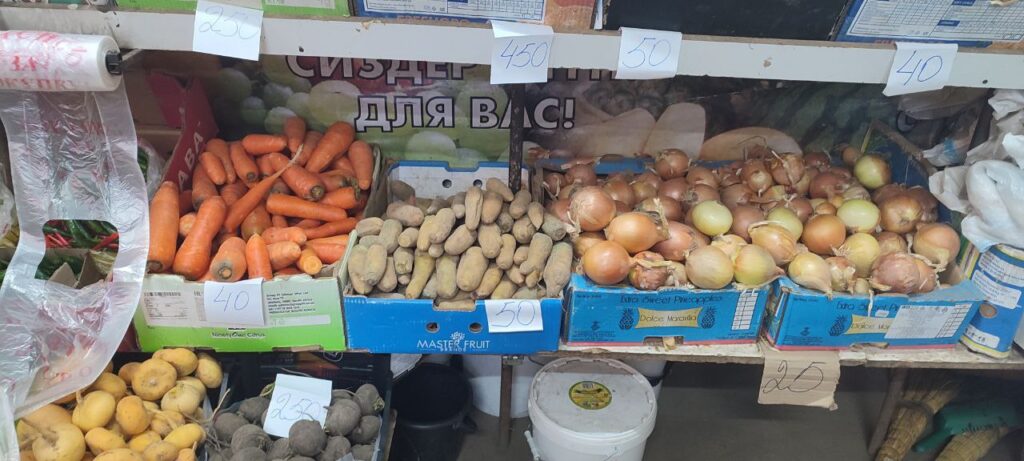
The Kyrgyz government is stepping up efforts to ensure food security and stabilize prices for socially important goods, including staple vegetables such as potatoes and carrots. In response to rising prices, the Ministry of Water Resources, Agriculture, and Processing Industry has decided to maintain existing potato crop volumes while expanding carrot cultivation. According to the ministry, the active open-field growing season is currently underway. In 2025, potato planting areas reached over 64,000 hectares, with a projected harvest exceeding 1.1 million tons. Domestic demand is estimated at approximately 760,000 tons annually, allowing for surplus exports. However, the ministry cautioned farmers against indiscriminately expanding potato acreage in pursuit of higher profits, warning that an oversupply could depress prices and reduce incomes. “To prevent unjustified price increases for socially significant products, the Ministry of Agriculture continues to monitor market prices daily. If risks of domestic shortages arise due to excessive exports or speculative practices by intermediaries, temporary export restrictions will be considered,” the ministry stated. Amid recent price surges for carrots, the government has expanded carrot cultivation by 223 hectares in the Chui region. “The second carrot harvest will ensure a stable domestic supply and help contain price increases,” said Agriculture Minister Bakyt Torobaev. The ministry attributes the current price increases to heightened demand for Kyrgyz vegetables from member states of the Eurasian Economic Union (EAEU) and neighboring countries. Uzbekistan remains the largest importer of Kyrgyz potatoes. In 2024, Kyrgyz exports to Uzbekistan doubled to 68,500 tons, prompting state intervention and temporary export restrictions to prevent domestic shortages and inflation. In addition to Uzbekistan, Kyrgyzstan annually exports over 10,000 tons of potatoes to Kazakhstan, as well as smaller volumes to Russia and Azerbaijan.

On the Threshold of Cold Weather, Kyrgyz People Stockpile Coal

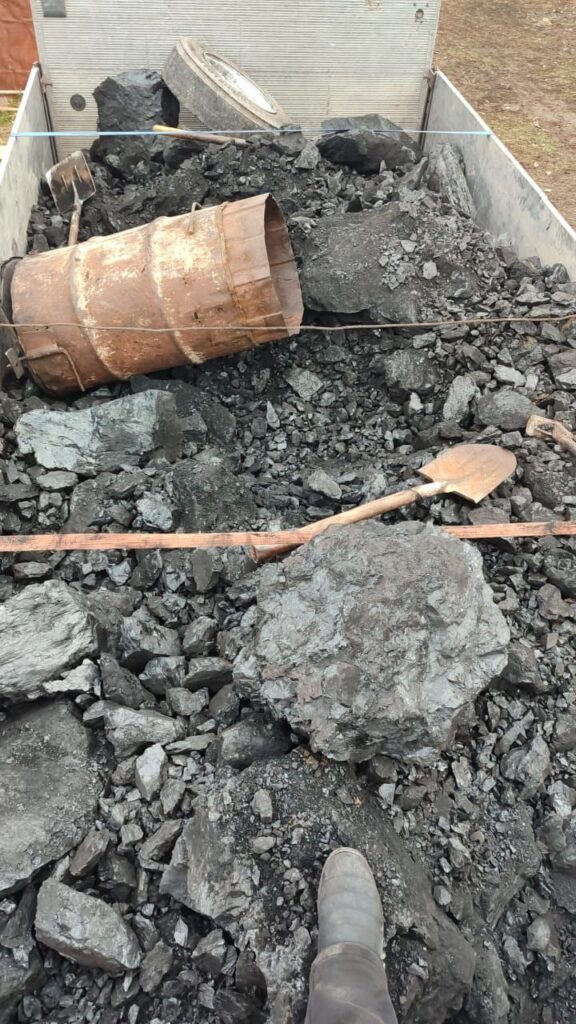
Kyrgyz authorities have extended a temporary ban on coal exports outside the Eurasian Economic Union (EAEU) customs territory. The decree, signed by the head of the Cabinet of Ministers, Akylbek Japarov, aims to prevent a sharp rise in coal prices amid growing demand and to mitigate potential public unrest caused by fuel shortages. The ban, which will remain in effect for six months, excludes coal exported by the state enterprise Kyrgyzkomur. This coal is sold to neighboring Uzbekistan. The Kyrgyz Ministry of Economy and Commerce has been tasked with notifying the World Trade Organization of this decision. As temperatures drop, coal outlets across Kyrgyzstan are experiencing a rush of purchases by residents anxious to prepare for the cold weather. This surge in demand has caused coal prices to rise. To address the issue, the Antimonopoly Service has begun conducting regular inspections of retail outlets to identify sellers inflating prices. “We visit trading outlets undercover and identify sellers who artificially increase prices. Citizens also report violations via our hotline. According to the law, individuals can be fined 3,000 KGS (around $35), and companies can face fines of up to 13,000 KGS (approximately $150),” explained Taalaibek Kenzheshev, a leading specialist in the Antimonopoly Regulation Service's department, during an interview with The Times of Central Asia. In response to rising prices, the government has opened state-run coal outlets to sell fuel directly to consumers without intermediaries, ensuring more affordable pricing. “At private markets, sellers often cheat by selling coal in bags with insufficient weight. State-run outlets sell coal by weight, making it more reliable and cost-effective,” shared Sanzhar Orozbekov, a resident of Chui Oblast, with The Times of Central Asia. The Antimonopoly Regulation Service has set maximum coal prices in each region, depending on logistics complexity and the distance from coal mines. The highest coal prices are in Karakol, located east of the Issyk-Kul region, while the cheapest coal is found in southern Kyrgyzstan. However, even in the south, prices are influenced by coal exports to Uzbekistan. Imported Kazakh coal remains popular among Kyrgyz residents despite its higher cost. Known for burning more efficiently and producing greater heat, it is a preferred choice for some. However, the government intends to phase out the use of Kazakh coal at the Bishkek combined heat and Power Plant (CHPP), planning instead to rely entirely on domestic coal sources. According to the Kyrgyz Ministry of Energy, the country will need 2.6 million tons of coal for the upcoming autumn-winter season, half of which is required by households. The Ministry has assessed preparations for winter as adequate and has assured citizens that there will be no power outages this year.

Turkmenistan Among Ten Countries With Cheapest Gasoline

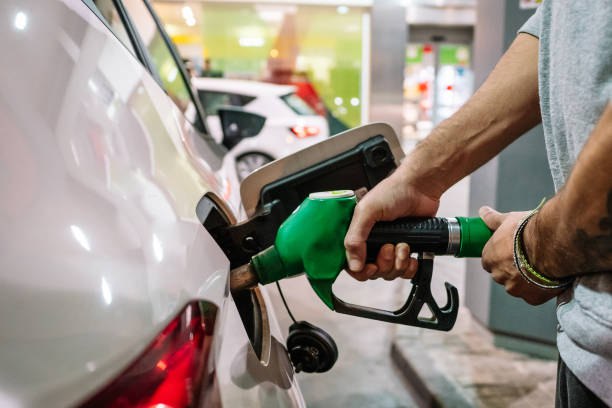
According to the Global Petrol Prices portal, the average price of gasoline worldwide is $1.21 per liter as of September 30, 2024. “However, there is a substantial difference in these prices among countries. As a general rule, richer countries have higher prices while poorer countries and the countries that produce and export oil have significantly lower prices,” the report explains. Iran, Libya, and Venezuela have the lowest diesel fuel prices. Singapore, Israel, Finland, Albania, Switzerland, Liechtenstein, Iceland, the Central African Republic, Monaco, and Hong Kong have the highest prices. The highest price is noted in Hong Kong, where one liter of gasoline is $3,279. Turkmenistan has the lowest oil prices among Central Asian countries. One liter of gasoline costs $0.429, making it among the top 10 countries in terms of low prices. In Kazakhstan, the price of one liter of gasoline is $0.508. In Kyrgyzstan, it is slightly higher—$0.880. The most expensive price in the region is in Uzbekistan, where the price of one liter of gasoline is $0.983. There is no information about the price of gasoline in Tajikistan.

Kyrgyzstan Reports Price Increases for Consumer Goods

According to the National Statistical Committee of Kyrgyzstan, prices for meat, alcoholic beverages, and tobacco products have risen significantly. The largest price increases were observed in Bishkek and the Issyk-Kul region. “Prices for alcoholic beverages and tobacco products, food products, and tariffs for services rendered to the population have increased. At the same time, prices for food products and non-alcoholic beverages decreased,” Deputy Chairman of the Statistical Committee Baktybek Shokenov told a press conference in Bishkek. He said prices fell for fresh fruits and vegetables, cereals, raw milk, eggs, and vegetable oil in the first eight months of 2024. On the contrary, prices for meat, fish, potatoes, salt, rice, cottage cheese, flour of the highest grade, pasteurized milk, sugar, and butter increased significantly. Kyrgyz people have recently complained about a sharp rise in meat prices. Some reports say they have risen by 100 KGS ($1.2) per kilo in six months. The main reason for the sharp rise in meat prices is increased exports; because Kyrgyz meat prices abroad are higher than domestic prices, domestic prices are also rising. Most meat products are exported to neighboring Uzbekistan. Today, a kilogram of beef costs about 650-680 KGS ($8) in the bazaar, although half a year ago, it cost 550-600 KGS ($6-6.5).