• KGS/USD = 0.01144 0%
  • KZT/USD = 0.00207 0%
  • TJS/USD = 0.10419 -0.1%
  • UZS/USD = 0.00008 0%
  • TMT/USD = 0.28571 0%
  • KGS/USD = 0.01144 0%
  • KZT/USD = 0.00207 0%
  • TJS/USD = 0.10419 -0.1%
  • UZS/USD = 0.00008 0%
  • TMT/USD = 0.28571 0%
  • KGS/USD = 0.01144 0%
  • KZT/USD = 0.00207 0%
  • TJS/USD = 0.10419 -0.1%
  • UZS/USD = 0.00008 0%
  • TMT/USD = 0.28571 0%
  • KGS/USD = 0.01144 0%
  • KZT/USD = 0.00207 0%
  • TJS/USD = 0.10419 -0.1%
  • UZS/USD = 0.00008 0%
  • TMT/USD = 0.28571 0%
  • KGS/USD = 0.01144 0%
  • KZT/USD = 0.00207 0%
  • TJS/USD = 0.10419 -0.1%
  • UZS/USD = 0.00008 0%
  • TMT/USD = 0.28571 0%
  • KGS/USD = 0.01144 0%
  • KZT/USD = 0.00207 0%
  • TJS/USD = 0.10419 -0.1%
  • UZS/USD = 0.00008 0%
  • TMT/USD = 0.28571 0%
  • KGS/USD = 0.01144 0%
  • KZT/USD = 0.00207 0%
  • TJS/USD = 0.10419 -0.1%
  • UZS/USD = 0.00008 0%
  • TMT/USD = 0.28571 0%
  • KGS/USD = 0.01144 0%
  • KZT/USD = 0.00207 0%
  • TJS/USD = 0.10419 -0.1%
  • UZS/USD = 0.00008 0%
  • TMT/USD = 0.28571 0%

Viewing results 1 - 6 of 10

Tajik Citizen Deported from Germany Over Suspected Terror Plot

German authorities have deported a 21-year-old citizen of Tajikistan who was detained on suspicion of planning attacks in crowded areas. Although no criminal case was formally opened, law enforcement officials cited concerns for public safety as sufficient grounds for deportation. The individual was detained in December 2025 in the city of Magdeburg. According to Die Zeit, the arrest was prompted by concerns that the young man posed a potential threat to public safety. Authorities claimed that although there was insufficient evidence to prosecute him under criminal law, his behavior suggested the possibility of radical intentions. Following several weeks of investigation, a decision was made to deport him. Police linked their concerns to signs of religious radicalization. Reports suggest the individual exhibited ideological extremism and a growing interest in firearms. While enrolled in a vocational school, he allegedly clashed repeatedly with classmates over religious issues. Mario Schwan, head of the Saxony-Anhalt state police, stated that the case was considered an “immediate threat” based on the police’s assessment. The man had entered Germany legally in June 2024 under a visa granted for participation in the Au Pair program. In his application, he expressed interest in German language and culture. He later enrolled in medical studies at the University Hospital of Magdeburg.

Mirziyoyev Orders Crackdown on Pollution and Waste

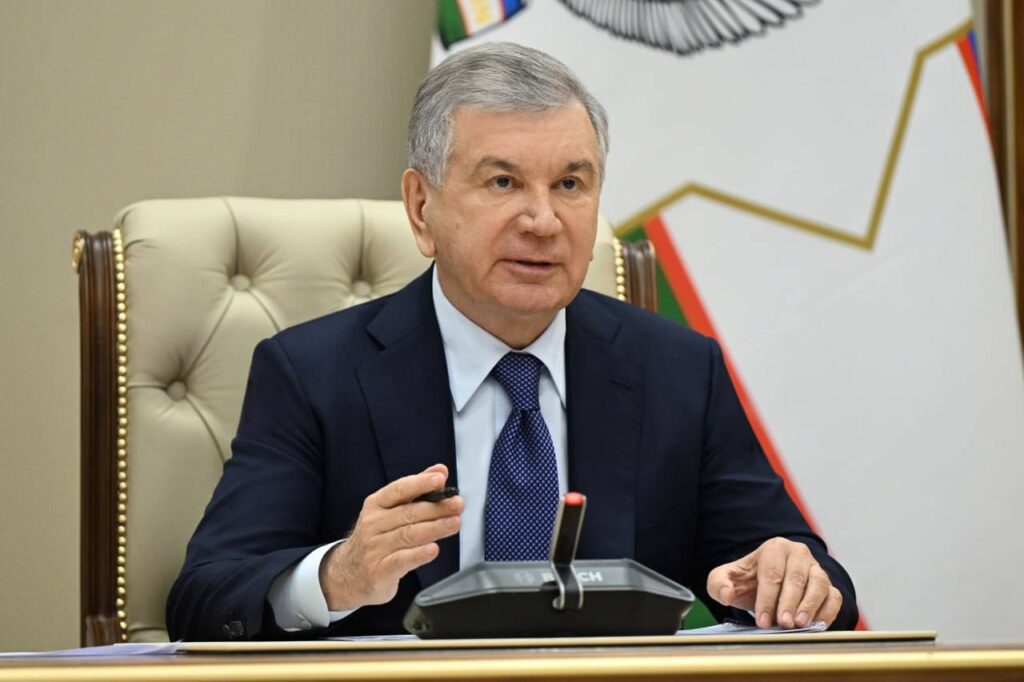
Uzbekistan is intensifying its environmental oversight as President Shavkat Mirziyoyev convened a high-level government meeting on December 1 to address mounting pollution, delays in waste-to-energy infrastructure, and preparedness for the winter season. The session highlighted the rising social and economic risks of air-quality deterioration in Tashkent, and chronic failures in waste management nationwide. Officials attributed recent spikes in air pollution in the capital not only to industrial emissions and construction activity but also to a severe cold anticyclone blanketing much of the country. This weather system caused high atmospheric pressure and temperature inversions, trapping fine particulate matter and inhibiting air circulation. In response, authorities launched inspections of construction sites, greenhouses, and vehicle emissions, while emergency measures, such as watering streets, cleaning canals, and activating fountains, were deployed to stabilize air quality. Mirziyoyev ordered regional officials to enforce stricter environmental compliance, eliminate violations promptly, and take proactive steps to prevent further degradation. He emphasized that growing public frustration demands “decisive and coordinated action” from all levels of government. Stalled Waste-to-Energy Projects Under Scrutiny Waste-to-energy development, a cornerstone of Uzbekistan’s sustainability agenda, also came under fire. Although $933 million in investment has been pledged, several regions have yet to launch projects. Existing facilities in Andijan, Namangan, Ferghana, Samarkand, Kashkadarya, and Tashkent continue to face critical infrastructure deficiencies, including inadequate roads, electricity, and water supply. Mirziyoyev instructed officials to remove these bottlenecks and ensure the nationwide rollout of waste-to-energy projects in 2026. The government has set a target of reducing household waste disposal areas by 50% by 2030. To date, 47 landfill sites have been closed and rehabilitated, restoring over 240 hectares of land for environmental use. Yet the majority of Uzbekistan’s 132 active landfills still lack protective barriers, green belts, and basic safety systems. The president ordered the transformation of these sites into “environmentally safe zones” and called for greater public engagement through environmental education. Starting in 2026, the government will allocate at least 150 billion soums annually from the state budget for this initiative. Hazardous Waste and Digital Tracking Industrial and hazardous waste management also remains underdeveloped. Processing rates have improved but still fall short of international norms. Mirziyoyev demanded a full inventory of hazardous waste generation and storage sites and directed each region to launch its own recycling or disposal initiatives. A unified digital platform will be introduced to monitor hazardous waste nationwide. Winter Readiness and Public Safety Winter preparedness was another major focus. Persistent issues with liquefied gas distribution prompted the president to order operational reforms and faster responses to citizen complaints. Authorities reported substandard repairs along 1,800 kilometers of power lines; the Prosecutor General’s Office will investigate, and the Energy Inspectorate has been tasked with strengthening oversight to ensure stable electricity supply during the winter. Mirziyoyev also called for updated fire-safety standards in residential buildings, including a ban on highly flammable façade materials. Presidential Decree and Long-Term Strategy The December 1 meeting followed a presidential decree issued on November 25 introducing emergency environmental measures and creating a special...

Daines, Gor, Meredov Launch C5+1 Talks on Next-Gen U.S.–Central Asia Ties

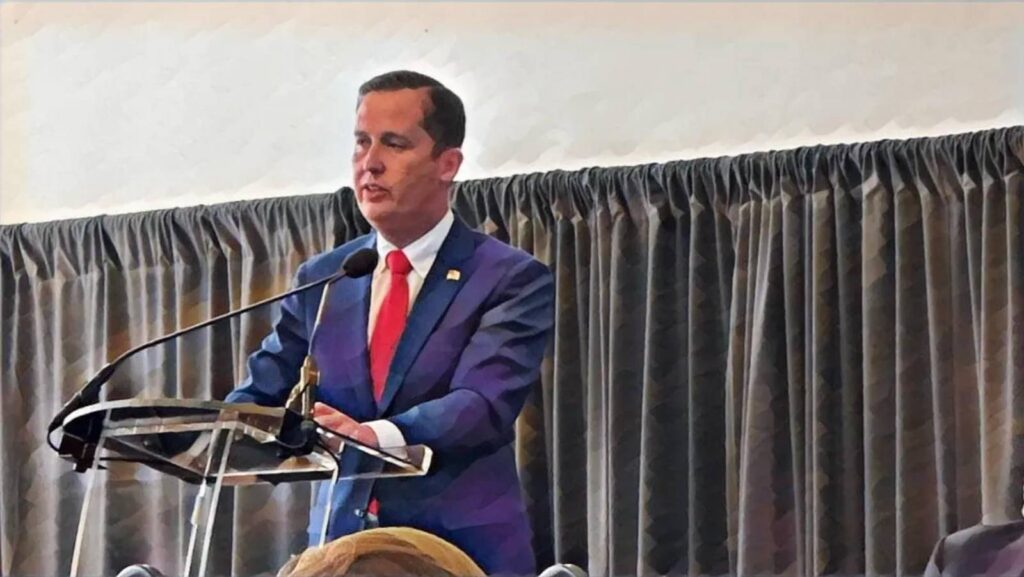
Washington, D.C. — The United States and the five nations of Central Asia – Kazakhstan, Kyrgyzstan, Tajikistan, Turkmenistan and Uzbekistan – marked a decade of partnership on Thursday with an opening panel at the C5+1 Tenth Anniversary Business Conference hosted by the U.S. Department of State. U.S. Senator Steve Daines (Montana), Sergio Gor, the newly appointed U.S. Special Envoy for South and Central Asia and Ambassador to India and Rashid Meredov, Turkmenistan’s Foreign Minister kicked things off with a bold forward-looking vision centered on deeper economic cooperation, net two-way investment flows, and a bolstered U.S. commitment to the region. Held at the Kennedy Center’s REACH campus, the session brought together senior U.S. officials, and Central Asian leaders and private sector companies to deepen a decade of growing cooperation, building on Trump’s transactional approach and first term achievements. Celebrating a Decade of Cooperation U.S. Senator Steve Daines, who moderated the session, not only praised the C5+1 platform’s record of achievements since 2015 but went further. He called the anniversary “a momentous occasion for our nations” to move forward in friendship and a sense of pragmatism, anchored in growing commerce, new investments, cultural exchange, and security cooperation. Daines emphasized that relations with the C5 countries are “vitally important for our national security and prosperity,” adding that the event aimed to pave the way for stronger, results-driven partnerships. Turning to the next speaker, Ambassador Sergio Gor, Daines offered unusually personal remarks, describing him as “truly one of the closest confidants of President Trump.” He noted that “Mr. Gor’s nomination demonstrates President Trump and his administration’s commitment to fostering closer ties between all of our nations.” Daines expressed eagerness to work with  “Sergio and the rest of President Trump’s team” to build upon the successes of previous US-Central Asian relations. U.S. Envoy Stresses Renewed Engagement In his address, Ambassador Sergio Gor,  underscored the administration’s renewed commitment to the region. He recounted that he and Deputy Secretary of State Christopher Landau had visited Kazakhstan and Uzbekistan just last week, praising the hospitality and partnership shown by both governments. Gor extended his appreciation to Kazakhstan, which he noted had “recently become a sponsor of the Kennedy Center,” and thanked Ambassador Richard Grenell for hosting the forum. Gor emphasized that “this President is making this partnership a top priority,” adding that the focus on the five Central Asian nations “is something that has been ignored in past administrations.” According to Gor, President Trump “has made a commitment and has instructed every individual here within the U.S. government to make sure [Central Asia] gets the priority that it deserves.” He emphasized the need to ramp up energy cooperation, open new trade avenues, and secure supply chains for critical minerals. “We are committed to further developing Central Asia’s vast mineral wealth and advancing critical-mineral security,” Gor underscoring C5+1’s shift from dialogue to deliverables and mutual cooperation. He also previewed the White House leaders’ meeting and dinner scheduled for later in the day, noting that several “historic deals” in commerce...

Kyrgyzstan to Nationalize Driving Schools and Reform Driver Training

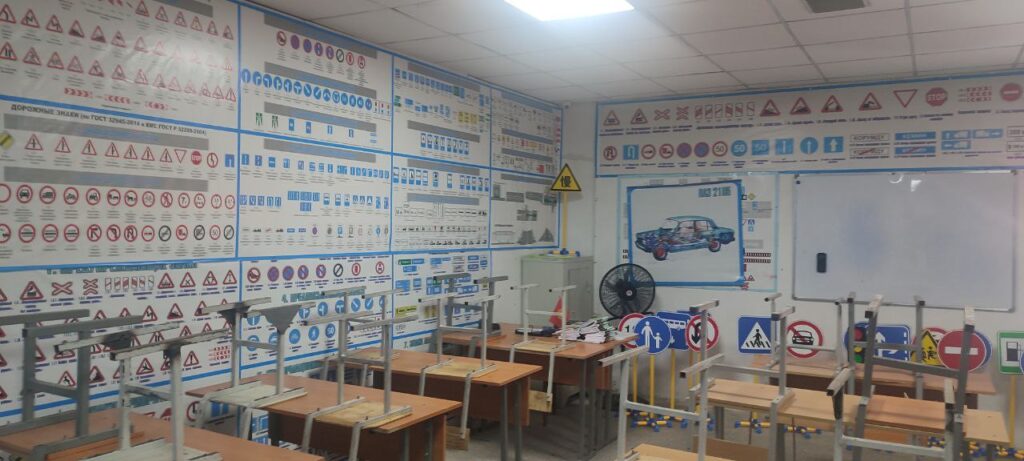
Kyrgyzstan has announced sweeping reforms to its driver training system, set to take effect at the beginning of 2026. All private driving schools will be brought under state control, and the duration of driver training will be extended from three months to fourteen. The reform was presented at a press conference in Bishkek by Kanybek Tumanbaev, Chief of Staff to the President. He stated that the initiative aims to improve road safety and curb corruption in the issuance of driver’s licenses. “There are too many traffic accidents in Kyrgyzstan today. Young people admit to purchasing driver’s licenses through private driving schools, where practical training often lasts just two or three hours,” Tumanbaev said. Under the new system, practical instruction will take place across different seasons, including both summer and winter driving conditions. The curriculum will also include courses on vehicle maintenance and driving etiquette. All exams will be administered under state supervision to prevent bribery and ensure consistent standards. Private driving instructors will not lose their jobs; instead, they will be integrated into the new state-run driving schools. The cost of training for citizens is expected to remain unchanged. Authorities also plan to introduce a partially online format for theoretical classes. As part of the reform, Kyrgyzstan will abolish indefinite driver’s licenses. Beginning in 2026, all newly issued licenses will be valid for 10 years, aligning with international standards. Citizens holding permanent licenses will be required to exchange them for the new format starting in January 2026. The replacement process will be free of charge and will not require retesting. The reforms are a response to persistently high accident rates and what officials describe as inadequate driver education. In 2024, Kyrgyzstan recorded 7,423 traffic accidents resulting in 514 deaths. In the first nine months of 2025, that figure rose to 9,078 accidents with 636 fatalities.