• KGS/USD = 0.01144 0%
  • KZT/USD = 0.00205 0%
  • TJS/USD = 0.10486 0.48%
  • UZS/USD = 0.00008 0%
  • TMT/USD = 0.28571 0%
  • KGS/USD = 0.01144 0%
  • KZT/USD = 0.00205 0%
  • TJS/USD = 0.10486 0.48%
  • UZS/USD = 0.00008 0%
  • TMT/USD = 0.28571 0%
  • KGS/USD = 0.01144 0%
  • KZT/USD = 0.00205 0%
  • TJS/USD = 0.10486 0.48%
  • UZS/USD = 0.00008 0%
  • TMT/USD = 0.28571 0%
  • KGS/USD = 0.01144 0%
  • KZT/USD = 0.00205 0%
  • TJS/USD = 0.10486 0.48%
  • UZS/USD = 0.00008 0%
  • TMT/USD = 0.28571 0%
  • KGS/USD = 0.01144 0%
  • KZT/USD = 0.00205 0%
  • TJS/USD = 0.10486 0.48%
  • UZS/USD = 0.00008 0%
  • TMT/USD = 0.28571 0%
  • KGS/USD = 0.01144 0%
  • KZT/USD = 0.00205 0%
  • TJS/USD = 0.10486 0.48%
  • UZS/USD = 0.00008 0%
  • TMT/USD = 0.28571 0%
  • KGS/USD = 0.01144 0%
  • KZT/USD = 0.00205 0%
  • TJS/USD = 0.10486 0.48%
  • UZS/USD = 0.00008 0%
  • TMT/USD = 0.28571 0%
  • KGS/USD = 0.01144 0%
  • KZT/USD = 0.00205 0%
  • TJS/USD = 0.10486 0.48%
  • UZS/USD = 0.00008 0%
  • TMT/USD = 0.28571 0%

Viewing results 1 - 6 of 21

Kyrgyzstan Offers International Audits of State Firms Amid Russia Sanctions Scrutiny

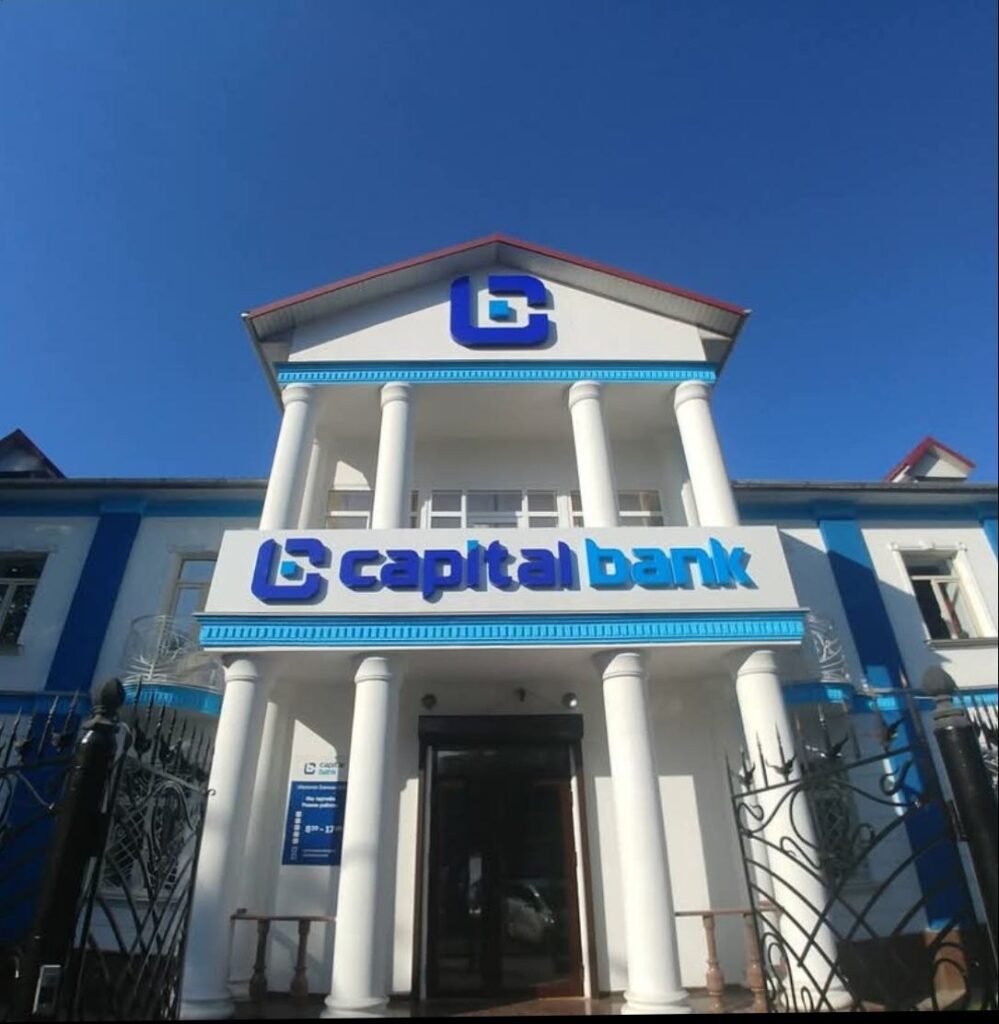
Kyrgyzstan has expressed its readiness to subject state-owned enterprises to international audits amid rising Western scrutiny over potential sanctions circumvention. The statement was made during a meeting in London between First Deputy Chairman of the Cabinet of Ministers Daniyar Amangeldiev and David Reed, Director of Sanctions at the UK Foreign, Commonwealth & Development Office. The two officials discussed Kyrgyzstan’s compliance with international sanctions regimes and the need to prevent any circumvention of restrictions, particularly those related to Russia. Reed raised concerns about the activities of certain Kyrgyz companies engaged in foreign trade, specifically naming Capital Bank and Trading Company, both state-owned enterprises. Capital Bank was created to oversee financial transactions involving Russia and has been designated, as of May 1, as a clearing institution for settlements in Russian rubles. The Trading Company is tasked with monitoring transit trade flows. Amangeldiev emphasized that the establishment of these entities was aimed at enhancing transparency and regulatory oversight, not sanctions evasion. He assured the UK side that Kyrgyzstan is fully open to inspections by international auditing firms and reaffirmed that these companies are operating within legal frameworks. Kyrgyzstan’s foreign trade, especially its re-export of goods, has faced growing scrutiny from Western governments amid broader concerns over the enforcement and impact of sanctions on Russia. The Kyrgyz government has consistently denied any role in facilitating sanctions evasion.

Kazakhstan Targets Anonymous Telegram Channels Over Disinformation Concerns

Kazakhstan’s Ministry of Culture and Information has launched a vocal campaign against anonymous Telegram channels, accusing them of fueling misinformation and destabilizing public discourse. Minister Aida Balayeva has called for stricter controls and accountability from both platform administrators and users. Breeding Grounds for Misinformation Minister Aida Balayeva described anonymous Telegram channels as “breeding grounds for lies,” arguing that their content undermines public stability and trust. Balayeva accused their operators of systematically disseminating fake news and orchestrating provocations designed to manipulate public opinion. The ministry, she said, is pursuing legal mechanisms to identify and block such platforms. “Our clear position is the issue of strengthening responsibility for the deliberate spread of fakes. I believe that anonymity should not be a shield for provocateurs,” Balayeva stated, emphasizing that rules should apply equally online and offline. Balayeva cited the recent case of the Telegram channel Qirsabyn, whose administrators were detained in Astana and Karaganda. According to Kazakhstan’s Prosecutor General’s Office, the individuals allegedly extorted money by threatening to publish false and compromising information. “I think it is time to sit down at the negotiating table with the Telegram administration,” Balayeva added. Battling War Propaganda Balayeva also addressed efforts by her ministry to counter war-related propaganda, particularly content originating from Russian platforms. According to her, some social networks promote mercenary enlistment for the war in Ukraine, targeting citizens across the Commonwealth of Independent States, including Kazakhstan. The ministry reportedly monitors these platforms and alerts site administrators when illegal or harmful content is identified. “The volume of throw-ins and unlawful materials is huge. In any case, it affects the mood of society, and causes resonances,” Balayeva noted. No Blanket Ban on Platforms While advocating for accountability, Balayeva clarified that Kazakhstan does not aim to impose a blanket ban on social networks. She emphasized that maintaining information integrity is a shared responsibility between government bodies, platform operators, and users. “They often talk about blocking different social networks. I want to say: all this depends not only on the administrators of social networks and the actions of government agencies. First of all, it concerns the users of social networks, who must understand their responsibility in that they are directly responsible for stability in society and for the non-proliferation of false information.” Social Media Restrictions for Minors The conversation on regulating online content has also reached Kazakhstan’s Parliament, where Mazhilis deputy, Zharkynbek Amantayuly recently submitted a request to the Prime Minister proposing restrictions on social media use by minors. Amantayuly referenced models in countries such as China, South Korea, France, the United States, and Australia, where age-based limitations are legally enforced, arguing that Kazakhstan should adopt similar laws to regulate minors’ access to social networks and online games. Telegram Under Global Scrutiny Telegram has come under fire in several countries over its resistance to content moderation. In August 2024, the platform’s founder Pavel Durov was briefly detained at Paris-Le Bourget Airport on suspicions ranging from terrorism to drug trafficking and child exploitation. Durov was released, but French authorities...

Kazakhstan Limits Duty-Free Smartphone Imports to Two Per Person Annually

Kazakhstan's Ministry of Finance plans to amend regulations governing the volume of goods citizens may import for personal use without paying customs duties. According to a draft order published on the Open NPAs (Normative Legal Acts) website, individuals will be allowed to bring in no more than two new smartphones and two new tablets per year, duty-free, from outside the Eurasian Economic Union (EAEU). The proposed changes, open for public discussion until April 22, also cap duty-free imports at one new laptop, one new bicycle, one baby stroller, and one car per person annually. All restrictions apply exclusively to newly manufactured goods in factory packaging. Used versions of these items, except for cars, will not be subject to quantity limits. Additionally, individuals may import up to five pieces of jewelry and one item of fur clothing (including headwear) per year, provided each item differs by name, size, or style. These restrictions are part of a broader effort by authorities to curb the illegal import and resale of consumer goods, especially smartphones. As The Times of Central Asia reported earlier this year, Kazakhstan intensified efforts in March to clamp down on the smuggling of smartphones into the domestic market. The new limits on personal-use imports are a key part of this crackdown. However, questions remain as to why the regulations do not cover used smartphones, which are also commonly trafficked through unofficial channels.

Unvaccinated Children Barred from First Grade in Kyrgyzstan

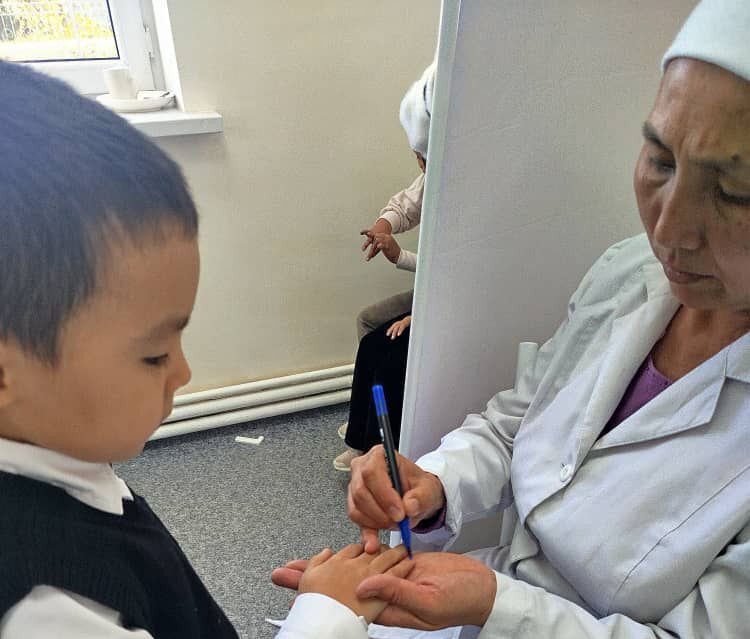
Kyrgyzstan’s Ministry of Education has announced that children who are not vaccinated will not be admitted to first grade, amid a worsening measles outbreak in the country. Deputy Education Minister Lira Samykbayeva stated during a live national radio broadcast that the process of registering children for school has been significantly simplified. Parents no longer need to submit numerous documents such as passports, marriage or birth certificates, and proof of family composition. “This year, the Ministry of Education integrated its database with other government agencies, so there is no longer a need to collect certificates manually,” Samykbayeva explained. However, she emphasized that two medical certificates will remain mandatory: one confirming a general health examination, and another verifying that the child has received preventive vaccinations, including the measles vaccine. “The only thing that must be provided to the school is two medical certificates,” she said. “Including vaccination against measles.” A government decree enforcing the new requirement was adopted just a day earlier. In the future, the Ministries of Education and Health plan to fully integrate their systems, allowing medical records to be accessed automatically by schools. The stricter policy comes as Kyrgyzstan battles a growing measles outbreak. Since the beginning of the year, over 4,000 children have contracted the disease, and eight people have died. According to health officials, 95 percent of those infected were unvaccinated. Speaking to The Times of Central Asia, Gulbara Ishenapysova, Director of the Republican Center for Immunoprophylaxis, said the Ministry of Health is stepping up vaccination efforts. “By decision of the Kyrgyz Cabinet of Ministers, the ministry has revised the national vaccination calendar,” she noted. In an effort to improve public trust, Kyrgyz health authorities have also engaged religious leaders. Clergy across the country are being encouraged to speak with parents about the importance of vaccinating their children.

Kazakhstan to Curb SIM Card Issuance Amid Rising Digital Fraud

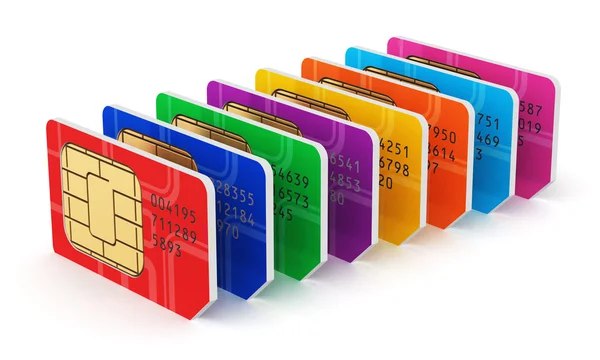
Kazakhstan is considering new restrictions on the number of SIM cards individuals and legal entities can possess, in a bid to combat growing digital fraud. The proposal was announced by First Deputy Prosecutor General Timur Tashimbayev during a parliamentary session where the corresponding bill is under discussion. Targeting Scams Through Regulation The draft legislation proposes a cap, either five or ten SIM cards per individual, as well as the introduction of video verification during registration, mirroring procedures used in the financial sector. “Unfortunately, anyone can currently purchase SIM cards with virtually no oversight. They’re sold in stores, handed out during promotions, and it’s nearly impossible to track who is using them and for what purpose,” Tashimbayev said. In collaboration with mobile operators, the Prosecutor General’s Office has also developed methods to detect so-called SIM boxes, devices used to mask international internet calls as local traffic. In the past year, law enforcement seized 78 such devices and over 50,000 SIM cards connected to illegal operations. Data and Legislative Developments Since 2019, Kazakhstan has mandated registration of mobile devices through a combination of IMEI number, SIM card, and the subscriber’s Individual Identification Number (IIN), creating a digital footprint for each user. Despite this, new forms of fraud continue to emerge. In 2023, discussions began around biometric identification for remote telecom services. The plan would require users to provide facial recognition data when registering SIM cards, a move aimed at deterring the use of fake identities. Reclaiming the Numbering Plan In October 2024, Vice Minister of Digital Development Askhat Orazbek announced plans to return control over the country’s numbering plan to the state. Under the proposal, new numbers would be issued via the eGov portal and its mobile app. The initiative also includes differentiating SIM cards by purpose. While private users will face strict limits, legal entities will be required to justify the need for each card issued. “We will cap the number of SIM cards per person. Legal entities issuing them on a large scale must provide documentation justifying their use,” Orazbek stated. Universal SIM Cards on the Horizon Alongside restrictions, Kazakhstan is considering the rollout of universal SIM cards. Enabled by a draft law on virtual telecom operators, these cards would be compatible with the nearest base stations of any network provider, thanks to shared infrastructure access. Adapting to New Digital Threats With cyber fraud becoming increasingly sophisticated, Kazakhstan is taking a multi-pronged approach to enhance digital security. The proposed limits on SIM card ownership, enhanced registration protocols, and the development of virtual operators are central to this evolving strategy to combat telecom-related crime.

Turkmenistan Government Monitoring Former Law Enforcers and Imposing Travel Restrictions

Turkmenistan’s Ministry of Justice has launched an initiative to collect data on former Interior Ministry officials to track those who have left the country. This move is the latest in a series of efforts by the government to monitor and restrict its citizens’ ability to travel abroad. Tracking Former Law Enforcement Officers Since February 2025, the Ministry of Justice has been compiling information on former law enforcement officers who held ranks of major or higher and served between 1991 and 2024. The Ministry of Internal Affairs, the Ministry of National Security (MNS), the Migration Service, and the Prosecutor’s Office have been instructed to assist in the campaign, which is expected to conclude by the end of April. The main objective is to identify retired officers who have relocated abroad. Several theories have emerged regarding the authorities' motives. One explanation is that routine inspections revealed cases of former officers settling in other countries after retirement. Another theory links the initiative to the recent controversy surrounding Rustam Inoyatov, the former head of Uzbekistan’s National Security Service, who, along with his family, acquired Vanuatu citizenship through a “golden passport” program. Turkmen security services suspect that similar schemes may have been used by their own former colleagues. Particular scrutiny is being placed on those who had professional ties with Inoyatov during his tenure. Law enforcement veterans are now required to submit reports detailing their current residence and occupation. In cases where an ex-officer has passed away, their relatives must provide official documentation, including death certificates and burial site information. New Restrictions on Travel Abroad Retired law enforcement officers have been informed that they may only leave the country for medical reasons and must obtain official authorization from the Ministry of Health. This is not the first instance of the government tightening travel restrictions. In September 2024, reports surfaced that public sector employees were being compelled to surrender their biometric passports or provide proof that they did not possess one.  While officials have not commented on these measures, observers believe they are linked to the increasing number of citizens emigrating in search of work or permanent residency. Additionally, recent reports indicate that some Turkmen nationals have participated in Russia’s war against Ukraine, with some receiving Russian citizenship in return for their military service. Confiscation of Student Passports Travel restrictions have also been extended to students. In the fall of 2024, media reports revealed that students enrolling in Turkmen universities were required to surrender their passports to prevent them from traveling abroad.  Students who refuse to comply and sign a receipt acknowledging the surrender of their passports face the risk of being denied admission. According to sources, this policy has been in place for two years, with passports held by faculty deans for the duration of students’ studies. Although officials have not provided explanations for these measures, university professors suggest that they aim to curb mass youth migration. Previously, students were only required to sign receipts, but authorities have now escalated their efforts by confiscating passports...