• KGS/USD = 0.01144 0%
  • KZT/USD = 0.00201 0%
  • TJS/USD = 0.10433 0%
  • UZS/USD = 0.00008 0%
  • TMT/USD = 0.28571 0%
  • KGS/USD = 0.01144 0%
  • KZT/USD = 0.00201 0%
  • TJS/USD = 0.10433 0%
  • UZS/USD = 0.00008 0%
  • TMT/USD = 0.28571 0%
  • KGS/USD = 0.01144 0%
  • KZT/USD = 0.00201 0%
  • TJS/USD = 0.10433 0%
  • UZS/USD = 0.00008 0%
  • TMT/USD = 0.28571 0%
  • KGS/USD = 0.01144 0%
  • KZT/USD = 0.00201 0%
  • TJS/USD = 0.10433 0%
  • UZS/USD = 0.00008 0%
  • TMT/USD = 0.28571 0%
  • KGS/USD = 0.01144 0%
  • KZT/USD = 0.00201 0%
  • TJS/USD = 0.10433 0%
  • UZS/USD = 0.00008 0%
  • TMT/USD = 0.28571 0%
  • KGS/USD = 0.01144 0%
  • KZT/USD = 0.00201 0%
  • TJS/USD = 0.10433 0%
  • UZS/USD = 0.00008 0%
  • TMT/USD = 0.28571 0%
  • KGS/USD = 0.01144 0%
  • KZT/USD = 0.00201 0%
  • TJS/USD = 0.10433 0%
  • UZS/USD = 0.00008 0%
  • TMT/USD = 0.28571 0%
  • KGS/USD = 0.01144 0%
  • KZT/USD = 0.00201 0%
  • TJS/USD = 0.10433 0%
  • UZS/USD = 0.00008 0%
  • TMT/USD = 0.28571 0%

Viewing results 1 - 6 of 4

Kazakhstan Increased Agricultural Export Revenue by More than a Third in 2025

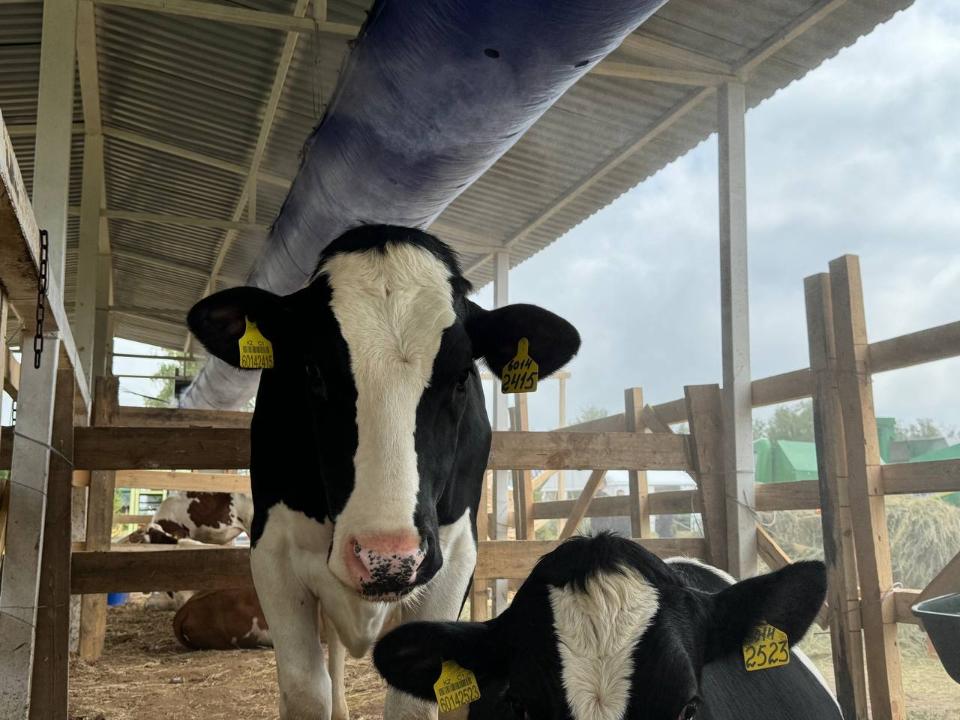
Export revenues from Kazakhstan’s agro-industrial complex reached $7 billion in 2025, an increase of 37% compared to the previous year. This was announced by Deputy Minister of Agriculture Yerbol Taszhurekov. A year earlier, export revenues from agriculture totaled $5.1 billion. That figure was nearly 1.7 times higher than in 2018, when Kazakhstan’s farmers exported $3.1 billion worth of products. According to Taszhurekov, more than half of the export revenue in 2025, about $3.6 billion, came from processed agricultural products. Supplies of processed goods to foreign markets grew by 35% compared to 2024, when their exports amounted to $2.7 billion. “Significant growth in production allows us not only to fully supply the domestic market, but also to actively increase export volumes,” the deputy minister said. He also noted that the share of processed products in total agricultural output continues to rise. While it accounted for about 50% in 2024, preliminary data for 2025 suggests this figure has increased to 60%. Overall, Kazakhstan’s gross agricultural output rose by 5.9% in 2025, reaching 9.8 trillion tenge (about $19.6 billion). Among the sector’s key achievements were high yields of grain and oilseeds. Last year, the country harvested 25.9 million tons of grain in net weight, including 19.3 million tons of wheat. A record harvest of oilseeds was also recorded at 4.8 million tons, along with more than 1 million tons of legumes. According to Taszhurekov, changes in the structure of cultivated areas were the result of a policy aimed at agricultural diversification. The area planted with wheat was reduced by nearly 900,000 hectares, while the area under legumes increased by 275,000 hectares and oilseed crops expanded by more than 1 million hectares. “This creates a more sustainable agricultural model and expands the raw material base for processing enterprises,” he said. One of the most promising areas of development remains deep grain processing. By 2028, Kazakhstan plans to launch new production facilities with a total capacity of 5.8 million tons per year. Investment in these projects is estimated at approximately 1.9 trillion tenge (about $3.8 billion), and more than 3,300 jobs are expected to be created. The product range will also expand, with enterprises planning to produce amino acids, syrups, vitamins, and other high-value processed products. Taszhurekov also noted the expansion of state support instruments for the agro-industrial complex. Preferential loans have been introduced for processing enterprises to purchase fixed assets at an interest rate of 2.5% and to finance working capital at a rate of 5%. In addition, investment subsidy programs have been expanded. While the standard reimbursement rate is 25%, it has been increased for several priority sectors, to 40% for sugar production and egg processing, and to 50% for high-tech agricultural industries. “Thanks to the state support measures adopted, the industry is showing steady positive dynamics,” the ministry representative said. As previously reported by The Times of Central Asia, Kazakhstan also plans to bring one of its iconic agricultural products, Aport apples, to international markets.

Kazakhstan’s Cinema Sees Record Growth in Attendance and Revenue

Cinema attendance in Kazakhstan grew by 11% in 2024, reaching a record 23 million viewers, according to the Bureau of National Statistics. This surpasses the previous year’s record of 21 million, reflecting a sustained recovery and growth in the country’s film industry. Of the total visits, foreign films accounted for 53%, approximately 12.2 million admissions, while domestic films drew 43% of the audience. Co-produced films made up the remaining 4%. Revenues from cinema screenings also hit a new high, reaching 43.9 billion tenge ($84.1 million) in 2024, up from 37.3 billion tenge ($71.5 million) the previous year. Domestic productions contributed 17.8 billion tenge ($34.1 million), marking a 19.3% increase from 2023. That year, revenue from Kazakhstani films grew by an impressive 58.5% compared to 2022. Foreign films generated 24.2 billion tenge ($46.3 million), showing a 17.8% increase over the previous year. Kazakhstan currently has 113 cinemas, with the largest concentrations in major cities: Almaty (22), Astana (11), and Shymkent (7). These cities also led in audience numbers, with Almaty recording 7.8 million visits, Astana 4 million, and Shymkent 1.9 million​. In 2024, the Kazakh film industry produced 514 films, 127 more than in 2023. The breakdown includes 175 feature films, 215 documentaries, 83 animated films, and 41 newsreel-style chronicles. Feature-length films accounted for 18% of this output, with the rest being short films. However, despite increased production, the number of operational film studios fell from 98 in 2023 to 80 in 2024. This contraction highlights ongoing structural challenges in the sector, even amid growing output and audience engagement. As previously reported by The Times of Central Asia, Kazakhstan is leveraging its cinematic revival to reinforce national traditions and cultural identity​.