
• KGS/USD = 0.01144 0%
  • KZT/USD = 0.00216 0%
  • TJS/USD = 0.10718 0.28%
  • UZS/USD = 0.00008 0%
  • TMT/USD = 0.28530 0%
  • KGS/USD = 0.01144 0%
  • KZT/USD = 0.00216 0%
  • TJS/USD = 0.10718 0.28%
  • UZS/USD = 0.00008 0%
  • TMT/USD = 0.28530 0%
  • KGS/USD = 0.01144 0%
  • KZT/USD = 0.00216 0%
  • TJS/USD = 0.10718 0.28%
  • UZS/USD = 0.00008 0%
  • TMT/USD = 0.28530 0%
  • KGS/USD = 0.01144 0%
  • KZT/USD = 0.00216 0%
  • TJS/USD = 0.10718 0.28%
  • UZS/USD = 0.00008 0%
  • TMT/USD = 0.28530 0%
  • KGS/USD = 0.01144 0%
  • KZT/USD = 0.00216 0%
  • TJS/USD = 0.10718 0.28%
  • UZS/USD = 0.00008 0%
  • TMT/USD = 0.28530 0%
  • KGS/USD = 0.01144 0%
  • KZT/USD = 0.00216 0%
  • TJS/USD = 0.10718 0.28%
  • UZS/USD = 0.00008 0%
  • TMT/USD = 0.28530 0%
  • KGS/USD = 0.01144 0%
  • KZT/USD = 0.00216 0%
  • TJS/USD = 0.10718 0.28%
  • UZS/USD = 0.00008 0%
  • TMT/USD = 0.28530 0%
  • KGS/USD = 0.01144 0%
  • KZT/USD = 0.00216 0%
  • TJS/USD = 0.10718 0.28%
  • UZS/USD = 0.00008 0%
  • TMT/USD = 0.28530 0%

Viewing results 1 - 6 of 4

The Northern Silk Road and the Middle Corridor

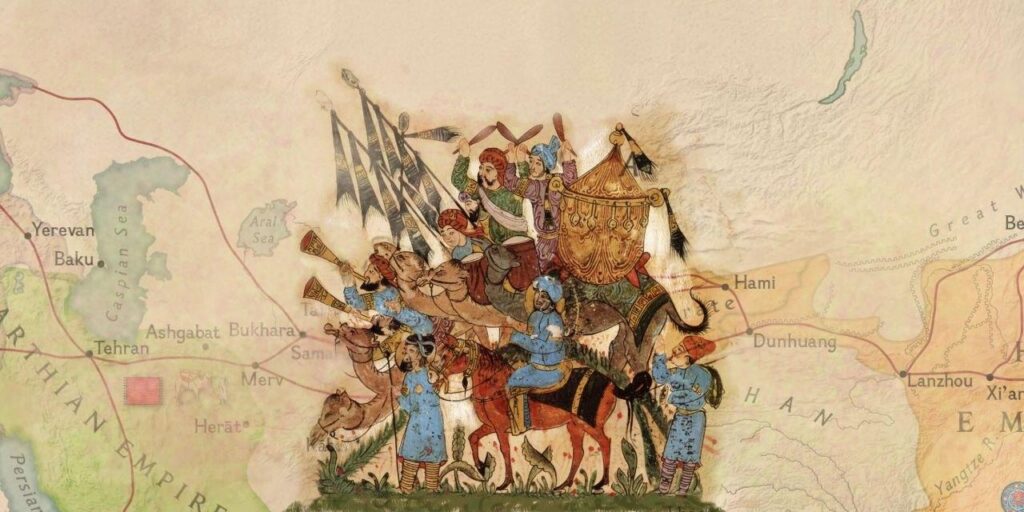
The recent hostilities in the Persian Gulf and the ensuing naval blockades of Iran have brought into sharp relief the growing importance of the Middle Corridor – or Trans-Caspian International Transport Route (TITR) – the rapidly expanding trade link between Western China and Europe. This vast network of road, rail and maritime transport links had already increased in importance as a result of Russia’s invasion of Ukraine and the ensuing sanctions, which have crippled large parts of Russia’s economy. With hundreds of container ships and oil tankers bottled up in the Gulf and the prospect of serious economic consequences, particularly in the developing world and for China and India, the idea of an overland – mostly – trade route to Europe is increasingly seen as a solution that provides a viable alternative in uncertain times. And not for the first time, as we shall discover. The TITR is around 3,000 km shorter than the so-called Northern Corridor through the Russian Federation, and transit times from China to Europe now average 10-15 days, compared to double that time for the Northern Corridor and anything up to 60 days for sea transport. According to World Bank estimates, the Middle Corridor could soon account for 20% of overland trade between China and the EU, with a tripling of current traffic levels by 2030, mainly due to economic growth in the Greater Caspian region. When planning began on the Middle Corridor almost 15 years ago, few people appreciated how rapidly it would develop. But as uncertainties over trade policies have increased, a route that avoids both the Russian Federation and the increasingly dispute-prone waterways in the Gulf and the Red Sea makes sense. Goods produced in Chinese factories in Chongqing, Xi’an and Urumqi can now be transported westward across Kazakhstan by rail to its Caspian Sea ports at Aktau and Kuryk. There are now major rail termini at the Kazakhstan-China border and more than 4,250 kms of rail lines in the network, together with 500 kms of sea transport. In Aktau on the Caspian, containers are loaded onto ships bound for Baku in Azerbaijan, where they are transferred onto the rolling stock of the Baku-Tbilisi-Kars (BTK) Railway for shipment into Turkey. The original plan was designed to handle 6.5 million tons of freight annually, but this figure is expected to top 17 million tons by 2034. New port facilities to handle the increasing number of containers arriving at Aktau and Kuryk have been financed by Kazakhstan’s Nurly Zhol Programme. Aktau, for example, is being dredged to enhance maritime safety and expand capacity. Its port currently handles up to 15 million tons of cargo a year. According to the TITR itself, around 57,000 containers travelled along the route in 2024, up from 20,500 in 2023. The route has continued to gather momentum in 2026: from January to March, 125 container trains were dispatched from China via the corridor, a 34.4% increase over the same period last year. Rail traffic volume increased by 5.7% in Azerbaijan...

Silk Roads Curators Push Boundaries in London

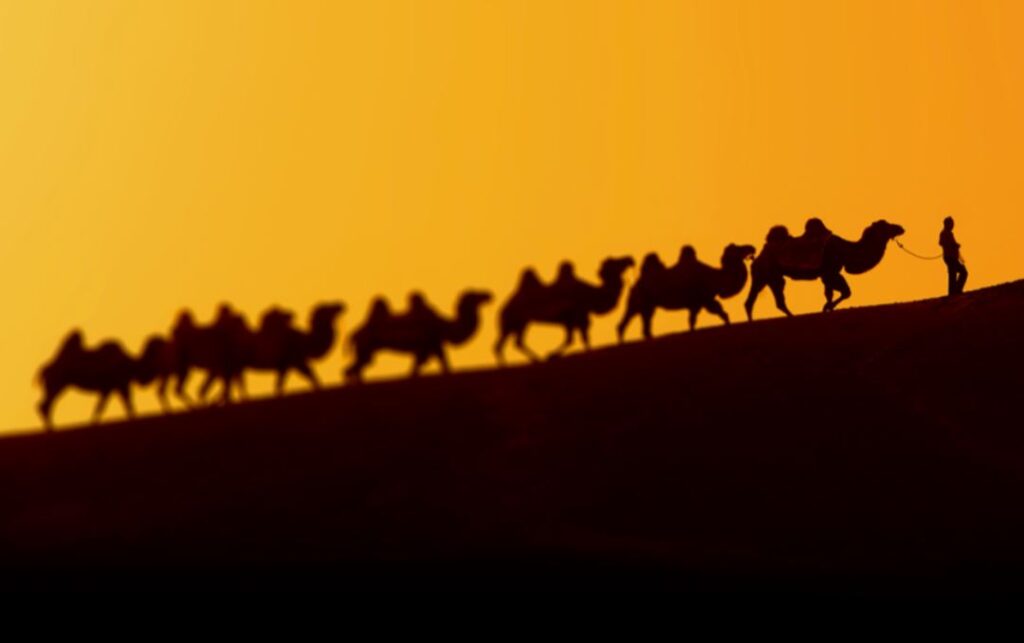
The curators of the Silk Roads exhibition at the British Museum got out of their comfort zones to create the show, which traces the intricate ties and overlapping networks linking Asia, Europe and Africa centuries ago. The lead image of the exhibition is the silhouette of a camel caravan that evokes romanticized notions of Silk Road trade, but the curators wanted to go further, exploring the geographic sweep of the routes along which people, objects and ideas moved over many generations. The London show, which opened in late September and runs until Feb. 23, 2025, includes objects from nearly all the museum’s collection departments as well as items on loan from Uzbekistan, Tajikistan and other places. Silk Roads has received generally positive reviews and some raves. There are a few critics. William Dalrymple, a prominent historian whose most recent book is “The Golden Road: How Ancient India Transformed The World,” said the show didn’t give enough attention to India. Last week, the curators said in a presentation that the connectivity and expansiveness of the project could be a model for exhibitions on other topics even as it hewed to rigorous scientific research involving British Museum experts and international specialists from other institutions. The Silk Road exhibition “goes beyound the norm in its experimental approach to tell big stories in a museum setting,” curator Luk Yu-ping said, adding that it was the first major show at the British Museum led by a team of three curators from different departments and with different fields of knowledge. “Each of us has had to step beyond our comfort zones and stretch well beyond our areas of expertise,” said Luk, an expert in Chinese paintings and prints as well as Central Asia collections. The result, she said, is an exhibition that “shows the potential for reimagining permanent displays and further developing partnerships and future projects” involving the British Museum. Another curator, Sue Brunning, said the layout of the Silk Roads show tries to evoke a winding journey through distant lands. “The design of the exhibition is quite open with no walls and  few barriers, and this is also to emphasize the connectivity between the different regions,” said Brunning, an archaeologist who specializes in early medieval European collections. Visitors can see for long distances down the gallery, and the different heights of the displays give an idea of the terrain, according to Brunning. There are also large images of the sea, mountains and other natural environments that give a sense of what people were traversing at the time, as well as an “ambient soundscape of environmental and travel sounds,” she said. The third curator is Elisabeth R. O'Connell, a specialist in ancient Egypt and the Byzantine period. She did not participate in the talk. While the Silk Roads network lasted for millennia, the British Museum is focusing on a relatively narrow slice of it - the period between AD 500 and AD 1,000, when contacts accelerated and flourished. Luk said museums in Uzbekistan and Tajikistan loaned...