
• KGS/USD = 0.01144 0%
  • KZT/USD = 0.00216 0%
  • TJS/USD = 0.10663 0%
  • UZS/USD = 0.00008 0%
  • TMT/USD = 0.28530 0%
  • KGS/USD = 0.01144 0%
  • KZT/USD = 0.00216 0%
  • TJS/USD = 0.10663 0%
  • UZS/USD = 0.00008 0%
  • TMT/USD = 0.28530 0%
  • KGS/USD = 0.01144 0%
  • KZT/USD = 0.00216 0%
  • TJS/USD = 0.10663 0%
  • UZS/USD = 0.00008 0%
  • TMT/USD = 0.28530 0%
  • KGS/USD = 0.01144 0%
  • KZT/USD = 0.00216 0%
  • TJS/USD = 0.10663 0%
  • UZS/USD = 0.00008 0%
  • TMT/USD = 0.28530 0%
  • KGS/USD = 0.01144 0%
  • KZT/USD = 0.00216 0%
  • TJS/USD = 0.10663 0%
  • UZS/USD = 0.00008 0%
  • TMT/USD = 0.28530 0%
  • KGS/USD = 0.01144 0%
  • KZT/USD = 0.00216 0%
  • TJS/USD = 0.10663 0%
  • UZS/USD = 0.00008 0%
  • TMT/USD = 0.28530 0%
  • KGS/USD = 0.01144 0%
  • KZT/USD = 0.00216 0%
  • TJS/USD = 0.10663 0%
  • UZS/USD = 0.00008 0%
  • TMT/USD = 0.28530 0%
  • KGS/USD = 0.01144 0%
  • KZT/USD = 0.00216 0%
  • TJS/USD = 0.10663 0%
  • UZS/USD = 0.00008 0%
  • TMT/USD = 0.28530 0%

Viewing results 1 - 6 of 9

Kyrgyzstan Expands Small Hydropower to Tackle Rising Energy Deficit

Kyrgyzstan is accelerating its development of small hydropower plants as it seeks to close a widening electricity gap driven by surging demand and limited domestic generation capacity. On April 20, two new small hydroelectric power plants (HPPs) were commissioned in the country's northern Chui region. The Sokuluk-3 HPP has a capacity of 9.5 MW, while the Tuyuk HPP has a capacity of 5.9 MW. Combined, they are expected to generate between 60 million and 70 million kWh of electricity annually. Speaking at the launch ceremony, President Sadyr Japarov underscored the strategic importance of small-scale hydropower. “Such projects increase the resilience of the energy system and facilitate the gradual reduction of the energy deficit. Today, 48 small hydroelectric power plants with a total capacity of 180 MW are operating in Kyrgyzstan. They play a significant role in strengthening energy independence and reducing dependence on imports,” he said. The government is scaling up efforts in the sector, with 50 small HPPs currently under construction across the country. Of these, 13 are scheduled to be commissioned in 2026. Electricity demand in Kyrgyzstan continues to rise rapidly. In 2025, total consumption reached 19.3 billion kWh, up by 900 million kWh compared to the previous year. Domestic generation accounted for 15.4 billion kWh, while the remaining 3.9 billion kWh was covered through imports from Turkmenistan, Uzbekistan, Kazakhstan, and Russia. According to Minister of Water Resources, Agriculture, and Processing Industry, Bakyt Torobayev, electricity consumption has grown by more than 25% over the past five years, rising from 15.4 billion kWh in 2020. “If current electricity consumption rates continue, it could reach 25 billion kWh by 2030,” Torobayev said. The surge in demand has been driven by rapid housing construction and the launch of new industrial facilities. With Kyrgyzstan’s population now exceeding 7.4 million, the number of electricity consumers is expanding steadily. Over the past three years alone, 4,192 industrial facilities and 96,975 households have been connected to the national grid, according to the Energy Ministry. Despite the expansion of generation capacity, supply continues to lag behind demand, prompting authorities to prioritize small hydropower as a flexible and scalable solution to improve energy security and reduce reliance on imports.
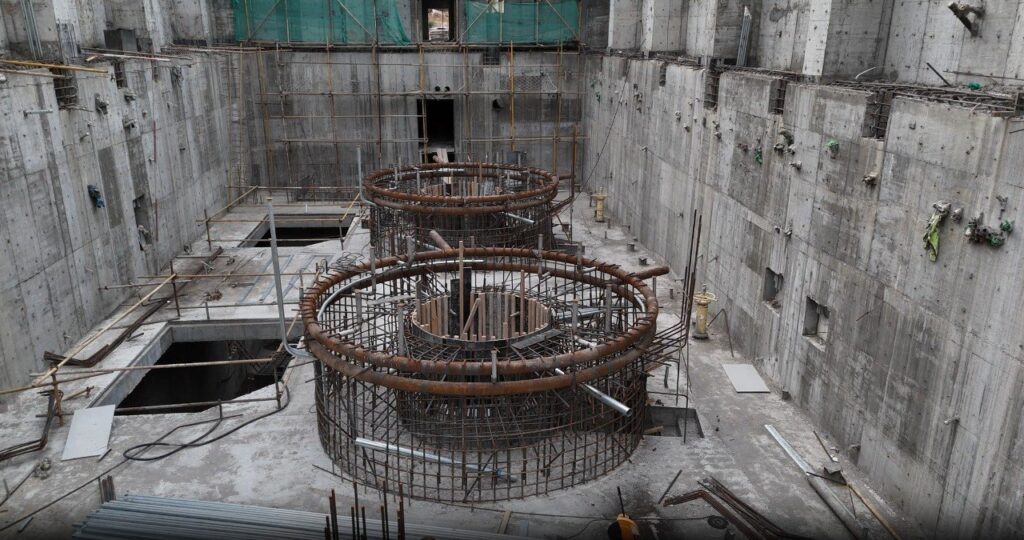
Kyrgyzstan Accelerates Small Hydropower Construction to Achieve Energy Independence

Kyrgyzstan plans to significantly expand its hydropower capacity by commissioning new hydroelectric power plants with a combined capacity of 81 megawatts and expected annual generation of 348.3 million kWh, according to the Ministry of Energy. The largest number of new facilities will be built in Chuy region, where four plants are planned. At the same time, projects will be implemented across all regions of the country. Individual plant capacity will range from 1.5 to 9 MW, with the largest developments concentrated in Chuy and Issyk-Kul regions, with total capacities of 39.5 MW and 21 MW, respectively. The ministry noted that between 2021 and 2025, 27 small plants with a combined capacity of 109.8 MW were commissioned, generating around 427 million kWh annually. Over the next four years, authorities plan to continue expanding the sector by launching an additional 48 hydropower plants with a total capacity of 421 MW. The government views the development of small hydropower as a key element of its strategy to achieve energy independence and shift from electricity imports to exports. Energy Minister Taalaibek Ibraev emphasized that the country has significant hydropower potential. “We have substantial hydropower potential. There is an opportunity to generate 142 billion kWh. Today, we are using about 13-14 percent of this. As you can see, development is underway across the country. Many new hydropower plants are currently under construction, and we are also modernizing existing plants using new technologies,” Ibraev told The Times of Central Asia. The minister stressed that the expansion of small plants is linked to the goal of eliminating energy shortages and ending rolling blackouts during the winter period. According to Ibraev, Kyrgyzstan is adopting modern technologies for small hydropower construction from partners in Russia and European countries. Investors from Russia, Southern Europe, and Canada have also expressed interest in the country’s energy sector, including solar and wind projects. “Currently, much of the equipment for the energy sector is purchased from Russia. During our last meeting with Russian energy specialists, we agreed to procure equipment directly from manufacturers, without intermediaries,” the minister said. He added that such arrangements are expected to reduce the cost of constructing new hydropower plants.

The Number of Small Hydropower Plants in Kyrgyzstan Has Doubled in Five Years

Over the past five years, the number of small hydropower plants (HPPs) in Kyrgyzstan has more than doubled. The expansion of small-scale hydropower has become a key priority of state energy policy aimed at reducing electricity shortages and strengthening national energy security. During this period, 27 small HPPs were commissioned across the country. As a result, 43 such plants are currently in operation. According to government plans, by the end of 2030, an additional 44 small hydropower facilities are expected to come online, effectively doubling the sector’s current capacity once again. The Ministry of Energy reports that in 2026 alone, 17 new small HPPs are scheduled for construction across all regions of the country, with a combined installed capacity of 1,113.4 megawatts (MW). Earlier, speaking before the country's parliament, the Jogorku Kenesh, Prime Minister Adylbek Kasymaliev stated that 19 additional small HPPs with a total capacity of 203.8 MW are planned for commissioning in 2027. “The electricity shortage is a temporary phenomenon. We are moving toward reducing the gap between electricity consumption and production,” he said. The projected capacity figures suggest a sharp increase in generation potential. However, the announced 1,113.4 MW capacity for 17 small HPPs in 2026 appears unusually high for facilities categorized as “small” and may require clarification, as small hydropower plants typically operate at significantly lower individual capacities. According to the Water Resources Service, Kyrgyzstan’s total hydropower potential is estimated at 174 billion kilowatt-hours (kWh), with an overall capacity of 19.8 million kilowatts (19.8 gigawatts). This indicates that a substantial share of the country’s river-based energy potential remains undeveloped, creating room for further expansion of small-scale hydropower infrastructure. Given Kyrgyzstan’s mountainous terrain and extensive river network, hydropower remains the backbone of its electricity generation system. The government views small HPPs as a faster and less capital-intensive complement to large hydropower stations, particularly in remote regions.
