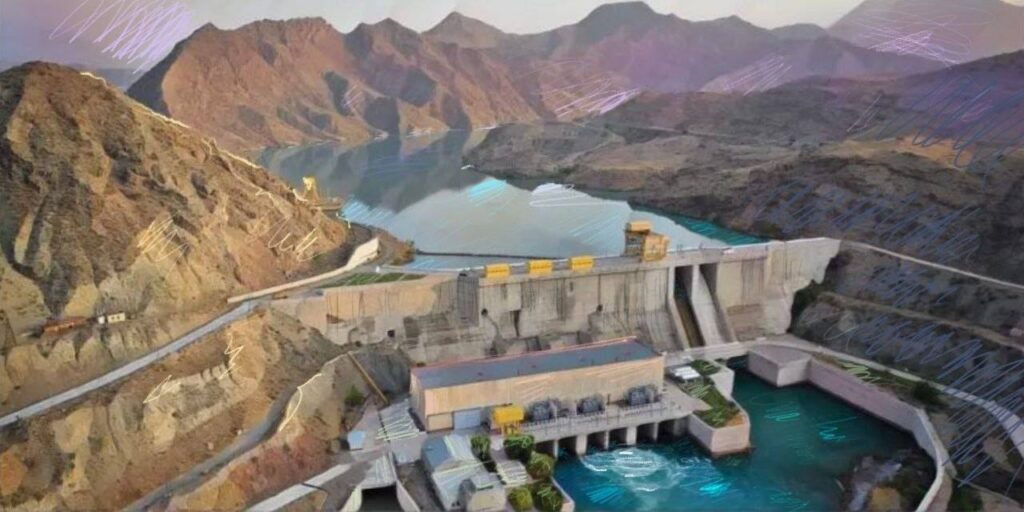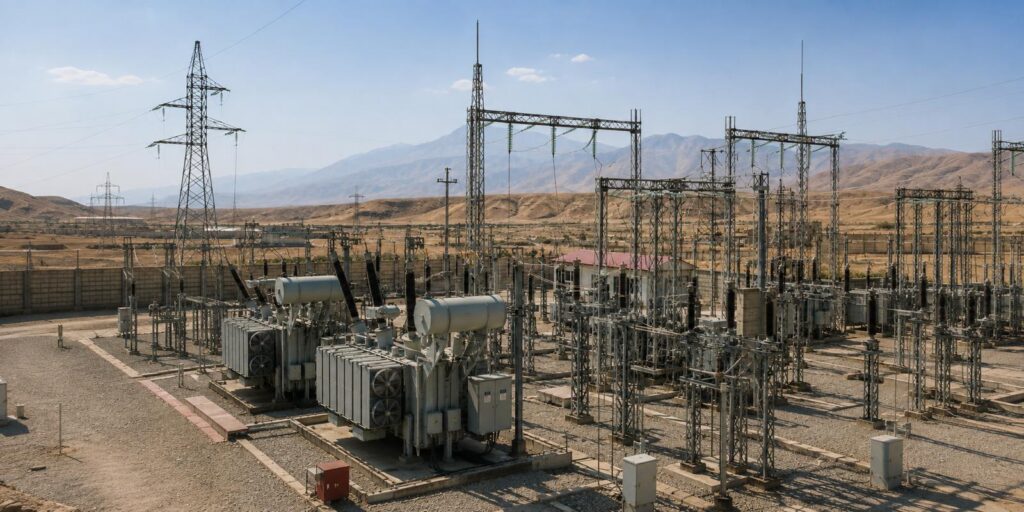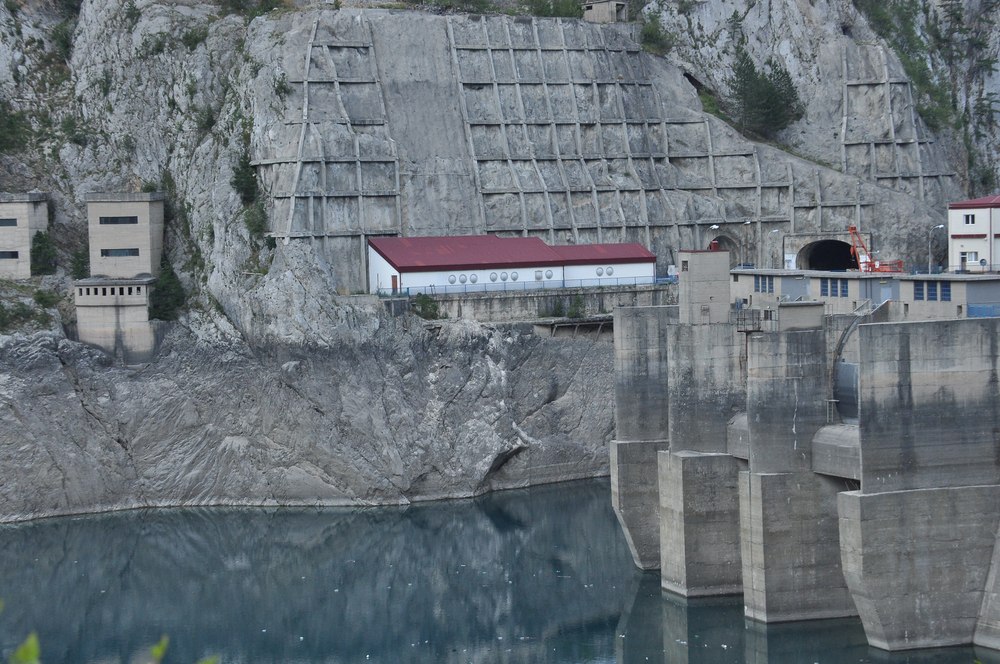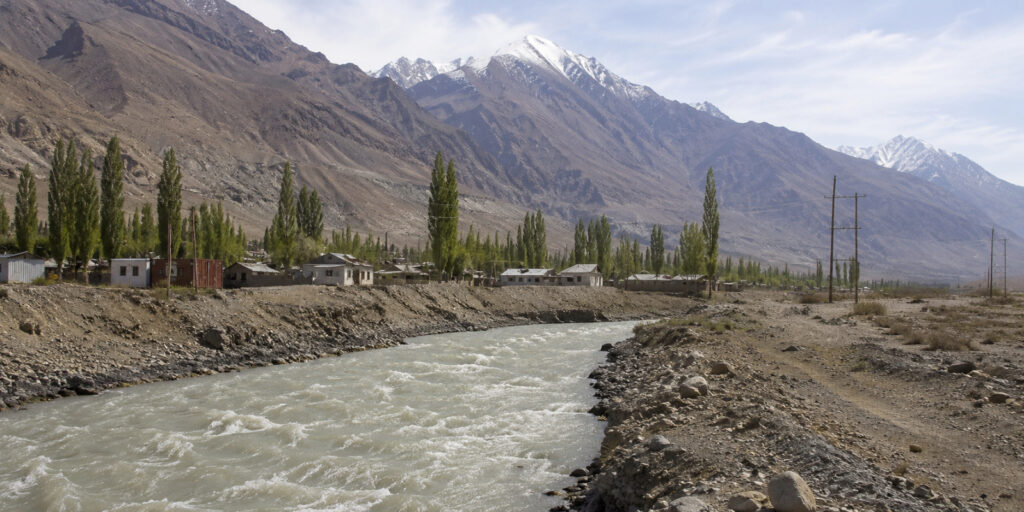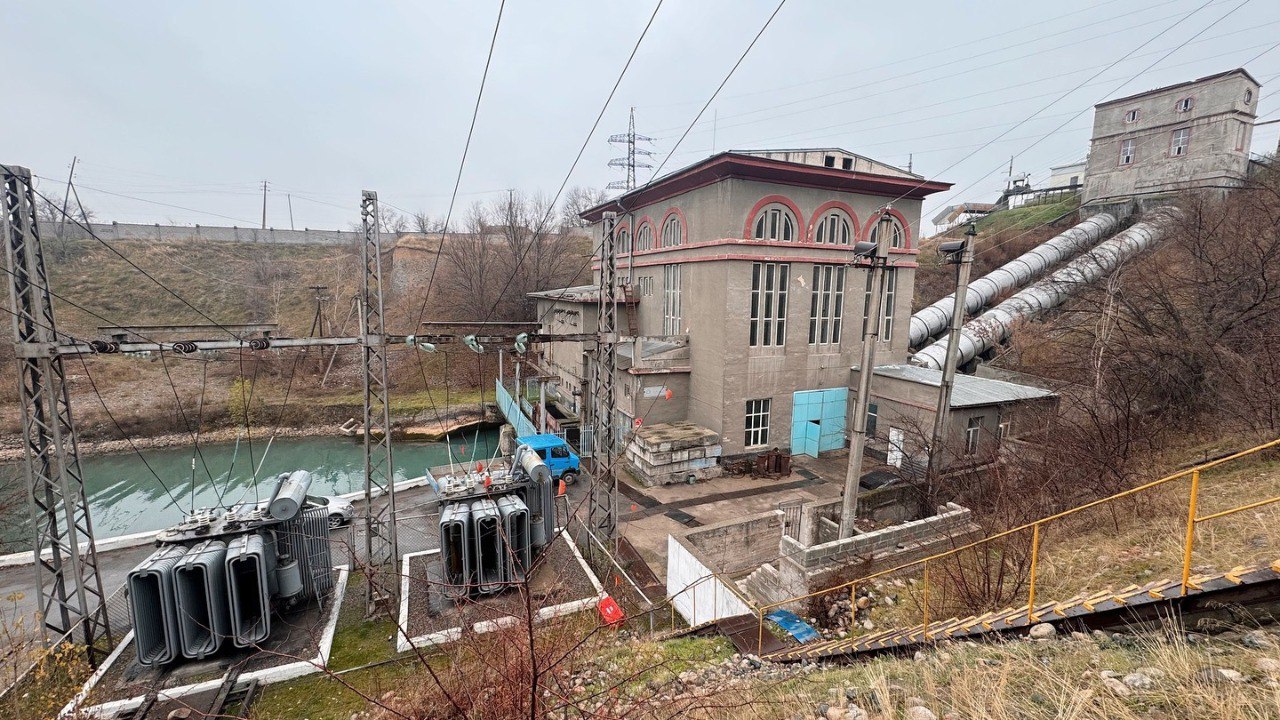
Over the past five years, the number of small hydropower plants (HPPs) in Kyrgyzstan has more than doubled. The expansion of small-scale hydropower has become a key priority of state energy policy aimed at reducing electricity shortages and strengthening national energy security.
During this period, 27 small HPPs were commissioned across the country. As a result, 43 such plants are currently in operation. According to government plans, by the end of 2030, an additional 44 small hydropower facilities are expected to come online, effectively doubling the sector’s current capacity once again.
The Ministry of Energy reports that in 2026 alone, 17 new small HPPs are scheduled for construction across all regions of the country, with a combined installed capacity of 1,113.4 megawatts (MW).
Earlier, speaking before the country’s parliament, the Jogorku Kenesh, Prime Minister Adylbek Kasymaliev stated that 19 additional small HPPs with a total capacity of 203.8 MW are planned for commissioning in 2027.
“The electricity shortage is a temporary phenomenon. We are moving toward reducing the gap between electricity consumption and production,” he said.
The projected capacity figures suggest a sharp increase in generation potential. However, the announced 1,113.4 MW capacity for 17 small HPPs in 2026 appears unusually high for facilities categorized as “small” and may require clarification, as small hydropower plants typically operate at significantly lower individual capacities.
According to the Water Resources Service, Kyrgyzstan’s total hydropower potential is estimated at 174 billion kilowatt-hours (kWh), with an overall capacity of 19.8 million kilowatts (19.8 gigawatts).
This indicates that a substantial share of the country’s river-based energy potential remains undeveloped, creating room for further expansion of small-scale hydropower infrastructure.
Given Kyrgyzstan’s mountainous terrain and extensive river network, hydropower remains the backbone of its electricity generation system. The government views small HPPs as a faster and less capital-intensive complement to large hydropower stations, particularly in remote regions.