• KGS/USD = 0.01144 0%
  • KZT/USD = 0.00212 0%
  • TJS/USD = 0.10761 -0.09%
  • UZS/USD = 0.00008 0%
  • TMT/USD = 0.28571 0%
  • KGS/USD = 0.01144 0%
  • KZT/USD = 0.00212 0%
  • TJS/USD = 0.10761 -0.09%
  • UZS/USD = 0.00008 0%
  • TMT/USD = 0.28571 0%
  • KGS/USD = 0.01144 0%
  • KZT/USD = 0.00212 0%
  • TJS/USD = 0.10761 -0.09%
  • UZS/USD = 0.00008 0%
  • TMT/USD = 0.28571 0%
  • KGS/USD = 0.01144 0%
  • KZT/USD = 0.00212 0%
  • TJS/USD = 0.10761 -0.09%
  • UZS/USD = 0.00008 0%
  • TMT/USD = 0.28571 0%
  • KGS/USD = 0.01144 0%
  • KZT/USD = 0.00212 0%
  • TJS/USD = 0.10761 -0.09%
  • UZS/USD = 0.00008 0%
  • TMT/USD = 0.28571 0%
  • KGS/USD = 0.01144 0%
  • KZT/USD = 0.00212 0%
  • TJS/USD = 0.10761 -0.09%
  • UZS/USD = 0.00008 0%
  • TMT/USD = 0.28571 0%
  • KGS/USD = 0.01144 0%
  • KZT/USD = 0.00212 0%
  • TJS/USD = 0.10761 -0.09%
  • UZS/USD = 0.00008 0%
  • TMT/USD = 0.28571 0%
  • KGS/USD = 0.01144 0%
  • KZT/USD = 0.00212 0%
  • TJS/USD = 0.10761 -0.09%
  • UZS/USD = 0.00008 0%
  • TMT/USD = 0.28571 0%

Viewing results 1 - 6 of 13

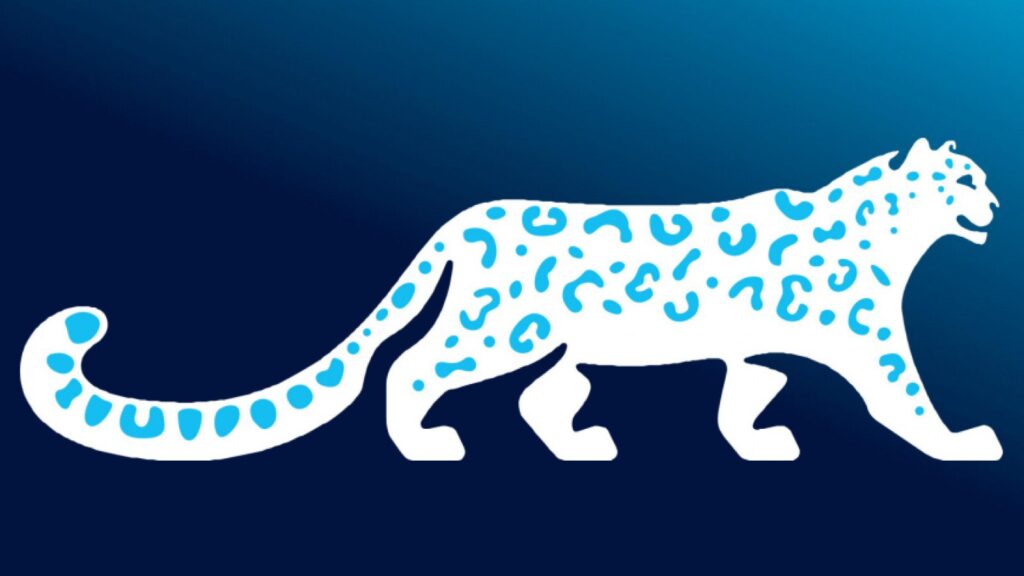
Snow Leopard Designated as Official Mascot of World Nomad Games in Kyrgyzstan

The snow leopard has been designated as the official mascot of the sixth World Nomad Games, which Kyrgyzstan will host from August 31 to September 6, it has been announced. “The snow leopard is more than a symbol of strength. It reflects inner resolve, dignity, and clarity of purpose. It carries the spirit of Kyrgyzstan, the character of nomadic culture, and the energy of forward movement,” the Games' Secretariat said. In October 2025, Kyrgyzstan’s Cabinet of Ministers officially designated the snow leopard as the country’s national symbol and approved a corresponding logo. Snow leopards are considered a key indicator of ecological health in mountainous regions across 12 Asian countries, including Kyrgyzstan. The country has played a prominent role in global conservation efforts, most notably by spearheading a United Nations General Assembly initiative that led to the establishment of October 23 as International Snow Leopard Day. Launched by Kyrgyzstan in 2012, the World Nomad Games aim to revive and preserve the cultural heritage of nomadic civilizations. The inaugural Games were held in September 2014 in the resort town of Cholpon-Ata on the shores of Lake Issyk-Kul. Kyrgyzstan also hosted the second and third editions in 2016 and 2018. The 2022 Games were held in Turkey, and the 2024 edition took place in Kazakhstan. Over the years, the Games have evolved into a major international festival showcasing Central Asia’s cultural traditions through events featuring birds of prey, equestrian sports, traditional wrestling, archery, and displays of physical skill and endurance. In February 2026, the Director-General of UNESCO, Khaled El-Enany, announced the decision to grant the organization’s patronage to the 6th World Nomad Games following an official request from the Kyrgyz government. The granting of UNESCO’s patronage underscores international recognition of the 2026 Games as an important global initiative for preserving and promoting traditional sports and games, which form part of humanity’s intangible cultural heritage. It is also expected to support broader international participation and raise the global profile of Kyrgyzstan’s cultural heritage. The opening of the 6th World Nomad Games will take place alongside a summit of the Shanghai Cooperation Organization (SCO), which Kyrgyzstan will host.

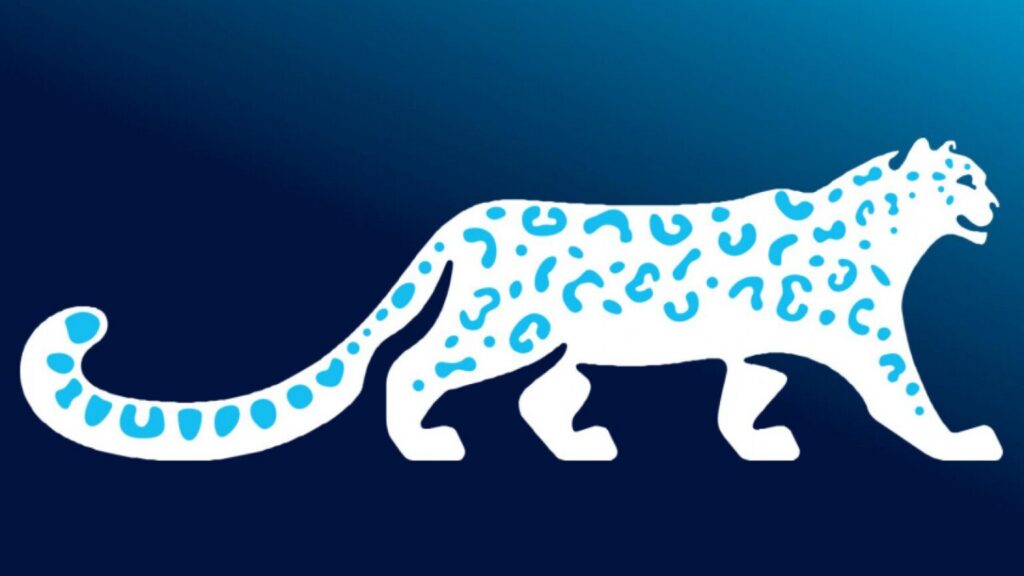
Kyrgyzstan Adopts Snow Leopard as National Symbol, Unveils Official Logo

On October 23, International Snow Leopard Day, Kyrgyzstan’s Cabinet of Ministers officially designated the snow leopard as the country’s national symbol and approved an official logo along with usage guidelines. The move follows a presidential decree issued in December 2023 recognizing the snow leopard as a national emblem. The Cabinet has tasked the Ministry of Natural Resources, Ecology, and Technical Supervision with developing an action plan to protect the species and its habitat. Snow leopards are considered a key indicator of ecological health in mountainous regions across 12 Asian countries, including Kyrgyzstan. The nation has played a prominent role in global conservation efforts, most notably by spearheading a UN General Assembly initiative that led to the establishment of October 23 as International Snow Leopard Day. Kyrgyzstan has also created the Ak Ilbirs Ecological Corridor in the Issyk-Kul region. Spanning more than 792,000 hectares, the corridor links major protected areas including Khan-Tengri State Nature Park, Sarychat-Eertash Nature Reserve, and Naryn Nature Reserve. The initiative aims to preserve habitats for snow leopards and other endangered species while promoting sustainable resource use. To mark the occasion, Bishkek also hosted the “Business, Ecology, and Sports - Ak-Ilbirs 2025” forum, which convened government officials, business leaders, sports organizations, and civil society representatives. The forum promoted the conservation of high-mountain ecosystems and introduced branding strategies positioning Kyrgyzstan as the “Country of the Snow Leopard.” According to a global assessment conducted from 2020 to 2024 under the Global Snow Leopard and Ecosystem Protection Program (GSLEP), Kyrgyzstan’s snow leopard population is estimated at 285 individuals.

Kazakhstan’s Red Book to Include 11 New Animal Species

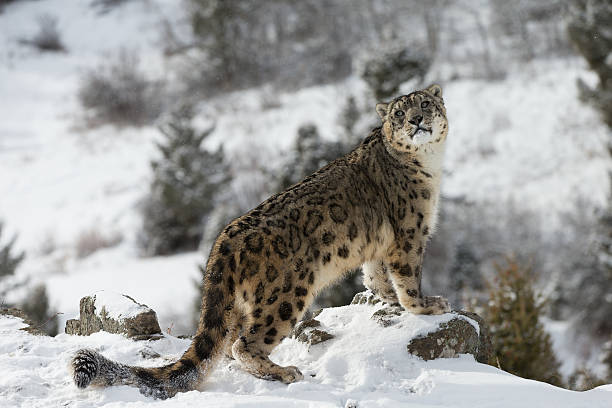
Kazakhstan will soon expand its Red Book of rare and endangered species to include 11 new animal species, Deputy Minister of Ecology and Natural Resources Nurken Sharbiev announced this week. Speaking at a session of the Senate Committee on Agrarian Issues, Nature Management, and Rural Development, Sharbiev noted that the current list includes 227 species, 132 vertebrates and 96 invertebrates. Kazakhstan is home to approximately 835 vertebrate and 100,000 invertebrate species in total. The updated Red Book list, compiled by the Institute of Zoology based on biological assessments aligned with International Union for Conservation of Nature (IUCN) criteria, will include six invertebrates, three species of scorpions and three insects and five vertebrates. These vertebrates include two bird species, the white-headed vulture and cinereous vulture, both of which inhabit the mountainous regions of southern and eastern Kazakhstan; two reptiles, the Dzungarian and Tien Shan lizards; and one mammal, the jungle cat, found in the Syr Darya and Chu river deltas and in southern marshlands. At the same time, 21 invertebrate species will be removed from the list. Sharbiev also highlighted encouraging progress in snow leopard conservation. The population of this endangered species has more than doubled from a critical low of 80 individuals in the late 1990s to 189 today. “Thanks to conservation and monitoring efforts, we have managed to significantly increase the population from its critical level,” he said. Once heavily hunted for its fur, the snow leopard remains listed by the IUCN as a rare species facing shrinking habitats and declining numbers. In Kazakhstan, it inhabits the southern and southeastern mountain systems, including the Western and Northern Tien Shan, the Dzungarian (Zhetysu) Alatau, as well as the Altai, Saur, and Tarbagatai ranges in the east. To support the species’ recovery, the government has established protected areas totaling 3.6 million hectares, about 70% of the snow leopard’s known habitat. Eleven leopards have been fitted with satellite collars to monitor their movements and guide conservation measures. Sharbiev also spoke about Kazakhstan’s ongoing efforts to reintroduce the Turanian tiger. As previously reported by The Times of Central Asia, two tigers brought from the Netherlands successfully survived their first winter in the country in 2024. A 415,000-hectare nature reserve, Ile-Balkhash, has been established in Almaty region to support the reintroduction program. Extinct in Kazakhstan since the mid-20th century due to poaching, agriculture, and habitat destruction, the Turanian tiger (Panthera tigris virgata) is being gradually reintroduced. Three to four additional tigers are expected to arrive from Russia in 2026. To restore the predator’s natural prey base, authorities have released 205 Bukhara deer into the Ile-Balkhash reserve between 2018 and 2024, relocated more than 100 kulans, and increased populations of roe deer and wild boar. As also previously reported by The Times of Central Asia, Kazakhstan is simultaneously working to restore populations of the Przewalski’s horse, alongside the Turanian tiger and snow leopard.

Kyrgyzstan Takes the Lead in Global Snow Leopard Conservation Efforts

On June 5-6, the Kyrgyz resort city of Cholpon-Ata is hosting the 9th Steering Committee Meeting of the Global Snow Leopard and Ecosystem Protection Program (GSLEP). The meeting brings together environment ministers from all 12 snow leopard range countries, Afghanistan, Bhutan, China, India, Nepal, Mongolia, Kazakhstan, Kyrgyzstan, Pakistan, Russia, Tajikistan, and Uzbekistan, along with representatives from conservation organizations and international financial institutions. Their goal is to advance conservation and climate action efforts in Asia’s high mountain regions through GSLEP, an intergovernmental alliance founded in Bishkek in 2013. The snow leopard, classified as endangered, serves as a potent symbol of the ecological and cultural importance of Asia’s mountainous landscapes. Kyrgyzstan has long been at the forefront of international conservation efforts. At the 79th session of the UN General Assembly, the country spearheaded a resolution, supported by other range nations, designating October 23 as International Snow Leopard Day. The GSLEP Steering Committee convened in Cholpon-Ata to assess ongoing conservation initiatives and define future priorities to protect snow leopards and mountain ecosystems. [caption id="attachment_32684" align="aligncenter" width="1280"] Image: mnr.gov.kg[/caption] In his opening remarks, Kyrgyzstan’s Minister of Natural Resources, Ecology, and Technical Supervision, Meder Mashiev, said: “For us, the snow leopard is not just a species, it is part of our culture and identity. Its preservation is our common responsibility.” Mashiev highlighted the country's recent achievements in conservation, including the initiation of a national snow leopard census, the adoption of SMART monitoring tools, the creation of new protected areas, and the establishment of the Ak Ilbirs (Snow Leopard) Ecological Corridor, an approximately one million-hectare expanse in the northeastern Issyk-Kul region. This corridor connects the Khan-Tengri State Nature Park, the Sarychat-Eertash Nature Reserve, and the Naryn Nature Reserve, providing secure habitats for snow leopards and other endangered species while promoting sustainable resource management. In December 2023, President Sadyr Japarov signed a decree formally recognizing the snow leopard as a national symbol of Kyrgyzstan. In a welcome address to participants, President Japarov highlighted Kyrgyzstan’s pivotal role as a mountainous nation (over 90% of its territory consists of highlands) in safeguarding high-altitude ecosystems. He stressed that mountains are not only repositories of natural wealth but also engines for economic growth through green investments. However, he cautioned that these regions face growing threats from overgrazing, forest degradation, and climate change, especially in snow leopard habitats. President Japarov also called for strengthening GSLEP’s institutional capacity and expanding cross-border conservation initiatives with the support of global environmental funds.

Kyrgyzstan Establishes Ecological Corridor to Protect Snow Leopards and Biodiversity

Kyrgyzstan has created the Ak Ilbirs (Snow Leopard) Ecological Corridor in the northeastern Issyk-Kul region, a major step in safeguarding rare wildlife and preserving the country’s rich biodiversity. The corridor encompasses over 792,000 hectares, linking several protected areas: the Khan-Tengri State Nature Park, the Sarychat-Eertash Nature Reserve, and the Naryn Nature Reserve. It is designed to serve as a safe habitat for the snow leopard and other endangered species, while promoting the sustainable management of natural resources. [caption id="attachment_30972" align="aligncenter" width="794"] Image: mnr.gov.kg[/caption] Key Objectives The Ak Ilbirs Ecological Corridor aims to: Conserve wild animal populations, including the endangered snow leopard Protect diverse ecosystems and their biological richness Safeguard rare and threatened plant and animal species To preserve the integrity of the corridor, strict prohibitions have been introduced. These include a ban on the introduction of non-native species, the use of pesticides, radioactive waste disposal, and any other activities that could harm the ecosystem. At the same time, the corridor supports legal and environmentally responsible activities, such as scientific research, reforestation, forest management, and population regulation of certain wildlife species. National and Global Significance The initiative marks a significant advancement in Kyrgyzstan’s environmental policy. Notably, the corridor strengthens efforts to protect the snow leopard, a species regarded as an indicator of the stability and health of mountainous ecosystems. In December 2023, President Sadyr Japarov signed a decree recognizing the snow leopard as a national symbol of the Kyrgyz Republic. The species is classified as rare or endangered across 12 countries. Kyrgyzstan has also played a leading role in international snow leopard conservation. At the 79th session of the UN General Assembly, the country introduced the resolution establishing October 23 as International Snow Leopard Day, backed by other range states including Bhutan, China, India, Nepal, Mongolia, Kazakhstan, Pakistan, Russia, Tajikistan, and Uzbekistan. According to the Population Assessment of the World’s Snow Leopards, conducted between 2020 and 2024 under the Global Snow Leopard and Ecosystem Protection Program (GSLEP), Kyrgyzstan is estimated to have an average snow leopard population of 285.

Kazakhstan’s Snow Leopard Population Reaches Near-Historic Levels

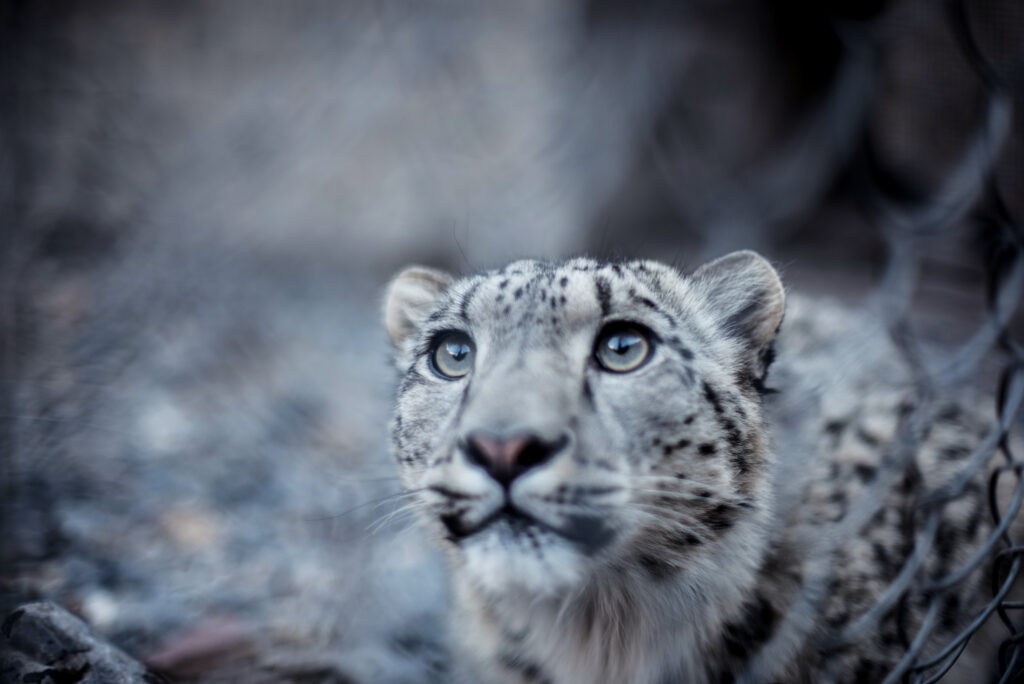
The snow leopard population in Kazakhstan has rebounded to near-historic levels, with an estimated 152 to 189 individuals now residing in the country. This marks a significant achievement in conservation efforts, as such numbers were last observed in the 1980s. Despite this progress, human activity remains the most significant threat to the survival of this elusive predator. Known as the irbis, the snow leopard is listed in the International Union for Conservation of Nature's (IUCN) Red List and the national Red Books of all 12 countries within its range. In Kazakhstan, these majestic predators reside in mountainous areas such as the Altai, Tien Shan, Zhetysu Alatau, and other large mountain systems. Since 2018, Kazakhstan has implemented a snow leopard conservation project under the United Nations Development Program (UNDP). As a result, the snow leopard population has increased by more than 26% since 2019. Alexei Grachev, executive director of the Snow Leopard Foundation and head of the Snow Leopard Monitoring Center, noted that the species' numbers have stabilized, with protected areas playing a crucial role in their survival. Key habitats include Ile-Alatau National Park, Altyn-Emel, and the Katon-Karagai Reserve. The Zhetysu region, in particular, boasts the highest population density thanks to favorable conditions such as abundant prey, effective protection, and minimal human interference. In contrast, the snow leopard population in Katon-Karagai Park remains small. Their presence was first confirmed by photo traps in 2020. A recent sighting of a female with two cubs in the park indicates a gradual recovery. Despite the positive trends, snow leopards face several threats including poaching, expanding economic activities, climate change, and conflicts with local communities. To mitigate these risks, efforts are being made to establish new protected areas, such as the Merken Regional Park in Zhambyl Oblast. Satellite telemetry has also been introduced, with 11 leopards collared in 2021 to track their movements and better understand their behavior. The high mortality rate among young leopards is a pressing issue. Without the expansion of protected areas, juvenile leopards are forced to migrate to neighboring countries, increasing the likelihood of human-wildlife conflicts. To address this, Kazakhstan is offering financial compensation to herders whose livestock is attacked, thereby reducing the retaliatory killing of the predators. Kazakhstan’s conservation measures have been widely praised by the international community. Unlike many countries where snow leopard populations are declining or stagnating, Kazakhstan has achieved tangible growth. Collaborative efforts with Kyrgyzstan, bolstered by international memorandums, have further enhanced regional conservation efforts. Additionally, UNDP initiatives have improved protection in 14 natural areas across the country through the use of advanced technologies, including camera traps, drones, and thermal imaging devices. The recovery of the snow leopard population in Kazakhstan is a rare and noteworthy example of successful conservation. By safeguarding this iconic species, the country is contributing significantly to global biodiversity, demonstrating the impact of focused and sustained environmental efforts.