• KZT/USD = 0.00221
  • TJS/USD = 0.10830
  • UZS/USD = 0.00008
  • TMT/USD = 0.29760
  • KZT/USD = 0.00221
  • TJS/USD = 0.10830
  • UZS/USD = 0.00008
  • TMT/USD = 0.29760
  • KZT/USD = 0.00221
  • TJS/USD = 0.10830
  • UZS/USD = 0.00008
  • TMT/USD = 0.29760
  • KZT/USD = 0.00221
  • TJS/USD = 0.10830
  • UZS/USD = 0.00008
  • TMT/USD = 0.29760
  • KZT/USD = 0.00221
  • TJS/USD = 0.10830
  • UZS/USD = 0.00008
  • TMT/USD = 0.29760
  • KZT/USD = 0.00221
  • TJS/USD = 0.10830
  • UZS/USD = 0.00008
  • TMT/USD = 0.29760
  • KZT/USD = 0.00221
  • TJS/USD = 0.10830
  • UZS/USD = 0.00008
  • TMT/USD = 0.29760
  • KZT/USD = 0.00221
  • TJS/USD = 0.10830
  • UZS/USD = 0.00008
  • TMT/USD = 0.29760
17 October 2026

Viewing results 1 - 6 of 18

Uzbekistan Startups Win Two Honors at Global Startup Awards

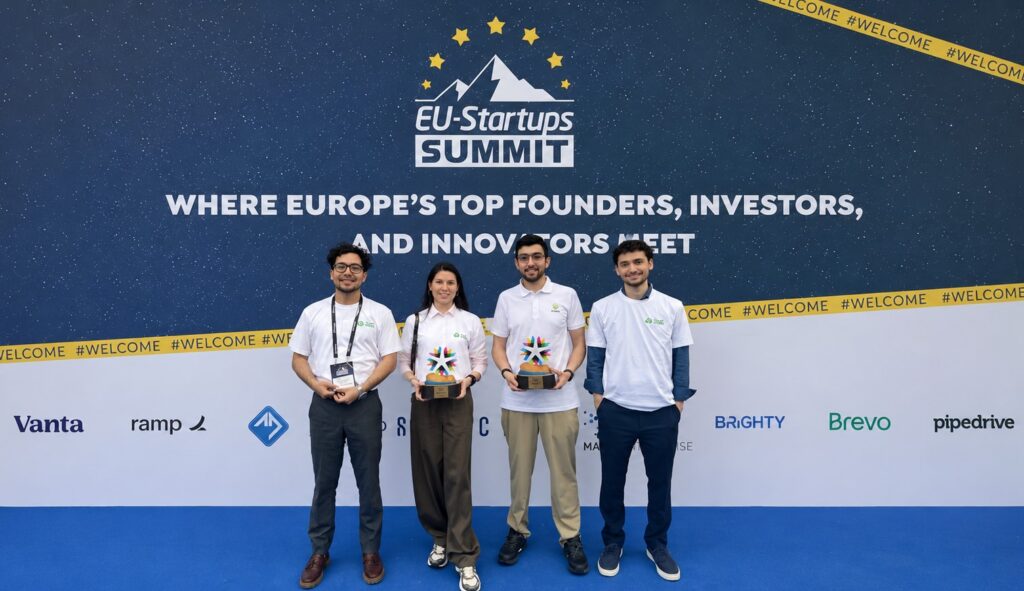
Uzbekistan’s startup ecosystem received international recognition this week after two projects from the country won top honors at the Global Startup Awards Grand Finale, held during the EU-Startups Summit in Valletta, Malta. The event brought together startup founders, investors, and technology leaders from more than 54 countries. The Global Startup Awards is considered one of the world’s leading platforms for recognizing innovation ecosystems, selecting finalists through regional and national competitions across multiple continents. According to organizers, Uzbek representatives won in two global categories. Rakhimakhon Nugmanova, founder of the startup Peritech, received the “Ecosystem Hero of the Year” award, while Catextra was named “Best Greentech Startup of the Year.” Speaking to Times of Central Asia, Nugmanova said the recognition carried special meaning because it reflected support from the international startup community itself. “For me, this award is very important because it means people themselves chose me,” she said. “It shows that the work we are doing to develop the ecosystem has been noticed and appreciated by the people it is meant for.” She added that representing both Uzbekistan and Central Asia on the global stage was significant at a time when the region is drawing increasing international attention. “I think people were able to feel my sincerity and my passion for this work,” Nugmanova told The Times of Central Asia. “For many years, I have worked at the intersection of education, technology, and the public sector, and I hope I am making a meaningful contribution to people’s lives, from children to adults.” The success in Malta follows the Global Startup Awards Central Asia regional final held in Tashkent during ICT Week in September 2025 with support from IT Park Uzbekistan. The event helped regional startups connect with investors and international technology networks. Catextra’s victory highlighted growing international interest in sustainable technologies developed in Uzbekistan. The platform focuses on transparency and traceability in the textile industry, helping manufacturers track every stage of their supply chains and verify compliance with international ethical and production standards. A member of the Catextra team, Amal Isamukhamedov, told The Times of Central Asia that the award demonstrated international confidence in an idea developed in Uzbekistan. “For our team, winning at the Global Startup Awards means recognition and trust from European technology structures in our Uzbek idea,” he said. “We realized that our idea can work not only in our region, but also beyond it.” According to Isamukhamedov, the platform is designed to help textile and agricultural exporters from Uzbekistan and Central Asia access higher-value markets in Europe, the United States, and Asia, where buyers increasingly demand proof of product origin and transparent supply chains. “Our platform helps local producers export faster, more cheaply, and more easily,” he said. He also credited growing state support for the startup sector, including initiatives backed by President Shavkat Mirziyoyev and IT Park Uzbekistan, with helping local startups enter international markets. “Five years ago, these ideas and this political will were only beginning to form,” he said. “Now a new generation of...
Central Asian Startups See Investment Surge

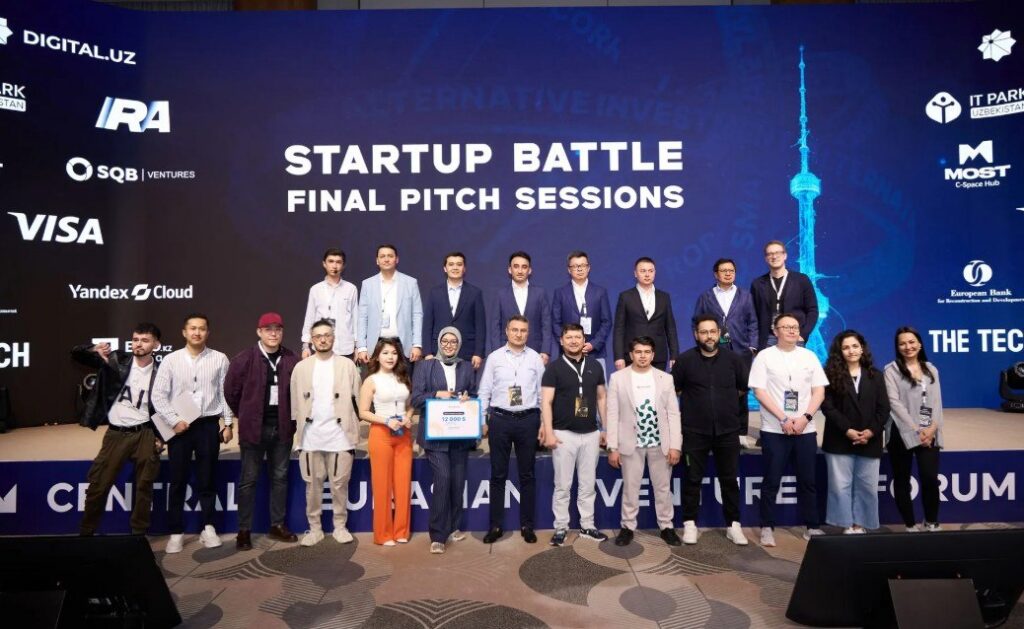
The fifth Central Eurasian Venture Forum (CEVF 2026) opened in Uzbekistan for the first time, drawing around 800 investors, startups, and technology companies from Central Asia, Europe, the U.S., Southeast Asia, and the Middle East and North Africa. Minister of Digital Technologies Sherzod Shermatov attended the opening ceremony. The event was organized by MOST Holding and IT Park Uzbekistan with government support. Partners included Astana Hub, the European Bank for Reconstruction and Development, the International Finance Corporation, Visa, and others. During the forum, the report Startups and Venture Capital in Central Asia 2026, prepared by RISE Research, was presented. According to the study, total venture capital investment in the region reached $320 million in 2025. The two largest deals, $130 million for Higgsfield and $65.5 million for Uzum, accounted for 61% of the total. Excluding these deals, the market reached $124.5 million, marking a 31% increase compared to 2024 and indicating steady organic growth. At the forum, the analytical agency RISE Research presented a study of the Central Asian venture capital market for 2025. According to the study, the volume of venture capital investments in Kazakhstan nearly tripled, reaching $209 million, with artificial intelligence being the main driver, accounting for approximately half of the total investment.  In Uzbekistan, funding reached $33.8 million, an increase of more than eleven times compared to 2022. Including major deals, the Uzbek market is estimated at $99.3 million, with 85% of investment coming from domestic investors. The forum also hosted the CEVF Awards ceremony, recognizing key players in the regional venture ecosystem. In addition, the European Bank for Reconstruction and Development announced 13 finalists for its Star Venture program for Central Asia, aimed at supporting high-tech startups. During the forum, cooperation agreements were signed with international partners, including companies from South Korea and the Middle East, to support the development of the startup ecosystem and attract investment. The second cohort of the Investment Readiness Accelerator (IRA) Tashkent program, focused on early-stage startups, was also launched.

Almaty Launches Startup Program to Attract Investment

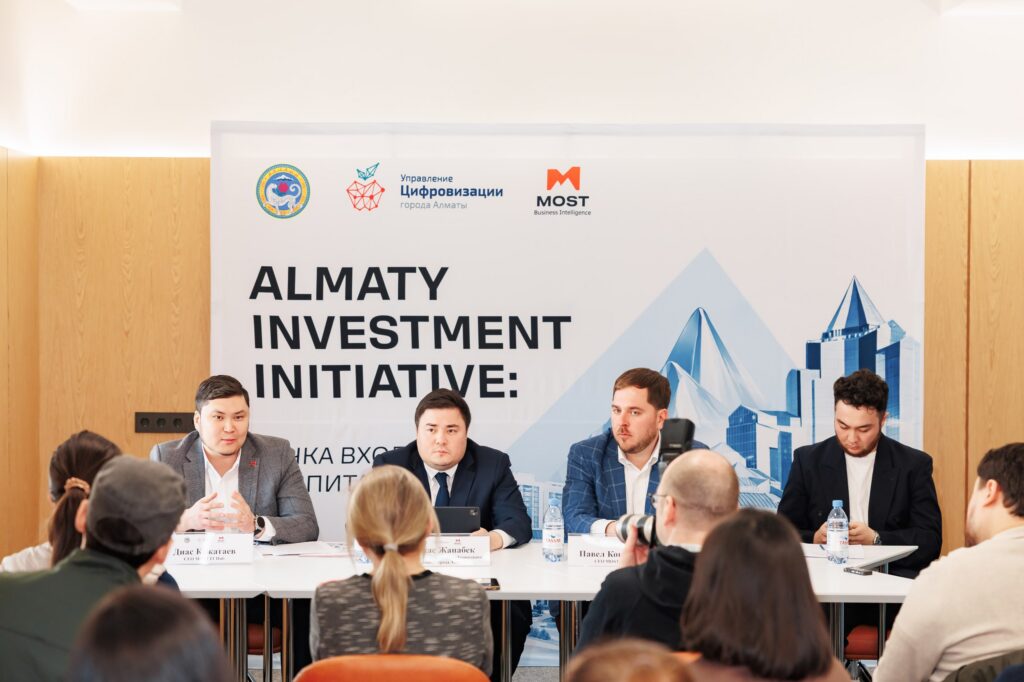
Almaty has hosted the Almaty Investment Initiative, where city officials and private-sector representatives unveiled a new program aimed at fostering technology entrepreneurship. The initiative, implemented jointly by MOST Holding and the city administration’s Digitalization Department, seeks to attract international capital and develop a sustainable startup ecosystem. The program’s launch comes amid intensifying competition among regional urban centers for investment in the technology sector. Almaty aims to position itself as a gateway for projects targeting both the domestic market and export-oriented growth. The acceleration program is designed to run for two years and will include nine thematic tracks supporting up to 250 startups. Organizers plan to use a range of formats. These include the Investment Readiness Accelerator (IRA), which focuses on helping startups secure funding during the program, as well as an international off-site track in Shanghai intended for 10 startups planning to enter the Chinese market. Another component is the Soft Landing program, designed for foreign companies considering Kazakhstan as a base for regional expansion. Within the initiative, city authorities are expected to act as both regulators and potential customers for innovative solutions. Priority sectors include transportation, tourism, environmental technologies, energy, education, and healthcare. According to Olzhas Zhanabek, head of Almaty’s Digitalization Department, support for startups is seen as a tool for modernizing the city’s economic structure. “Our task is to create conditions for the growth of projects that can enter international markets and bring practical benefits to the city,” he told The Times of Central Asia. MOST Holding will serve as the program operator, facilitating connections between entrepreneurs, investors, and government agencies. Particular emphasis will be placed on solutions that can be integrated into the city’s infrastructure. Organizers say the initiative aims to attract around $60 million in investment for participating startups. In addition, approximately 45 projects are expected to enter foreign markets, while up to 15 startups may pilot and implement their solutions in Almaty. Pavel Koktyshev, co-founder and CEO of MOST Holding, said the program is intended to support startup development while ensuring practical implementation. “We want to bring together the city, businesses, and investors on a single platform. This is not just about preparing projects, but also about implementing solutions in the real economy,” he said. The event also addressed issues related to attracting foreign capital. Participants discussed opportunities linked to the infrastructure of the Astana International Financial Centre (AIFC), as well as strategies for Kazakhstani companies seeking to enter global markets.

Kazakh Startup Defect AI Accepted into StartX Accelerator at Stanford University

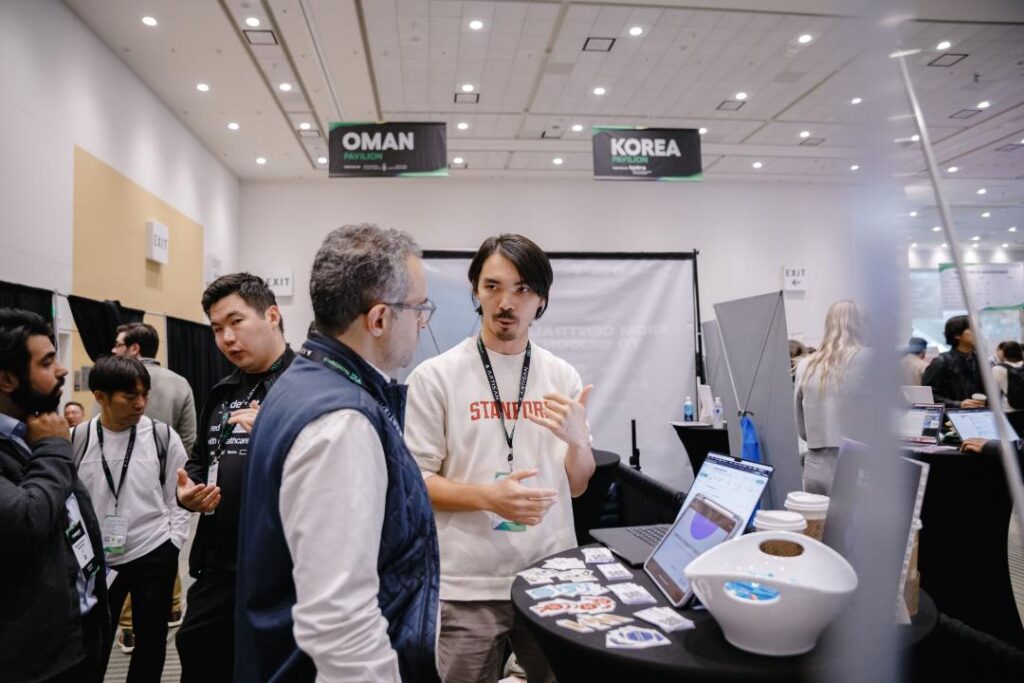
Kazakhstan-based startup Defect AI, part of the Astana Hub ecosystem, has been selected for the spring 2026 cohort of the StartX accelerator at Stanford University. The program is considered one of the most competitive in Silicon Valley and brings together promising technology projects from around the world. The platform developed by the startup uses artificial intelligence to analyze medical documentation. According to the developers, the algorithm can reduce the time spent on manual document verification by up to 95%. The service is designed to help medical organizations comply with regulatory requirements and standards while reducing the administrative burden on doctors. The product is positioned as an AI assistant that structures documentation and processes large volumes of medical data without requiring additional staff. The startup operates internationally under the brand name Rette, derived from the Kazakh word “retteu,” meaning “to put in order.” Experience gained from implementing the technology in Kazakhstan allowed the team to test the product in a real healthcare system. However, the company’s main strategic focus is now shifting to the U.S. market. The Defect AI team operates globally, with key employees based in Kazakhstan, the U.S., Japan, the United Kingdom, and Germany. The team includes specialists with experience at Meta, Google, and Microsoft. Through its participation in the StartX program, the startup has formed an advisory board that includes practicing doctors and medical technology investors. Co-founder Sanzhar Myrzagalym said the road to the accelerator was a long one. The team applied four times before being accepted into the program.

Kazakh Startup Higgsfield AI: From “Unicorn” to Racism and Sexism Scandal

In October 2025, the Kazakh startup Higgsfield AI officially joined the ranks of “unicorns” – companies valued at more than $1 billion. The rapid growth continued: by early 2026, the platform had surpassed 15 million users, and its annual revenue approached $200 million. From the outset, the project targeted the international market. Although its headquarters is registered in San Francisco, Kazakh engineers play a significant role in its development, and the startup is a participant in the Astana Hub program. For many observers, the emergence of the first Kazakh “unicorn” symbolized the country’s transition to a new stage of technological development, attracting the attention of global investors and stimulating the domestic IT sector. However, the company’s rise was soon overshadowed by controversy. By early 2026, Higgsfield found itself at the center of an international scandal. Media reports and social media discussions cited allegations of aggressive advertising, opaque subscription practices, and, more worryingly, promotional content containing racist and sexist messages. Approximately 85% of its users were marketers utilizing the service to create advertising videos, a factor that significantly contributed to its rapid scaling. In Kazakhstan, the development was widely presented as a national achievement. However, questions soon emerged regarding the company’s business practices. Shortly after achieving unicorn status, Higgsfield faced a wave of user complaints, primarily concerning subscriptions and refunds. During major promotional campaigns, including “Black Friday” discounts of up to 65%, reducing the monthly price to $25, customers were promised unlimited access to advanced models. However, many users later reported a sharp decline in video generation speed after payment. According to these accounts, the application became difficult to use without purchasing additional credits, despite advertised “unlimited” access. The company attributed the disruptions to bot attacks, stating that tens of thousands of fake accounts had been blocked, and that approximately $1.35 million had been refunded to legitimate users due to service issues. In December 2024, the situation escalated when users reported widespread account suspensions without prior notice. The peak occurred on December 25-26, when clients with Russian IP addresses were reportedly restricted. Affected users lost not only access to paid services, but also the ability to download previously created content. Initially, the company did not publicly comment. It later stated that the suspensions were linked to suspicious payment activity and anti-bot measures. Additional criticism focused on alleged “dark patterns” in subscription management. Users claimed that payments were processed instantly, while subscription cancellation was difficult or technically inaccessible. On social media platforms, users compiled complaints alleging unfair practices, and warning others about what they described as a problematic business model. Under mounting pressure, Higgsfield reinstated certain accounts and issued refunds. Controversial Marketing: Racism and Sexism Allegations Particular criticism targeted the company’s marketing strategy. In early 2026, reports emerged that Higgsfield’s marketing team had distributed ready-made promotional materials to content creators, including videos that allegedly contained racist and sexually explicit language inserted into the voices of well-known cartoon characters. According to media reports, some clips included racially charged phrases and statements widely perceived...

Kazakhstan’s MOST Ventures Invests in Uzbek Startup Bito, Valuing Company at $10 Million

Kazakhstan-based venture capital firm MOST Ventures has acquired a stake in Uzbekistan’s Bito, marking a significant cross-border investment in Central Asia’s growing tech ecosystem. The deal, completed in Tashkent on December 25 as part of a Bridge funding round, values the B2B software company at $10 million, a milestone that reflects rising investor confidence in Uzbekistan’s startup landscape. Bito is a business-to-business software-as-a-service (SaaS) company and a resident of Startup Garage, a leading Central Asian venture studio and accelerator. The company offers a digital ecosystem that integrates enterprise resource planning (ERP), financial technology, and artificial intelligence into a unified operating system tailored for small and medium-sized enterprises (SMEs). Its platform allows businesses to manage sales, finance, inventory, HR, payments, installment services, and analytics, all in one interface aimed at improving operational transparency and decision-making. The Bridge round represents a pivotal moment in Bito’s growth trajectory. The company reported that its valuation has tripled over the past ten months, though it has not disclosed the total amount raised. The investment will fund continued product development and regional expansion, with a primary focus on the Uzbek and Kazakh markets. As part of the transaction, Startup Garage partially exited its position in Bito. The accelerator played a crucial role in the company’s early-stage development, supporting product design, market entry, and initial scaling. Startup Garage founder Mukhammad Khalil said the deal highlights the increasing maturity of Central Asia’s startup ecosystem and its ability to attract institutional capital. “This transaction shows that companies in the region can secure funding based on strong fundamentals and sustainable growth,” he said. Bito founder Uchqun Tulavov called the investment a validation of the company’s strategic vision. “We are not simply building a product, we are setting a new standard for digital infrastructure for small and medium-sized businesses across the region,” he said. “The support of MOST Ventures confirms our direction as we integrate ERP, fintech, and AI into a unified operating platform.” Following the funding round, Bito plans to accelerate its regional footprint while consolidating its role as a leading B2B SaaS provider in Central Asia.