


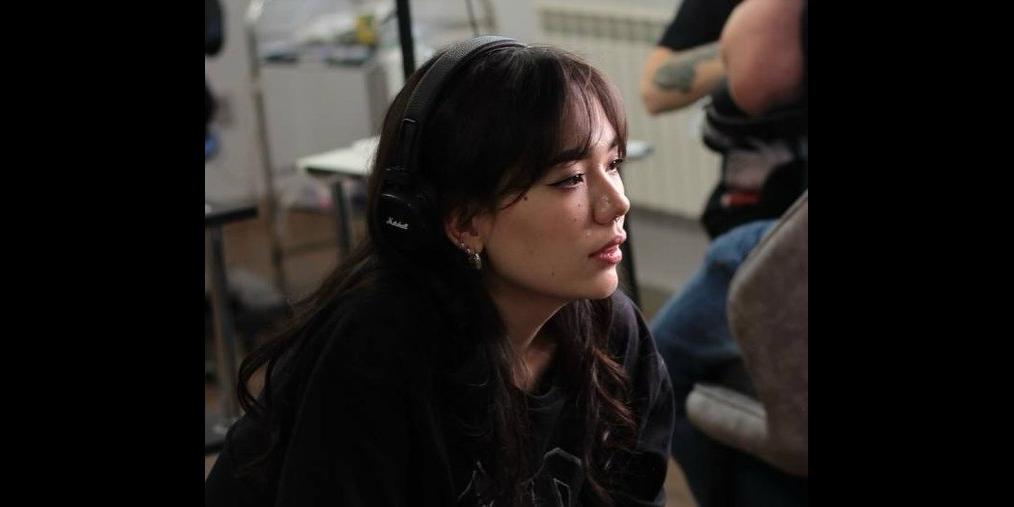
“Ornament Is a Language”: How a Tattoo Artist from Almaty Turns Culture into Art on Skin
Almaty-based tattoo artist Saltanat Kuanova, known under the pseudonym tana.creator, is among those reinterpreting traditional culture through contemporary art. In her work, Kazakh ornaments become more than decorative elements, they form a complex system of symbols, personal stories, and cultural memory. The Times of Central Asia spoke with her about why Kazakhstanis are increasingly choosing national motifs, how attitudes toward tattoos are changing, and whether tattooing can serve as a means of preserving identity. Path into the Profession TCA: When and why did you start practicing tattoo art? Saltanat: I became interested in tattoos at around 14. Even then, I had a clear sense that it was “mine.” It wasn’t just curiosity, I immediately knew I wanted to become a professional in this field. At 16, I began tattooing. By that time, I had already studied the theory, watched videos, and understood the process, so I was well prepared for formal training and quickly started working. After completing my training, I was offered a position at a studio. That was important because it provided a steady flow of clients, and my work stood out. I worked there for about three years before moving into independent practice. I have now been working independently for more than five years. I’ve gained experience in different studios, and today I have my own private workspace in Almaty and manage bookings through Instagram. TCA: Do you remember your first work? Saltanat: Of course. It was a small tattoo with Roman numerals that I did for a friend during my training. She came as a model to support me, and honestly, I was more nervous than she was. My first paid piece left an even stronger impression it was a wolf with a dreamcatcher. That was the moment I first felt real responsibility toward a client. At the same time, I was surprised that I could actually earn money from this. Even now, years later, I don’t feel like I’m “already a pro.” It’s an ongoing process; there is always room to grow. [caption id="attachment_46606" align="aligncenter" width="225"] @instagram.com/tana.creator[/caption] Working with Kazakh Ornaments TCA: When did you start working with Kazakh ornaments? Saltanat: It happened gradually. At some point, I realized that ornament is not just a pattern, it’s a full-fledged language. It has structure, logic, even “grammar.” Everything matters: the shape, the number of elements, the color. Even a small detail can completely change the meaning of a piece. TCA: Who usually comes for such tattoos locals or foreigners? Saltanat: Primarily Kazakhstanis and, more broadly, representatives of Turkic peoples, Kyrgyz, Uzbeks, Tatars. But there are also many foreigners, and their number is growing. I tend to group them into categories. The first group includes people who come to Kazakhstan for work or travel and want a lasting memory of the country. The second consists of those who have a partner from Kazakhstan. They come together and, through tattoos, connect with each other’s cultures. The third and most touching category is people who were adopted abroad as...

