• KGS/USD = 0.01144 0%
  • KZT/USD = 0.00212 0%
  • TJS/USD = 0.10795 -0.18%
  • UZS/USD = 0.00008 0%
  • TMT/USD = 0.28490 0%
  • KGS/USD = 0.01144 0%
  • KZT/USD = 0.00212 0%
  • TJS/USD = 0.10795 -0.18%
  • UZS/USD = 0.00008 0%
  • TMT/USD = 0.28490 0%
  • KGS/USD = 0.01144 0%
  • KZT/USD = 0.00212 0%
  • TJS/USD = 0.10795 -0.18%
  • UZS/USD = 0.00008 0%
  • TMT/USD = 0.28490 0%
  • KGS/USD = 0.01144 0%
  • KZT/USD = 0.00212 0%
  • TJS/USD = 0.10795 -0.18%
  • UZS/USD = 0.00008 0%
  • TMT/USD = 0.28490 0%
  • KGS/USD = 0.01144 0%
  • KZT/USD = 0.00212 0%
  • TJS/USD = 0.10795 -0.18%
  • UZS/USD = 0.00008 0%
  • TMT/USD = 0.28490 0%
  • KGS/USD = 0.01144 0%
  • KZT/USD = 0.00212 0%
  • TJS/USD = 0.10795 -0.18%
  • UZS/USD = 0.00008 0%
  • TMT/USD = 0.28490 0%
  • KGS/USD = 0.01144 0%
  • KZT/USD = 0.00212 0%
  • TJS/USD = 0.10795 -0.18%
  • UZS/USD = 0.00008 0%
  • TMT/USD = 0.28490 0%
  • KGS/USD = 0.01144 0%
  • KZT/USD = 0.00212 0%
  • TJS/USD = 0.10795 -0.18%
  • UZS/USD = 0.00008 0%
  • TMT/USD = 0.28490 0%

Viewing results 1 - 6 of 2

Twenty-Five Years Ago, Karimov and Powell Opened a Humanitarian Lifeline. Today, Global Support Wanes

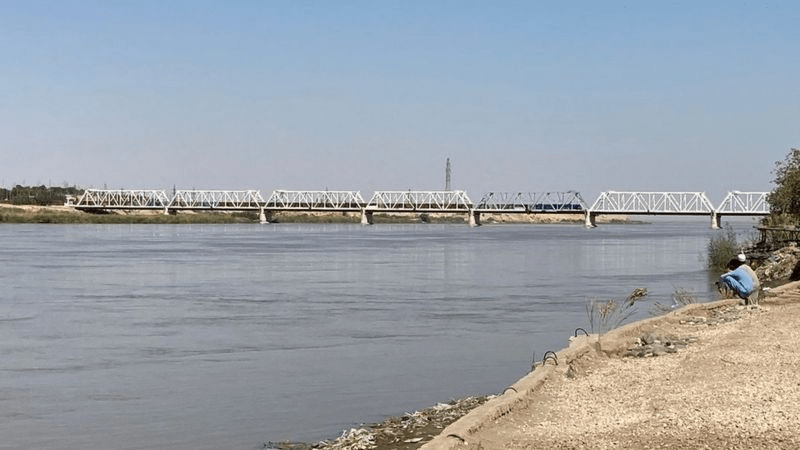
During the first week of June 2026, World Food Programme Afghanistan Country Director John Aylieff, Supply Chain Officer Shukhratmirzo Khodzhaev, and TCA’s Javier M Piedra visited the Termez–Hairatan border crossing and the Termez Free Economic Zone (TFEZ), a logistics hub between Uzbekistan and Afghanistan on the Amu Darya River. The trip was organized by the Institute for Strategic and Regional Studies (ISRS) in connection with Termez Dialogue 2026, a flagship Uzbekistan initiative designed to advance economic integration, trade, and cultural exchange across Central and South Asia. For 25 years, Uzbekistan has maintained the Termez crossing as a key humanitarian gateway, ensuring Afghanistan’s continued access to regional and global supply chains. [caption id="attachment_51321" align="aligncenter" width="850"] Geographical position of the Amu Darya; source: snipview.com/amudarya[/caption] A quarter-century on, the gateway that has saved millions of Afghans from famine remains open, but the funding that makes it so meaningful is on life support. While Central Asia has stepped up, its increased contributions only partially offset the huge shortfall left by wealthier countries. Termez, Uzbekistan Twenty-five years ago, with winter approaching, borders closed, logistics shattered, and five million Afghans in urgent need of food, WFP's Petar Bojilov and Tim Lavelle—on loan to USAID OFDA's DART from USUN Rome—took on an impossible mission: to open a lifeline and get emergency food aid across the Amu Darya River from Uzbekistan into Afghanistan. What began with one barge and a handful of hopelessly underequipped and understaffed personnel in 2001 has become one of the world's most consequential logistics hubs, through which WFP has delivered over 220,000 metric tons of food into Afghanistan in recent years. In 2026, the Bridge of Friendship Marks its 25th Anniversary Once a barely functional border crossing, Termez is now a Free Economic Zone (AIRITOM) with multimodal connectivity and extensive storage, providing WFP with what John Aylieff calls unmatched operational flexibility. “What makes the Termez hub today so strategically important is its reliability and versatility,” says Aylieff. “It offers dependable transshipment through multiple Afghan corridors—a vital lifeline where speed matters – as well as loading and storage. Given current geopolitical tensions, from the closure of the Pakistan–Afghanistan border to the spillover of the Middle East crisis, its role has become even more essential for humanitarian operations.” [caption id="attachment_51320" align="aligncenter" width="761"] John Aylieff and Javier Piedra, Termez (June 7th, 2026). Image: TCA[/caption] Since February 2026, violence along Afghanistan's 2,400-kilometre border with Pakistan has escalated sharply, triggering the displacement of approximately 20,000 families. With heightened instability along the Afghan-Pakistan border and in Iran, forced returns of Afghan refugees have increased sharply; the Termez transit corridor has become all the more critical as a channel for humanitarian food aid. Termez's value extends well beyond WFP's own operations. "The hub not only serves WFP in Afghanistan but also supports numerous humanitarian agencies in the country, including UNHCR, UNFPA, and UNICEF," says Aylieff. "It is the backbone of the northern corridor supply chain into Afghanistan, and more and more agencies are relying on WFP's logistics capabilities to bring their...

Uzbekistan and Russia Focus on Trade and Transit at Termez Meeting

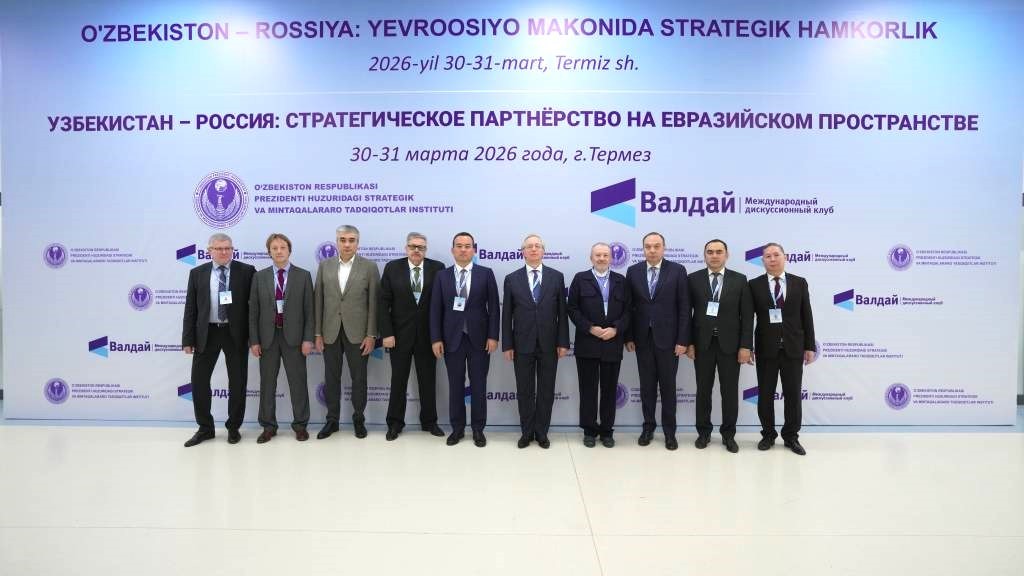
Uzbekistan and Russia used a conference in Termez on March 30–31 to highlight the breadth of their relationship, from trade and industrial projects to transport links and regional planning. The meeting was organized by Uzbekistan’s Institute for Strategic and Regional Studies and Russia’s Kremlin-linked policy forum, the Valdai Discussion Club. Participants included Russian Deputy Foreign Minister Mikhail Galuzin, Uzbek Deputy Foreign Minister Bobur Usmanov, ISRS director Eldor Aripov, Russian Ambassador Alexei Yerkhov, and other Uzbek and Russian officials, analysts, and business representatives. The meeting comes at a time of shifting regional dynamics, as Central Asian states recalibrate ties with Russia while managing new economic and political pressures from multiple directions. Termez sits by the Friendship Bridge on Uzbekistan’s border with Afghanistan and has become one of Tashkent’s main platforms for trade, logistics, and diplomacy aimed southward. The conference program focused on transport, infrastructure, interregional ties, and industrial cooperation, so the location matters. This aligns Uzbekistan’s relationship with Russia with a wider push for new routes across Eurasia and toward South Asia. The economic backdrop is also substantial. Official Uzbek figures put bilateral trade with Russia at around $13 billion in 2025, making Russia Uzbekistan’s second-largest trading partner after China. Uzbek reporting says that trade has grown sharply since 2017, with Russian investment in Uzbekistan approaching $5 billion. Officials have described the relationship as moving beyond simple trade toward industrial cooperation, technological partnerships, and longer value chains. The conference emphasized the growing role of direct regional links. Uzbek officials highlighted more than 200 regional initiatives worth over $4 billion and identified Tatarstan as a key partner in industry, petrochemicals, engineering, information technology, and education. Projects linked to the Himgrad industrial park model and branches of Kazan Federal University in Uzbekistan show how cooperation now extends through regions, universities, and industrial zones, not just central governments. Energy remains a key part of the relationship. As previously reported by The Times of Central Asia, on March 24, Uzbekistan and Russia advanced work on Uzbekistan’s planned nuclear power project in the Jizzakh region. Uzbekistan’s nuclear agency, Uzatom, and Russia’s Rosatom signed new documents and began initial concrete works for a small-capacity unit, describing the step as moving the project into a new implementation phase. Transit formed another major part of the agenda. Uzbek reporting states that participants discussed modernizing northern routes and developing a southern route through Afghanistan toward ports on the Indian Ocean. This fits Uzbekistan’s longer effort to turn Termez into a logistics hub for Afghan and South Asian trade. The city hosts the Termez International Trade Center, designed to simplify border trade and business access. The timing also reflects wider regional pressures. TCA previously reported that the war involving Iran is placing a strain on southern routes and increasing the importance of alternative corridors. In that context, a Russia–Uzbekistan meeting focused on trade and transport in Termez underscores how both countries are linking bilateral cooperation to shifting regional logistics. The meeting in Termez did not produce a major treaty or a...