
• KGS/USD = 0.01144 0%
  • KZT/USD = 0.00205 0%
  • TJS/USD = 0.10731 0%
  • UZS/USD = 0.00008 0%
  • TMT/USD = 0.28490 0%
  • KGS/USD = 0.01144 0%
  • KZT/USD = 0.00205 0%
  • TJS/USD = 0.10731 0%
  • UZS/USD = 0.00008 0%
  • TMT/USD = 0.28490 0%
  • KGS/USD = 0.01144 0%
  • KZT/USD = 0.00205 0%
  • TJS/USD = 0.10731 0%
  • UZS/USD = 0.00008 0%
  • TMT/USD = 0.28490 0%
  • KGS/USD = 0.01144 0%
  • KZT/USD = 0.00205 0%
  • TJS/USD = 0.10731 0%
  • UZS/USD = 0.00008 0%
  • TMT/USD = 0.28490 0%
  • KGS/USD = 0.01144 0%
  • KZT/USD = 0.00205 0%
  • TJS/USD = 0.10731 0%
  • UZS/USD = 0.00008 0%
  • TMT/USD = 0.28490 0%
  • KGS/USD = 0.01144 0%
  • KZT/USD = 0.00205 0%
  • TJS/USD = 0.10731 0%
  • UZS/USD = 0.00008 0%
  • TMT/USD = 0.28490 0%
  • KGS/USD = 0.01144 0%
  • KZT/USD = 0.00205 0%
  • TJS/USD = 0.10731 0%
  • UZS/USD = 0.00008 0%
  • TMT/USD = 0.28490 0%
  • KGS/USD = 0.01144 0%
  • KZT/USD = 0.00205 0%
  • TJS/USD = 0.10731 0%
  • UZS/USD = 0.00008 0%
  • TMT/USD = 0.28490 0%

Viewing results 1 - 6 of 4

Contemporary Theater in Kazakhstan: Between Tradition and Experiment

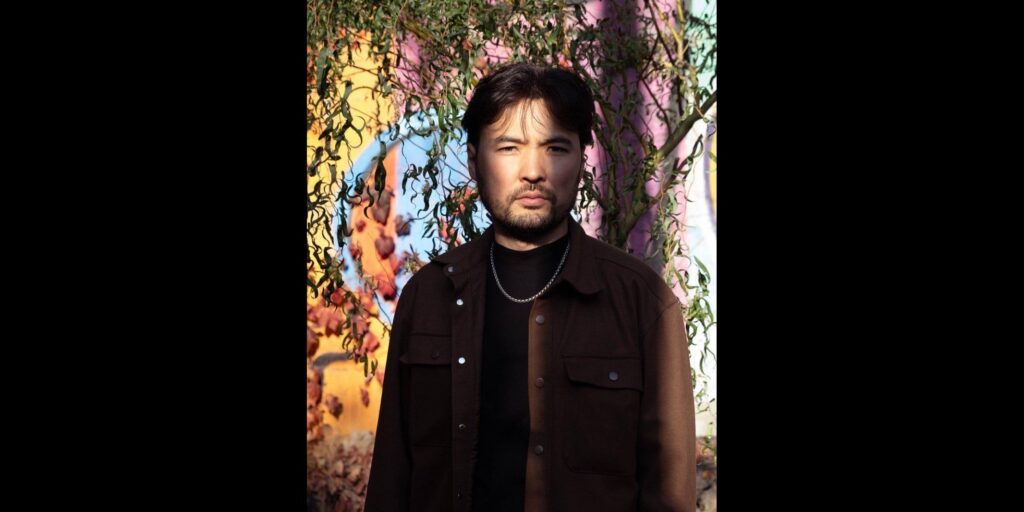
Contemporary theater in Kazakhstan is undergoing a period of active development, balancing the preservation of cultural heritage with the search for new forms of expression. The Times of Central Asia spoke with Abai Kazbayev, an actor at the Zhambyl Regional Russian Drama Theater who is currently studying acting and directing, about how the theater scene is evolving, the challenges faced by actors and directors, and why experimentation has become essential. TCA: Tell us about yourself. How did your journey into theater begin, and what influenced your decision to become an actor? Abai: I entered the profession through my love of cinema. At first, I took part in crowd scenes, and then I became fascinated with the filmmaking process itself. To deepen my involvement, I joined a private theater on the recommendation of friends. There, I had the opportunity to work with Saulius Varnas from Lithuania, as well as with professionals such as Marat Amirayev and Altynshash Shayakhmetova. Today, I'm studying acting and directing at university, while also working at the Zhambyl Regional Russian Drama Theater. TCA: How do you assess the current state of contemporary theater in Kazakhstan? Abai: If we distinguish contemporary theater from traditional formats, most such productions are concentrated in Almaty. In other cities, theater tends to follow a more academic style, although there are exceptions. Personally, I'm drawn to how contemporary theaters reinterpret and reimagine classical works. This approach attracts both new and more discerning audiences. TCA: What makes Kazakhstani theater distinctive compared to that of other countries? Abai: Its uniqueness lies in the combination of cultures. We have European forms, ballet and opera, alongside contemporary interpretations, including those inspired by Bulat Ayukhanov. On the one hand, there are traditional productions about khans and batyrs; on the other, there are stories such as that of a boxer in Almaty in the 1980s, a stage adaptation of Martin Scorsese’s Raging Bull. TCA: How can contemporary theater preserve national traditions while remaining engaging for younger audiences? Abai: Through experimentation. For example, last year in Taraz, a sound drama based on Alexander Grin’s novella Scarlet Sails was staged. It offered a new interpretation: some lines were delivered in Kazakh, and Captain Grey’s song was also performed in Kazakh. It was an attempt to reflect Kazakhstan’s multiculturalism. Interestingly, the production was staged by students from GITIS in Russia. I believe such experiments help attract younger audiences while preserving national traditions. TCA: How important are elements of national culture, language, music, and folklore in today’s productions? Abai: There's currently a broader trend across the arts of returning to cultural roots, and theater is no exception. Every culture seeks self-identification. In cinema, folklore characters are widely used, particularly in the horror genre. In the theater, however, folklore tends to remain within traditional productions and is often treated with a sense of reverence. At the same time, it is worth mentioning the ballet Aldar Köse at the Abai Kazakh National Theater of Opera and Ballet in Almaty. TCA: How do you view experimental...

Tears and Laughter: An Evening at an Uzbek Theater

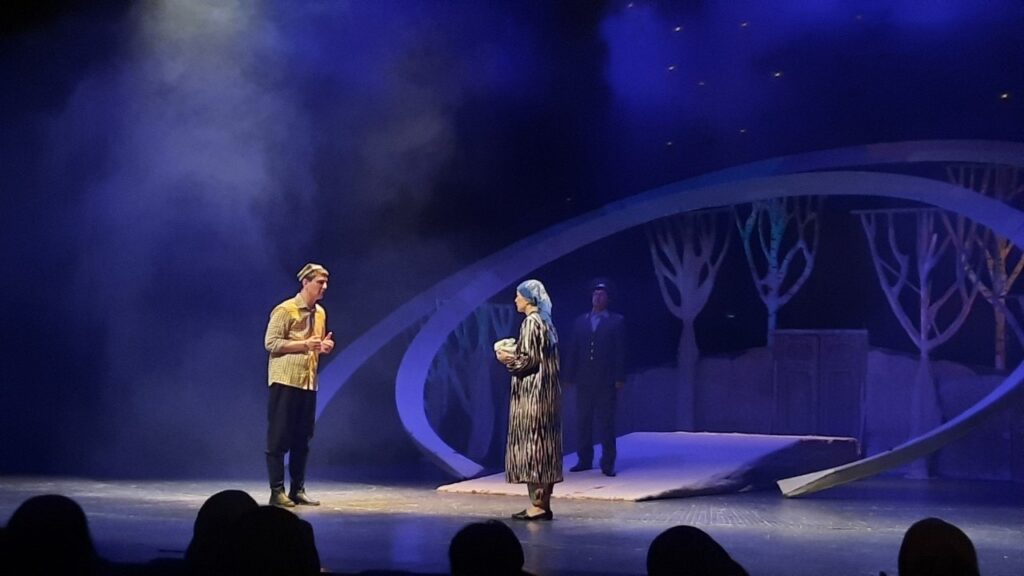
Tashkent, Uzbekistan - The action unfolds in the Soviet Union in the 1960s. An Uzbek man goes to Russia for compulsory military service and falls in love with a Russian woman. Back with her betrothed in his homeland, the Russian slowly wins over her recalcitrant mother-in-law and learns to love Uzbek culture. So goes the plot of “Uzbek Dance,” a play being performed in the colonnaded Uzbek National Academic Drama Theater in Tashkent, the capital. The tragicomedy made its debut in Uzbekistan in 2009 and has been re-staged several times, immersing audiences in Uzbek history and culture and making them laugh and cry. The Times of Central Asia attended a performance on March 9. So did hundreds of other people. Ticket prices in the Uzbek currency, the sum, cost the equivalent of about USD4 to USD5.60. Before the start, people in the atrium gazed at portraits of actors who helped to build the Uzbek theater scene over the last century. People mingle in the museum of the National Academic Drama Theater in Uzbekistan. Portraits of actors who contributed to the development of Uzbek theater in the past century are hung there. Photo: TCA   In the early days, the “Turon" troupe performed around Uzbekistan. The first performance of the theater group was held in 1913 in the garden of the 14th century Tashkent mausoleum of an Islamic leader, or sheikh. In 1918, the state took over the troupe. Written by Nurillo Abbaskhan, “Uzbek Dance” explores tension and reconciliation between the Russian woman and her Uzbek mother-in-law, whose verbal and cultural missteps make for mutual suspicion and comedy. The play invites reflection on the nuanced relationship between Russia and Uzbekistan today (at least 2% of Uzbekistan’s population are ethnic Russians, according to government data in 2021; the population is estimated today at nearly 37 million). There’s a dark side to the drama. The family saga happens against the backdrop of a real-life 1980s corruption scandal surrounding a campaign to supply more Uzbek cotton for the Soviet Union. Spectators await the performance of "Uzbek Dance," a play that has been staged in different productions several times since making its debut in 2009. Photo: TCA   The cotton campaign was marred by falsified production numbers and a backlash from Soviet officials who rounded up thousands of Uzbek people, prosecuting many on false charges. Additionally, pesticides took a devastating toll on the environment and workers’ health. In the play, the Uzbek man, Tursunboy, drives a tractor in the cotton fields. Eventually, he gets falsely accused in the purge and imprisoned. He eventually gets out of jail, but the harsh conditions and years of exposure to toxic chemicals have left him fatally ill. Then there is Panamaryova Maria Visilevna, who took the name Maryam after converting to Islam on the insistence of her Muslim mother-in-law, Kumri Aya. The two women don’t get along at first. But they get closer. Maryam, who gives birth to six children before Tursunboy’s decline, learns the Uzbek language, dances, hat-making...