
• KGS/USD = 0.01143 0%
  • KZT/USD = 0.00202 0%
  • TJS/USD = 0.10599 -0.19%
  • UZS/USD = 0.00008 0%
  • TMT/USD = 0.28575 0%
  • KGS/USD = 0.01143 0%
  • KZT/USD = 0.00202 0%
  • TJS/USD = 0.10599 -0.19%
  • UZS/USD = 0.00008 0%
  • TMT/USD = 0.28575 0%
  • KGS/USD = 0.01143 0%
  • KZT/USD = 0.00202 0%
  • TJS/USD = 0.10599 -0.19%
  • UZS/USD = 0.00008 0%
  • TMT/USD = 0.28575 0%
  • KGS/USD = 0.01143 0%
  • KZT/USD = 0.00202 0%
  • TJS/USD = 0.10599 -0.19%
  • UZS/USD = 0.00008 0%
  • TMT/USD = 0.28575 0%
  • KGS/USD = 0.01143 0%
  • KZT/USD = 0.00202 0%
  • TJS/USD = 0.10599 -0.19%
  • UZS/USD = 0.00008 0%
  • TMT/USD = 0.28575 0%
  • KGS/USD = 0.01143 0%
  • KZT/USD = 0.00202 0%
  • TJS/USD = 0.10599 -0.19%
  • UZS/USD = 0.00008 0%
  • TMT/USD = 0.28575 0%
  • KGS/USD = 0.01143 0%
  • KZT/USD = 0.00202 0%
  • TJS/USD = 0.10599 -0.19%
  • UZS/USD = 0.00008 0%
  • TMT/USD = 0.28575 0%
  • KGS/USD = 0.01143 0%
  • KZT/USD = 0.00202 0%
  • TJS/USD = 0.10599 -0.19%
  • UZS/USD = 0.00008 0%
  • TMT/USD = 0.28575 0%
14 February 2026

Viewing results 1 - 6 of 7

Alcohol and Tobacco Lead Kyrgyzstan’s Excise Tax Revenues

Alcohol and tobacco products continue to be the primary sources of excise tax revenue for Kyrgyzstan’s state budget, according to the Ministry of Finance’s final report on budget revenues for the first 11 months of 2025. The report highlights excise taxes as one of the most stable and predictable sources of state income. From January through November 2025, total excise tax revenues exceeded $222 million. Alcohol producers remain the top contributors. During the reporting period, they transferred $38 million to the budget. Vodka producers accounted for the largest share at $25.5 million, while breweries contributed approximately $9.4 million. Producers of brandy, wine, and other alcoholic beverages paid significantly less. As a result, the alcohol sector continues to lead all industries in excise tax contributions. Despite reduced domestic production, tobacco companies dominate excise revenues from imports. In the same period, excise taxes on tobacco products imported from Eurasian Economic Union (EAEU) countries brought in $101 million, with an additional $4.4 million from imports originating outside the EAEU. Revenue is no longer limited to traditional cigarettes. The report notes contributions from heated tobacco products and electronic cigarettes. While their current share remains modest, steady annual growth in excise payments for these categories points to shifting consumer habits. Kyrgyz authorities consider excise taxes on alcohol and tobacco not only a fiscal mechanism, but also a tool of social policy. Gradual increases in tax rates are intended to simultaneously boost revenue and, according to government projections, reduce consumption of harmful products. The state's role in the alcohol sector warrants particular attention. In early 2023, the country’s largest alcohol producer, Ayu, along with its distilleries and vodka factories, was voluntarily transferred to state ownership. Since then, smaller industry players have voiced concern that the government may incrementally tighten its grip on the sector and effectively establish a monopoly. Overall, the data confirm that so-called “harmful” goods, alcohol and tobacco, remain the most lucrative sources of excise tax revenue for the Kyrgyz budget.

Kyrgyz Health Minister Proposes Raising Tobacco Taxes to Curb Smoking

Kyrgyzstan’s Minister of Health, Erkin Checheybayev, has proposed raising excise taxes on tobacco products as part of a broader effort to improve public health, particularly among the country’s youth. The proposal was announced at a meeting held on June 10 in Bishkek, organized by the Ministry of Health in partnership with the World Health Organization (WHO) country office and the WHO Framework Convention on Tobacco Control (FCTC) Knowledge Hub on Tobacco Taxation. The discussion focused on strategies to reduce tobacco affordability and consumption through effective taxation measures. According to the Ministry of Health, tobacco use is a leading risk factor for non-communicable diseases (NCDs) such as heart disease, stroke, chronic respiratory illnesses, and cancer. These diseases account for more than 80% of premature deaths in Kyrgyzstan. WHO estimates indicate that more than 6,000 Kyrgyz citizens aged 30 and older die annually from tobacco-related illnesses, around 5,000 men and 1,000 women. Cardiovascular diseases make up over half of these deaths. The economic toll from tobacco-related cardiovascular conditions exceeds 17 billion Kyrgyzstani som (approximately $194 million). Roughly 22% of adults in Kyrgyzstan smoke, including one in two men. Among individuals aged 35-69, up to 30% of men and 5% of women die from tobacco-related causes. For these age groups, smoking reduces life expectancy by an average of 21 years. Despite the public health burden, Kyrgyzstan’s current tobacco excise tax remains below 50% of the retail price of cigarettes, significantly lower than the WHO-recommended threshold of 75% or more. According to WHO research, taxation is among the most effective tools for reducing tobacco use. A 10% increase in cigarette prices can lower smoking rates among children and adolescents by approximately 8% in developing countries. On June 9, a delegation from the WHO FCTC Knowledge Hub met with Checheybayev in Bishkek to present the TETSiM simulation model, an analytical tool demonstrating how raising excise taxes can both reduce tobacco consumption and increase government revenue. The mission will remain in Kyrgyzstan until June 12, providing technical support for developing an effective tobacco taxation policy, increasing public awareness, and building support for stronger tobacco control measures. “Raising excise taxes on tobacco products is one of the most effective and scientifically validated strategies for protecting public health,” Checheybayev stated. “Tobacco remains far too affordable in Kyrgyzstan, contributing directly to the rise of non-communicable diseases. We are committed to systemic reform and look forward to the continued support of international partners.” Meeting participants agreed that a higher tobacco tax would not only yield billions in savings for the national healthcare system but also represent a critical investment in the health and future of Kyrgyzstan’s population. Reforming tobacco taxation policy could position Kyrgyzstan as a regional leader in the fight against smoking, setting an example for other Central Asian nations.

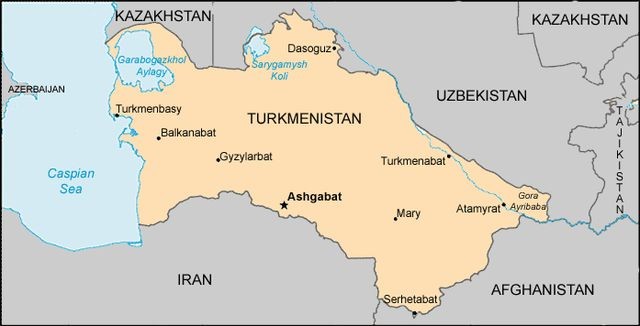
Turkmenistan’s anti-tobacco drive causes cigarette prices going up

ASHGABAT (TCA) — Cigarettes have again disappeared from state-owned stores in Turkmenistan in April, as the “Month of Health” is being held in the country, the Chronicles of Turkmenistan independent website reports. Continue reading

Turkmenistan to become tobacco-free country by 2025

ASHGABAT (TCA) — Turkmenistan’s President Gurbanguly Berdymukhammedov is pushing ahead with his plan to make the country tobacco-free by 2025, Turkmen state media reported. Continue reading

Kazakhstan to raise excise taxes on alcohol and tobacco in 2017

ASTANA (TCA) — In 2017, the government of Kazakhstan plans a phased increase in excise duties on alcoholic beverages and tobacco, the Minister of National Economy Kuandyk Bishimbayev said at the conference "Actual problems of taxation" on September 22, the official website of the Prime Minister of Kazakhstan reports. Continue reading