• KGS/USD = 0.01144 0%
  • KZT/USD = 0.00207 0%
  • TJS/USD = 0.10417 -0.76%
  • UZS/USD = 0.00008 0%
  • TMT/USD = 0.28571 0%
  • KGS/USD = 0.01144 0%
  • KZT/USD = 0.00207 0%
  • TJS/USD = 0.10417 -0.76%
  • UZS/USD = 0.00008 0%
  • TMT/USD = 0.28571 0%
  • KGS/USD = 0.01144 0%
  • KZT/USD = 0.00207 0%
  • TJS/USD = 0.10417 -0.76%
  • UZS/USD = 0.00008 0%
  • TMT/USD = 0.28571 0%
  • KGS/USD = 0.01144 0%
  • KZT/USD = 0.00207 0%
  • TJS/USD = 0.10417 -0.76%
  • UZS/USD = 0.00008 0%
  • TMT/USD = 0.28571 0%
  • KGS/USD = 0.01144 0%
  • KZT/USD = 0.00207 0%
  • TJS/USD = 0.10417 -0.76%
  • UZS/USD = 0.00008 0%
  • TMT/USD = 0.28571 0%
  • KGS/USD = 0.01144 0%
  • KZT/USD = 0.00207 0%
  • TJS/USD = 0.10417 -0.76%
  • UZS/USD = 0.00008 0%
  • TMT/USD = 0.28571 0%
  • KGS/USD = 0.01144 0%
  • KZT/USD = 0.00207 0%
  • TJS/USD = 0.10417 -0.76%
  • UZS/USD = 0.00008 0%
  • TMT/USD = 0.28571 0%
  • KGS/USD = 0.01144 0%
  • KZT/USD = 0.00207 0%
  • TJS/USD = 0.10417 -0.76%
  • UZS/USD = 0.00008 0%
  • TMT/USD = 0.28571 0%

Viewing results 1 - 6 of 332

“Recipes for Broken Hearts”: Bukhara Launches First Art Biennale

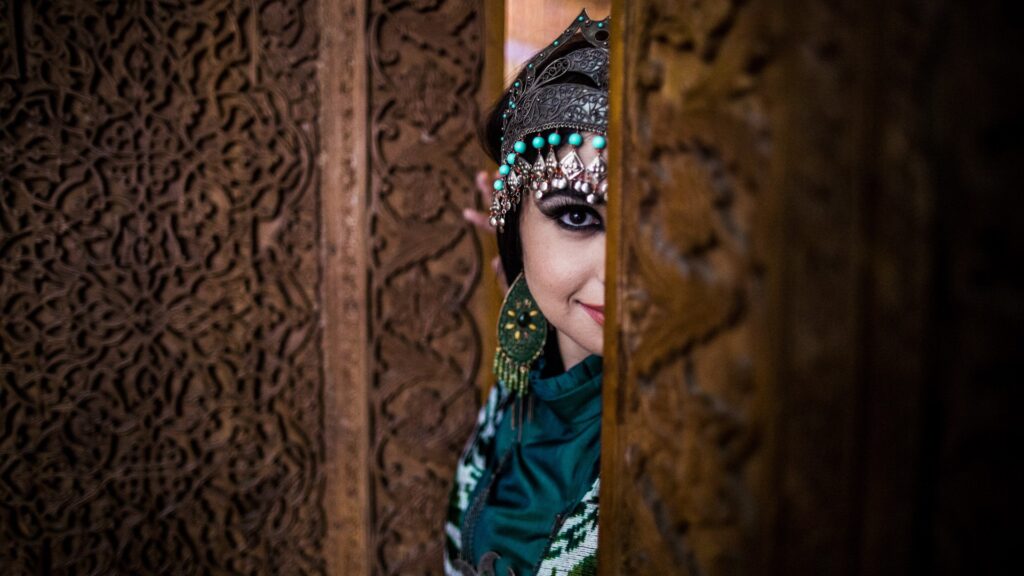
This autumn, the ancient Silk Road city of Bukhara is poised to reemerge as a global cultural destination, hosting its first-ever international art biennale, Recipes for Broken Hearts. Running from September 5 to November 20, the ten-week festival will transform Bukhara, a UNESCO Creative City, into a vibrant arena for contemporary art, community rituals, and culinary experiences. The initiative is spearheaded by Gayane Umerova, chair of the Uzbekistan Arts and Culture Development Foundation (ACDF), with renowned curator Diana Campbell at the helm. More than 70 new works, created in Uzbekistan, will be displayed in historic madrasas and caravanserais, reimagined as immersive exhibition spaces. The event promises to be among the region’s largest cultural gatherings, aiming to reclaim Bukhara’s place on the global cultural map. Not Just an Exhibition, A Sensory Ritual Recipes for Broken Hearts is not a traditional exhibition. Designed as a “ritual for the senses,” it invites audiences to engage with art not just visually but through touch, scent, sound, and taste. Sculptures, textiles, music, and food converge into an experimental space for “emotional healing.” Visitors become participants rather than spectators. At the opening ceremony, instead of a red carpet, guests will be welcomed by the scent of fermentation. Korean Buddhist nun and chef Jeon Kwan will prepare kimchi, place it in a clay pot, and bury it. Ten weeks later, the fermented dish will be unearthed and shared with the public, symbolizing transformation and healing through time. A Dialogue Between Cultures The biennale’s installations span a wide geographic and cultural range. Egyptian-American artist Laila Gohar will craft navata, a crystal made from grape juice and saffron. Colombian artist Delcy Morelos will construct a dome of clay, sand, and spices to symbolize human connection to the earth. Uzbek artist Oizhon Khairullaeva and ceramist Abdurauf Tahirov will create “organs of the city,” including a beating ceramic heart and a “stomach” integrated into historic architecture. Indian sculptor Subodh Gupta will build a giant dome from enamel teapots and bowls, shaped like a yurt, where guests will be served fusion cuisine. Central to the project is the in situ approach: every piece is created in Bukhara with the support of local artisans, potters, weavers, and carpet makers, infusing contemporary works with traditional skills. “This isn’t an art fair,” explained the curators. “Each piece speaks from this land, even if the whole world sees it.” [caption id="attachment_21936" align="aligncenter" width="2560"] The Kalon Mosque, Bukhara; image: TCA, Stephen M. Bland[/caption] Bukhara as a Living Gallery Festival venues are dispersed throughout Bukhara’s historic core, effectively turning the city into an open-air gallery. Four restored caravanserais symbolize the emotional journey from grief to hope. The 16th-century Gavkushon madrasa, repurposed as the “House of Softness,” will host workshops, public readings, and a symposium titled The Craft of Mending. There, artists and scholars will explore the “culture of repair”, from object restoration to the preservation of historical memory. “Erasing history is also a form of pain. Restoration is resistance to oblivion,” notes Harvard-based art historian Aziza Izamova. Concurrently,...
Insider’s View: Uzbekistan’s Competitiveness and Advantages in the SCO Tourism Market

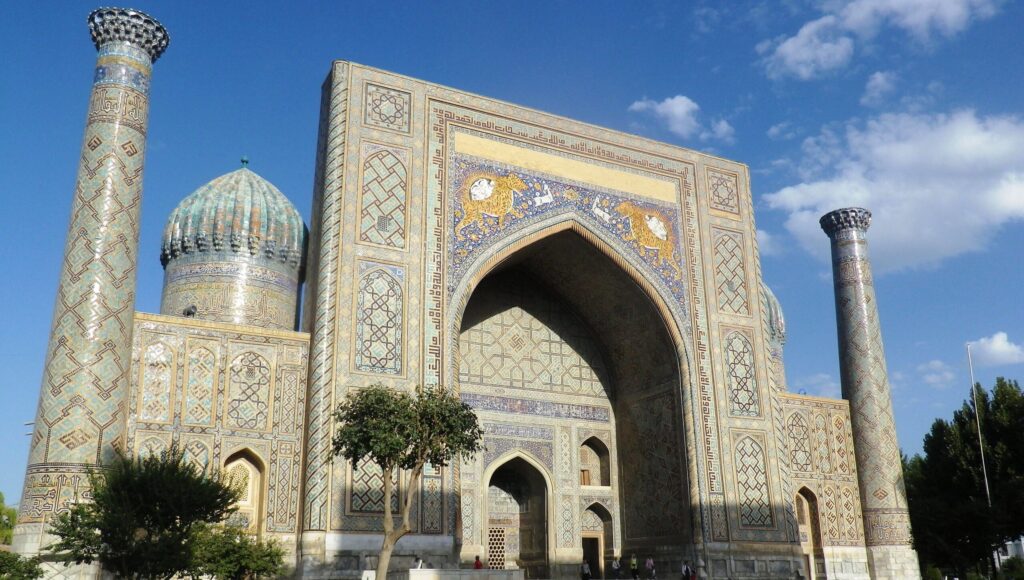
In recent years, Uzbekistan has strengthened its position in the international tourism market, particularly in the region of the Shanghai Cooperation Organization (SCO). From January to June 2025, the country welcomed over 5.3 million international tourists, more than double the figure of the previous year, while tourism service exports rose to $2.4 billion, marking a 164% increase. For the SCO member states, tourism serves as a driver of economic growth and an important tool for cultural exchange and diplomatic rapprochement. Uzbekistan stands out within the Organization thanks to its rich cultural heritage, modern infrastructure, and liberal visa policy. Uzbekistan’s historical landmarks provide the country with a significant competitive advantage within the SCO region. Cities such as Samarkand, Bukhara, and Khiva - all included on the UNESCO World Heritage List - have become major cultural magnets for tourists. These cities are home to hundreds of architectural monuments, mosques and madrasahs, traditional markets, and craft centers, offering travelers a truly unique experience. Building on this heritage, Uzbekistan has also expanded its hospitality sector. In the first half of 2025, Uzbekistan established 60 new hotels, 287 family guest houses, 146 hostels, and 24 other accommodation facilities - a total of 517 new establishments offering 12,800 additional beds. As a result, the total number of accommodation facilities reached 6,448, with overall capacity exceeding 170,000 beds. In recent years, Uzbekistan has actively cooperated with global hotel brands, with international chains such as Hilton, Intercontinental, Bentley, Bill Wyndham & Co., and Azimut implementing investment projects across various regions of the country. This has had a positive impact on both the quality of service and the level of trust from the international community. Additionally, 368 new tourism companies and travel agencies were established in the country, bringing the total number of tour operators to 4,052. Across the republic, 3,415 tour guides are currently active, with 215 new specialists trained in just the first half of this year. These developments have improved the quality of tourism services and significantly enhanced conditions for visitors to the country. Uzbekistan's visa policy is also one of the most progressive in the region. Today, citizens of more than 90 countries can enter the country visa-free, while an additional 56 countries have access to an electronic visa system. This has become a key factor in the growth of tourist arrivals. All of these measures have contributed to a significant increase in the number of tourists visiting Uzbekistan. In the first six months of 2025 alone, more than 4.3 million tourists from SCO member states visited the country, accounting for over 80% of all international visitors. Uzbekistan is also actively promoting its tourism image on the international stage. Cooperation is underway with global media companies such as World Media Group, Blue Sky, Sky One, Wanderlust, Euronews, the BBC, National Geographic, CNN, Travel Tomorrow, Warner Bros. Discovery, Saga Travel Group, as well as with online platforms like Ctrip.com, Holiday Factory, Voyage Privé, and others. In 2024, Uzbekistan participated in 22 international tourism exhibitions held in...

Yacht Fleet Launched on Lake Issyk-Kul to Boost Tourism and Sports

On August 26, Kyrgyzstan’s resort city of Cholpon-Ata inaugurated the first monotype yacht fleet on Lake Issyk-Kul, marking a new stage in the development of the region’s tourism infrastructure. The project was spearheaded by Evgeny Kotov, a Russia-born entrepreneur, international business trainer, and founder of the Practicum business school. At the opening ceremony, Kyrgyzstan’s Minister of Economy and Commerce Bakyt Sydykov highlighted the significance of the initiative, noting that tourism is defined as a strategic sector of the national economy under the National Development Program until 2030. According to Sydykov, the yacht fleet will help diversify Issyk-Kul’s tourism offerings by developing water sports and recreation, attracting visitors year-round, creating new jobs, and strengthening Kyrgyzstan’s international image and investment appeal. The new sailing infrastructure also opens opportunities for training athletes and hosting international competitions. Earlier this year, the ministry backed a proposal from the Sailing Federation of the Kyrgyz Republic to exempt sports equipment, including sailing yachts, from customs duties and to simplify procedures for the temporary import of vessels participating in competitions.

Switzerland to Help Tajikistan Promote Tourism Globally

A meeting in Geneva has set the stage for closer cooperation between Tajikistan and leading Swiss tourism organizations to promote its tourism potential internationally. Expanding Tajikistan’s global presence Deputy Chairman of the Tajik Tourism Development Committee Ziyodullo Salimzoda and Tajik Ambassador to Switzerland Sharaf Sheralizoda held talks with Geneva Tourism Office Director General Adrien Genier, as well as executives from Swiss companies Trade Wings Voyages and Executive Travel. Discussions focused on increasing Tajikistan’s visibility in the global tourism market. Proposals included organizing presentations of Tajik tourist routes in Switzerland, launching advertising campaigns, and participating in specialized international tourism events. Tourism as an economic driver Both sides emphasized the importance of attracting foreign investment to modernize tourism infrastructure, develop the hotel sector, and create jobs. “Tajikistan is known for its unique nature and hospitality, as well as the legendary Pamir Highway, one of the highest and most picturesque roads in the world,” noted Primus Publishing, a Swiss media outlet specializing in travel content. Officials expressed confidence that cooperation with Swiss partners will help increase foreign traveler interest in Tajikistan and strengthen bilateral economic ties. Partners with global expertise Trade Wings Voyages is a well established Swiss travel company offering premium business and leisure services worldwide. Executive Travel, based in Geneva, specializes in customized itineraries and full-service travel arrangements. Both companies have signaled their readiness to include Tajikistan in their travel programs and promote it across the European market. Following the meeting, participants agreed to pursue long-term initiatives, including cultural exchanges and joint promotional campaigns. This partnership could mark a shift from isolated marketing efforts to a coordinated, sustained promotion of Tajikistan as a distinctive destination for international travelers.

American Firm to Build Theme Park in Kyrgyzstan

U.S.-based IdeAttack, Inc. is set to build a theme park in Tokmok, a city located approximately 60 kilometers east of Kyrgyzstan’s capital, Bishkek. The Tourism Development Support Fund of the Kyrgyz Republic and the Chui District Administration have signed a memorandum with IdeAttack, allocating a 50-hectare land plot for the park’s development. IdeAttack specializes in the planning and design of large-scale mixed-use developments, theme parks, cultural attractions, and destination resorts. The company has previously delivered projects in the United States, United Arab Emirates, China, and South Korea. The Tokmok park will feature: Architecture inspired by Central Asian fantasy Attractions based on the Kyrgyz Epic of Manas Theme zones centered on the Great Silk Road Live shows with music, dance, and theatrical performances Master classes on yurt-making, felt production, horse riding, and traditional cuisine This marks IdeAttack’s first project in both Kyrgyzstan and Central Asia. The initiative is expected to boost international tourism to the region.

Timur’s Birthplace Languishes on UNESCO List of Endangered Sites

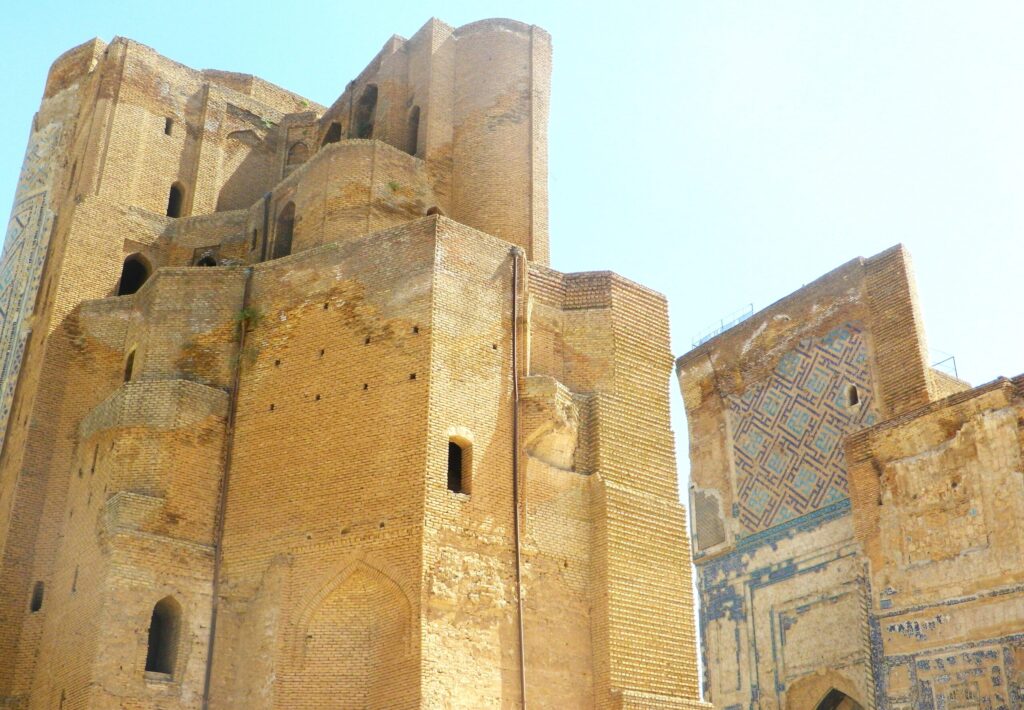
Bukhara, Samarkand, Khiva. Uzbekistan’s cultural heritage draws visitors from around the world, but the troubled modern history of another ancient site, Shakhrisabz, is a reminder that development and mass tourism sometimes overshadow preservation. Shakhrisabz, or Green City, is less known than some other tourist destinations in Uzbekistan that were part of the Silk Road network linking cultures across Asia, Europe, and Africa many centuries ago. Yet the old urban core is more than 2,000 years old and contains spectacular monuments and other structures, some dating from the heyday of the city during the rule of the Turco-Mongol conqueror Timur, also known as Tamerlane, and the Timurids in medieval times. [caption id="attachment_34196" align="aligncenter" width="2560"] Timur Statue; image: TCA, Stephen M. Bland[/caption] UNESCO declared it a world heritage site in 2000. But the historical center of Shakhrisabz, previously called Kesh, was placed on the U.N. cultural agency´s list of world heritage sites in danger in 2016 after large sections were razed to make way for a park and tourist facilities. It has stayed on the danger list ever since as officials in Uzbekistan, assisted by international advisers, try to figure out a way to prevent it from losing its United Nations status altogether. A total of 53 locations around the world are on UNESCO’s danger list. [caption id="attachment_34197" align="aligncenter" width="2560"] The Fayzullah Ravnakhi Museum B&B, one of many buildings demolished to make way for tourist facilities; image: TCA, Stephen M. Bland[/caption] A solution in Uzbekistan’s case appears to be in the works. At a meeting in Paris this month, the UNESCO World Heritage Committee tentatively approved an Uzbek proposal that would restore Shakhrisabz in southern Uzbekistan to the regular heritage list but in reduced form – only four key Timurid monuments would be included, while the rest of the historical center would be labeled as a buffer zone. “The main focus is expected to shift from the concept of a ´complete historic city´ to the conservation of the ensemble of monuments, including the Ak-Saray Palace, while preserving their urban context,” reported Gazeta.uz, a media organization in Uzbekistan. [caption id="attachment_34198" align="aligncenter" width="2560"] Ak-Saray Palace; image: TCA, Stephen M. Bland[/caption] Uzbekistan must conduct archaeological studies, prepare a restoration plan, and take other measures in order for the proposal to succeed, according to Gazeta.uz. Uzbekistan must update UNESCO on its progress in February 2026, and the process could still take several years. Construction of the Ak-Saray Palace began in 1380 after a military victory by Timur, who was born in the city, according to UNESCO. The agency said that not one of the many Timurid monuments in Samarkand, north of Shakhrisabz, can rival the Ak-Saray Palace. “The foundations of its immense gate have been preserved: this architectural masterpiece is outstanding in its dimensions and bold design,” UNESCO said. While Shakhrisabz has less tourist infrastructure than nearby Samarkand, there are efforts to raise its profile. Last year, the Economic Cooperation Organization, whose ten members include Central Asian countries, declared it the tourism capital for 2024. Uzbekistan’s other cultural sites have also faced...