
• KGS/USD = 0.01144 0%
  • KZT/USD = 0.00211 0%
  • TJS/USD = 0.10609 0.28%
  • UZS/USD = 0.00008 0%
  • TMT/USD = 0.28530 0%
  • KGS/USD = 0.01144 0%
  • KZT/USD = 0.00211 0%
  • TJS/USD = 0.10609 0.28%
  • UZS/USD = 0.00008 0%
  • TMT/USD = 0.28530 0%
  • KGS/USD = 0.01144 0%
  • KZT/USD = 0.00211 0%
  • TJS/USD = 0.10609 0.28%
  • UZS/USD = 0.00008 0%
  • TMT/USD = 0.28530 0%
  • KGS/USD = 0.01144 0%
  • KZT/USD = 0.00211 0%
  • TJS/USD = 0.10609 0.28%
  • UZS/USD = 0.00008 0%
  • TMT/USD = 0.28530 0%
  • KGS/USD = 0.01144 0%
  • KZT/USD = 0.00211 0%
  • TJS/USD = 0.10609 0.28%
  • UZS/USD = 0.00008 0%
  • TMT/USD = 0.28530 0%
  • KGS/USD = 0.01144 0%
  • KZT/USD = 0.00211 0%
  • TJS/USD = 0.10609 0.28%
  • UZS/USD = 0.00008 0%
  • TMT/USD = 0.28530 0%
  • KGS/USD = 0.01144 0%
  • KZT/USD = 0.00211 0%
  • TJS/USD = 0.10609 0.28%
  • UZS/USD = 0.00008 0%
  • TMT/USD = 0.28530 0%
  • KGS/USD = 0.01144 0%
  • KZT/USD = 0.00211 0%
  • TJS/USD = 0.10609 0.28%
  • UZS/USD = 0.00008 0%
  • TMT/USD = 0.28530 0%

Viewing results 1 - 6 of 3

Kazakhstan to Launch Nuclear Power Plant Training Program

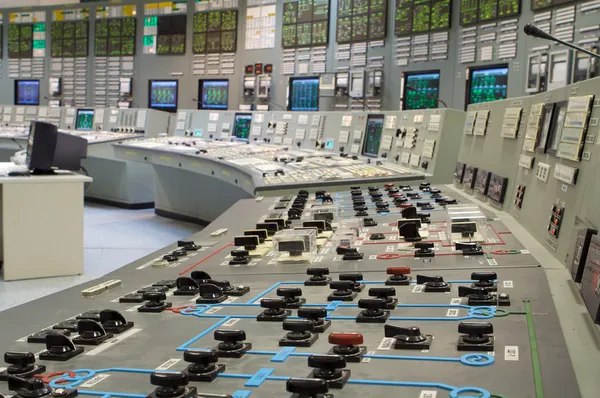
From the 2025/26 academic year, Serikbayev East Kazakhstan Technical University will offer a new “Nuclear Power Plant Operation” program, developed in collaboration with experts from the International Atomic Energy Agency (IAEA). The initiative aims to prepare highly qualified personnel for Kazakhstan’s first nuclear power plant, scheduled to come online in about a decade. Internationally Supported Program The curriculum was created under two projects, “Expert Mission to Strengthen National Capacity in Education and Training to Support the Nuclear Power Plant Construction Program” and “KAZ2010: Support for Infrastructure Development for the Implementation of the Nuclear Energy Program (Phase 3).” Courses will cover nuclear reactor physics, radiation safety, the nuclear fuel cycle, and equipment modernization. Practical training will take place at the National Nuclear Center in Kurchatov and at a metallurgical plant in Ust-Kamenogorsk, where heat-releasing assemblies are produced from Kazakh raw materials. In April 2025, the university hosted an international forum with participation from the IAEA and Russia’s National Research Nuclear University MEPhI. In June, lecturers Aizhan Baidildina and Nadezhda Prokhorenkova trained at a nuclear power plant in Hungary. In October, Dean Aibek Akayev will attend an IAEA StarNet network meeting in Vienna. Training Specialists Nationwide According to the Atomic Energy Agency, Kazakhstan currently has 18 educational programs related to the nuclear industry, offered at six universities including L.N. Gumilyov Eurasian National University, Al-Farabi Kazakh National University, Almaty University of Energy and Communications, East Kazakhstan University named after Amanzholov, and Shakhimety State University. Plans include training at foreign universities and awarding double degrees in nuclear physics and engineering. More than 5,000 grants have been allocated for the 2024/2025 academic year, compared with approximately 250 students enrolled in the previous year. Between 2011 and 2023, more than 1,600 specialists graduated from nuclear-related programs. Over 5,000 workers for the nuclear sector have already been trained at research institutions such as the National Nuclear Center and the Institute of Nuclear Physics. The government also plans to expand international internships, with future placements in France, Russia, and Hungary. Nuclear Power Plant Construction Kazakhstan has considered nuclear power a strategic priority since the 1990s, aiming to reduce electricity shortages, cut reliance on imports, and stabilize prices, while also contributing to the goal of carbon neutrality by 2060. In October 2024, more than 5.5 million Kazakhstani citizens voted in a referendum to support construction of the first plant. In January 2025, President Kassym-Jomart Tokayev approved the concept for a second plant. A month later, the site for the first plant was approved in the Zhambyl district of the Almaty region. French engineering firm Assystem conducted the technical evaluation of proposals. Russia’s Rosatom won the tender with its reactor design, followed by a Chinese company in second place, and French and South Korean firms in third and fourth.

Tajik Students Gain Expanded Access to Internships and Training in the UK

Educational cooperation between Tajikistan and the United Kingdom is reaching new milestones, with fresh opportunities emerging for Tajik students to study and gain professional experience in the UK. On May 31, representatives of Tajikistan’s State Agency “Center for International Programs” held talks with leadership at the University of Greenwich to discuss avenues for academic collaboration and student support initiatives. Building Bridges in Higher Education The meeting took place within the framework of Tajikistan’s broader strategy to internationalize its education and science sectors. According to the Ministry of Education and Science, discussions focused on improving access for Tajik citizens to high-quality education, facilitating professional internships, and exploring financial assistance mechanisms. Particular emphasis was placed on fields such as economics, finance, and management. University of Greenwich officials highlighted their partnerships with major financial institutions, which enable students to gain practical experience and enhance their competitiveness in global labor markets. Greenwich: A Gateway to Global Careers As part of the talks, the two sides explored the possibility of offering scholarships to Tajik students through national and international funding schemes. An agreement was reached to continue discussions and expand academic exchange programs. Experts see this initiative as a significant step in strengthening bilateral educational ties and opening new horizons for Tajik youth. Strengthening Tajik-UK Educational Ties Tajik-UK educational cooperation has grown steadily in recent years. Since 2018, more than 30 Tajik students have received Chevening Scholarships to pursue master's degrees at top British universities. The program, funded by the UK government, remains a key pillar of bilateral academic exchange. In 2022, the British Council resumed operations in Dushanbe, boosting collaboration on English language education and teacher training. Joint projects with the Tajik Ministry of Education aim to modernize teaching methods and improve educational outcomes. Tajik universities, such as Rudaki Tajik National University, are also forging partnerships with British institutions like the University of Central Lancashire, including dual degree programs and collaborative research. STEM education is a growing area of focus: in 2023, British-supported robotics and programming courses were launched for Tajik schoolchildren. Regional Context: Broader British Engagement in Central Asia The UK is expanding its educational footprint across Central Asia. In Turkmenistan, British experts have supported teacher training and curriculum modernization. In the 2024/25 academic year, 12 Turkmen nationals received Chevening Scholarships. The British Council continues to roll out digital education initiatives, such as the Digital Learning project, in the region. In May 2025, Turkmenistan also participated in the World Education Forum in London, joining delegates from over 100 countries to discuss global trends and priorities in education.

Kyrgyzstan Faces Labor Shortages Amid Growing Return Migration

As of February 1, 2025, Kyrgyzstan had 6,305 job vacancies, with the highest demand for blue-collar workers, according to the Ministry of Labor, Social Security, and Migration. The official unemployment rate currently stands at 1.8%. A total of 69,300 people have sought assistance from the employment service, with 49,800 officially registered as unemployed. Since the beginning of the year, 12,246 citizens have applied for job placement, and 1,283 have successfully secured employment. To enhance job seekers' competitiveness in the labor market, the employment service has introduced training programs for in-demand professions. These include computer operation, sales, cooking, cosmetology, hairdressing, manicuring, massage therapy, makeup artistry, translation, accounting, sewing, driving, electric and gas welding, plumbing, and beekeeping. Over the past three decades, hundreds of thousands of Kyrgyz citizens have migrated abroad for work, primarily to Russia. However, in recent years, return migration has been rising due to Russia’s economic downturn, stricter regulations, and increasing anti-immigrant sentiment toward Central Asians. In response to this trend, the Kyrgyz government has prioritized establishing new industrial enterprises to create job opportunities for returning labor migrants.
