• KGS/USD = 0.01144 0%
  • KZT/USD = 0.00209 0%
  • TJS/USD = 0.10807 -0.09%
  • UZS/USD = 0.00008 0%
  • TMT/USD = 0.28490 0%
  • KGS/USD = 0.01144 0%
  • KZT/USD = 0.00209 0%
  • TJS/USD = 0.10807 -0.09%
  • UZS/USD = 0.00008 0%
  • TMT/USD = 0.28490 0%
  • KGS/USD = 0.01144 0%
  • KZT/USD = 0.00209 0%
  • TJS/USD = 0.10807 -0.09%
  • UZS/USD = 0.00008 0%
  • TMT/USD = 0.28490 0%
  • KGS/USD = 0.01144 0%
  • KZT/USD = 0.00209 0%
  • TJS/USD = 0.10807 -0.09%
  • UZS/USD = 0.00008 0%
  • TMT/USD = 0.28490 0%
  • KGS/USD = 0.01144 0%
  • KZT/USD = 0.00209 0%
  • TJS/USD = 0.10807 -0.09%
  • UZS/USD = 0.00008 0%
  • TMT/USD = 0.28490 0%
  • KGS/USD = 0.01144 0%
  • KZT/USD = 0.00209 0%
  • TJS/USD = 0.10807 -0.09%
  • UZS/USD = 0.00008 0%
  • TMT/USD = 0.28490 0%
  • KGS/USD = 0.01144 0%
  • KZT/USD = 0.00209 0%
  • TJS/USD = 0.10807 -0.09%
  • UZS/USD = 0.00008 0%
  • TMT/USD = 0.28490 0%
  • KGS/USD = 0.01144 0%
  • KZT/USD = 0.00209 0%
  • TJS/USD = 0.10807 -0.09%
  • UZS/USD = 0.00008 0%
  • TMT/USD = 0.28490 0%

Viewing results 1 - 6 of 12

Rail, Water, and Helicopters – Uzbekistan’s “Limited Recognition” of the Taliban

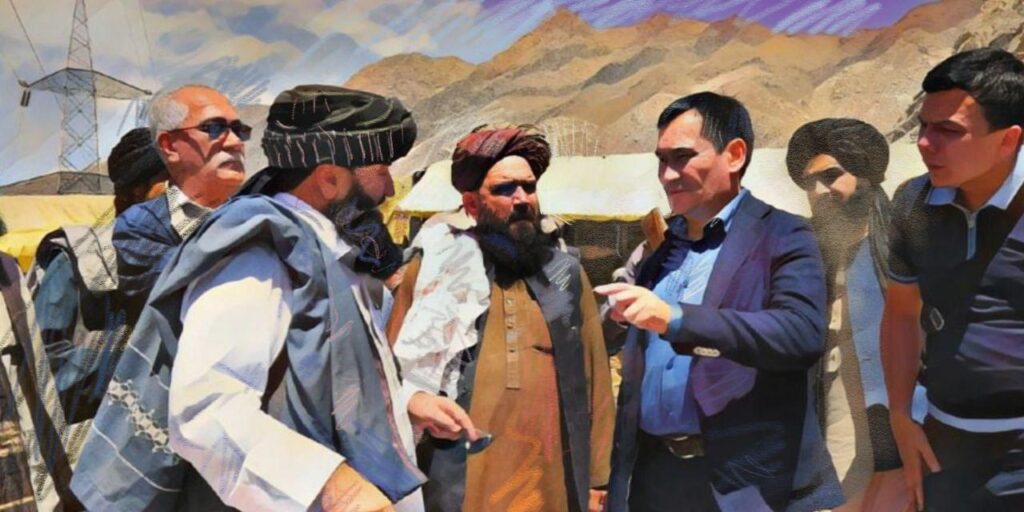
Uzbekistan has spent the middle of September embroiled in an increasingly tetchy press battle over an unusual topic: helicopters. The Taliban, who run the de facto government in Kabul, have long claimed that several dozen military aircraft and helicopters currently residing in Uzbekistan are rightfully theirs. On September 11, a Taliban official announced publicly that Uzbekistan had agreed to hand them back. This was reported widely in the regional media, with the Uzbek foreign ministry slow off the mark in denying these claims. The dispute goes back to the fall of Kabul in August 2021, when a total of 57 aircraft were flown from Afghanistan to Uzbekistan and Tajikistan as Ashraf Ghani’s government collapsed. “The helicopters came from the Afghan territory to Uzbek territory illegally, so actually we had the right to confiscate them,” Islomkhon Gafarov, an Afghanistan expert at the Center for Progressive Reform, a Tashkent think tank, told the Times of Central Asia. However, Gafarov adds that the aircraft were the property of the U.S. military loaned to the previous government of Afghanistan, and therefore, Washington will have a say in their return. This has not stopped the Taliban from continuing to demand the helicopters back for use in “humanitarian operations,” in the words of Foreign Minister Amir Khan Muttaqi. Such wrangling is part of the daily diplomatic in-tray for Tashkent when dealing with a neighbor whose government has not been recognized by almost the entire world. “Afghanistan is our neighbor,” said Gafarov. “According to the geopolitical situation, we have to conduct a dialogue with this government. It’s true, Uzbekistan hasn’t recognized the Taliban government, but de facto, we work with them; we’ve had diplomatic relations with them since 2018.” Tashkent certainly has reasons to work with the Taliban. Helicopters are a mere sideshow compared to two far larger issues that will define their relations for years to come: rail and water. Railway On the positive side of the ledger, the Taliban have brought to Afghanistan a reasonable degree of stability - enough to start contemplating large-scale infrastructure projects. In July, an agreement was struck between Pakistan, Afghanistan, and Uzbekistan to conduct a feasibility study for a trans-Afghanistan railway, with 647 kilometers of new track being laid to link Uzbekistan with Pakistan’s Indian Ocean ports. This railway could bring significant benefits to Uzbekistan, one of only two double-landlocked countries in the world. Currently, sea-bound exports must travel via Turkmenistan to Iran. Other routes almost all rely on going via Kazakhstan. The China-Kyrgyzstan-Uzbekistan railway, currently being constructed, should remove some of the need for sea-bound routes, but the Pakistan route would be faster. “The trans-Afghan route is the shortest way to the seaports of Karachi and Gwadar,” Gafarov told TCA. With a line from Termez, Uzbekistan, to Mazar-i-Sharif in Northern Afghanistan already operational, this only leaves two sections unbuilt - from Mazar to Kabul, and then from Kabul to Peshawar in Pakistan. The teams are still only at the feasibility stage right now, and have, with some chutzpah, predicted...

Trans-Afghan Railway: Can Uzbekistan Build a Railway Through Afghanistan to Reach the Sea?

For years, Uzbekistan has planned to gain access to the sea by passing through Afghanistan: The Trans-Afghan Railway is one of the country’s top transport projects. The railway could not only bring Uzbekistan to the sea, but also turn it into a transit hub connecting the north and south. However, no matter how promising the project looks, existing obstacles leave its fate uncertain. The Taliban has not yet established full control over Afghan territories, and many of its state assets are frozen. This leaves the construction costs to Uzbekistan and Pakistan. The Taliban government’s lack of recognition may also complicate attracting international institutions and companies to the project, even after its completion. So how realistic is Uzbekistan’s new Trans-Afghan railway project? Why Is the Railway Needed? Proposed by Uzbekistan in December 2018 for the first time, the Trans-Afghan railway project aims to extend Afghanistan’s rail network from Mazar-i-Sharif through Kabul and Logar, before crossing into Pakistan via Kharlachi - replacing the earlier plan to run through Nangarhar Province. The railway would cross the Torkham border and pass through Peshawar into Pakistan. Once in Pakistan, cargo would be linked to the Pakistani railway system, reaching the country’s seaports of Karachi, Gwadar, and Qasim. However, in July 2023, Uzbekistan, Pakistan, and Afghanistan finalized a different route: Termez → Naibabad → Maidanshahr → Logar → Kharlachi. This means the corridor will not pass through the Torkham border as originally described. Now construction scheduled to start within five months, the railway is expected to handle up to 20 million tons of cargo annually and reduce transit time from Uzbekistan to Pakistan from 35 days to 3–5 days once operational. Financial Obstacles The line is planned to be 647 km long, with an estimated construction cost of $6.9 billion according to more recent Uzbek statements (though earlier estimates ranged from $4.6 to $7 billion). This figure remains subject to change until the final feasibility study is complete. Given Afghanistan’s complex ecological terrain, estimated costs could rise significantly. Pakistan has stated it would raise funds for the construction and financing of the part of the line to be built on Afghan territory. Observers believe the first issue to resolve before construction starts is the provision of security by the Taliban. Independent political analyst Yunus Sharifli argues that statements made by ISIS and threats targeting countries cooperating with the Taliban are further delaying construction. “At present, the deterioration of Afghanistan’s security situation makes it even harder to secure credit lines with financial institutions. The Taliban continues to struggle to establish legitimacy in Afghanistan. Yet the country as a whole remains bogged down in ethnic conflicts,” Sharifli stated. The Taliban’s policies toward women are also seen as one of the reasons complicating access to international financing mechanisms. Multilateral financial institutions and donor states condition their support on certain governance principles. This has become one of the main challenges in securing financing and attracting Western investors. Geographic Obstacles Part of the line is planned to cross the Salang Pass...

Uzbekistan, Pakistan, and Afghanistan Sign Deal to Study TransAfghan Railway

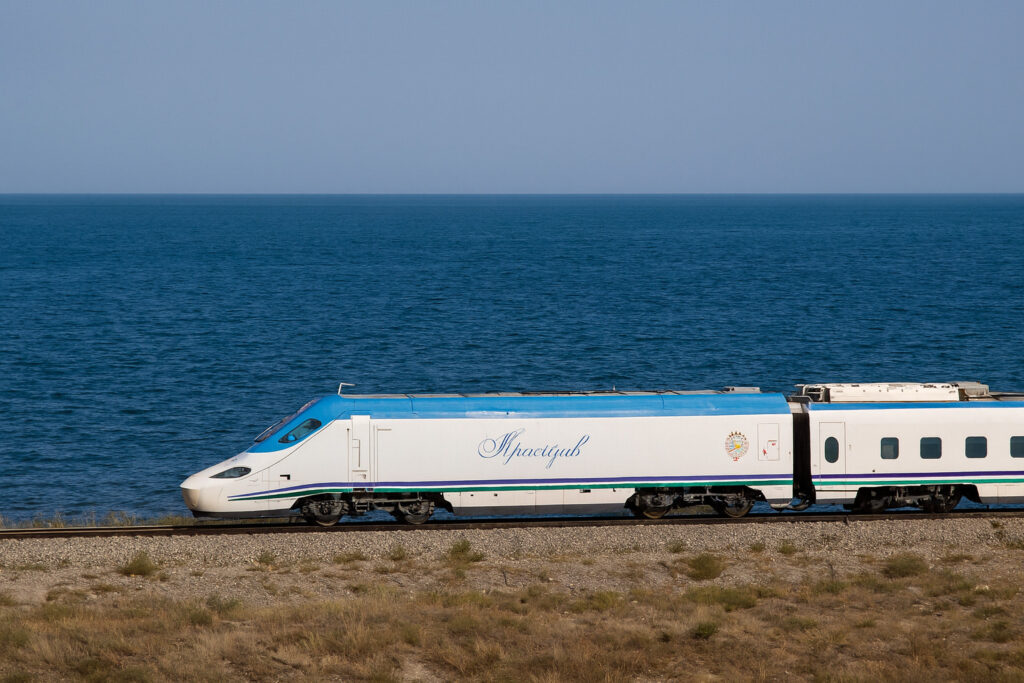
Uzbekistan, Pakistan, and Afghanistan have taken a significant step toward realizing the long-planned TransAfghan railway. According to Uzbekistan Railways, the three countries signed an intergovernmental agreement on July 17 in Kabul to launch a technical and economic feasibility study for the proposed “Termez-Naibabad-Maidan Shar-Logar-Kharlachi” route. The deal was finalized at a trilateral summit attended by Uzbekistan’s Transport Minister Ilkhom Makhkamov, Pakistan’s Railways Minister Muhammad Hanif Abbasi, and Afghanistan’s acting Public Works Minister Mohammad Esa Thani. The route itself was agreed upon in July 2023 in Islamabad by representatives of all three nations. A project office established under the International Transport Corridors Development Strategy, launched in May 2023 in Tashkent with branches in Kabul and Islamabad, will oversee the study. Originally proposed in 2018, the TransAfghan railway is envisioned to link Termez in Uzbekistan with Mazar-i-Sharif and Kabul in Afghanistan, before extending to Peshawar in Pakistan. The line would run over 700 kilometers through Afghanistan, creating a direct land corridor between Central Asia and the Arabian Sea. Uzbekistan’s Foreign Minister Bakhtiyor Saidov reiterated the project’s importance during a July 17 meeting with Afghanistan’s acting Interior Minister Sirajuddin Haqqani. Saidov noted that trade between Uzbekistan and Afghanistan has nearly tripled over the past year, emphasizing that deeper ties among Afghanistan, Uzbekistan, and Pakistan could benefit the broader region. Haqqani, in turn, praised Uzbekistan’s “goodwill, constructive cooperation, and spirit of brotherhood,” describing the railway as a strategically vital project that could spur economic growth across Central Asia. The initiative has drawn support from Russia, Iran, and several international financial institutions. The railway is expected to reduce transit times for Central Asian exports to Pakistani ports from several weeks to just a few days. While the project's initial cost was estimated at $4.8 billion, later projections have placed it at $7 billion, according to Tolo News. The forthcoming feasibility study is a critical next step. It will evaluate engineering challenges, projected costs, trade flow potential, and security conditions along the proposed route. If the study confirms the project's viability, the three governments can proceed with securing funding and establishing a construction timeline. Regional analysts say the railway could transform trade and logistics across Central Asia. It would offer landlocked countries, including Uzbekistan, Kazakhstan, and Tajikistan, direct access to seaports in Karachi and Gwadar, opening new markets in South Asia and beyond. For now, officials in Tashkent, Islamabad, and Kabul are concentrating on completing the study. With strong political backing and expanding trade links, they believe the TransAfghan railway stands a strong chance of becoming a central artery in the region’s future transport infrastructure.

Interview: Taliban-Ruled Afghanistan Looks to Kazakhstan

ASTANA - War-torn Afghanistan, now led by the Taliban, is in desperate need of funding. The radical group is seizing every opportunity to secure not only financial support but also major infrastructure projects that could help rebuild the country. In late May, a delegation of Taliban representatives, led by Haji Nooruddin Azizi, the Minister of Trade and Industry, visited Kazakhstan to attend the Astana International Forum (AIF). During the summit, they spoke with The Times of Central Asia, discussing their ambitions and plans. It was their first participation in the prominent forum, made possible by Kazakhstan’s 2024 decision to remove the Taliban from its list of terrorist organizations. Since then, Kazakhstani political and business leaders have traveled to Kabul on several occasions aiming to establish closer relations with the Islamic Emirate. [caption id="attachment_32607" align="aligncenter" width="1600"] Image: TCA, Nikola Mikovic[/caption] Most recently, during a meeting with Azizi, Kazakhstan’s President Kassym-Jomart Tokayev emphasized the need to strengthen political ties with Afghanistan. The economy, however, seems to play an equally important role in this relationship, with Astana aiming to increase its bilateral trade volume with Afghanistan to $3 billion in the coming years. Kazakhstan is also eyeing investing $500 million in the construction of the 115-kilometer (71 miles) Turgundi–Herat railway line, a section of the rail corridor linking Turgundi in the north of Afghanistan and Spin Boldak on the country’s border with Pakistan. The route effectively connects Central and South Asia via Afghanistan. Neighboring Turkmenistan is also interested in participating in this project, as the railway aims to connect Central Asia to Pakistan’s Karachi and Gwadar ports, providing Turkmenistan and its neighbors access to vast South Asian markets. The Turgundi–Herat–Kandahar–Spin Boldak railway line is considered a key segment of the broader Trans-Afghan Railway project, which even Russia has expressed an interest in joining. “It is still too early to discuss who will build the railway, although it is clear that Afghan companies are unlikely to be able to undertake the project,” Mirwais Ghafouri, Senior Advisor of the Afghanistan Railway Authority, told The Times of Central Asia in an interview. In his view, given that Afghanistan is a mountainous country, the entire project will cost at least $2–3 billion. The problem for Kabul is that – due to various sanctions and the fact that most countries still do not officially recognize the Taliban-led government – it cannot count on significant support from international financial institutions such as the World Bank and the Asian Development Bank. “But we expect Kazakhstan to invest in this project, as well as in our economy in general. The shortest route connecting Central Asia and South Asia is through Afghanistan. Once the railway is complete, Kazakhstan and other Central Asian nations will be able to use it to export their agricultural products to huge markets such as India, Pakistan, and Bangladesh”, Ghafouri stressed, pointing out that Kabul and Astana are currently working on a project feasibility study. The Taliban appear to be aiming to revive nearly all previously announced projects...

Uzbekistan and Russia Advance Trans-Afghan Railway Project to Pakistan

Uzbekistan and Russia have taken a significant step toward the practical implementation of the long-envisioned Trans-Afghan railway project, which aims to connect Central Asia to Pakistan via Afghanistan. The transport ministries of both countries, along with Russian Railways and the Uzbek national railway company, Uzbekistan Temir Yollari, have signed documents formalizing the start of the project’s development phase. According to Russia’s Ministry of Transport, the two countries will jointly develop a feasibility study in 2025, assessing freight traffic forecasts and economic viability. Two potential routes have been proposed: Route 1: Mazar-e-Sharif - Herat - Dilaram - Kandahar (Afghanistan) - Chaman (Pakistan) Route 2: Termez (Uzbekistan) - Naibabad (Afghanistan) - Logar (Afghanistan) - Harlachi (Pakistan) Further discussions involving Pakistan Railways and an Afghan delegation are scheduled for the Russia-Islamic World Forum in the Russian city of Kazan on May 15-16. Uzbekistan, which already maintains a direct rail connection to Afghanistan, continues to position itself as a logistics hub for trade between Russia, Central Asia, South Asia, and beyond. In January 2025, Tashkent extended its contract with the Taliban-led government in Afghanistan to operate and maintain the Hairaton to Mazar-e-Sharif railway -- a vital segment of the broader China-Kyrgyzstan-Uzbekistan-Afghanistan corridor. The corridor’s significance is expected to grow upon completion of the China–Kyrgyzstan–Uzbekistan railway. Currently, Central Asia’s rail links to China are limited to routes transiting Kazakhstan. In a major development on April 17, Russia’s Supreme Court lifted its 2003 ban on the Taliban, having until then designated the group a terrorist organization. The decision, formally allowing Russian state institutions to engage with the Taliban, opens the door to deeper trade and infrastructure cooperation. Russian Deputy Prime Minister Alexei Overchuk stated that this policy shift will facilitate the promotion of Russian exports and the realization of Afghanistan’s transport and logistics potential. Uzbekistan has pursued a consistent policy of engagement with Afghanistan, emphasizing economic cooperation over isolation. In October 2024, Abdul Ghafar Terawi began his tenure as the head of the Taliban-led Afghan diplomatic mission in Tashkent. Speaking at the 79th session of the UN General Assembly in September 2024, Uzbek Foreign Minister Bakhtiyor Saidov reaffirmed Uzbekistan’s commitment to regional stability. “Afghanistan is an integral part of Central Asia,” Saidov told the Assembly. “Addressing the Afghan issue is essential for ensuring sustainable development across the region”. He praised Uzbekistan’s role in implementing the Trans-Afghan railway, which he said would offer landlocked Central Asian economies access to international ports. “This will positively impact the economic development of the entire region,” Saidov noted.

Uzbekistan Extends Agreement on Hairaton-Mazar-e-Sharif Railway with Afghanistan

Uzbekistan has reached an agreement with Afghanistan's Taliban interim government to extend the contract for operating and maintaining the Hairaton-Mazar-e-Sharif railway. Uzbekistan’s Minister of Transport, Ilhom Mahkamov, met with Mohammad Ishaq Sahibzada, Afghanistan’s Deputy Minister of Public Works for Railways, during talks held in Tashkent from January 21 to 23. Uzbekistan's Ministry of Transport agreement has confirmed the agreement. The meetings, chaired by Mahkamov, focused on accelerating the construction of the Trans-Afghan Railway project and planning the next stages of work. Both sides emphasized the importance of enhancing regional connectivity and ensuring the smooth operation of the existing railway infrastructure. Under the extended agreement, Sogdiana Trans LLC, a subsidiary of Uzbekistan Railways Joint Stock Company, will continue managing the Hairaton-Mazar-e-Sharif railway. This railway, constructed in 2010 for $129 million, has been operated by Sogdiana Trans since its completion. In August 2024, the Naibabad railway station — part of the Hairaton-Naibabad-Mazar-e-Sharif railway line — was reopened after restoration. The work was carried out by Sogdiana Trans in collaboration with the Termez Regional Railway Hub under a contract with the Afghan Railways Administration. Despite a 2022 proposal from Afghan authorities to transfer the railway’s management to local companies to reduce operational costs, the plan wasn't implemented. In 2024, the Hairaton-Mazar-e-Sharif railway facilitated the transport of 4,200 containers of goods between Afghanistan and China, according to the Afghan Ministry of Public Works. The Hairaton-Mazar-e-Sharif railway forms a critical part of the China-Kyrgyzstan-Uzbekistan-Afghanistan railway corridor. The corridor’s capacity is expected to expand significantly following the completion of the China-Kyrgyzstan-Uzbekistan railway. Currently, neither Kyrgyzstan nor Uzbekistan has a direct rail connection to China, with Central Asia’s rail access to China limited to a route through Kazakhstan. Construction of the China-Kyrgyzstan-Uzbekistan railway officially began on December 27, 2024. The 523-kilometer route will run from Kashgar (China) through Torugart, Makmal, and Jalal-Abad (Kyrgyzstan), before reaching Andijan (Uzbekistan). Once operational, the railway is expected to handle up to 15 million tons of cargo annually, creating a vital new trade link across the region. This agreement between Uzbekistan and Afghanistan secures the continued operation of the Hairaton-Mazar-e-Sharif railway and reinforces Uzbekistan’s commitment to regional cooperation and infrastructure development. These efforts aim to boost trade, connectivity, and economic opportunities across Central and South Asia.