• KZT/USD = 0.00218
  • TJS/USD = 0.10810
  • UZS/USD = 0.00009
  • TMT/USD = 0.29760
  • KZT/USD = 0.00218
  • TJS/USD = 0.10810
  • UZS/USD = 0.00009
  • TMT/USD = 0.29760
  • KZT/USD = 0.00218
  • TJS/USD = 0.10810
  • UZS/USD = 0.00009
  • TMT/USD = 0.29760
  • KZT/USD = 0.00218
  • TJS/USD = 0.10810
  • UZS/USD = 0.00009
  • TMT/USD = 0.29760
  • KZT/USD = 0.00218
  • TJS/USD = 0.10810
  • UZS/USD = 0.00009
  • TMT/USD = 0.29760
  • KZT/USD = 0.00218
  • TJS/USD = 0.10810
  • UZS/USD = 0.00009
  • TMT/USD = 0.29760
  • KZT/USD = 0.00218
  • TJS/USD = 0.10810
  • UZS/USD = 0.00009
  • TMT/USD = 0.29760
  • KZT/USD = 0.00218
  • TJS/USD = 0.10810
  • UZS/USD = 0.00009
  • TMT/USD = 0.29760
21 August 2026

Viewing results 1 - 6 of 519

Kazakhstan Sets New Record for New Car Sales in 2024

Kazakhstan set a new record for new car sales in 2024, with over 205,000 units sold, which is nearly 7,000 more than the previous year. This milestone was achieved despite a slowdown in buying activity during the middle of the year, followed by a sharp rebound in the final months. According to the Kazakhstan Automobile Union (KAO), official dealers sold 205,100 new cars in 2024. This figure represents a 3.2 percent increase from 2023 when 198,600 were sold, which was a record at the time. At the beginning of 2024, many experts believed matching the previous year’s results would be difficult due to market saturation. These doubts were reinforced when sales volumes declined during the spring and summer compared to the same months in 2023. However, starting in October, monthly sales consistently exceeded 20,000 units, and December closed the year with a record-setting 25,500 cars sold. “The whole of last year, despite some slowdown in the market at the beginning, passed under the sign of intensified competition and a lot of favorable offers from manufacturers and dealers. Unprecedented financing terms, including no down payment and no installments, were the result of coordinated work by the government, the Financial Market Regulatory and Development Agency, second-tier banks, and microfinance institutions. Excellent conditions for buyers have been developed, and the results have not been long in coming: the country's automobile market has set sales records for the second year in a row,” said KAO President Anar Makasheva. Kazakhstan’s top ten car brands saw significant changes in 2024. Hyundai maintained its leading position with 44,200 cars sold, although this represents a 5.4 percent decrease from the previous year. The brand, which manufactures vehicles locally in Almaty, retained a market share of over 21 percent. Chevrolet, which is also assembled domestically in Kostanai, ranked second with approximately 31,000 units sold. This figure marks a significant 32.5 percent decline from 2023. Kia placed third with 23,000 units sold, which is a 9.6 percent year-on-year decrease. In contrast, Chinese brands experienced notable growth. Chery secured fourth place with 14,800 cars sold, representing a 21.7 percent increase over the previous year. Jac — assembled in Kostanai — ranked fifth with 11,700 units sold, achieving an impressive 56.7 percent growth. Toyota, an imported brand, secured sixth place with 11,000 cars sold, reflecting a modest 2.7 percent increase compared to 2023. Haval, another Chinese brand, ranked seventh with approximately 11,000 units sold, representing a 45.3 percent increase. The top ten were rounded out by Jetour with 9,500 units sold, an increase of 141.9 percent; Changan with 8,500 units sold, an increase of 39.8 percent; and Geely with 8,300 units sold, an increase of 126.5 percent. Chinese brands now account for 39 percent of Kazakhstan’s automotive market. This is a significant increase from previous years and aligns with a global trend. In the electric vehicle segment, the Chinese brand Zeekr led the market, with official dealers selling 809 electric cars in 2024. However, cars with internal combustion engines remain the top...
Railway Relocation Project Aims to Decongest Traffic and Improve Air Quality in Bishkek

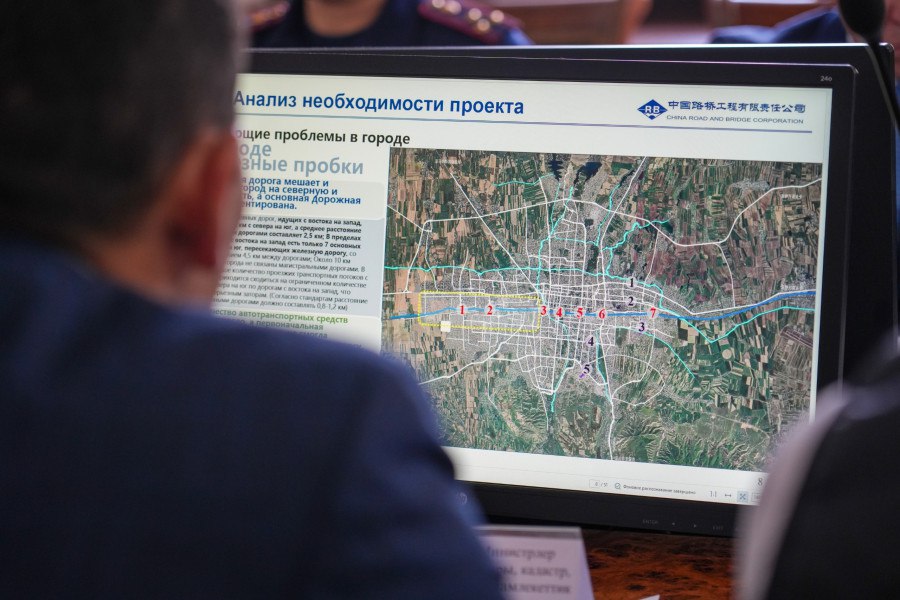
On January 16, the China Road and Bridge Corporation (CRBC) presented Bishkek Mayor Aibek Junushaliev with several proposals for a project to relocate the city’s railway tracks outside the capital’s limits, the Bishkek municipality’s press service reported. The railway, originally built during the Soviet era, runs through Bishkek from east to west, dividing the city nearly in half between its northern and southern parts. These tracks, used for cargo and passenger transport, pass through the central parts of the city and intersect with numerous strategic streets and roads. This setup has long been a major contributor to traffic congestion, especially during morning and evening peak hours. At the end of 2024, Kyrgyzstan’s Cabinet of Ministers approved a memorandum of cooperation with CRBC, focusing on a large-scale upgrade of Bishkek’s railway and road infrastructure. The ambitious project includes relocating the existing railway tracks to bypass the city, constructing a new railway line outside Bishkek, and transforming the current railway corridor into a high-speed roadway. Junushaliev explained that the new railway line will bypass the city to the north. The vacated area from the old railway tracks will be redeveloped with a new highway with high-rise residential buildings and shopping malls along its route. The total cost of the railway relocation project is estimated at $585 million. It is expected to address two major urban challenges: traffic congestion and air pollution. Traffic congestion in Bishkek has been a persistent issue, with vehicles frequently backing up at intersections where the railway intersects major city roads. This not only delays commuters but also significantly worsens air quality. Exhaust emissions from idling vehicles in traffic jams are considered one of the leading contributors to the city's air pollution. By relocating the railway tracks and introducing a high-speed roadway, the project is anticipated to streamline traffic flow, reduce congestion, and improve Bishkek’s air quality.

Kazakhstan Expands Invataxi Services with Taxi Aggregator Partnership

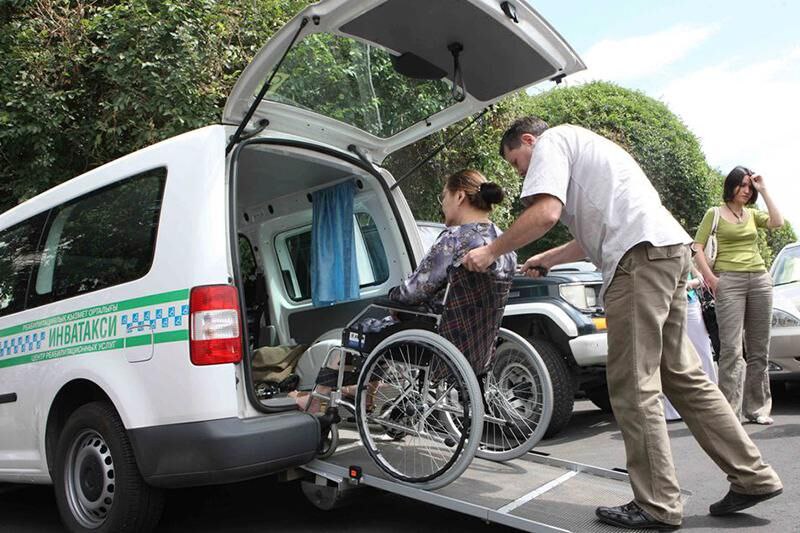
Kazakhstan is expanding its efforts to provide accessible transportation for people with disabilities through the Invataxi project, which offers specially adapted minivans for travelers with mobility challenges. In a significant step forward, the Ministry of Labor and Social Protection of the Population has partnered with a taxi aggregator to enhance and streamline the service, making it more accessible and efficient. As part of a pilot project launched in 2024, people with disabilities in Astana and Almaty used Invataxi services via the Yandex Go mobile application more than 207,000 times. This marks a dramatic increase compared to 2023 when the service was used 53,900 times. The pilot project introduced the use of passenger cars alongside the adapted minivans, significantly broadening the availability of transportation options. Previously, users had to book Invataxi rides by phone at least a day in advance. Now, thanks to Yandex's integration, users can request rides instantly via the mobile app, making the process faster and more convenient. A critical aspect of the pilot was that Yandex waived any commission on payments for these rides, ensuring affordability for passengers. The Yandex Go application includes a special feature that allows passengers with disabilities to notify drivers of any specific requests for the trip. Additionally, drivers have been trained to assist passengers with disabilities in entering and exiting the vehicle, further enhancing the service's accessibility. The pilot project initially operated in Astana and Almaty but will now be expanded to other regions across the country in 2025, as part of the government’s plan to replicate its success nationwide. In parallel with the Invataxi project, Kazakhstan is also investing in other accessible transportation initiatives, including the expansion of its fleet of Invacarriages specially adapted train carriages designed to accommodate people with disabilities. These efforts underscore the country’s commitment to improving mobility and inclusivity for all its citizens.

Uzbekistan to Launch Bus Routes to Central Asian Countries, Russia, and China

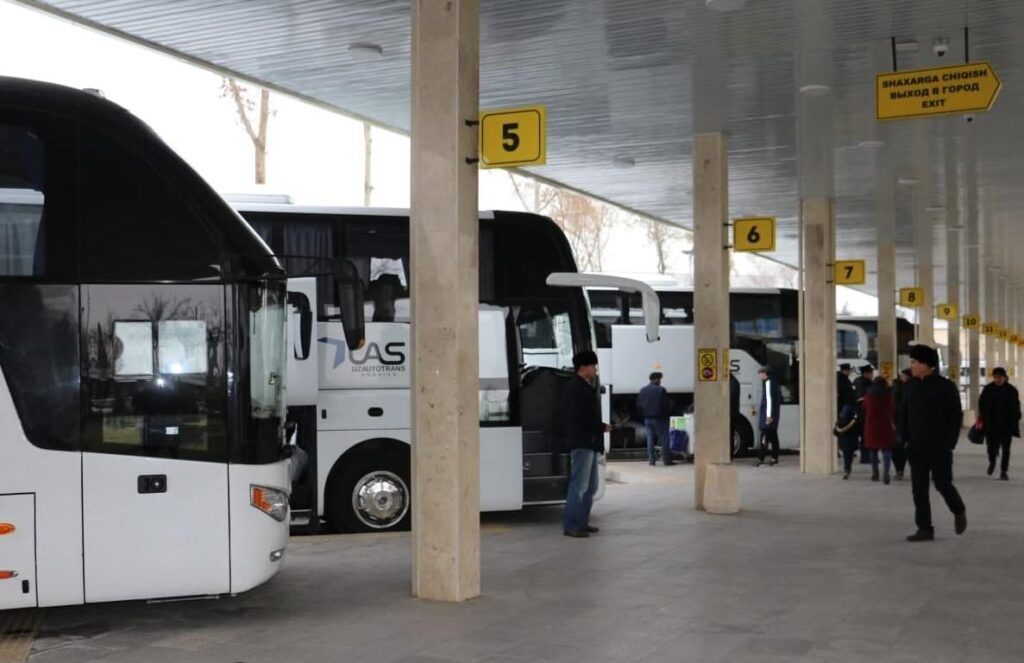
Uzbekistan’s Ministry of Transport has unveiled plans to establish new international passenger bus routes connecting regions of Uzbekistan to cities in Kazakhstan, Kyrgyzstan, Tajikistan, Russia, and China. The initiative aims to increase the share of bus transportation in Uzbekistan’s international passenger traffic, which is currently dominated by air travel. Planned Routes Kazakhstan Bukhara – Turkestan Urgench – Aktau Fergana – Almaty Kyrgyzstan Andijan – Osh Andijan – Jalalabad Andijan – Arslanbob Kosonsoy – Jalalabad Bukhara – Bishkek Tajikistan Samarkand – Dushanbe Bukhara – Dushanbe Russia Surkhandarya – Bukhara – Urgench – Nukus – Moscow Urgench – Nukus – Ufa Nukus – Krasnodar Tashkent – Ufa Tashkent – Krasnodar China Nukus – Urgench – Bukhara – Urumqi (Xinjiang Uyghur Autonomous Region) The Ministry has invited both domestic and international transport companies to apply for the operation of regular bus services on these proposed routes.

Bishkek Court Upholds Decision to Dismantle Trolleybus Lines

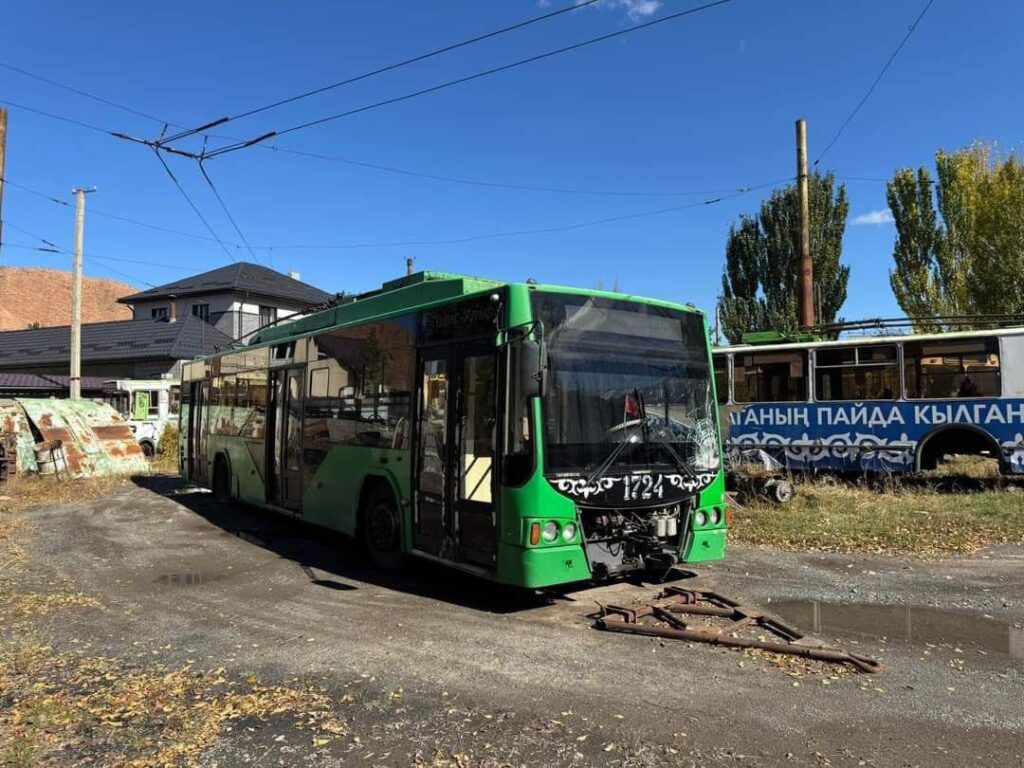
The Bishkek Administrative Court has ruled in favor of a decision by the city's Mayor’s Office to dismantle trolleybus lines legally. Representatives of the municipality successfully argued the legality of their actions. The city government plans to completely replace trolleybuses, an environmentally friendly mode of transportation, with buses. To implement this plan, workers have reportedly cut power lines at night, causing widespread transportation disruptions. This move has faced significant backlash from Bishkek residents, who filed a lawsuit and lodged a complaint with the European Bank for Reconstruction and Development (EBRD), which had financed the purchase of new trolleybuses. This decision follows months of controversy. Previously The Times of Central Asia reported that activists had opposed the dismantling of trolleybus lines, labeling the actions as illegal. A month ago, the same court had deemed the municipality’s actions unlawful after city officials failed to appear in court or provide necessary documentation. Municipal authorities argue that trolleybus operations are financially unsustainable and require substantial investment to maintain the infrastructure. “The city hall continues to work on improving urban space, modernizing public transport, and enhancing infrastructure to make the city safer, more comfortable, and attractive for residents and guests of the capital,” the municipality said. However, activist Bermet Borubayeva and other advocates for the preservation of trolleybuses expressed disappointment with the court’s decision. In an interview with The Times of Central Asia, Borubayeva criticized the ruling, noting that the mayor’s office had only substantiated the dismantling of lines on a few streets, not across the entire city. “Residents demand transparency and legality in the actions of the authorities and will continue to fight for the preservation of trolleybuses. Despite the wrongful actions of city officials, the judge recognizes them as legal. This ignores the interests of the plaintiffs,” Borubayeva said. Human rights groups have vowed to challenge the court’s decision. A new trial concerning Bishkek’s trolleybuses is scheduled for January 13.

Important Deal Signed for China-Kyrgyzstan-Uzbekistan Railway Project

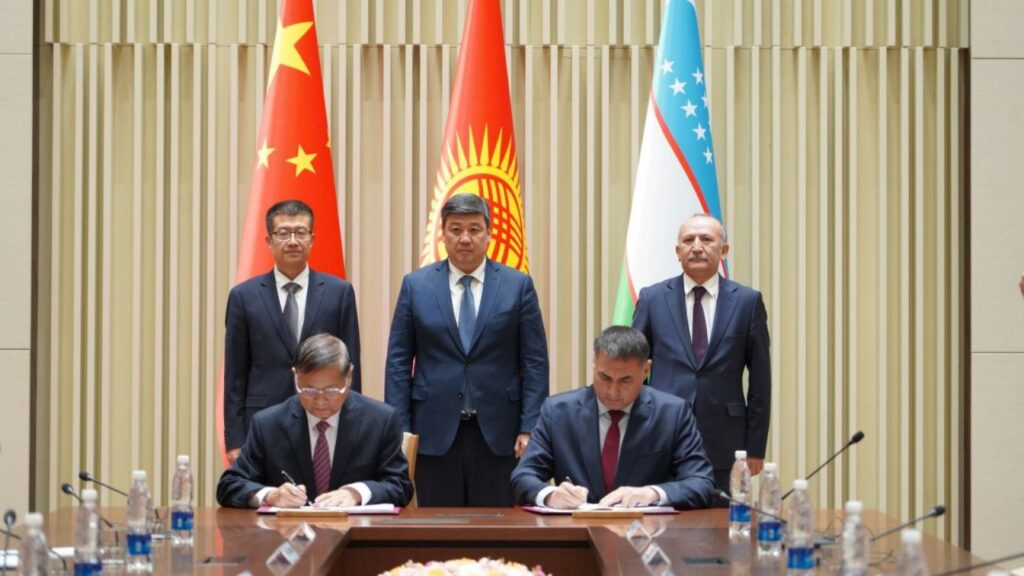
On December 20, Bishkek hosted the signing of an investment agreement between Kyrgyzstan’s Cabinet of Ministers and China-Kyrgyzstan-Uzbekistan Railway Company LLC. The agreement encompasses the design, construction, financing, operation, and maintenance of the China-Kyrgyzstan-Uzbekistan railway. The announcement came shortly after Kyrgyz President Sadyr Japarov revealed that construction on the strategic railway, which will connect the three nations, is set to begin on December 27. The agreement was signed by Kyrgyzstan’s Minister of Transport and Communications, Absattar Syrgabaev, and Zhong Shenggui, Chairman of the Board of Directors of China-Kyrgyzstan-Uzbekistan Railway Company LLC. A Historic Milestone The signing ceremony was attended by Kyrgyz Deputy Chairman of the Cabinet of Ministers and Minister of Water Resources, Agriculture, and Processing Industry Bakyt Torobayev; Li Baojie, Charge d’Affaires of the Chinese Embassy in Kyrgyzstan; and Saidikram Iyazkhodjaev, Uzbekistan’s Ambassador to Kyrgyzstan. In his remarks, Torobayev called the agreement a historic achievement for the three nations, marking the conclusion of a lengthy negotiation process and the start of practical implementation. “This large-scale infrastructure project is of both regional and international significance,” he emphasized. Strategic Importance of the Railway The China-Kyrgyzstan-Uzbekistan railway is a pivotal development for the transport strategies of the participating countries. Currently, neither Kyrgyzstan nor Uzbekistan has a direct railway link with China, while Central Asia’s rail connection to China is limited to a route through Kazakhstan. Furthermore, Kyrgyzstan and Uzbekistan lack a direct railway link between them. The project’s significance was cemented on June 6, 2024, when China, Kyrgyzstan, and Uzbekistan signed an intergovernmental agreement in Beijing. The 523-kilometer railway will traverse Kashgar (China), Torugart, Makmal, Jalal-Abad (Kyrgyzstan), and Andijan (Uzbekistan). Transit and logistics infrastructure will be developed along the route to support its operations. Once completed, the railway is expected to transport up to 15 million tons of cargo annually, significantly enhancing trade and connectivity in the region.