• KGS/USD = 0.01144 0%
  • KZT/USD = 0.00191 -0%
  • TJS/USD = 0.10838 0.37%
  • UZS/USD = 0.00008 0%
  • TMT/USD = 0.28571 0.28%
  • KGS/USD = 0.01144 0%
  • KZT/USD = 0.00191 -0%
  • TJS/USD = 0.10838 0.37%
  • UZS/USD = 0.00008 0%
  • TMT/USD = 0.28571 0.28%
  • KGS/USD = 0.01144 0%
  • KZT/USD = 0.00191 -0%
  • TJS/USD = 0.10838 0.37%
  • UZS/USD = 0.00008 0%
  • TMT/USD = 0.28571 0.28%
  • KGS/USD = 0.01144 0%
  • KZT/USD = 0.00191 -0%
  • TJS/USD = 0.10838 0.37%
  • UZS/USD = 0.00008 0%
  • TMT/USD = 0.28571 0.28%
  • KGS/USD = 0.01144 0%
  • KZT/USD = 0.00191 -0%
  • TJS/USD = 0.10838 0.37%
  • UZS/USD = 0.00008 0%
  • TMT/USD = 0.28571 0.28%
  • KGS/USD = 0.01144 0%
  • KZT/USD = 0.00191 -0%
  • TJS/USD = 0.10838 0.37%
  • UZS/USD = 0.00008 0%
  • TMT/USD = 0.28571 0.28%
  • KGS/USD = 0.01144 0%
  • KZT/USD = 0.00191 -0%
  • TJS/USD = 0.10838 0.37%
  • UZS/USD = 0.00008 0%
  • TMT/USD = 0.28571 0.28%
  • KGS/USD = 0.01144 0%
  • KZT/USD = 0.00191 -0%
  • TJS/USD = 0.10838 0.37%
  • UZS/USD = 0.00008 0%
  • TMT/USD = 0.28571 0.28%
11 November 2025

Viewing results 1 - 6 of 2

Tajikistan’s Irrigation Plans Require Major Upgrades

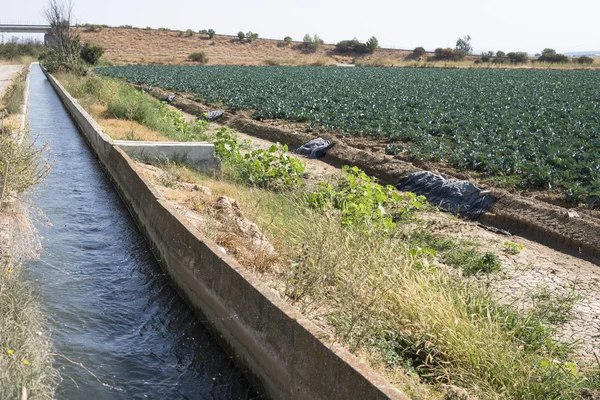
Tajikistan has the potential to become the irrigation center of Central Asia but only if it undergoes extensive modernization. This conclusion comes from a joint report by the Eurasian Development Bank (EDB) and the United Nations Industrial Development Organization (UNIDO). Industrial and Economic Potential The report highlights Tajikistan’s capacity to develop into a regional production and maintenance hub for irrigation equipment. Key advantages include affordable electricity, a readily available labor force, and a strategic geographic location. These factors position the country to play a central role in an emerging regional irrigation cluster. The southern provinces of Khatlon and Sughd are identified as particularly promising for industrial development. Proposed projects include manufacturing facilities for plastic pipes and components for drip and sprinkler systems, alongside service centers for pump repair. Investment requirements for such facilities range from $3-5 million, with a projected payback period of just 2-3 years. However, the report underscores the pressing need to overhaul the existing infrastructure. Approximately 77% of Tajikistan’s irrigation systems require reconstruction. Of the country’s 720,000 hectares of irrigated farmland, nearly 60% must be restored. Additionally, 80% of pumping stations are considered outdated, and water losses due to technical inefficiencies reach 45%. Without significant upgrades, the system will likely struggle to meet growing climatic and demographic pressures. To support the irrigation sector’s long-term viability, the report calls for the annual training of at least 3,000 specialists. Training one professional to international standards costs between $1,200 and $1,800. The authors stress the importance of state investment in vocational education and greater collaboration between educational institutions and industry. Tajikistan as a Regional Logistics Bridge Tajikistan also has the potential to serve as a strategic logistics hub. Its southern regions could facilitate transport between Central Asia, Afghanistan, Iran, and Pakistan, cutting shipping costs and improving equipment access in remote areas. Realizing this vision will require a strong state role, including tax incentives, subsidies, and streamlined investment procedures. International donor participation is equally vital. Currently, nearly 90% of irrigation equipment used in the region is imported, adding up to 30% in logistics costs. While cluster-based industrial development has proven effective in other Central Asian countries, boosting enterprise productivity by 15-20% within two to three years, Tajikistan still trails behind. In contrast to Uzbekistan, which has over 90 cotton and textile clusters, much of Tajikistan’s agricultural output undergoes minimal processing. Regional Water Reform Needs $50 Billion The report concludes by emphasizing that water supply issues extend beyond Tajikistan. Across Central Asia, agriculture accounts for up to 80% of water usage. Losses from open canals reach 50%, and over 30% of irrigated land is affected by salinization. To address these challenges by 2040, the region will require $40-50 billion in investment for infrastructure upgrades, digitization, and a transition to closed irrigation systems. “Without urgent modernization of the irrigation system, the region risks facing serious water shortages, lower crop yields, and increased social instability,” the authors warn.

New Report Urges Local Irrigation Equipment Production to Tackle Water Scarcity in Central Asia

The Eurasian Development Bank (EDB) and the United Nations Industrial Development Organization (UNIDO) have jointly released a report titled Irrigation Equipment Production in Central Asia: Industrialising the Water Sector, highlighting the urgent need to localize irrigation equipment manufacturing in the region. The publication argues that establishing a domestic irrigation equipment manufacturing sector could serve as a strategic response to mounting water challenges in Central Asia. It calls for coordinated action by regional governments, international organizations, and private sector actors to implement investment and policy frameworks aimed at reducing reliance on imports and fostering a self-sufficient production ecosystem. Heavy Dependence on Imports The report identifies irrigation equipment as a key strategic area for bolstering food security and managing water resources more efficiently. Currently, the regional market for such equipment is valued between $130 million and $200 million, with over 90% of this demand met through imports. Despite this dependency, governments across Central Asia are taking proactive steps to modernize agriculture. Substantial financial and non-financial support is being extended to farmers, and plans are underway to expand irrigated farmland and adopt advanced irrigation technologies. According to the study, the irrigated area in Central Asia is projected to grow to 10.6 million hectares by 2040. This expansion is expected to drive demand for up to two million units of irrigation equipment, with the potential to generate $426 million annually in local production. The report further estimates the annual market for new sprinklers at $114 million and for drip irrigation systems at $220 million. Cluster-Based Development To address these needs, the publication proposes a cluster-based approach to developing local irrigation equipment production hubs. Nikolai Podguzov, Chairman of the EDB Management Board, emphasized the economic potential of localization: “The region’s demand for irrigation equipment could more than double by 2030. Localizing production will not only help retain investments within the local economy but also stimulate the development of precision irrigation technologies, digital water management tools, engineering labs, and knowledge-sharing centers focused on best practices in irrigation and water use.”