
• KZT/USD = 0.00220
  • TJS/USD = 0.10840
  • UZS/USD = 0.00008
  • TMT/USD = 0.29850
  • KZT/USD = 0.00220
  • TJS/USD = 0.10840
  • UZS/USD = 0.00008
  • TMT/USD = 0.29850
  • KZT/USD = 0.00220
  • TJS/USD = 0.10840
  • UZS/USD = 0.00008
  • TMT/USD = 0.29850
  • KZT/USD = 0.00220
  • TJS/USD = 0.10840
  • UZS/USD = 0.00008
  • TMT/USD = 0.29850
  • KZT/USD = 0.00220
  • TJS/USD = 0.10840
  • UZS/USD = 0.00008
  • TMT/USD = 0.29850
  • KZT/USD = 0.00220
  • TJS/USD = 0.10840
  • UZS/USD = 0.00008
  • TMT/USD = 0.29850
  • KZT/USD = 0.00220
  • TJS/USD = 0.10840
  • UZS/USD = 0.00008
  • TMT/USD = 0.29850
  • KZT/USD = 0.00220
  • TJS/USD = 0.10840
  • UZS/USD = 0.00008
  • TMT/USD = 0.29850
23 November 2026

Viewing results 1 - 6 of 2

Uzbekistan Inflation: Consumers’ Estimates Exceed Official Rate

People in Uzbekistan believe prices have risen considerably faster than official inflation figures show, according to a survey by the Central Bank of the Republic of Uzbekistan. Respondents estimated annual price increases at 9.2% in September, compared with the official inflation rate of 6.4%. The survey covered 2,726 residents and measured their perceptions of price changes over the preceding 12 months. The nationwide estimate fell by 0.9 percentage points from 10.1% in August, according to survey data cited by economist Otabek Bakirov. Tashkent recorded the highest regional figure, at 11.9%, while pensioners nationwide put annual price increases at 12.5%, up 3.1 percentage points from their August assessment. Meat and dairy products were the most frequently cited sources of price increases, mentioned by 56% of respondents, followed by gasoline and other fuels (53%) and electricity and natural gas (36%). Compared with August, the share of respondents reporting substantial increases in electricity and natural gas prices rose by 17 percentage points. The shares citing fuel prices and transportation services each rose by 11 points, followed by nine points for restaurants, eight for education, and seven for healthcare. These figures measure changes in the proportion of people reporting higher prices, not the size of the price increases themselves. On November 4, the Central Bank raised its year-end inflation forecast from 6.5% to 7% and kept its benchmark interest rate at 14%, citing strong domestic demand and persistent price pressures. Uzbekistan's economy grew by 8.3% year on year in January–September, supported by industry, construction, and services. The bank now expects growth of around 8% for 2026. According to the bank, demand is exceeding the economy's capacity to supply goods and services, adding to inflationary pressure. Fluctuations in global food and energy prices could also push up import and transportation costs, while planned increases in government-regulated tariffs pose another inflation risk. Core inflation, which excludes certain volatile and government-regulated prices, stood at 5.5% in September. The Central Bank expects overall inflation to decline to its 5% target by the end of 2027. In neighboring Kazakhstan, annual inflation stood at 9.3% in September, while households expected prices to rise by 11.8% over the following year. The National Bank of Kazakhstan lowered its benchmark rate to 15.75% on October 23, its fourth consecutive cut during 2026, and signaled that further reductions could be paused.

National Bank of Kazakhstan Cuts Base Rate to 15.75%

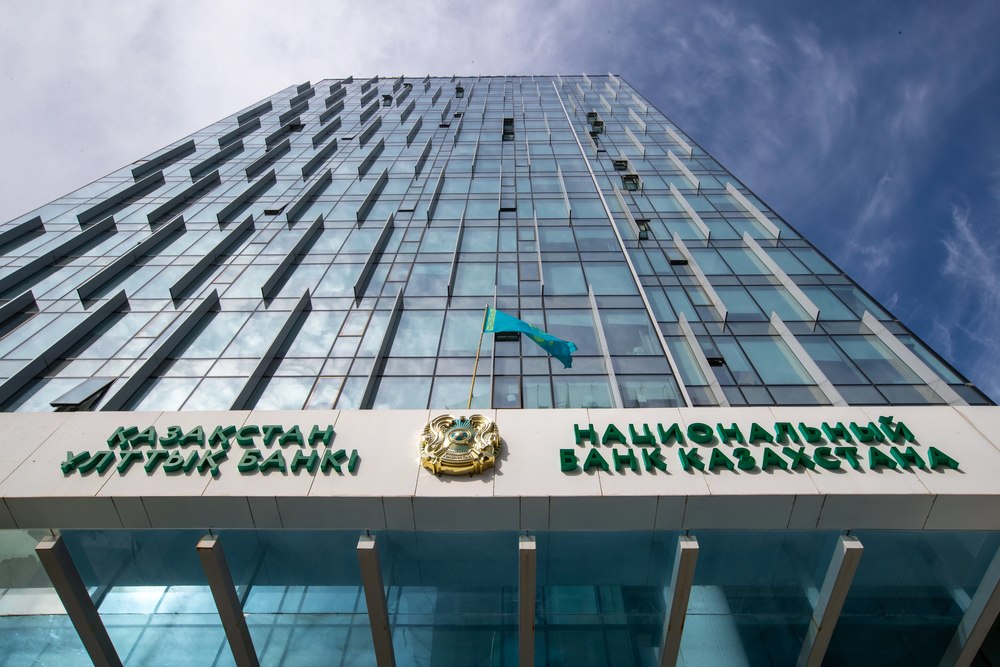
The National Bank of Kazakhstan cut its base interest rate from 16.25% to 15.75% on October 23, marking its fourth consecutive reduction since June 2026. The central bank has indicated that it may keep the rate unchanged through the end of the year, despite a continued slowdown in inflation.Annual inflation declined to 9.3% in September from 9.8% in August, while households’ inflation expectations fell from 12.1% to 11.8%. According to the National Bank, a stronger tenge and relatively tight monetary policy helped slow price increases. Food inflation declined to 8.5%, while non-food inflation fell to 11%. The base rate had remained at 18% since October 2025. It was lowered to 17% in June 2026, 16.75% in July, and 16.25% in September. The cuts have lowered the base rate by 2.25 percentage points. The base rate influences bank lending costs and deposit yields. Lowering it creates conditions for a gradual reduction in borrowing costs for businesses and households, although commercial banks set their own interest rates based on borrowers’ credit risks and funding costs. Nevertheless, borrowing costs remain high, reflecting the challenges facing Kazakhstan’s economy. Inflation is still almost twice the central bank’s 5% target, meaning prices continue to rise rapidly, even as the pace of increase slows. Meanwhile, strong economic growth has brought limited relief to households: official figures show that real per capita incomes increased by just 0.7% year-on-year in the second quarter. National Bank Governor Timur Suleimenov said that further rate cuts will require a more sustained slowdown in inflation. The central bank identifies rising global energy and food prices, high government spending, and potential increases in regulated utility tariffs among the main risks. Annual inflation could rise slightly toward the end of the year because current prices will be compared with those recorded when Kazakhstan restricted utility tariff increases, from October 2025 to March 2026. However, the National Bank intends to focus primarily on how tariff changes affect other prices rather than responding to the tariff increases themselves. Kazakhstan’s gross domestic product grew by 4.2% in January–September 2026, driven mainly by construction, manufacturing, and transportation. Fixed capital investment increased by 7%, while investment in the non-resource sector, excluding budget funds, rose by 25%. Strong investment activity supports domestic demand while also complicating efforts to bring inflation under control. The National Bank aims to reduce inflation to 6.5–8.5% in 2027 and reach its 5% target in 2028. The next base rate decision is scheduled for December 4.