• KZT/USD = 0.00220
  • TJS/USD = 0.10860
  • UZS/USD = 0.00008
  • TMT/USD = 0.29850
  • KZT/USD = 0.00220
  • TJS/USD = 0.10860
  • UZS/USD = 0.00008
  • TMT/USD = 0.29850
  • KZT/USD = 0.00220
  • TJS/USD = 0.10860
  • UZS/USD = 0.00008
  • TMT/USD = 0.29850
  • KZT/USD = 0.00220
  • TJS/USD = 0.10860
  • UZS/USD = 0.00008
  • TMT/USD = 0.29850
  • KZT/USD = 0.00220
  • TJS/USD = 0.10860
  • UZS/USD = 0.00008
  • TMT/USD = 0.29850
  • KZT/USD = 0.00220
  • TJS/USD = 0.10860
  • UZS/USD = 0.00008
  • TMT/USD = 0.29850
  • KZT/USD = 0.00220
  • TJS/USD = 0.10860
  • UZS/USD = 0.00008
  • TMT/USD = 0.29850
  • KZT/USD = 0.00220
  • TJS/USD = 0.10860
  • UZS/USD = 0.00008
  • TMT/USD = 0.29850
02 November 2026

Viewing results 1 - 6 of 2

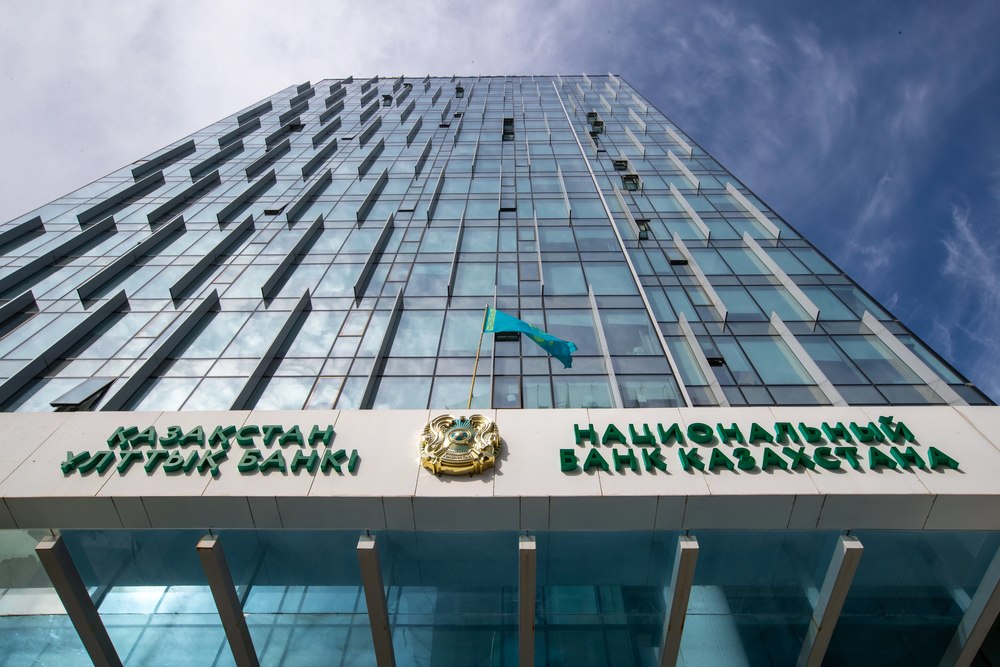
National Bank of Kazakhstan Cuts Base Rate to 15.75%

The National Bank of Kazakhstan cut its base interest rate from 16.25% to 15.75% on October 23, marking its fourth consecutive reduction since June 2026. The central bank has indicated that it may keep the rate unchanged through the end of the year, despite a continued slowdown in inflation.Annual inflation declined to 9.3% in September from 9.8% in August, while households’ inflation expectations fell from 12.1% to 11.8%. According to the National Bank, a stronger tenge and relatively tight monetary policy helped slow price increases. Food inflation declined to 8.5%, while non-food inflation fell to 11%. The base rate had remained at 18% since October 2025. It was lowered to 17% in June 2026, 16.75% in July, and 16.25% in September. The cuts have lowered the base rate by 2.25 percentage points. The base rate influences bank lending costs and deposit yields. Lowering it creates conditions for a gradual reduction in borrowing costs for businesses and households, although commercial banks set their own interest rates based on borrowers’ credit risks and funding costs. Nevertheless, borrowing costs remain high, reflecting the challenges facing Kazakhstan’s economy. Inflation is still almost twice the central bank’s 5% target, meaning prices continue to rise rapidly, even as the pace of increase slows. Meanwhile, strong economic growth has brought limited relief to households: official figures show that real per capita incomes increased by just 0.7% year-on-year in the second quarter. National Bank Governor Timur Suleimenov said that further rate cuts will require a more sustained slowdown in inflation. The central bank identifies rising global energy and food prices, high government spending, and potential increases in regulated utility tariffs among the main risks. Annual inflation could rise slightly toward the end of the year because current prices will be compared with those recorded when Kazakhstan restricted utility tariff increases, from October 2025 to March 2026. However, the National Bank intends to focus primarily on how tariff changes affect other prices rather than responding to the tariff increases themselves. Kazakhstan’s gross domestic product grew by 4.2% in January–September 2026, driven mainly by construction, manufacturing, and transportation. Fixed capital investment increased by 7%, while investment in the non-resource sector, excluding budget funds, rose by 25%. Strong investment activity supports domestic demand while also complicating efforts to bring inflation under control. The National Bank aims to reduce inflation to 6.5–8.5% in 2027 and reach its 5% target in 2028. The next base rate decision is scheduled for December 4.

Kyrgyzstan’s Domestic Debt Rises Amid Strong Demand for Government Bonds

Kyrgyzstan is experiencing a gradual increase in domestic public debt, driven by growing demand for government securities. According to the National Bank, the volume of domestic debt has risen by approximately $34 million over the past ten days following the placement of government treasury bonds. Trading data show that the total volume of government securities in circulation increased from $4.24 billion on March 13 to $4.27 billion by March 23. Although the increase remains moderate in absolute terms, the pace of growth suggests renewed activity in the domestic debt market. Long-term instruments are currently the most popular among investors. Over the ten-day period, placements of five-year government bonds amounted to roughly $23 million. Demand for ten-year securities has also remained stable. Their total volume rose from $631 million to $642 million during the same period, indicating investors’ willingness to lock in yields over longer horizons. Interest in government bonds is largely supported by relatively high returns. Yields on ten-year securities currently stand at around 16% per annum, while five-year bonds offer slightly more than 15%. These rates are close to average corporate bond yields, estimated at approximately 18%. Against this backdrop, government securities are widely viewed as a more reliable investment instrument with competitive returns. In contrast, short-term bonds attract significantly lower demand. Yields on one-year government securities and other short-term instruments remain at about 5–6%, making them less appealing to investors. Nevertheless, demand for these bonds remains stable, albeit limited. Analysts note that the expansion of domestic borrowing has coincided with increased participation by citizens in the financial market. Since the early 2020s, financial authorities have gradually raised yields on government securities to attract funding for the state budget and encourage retail investment. At the same time, the National Bank and the Ministry of Finance have introduced financial literacy initiatives aimed at broadening public engagement with investment instruments.