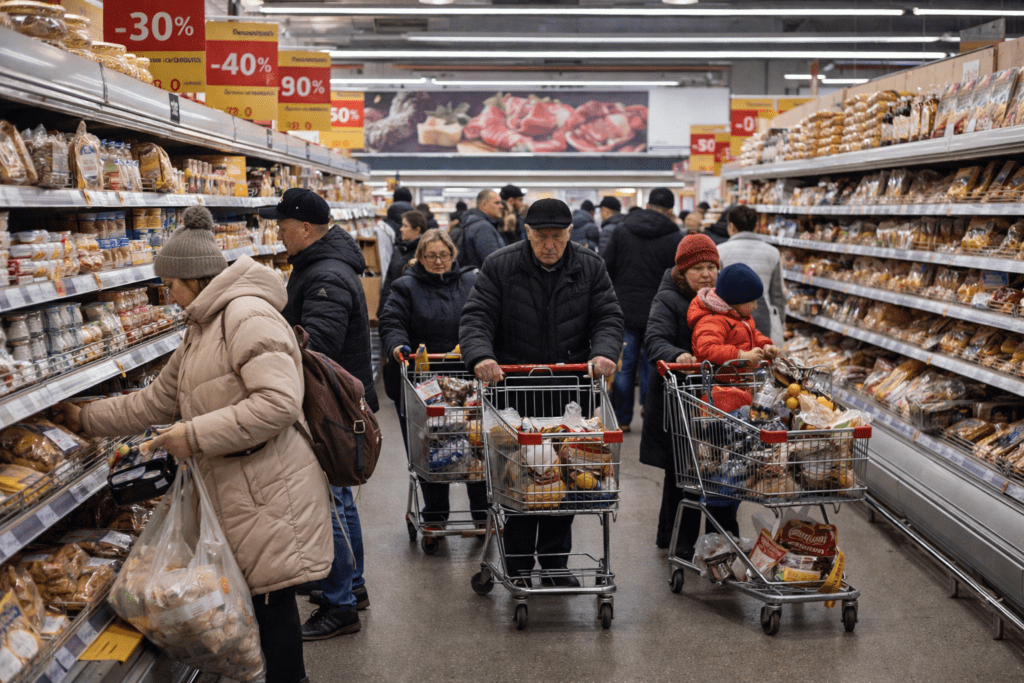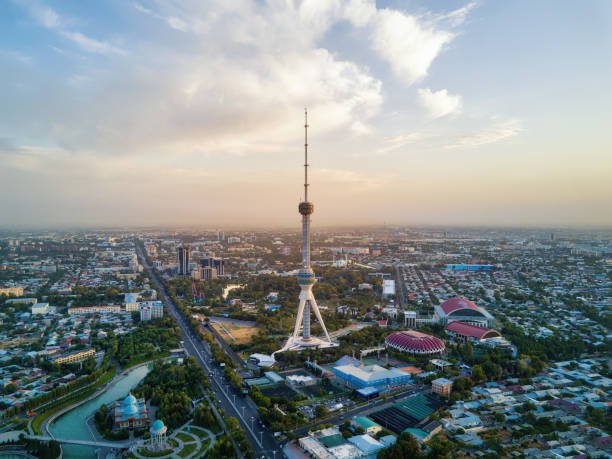
People in Uzbekistan believe prices have risen considerably faster than official inflation figures show, according to a survey by the Central Bank of the Republic of Uzbekistan. Respondents estimated annual price increases at 9.2% in September, compared with the official inflation rate of 6.4%.
The survey covered 2,726 residents and measured their perceptions of price changes over the preceding 12 months. The nationwide estimate fell by 0.9 percentage points from 10.1% in August, according to survey data cited by economist Otabek Bakirov.
Tashkent recorded the highest regional figure, at 11.9%, while pensioners nationwide put annual price increases at 12.5%, up 3.1 percentage points from their August assessment.
Meat and dairy products were the most frequently cited sources of price increases, mentioned by 56% of respondents, followed by gasoline and other fuels (53%) and electricity and natural gas (36%).
Compared with August, the share of respondents reporting substantial increases in electricity and natural gas prices rose by 17 percentage points. The shares citing fuel prices and transportation services each rose by 11 points, followed by nine points for restaurants, eight for education, and seven for healthcare. These figures measure changes in the proportion of people reporting higher prices, not the size of the price increases themselves.
On November 4, the Central Bank raised its year-end inflation forecast from 6.5% to 7% and kept its benchmark interest rate at 14%, citing strong domestic demand and persistent price pressures.
Uzbekistan’s economy grew by 8.3% year on year in January–September, supported by industry, construction, and services. The bank now expects growth of around 8% for 2026.
According to the bank, demand is exceeding the economy’s capacity to supply goods and services, adding to inflationary pressure. Fluctuations in global food and energy prices could also push up import and transportation costs, while planned increases in government-regulated tariffs pose another inflation risk.
Core inflation, which excludes certain volatile and government-regulated prices, stood at 5.5% in September. The Central Bank expects overall inflation to decline to its 5% target by the end of 2027.
In neighboring Kazakhstan, annual inflation stood at 9.3% in September, while households expected prices to rise by 11.8% over the following year. The National Bank of Kazakhstan lowered its benchmark rate to 15.75% on October 23, its fourth consecutive cut during 2026, and signaled that further reductions could be paused.