• KGS/USD = 0.01144 0%
  • KZT/USD = 0.00203 0%
  • TJS/USD = 0.10486 0.48%
  • UZS/USD = 0.00008 0%
  • TMT/USD = 0.28571 0%
  • KGS/USD = 0.01144 0%
  • KZT/USD = 0.00203 0%
  • TJS/USD = 0.10486 0.48%
  • UZS/USD = 0.00008 0%
  • TMT/USD = 0.28571 0%
  • KGS/USD = 0.01144 0%
  • KZT/USD = 0.00203 0%
  • TJS/USD = 0.10486 0.48%
  • UZS/USD = 0.00008 0%
  • TMT/USD = 0.28571 0%
  • KGS/USD = 0.01144 0%
  • KZT/USD = 0.00203 0%
  • TJS/USD = 0.10486 0.48%
  • UZS/USD = 0.00008 0%
  • TMT/USD = 0.28571 0%
  • KGS/USD = 0.01144 0%
  • KZT/USD = 0.00203 0%
  • TJS/USD = 0.10486 0.48%
  • UZS/USD = 0.00008 0%
  • TMT/USD = 0.28571 0%
  • KGS/USD = 0.01144 0%
  • KZT/USD = 0.00203 0%
  • TJS/USD = 0.10486 0.48%
  • UZS/USD = 0.00008 0%
  • TMT/USD = 0.28571 0%
  • KGS/USD = 0.01144 0%
  • KZT/USD = 0.00203 0%
  • TJS/USD = 0.10486 0.48%
  • UZS/USD = 0.00008 0%
  • TMT/USD = 0.28571 0%
  • KGS/USD = 0.01144 0%
  • KZT/USD = 0.00203 0%
  • TJS/USD = 0.10486 0.48%
  • UZS/USD = 0.00008 0%
  • TMT/USD = 0.28571 0%

Viewing results 1 - 6 of 5

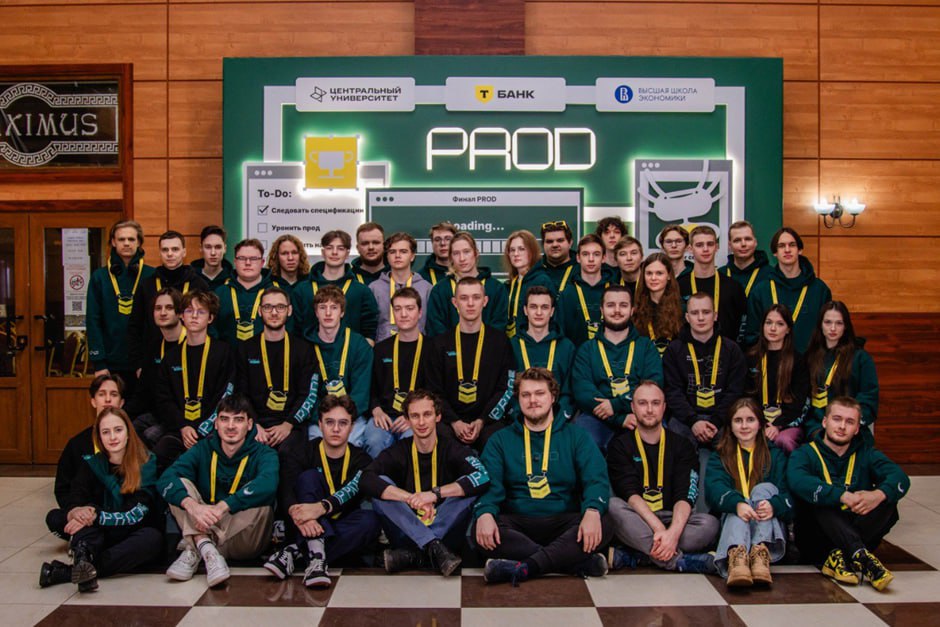
Uzbek Students Invited to First International PROD Software Engineering Competition

High school students in Uzbekistan are now eligible to participate in the inaugural international PROD software engineering competition, the organizers confirmed to The Times of Central Asia. The Olympiad is open to English-speaking students in grades 8–12 from any country and is designed to introduce participants to the principles of large-scale software development. It offers hands-on experience that reflects workflows used by leading global IT companies. Participants will work on real business cases, study automation in modern organizations, and develop digital solutions aimed at improving efficiency and streamlining operations. The format focuses on teamwork, analytical thinking, and cross-border collaboration. While most stages will take place online, finalists will be invited to Moscow for the team-based final stage, with accommodation and meals covered by the organizers. The competition is organized by major Russian institutions, with mentorship provided by experienced IT professionals who will guide students through the challenges and methodologies of contemporary digital product development. Registration is open until December 2 on the official PROD website. No prior programming experience is required, but participants should have a basic understanding of computer science and strong logical reasoning skills. This is the first time the competition is being held internationally, with parallel tracks in both English and Russian.

Tashkent Medical University Accused of Forcing Students to Study in Russian City Reportedly Under Drone Attacks

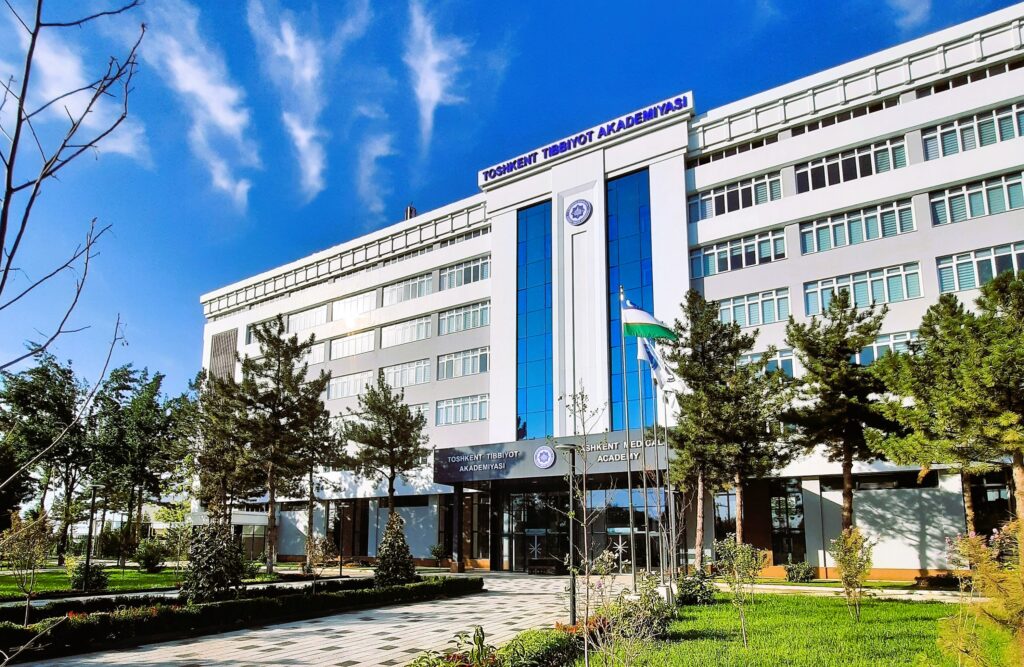
Tashkent State Medical University (TSMU) has rejected social media allegations that its students are being forced to study in Nizhny Novgorod, Russia, a city some reports claim is “under Ukrainian drone attacks.” The university called the reports “baseless and false,” stressing that the students are enrolled in a joint degree program requiring them to complete the final two years at a partner institution abroad. Videos shared by local media this week showed students opposing the move, citing recent drone strikes in the region that reportedly killed one person and injured several others. They claimed a previous rector had promised to transfer the program to Kazakhstan, but the current rector, Shukhrat Boymuradov, reversed that decision. Students alleged they were given an ultimatum: go to Russia or take academic leave and request to finish their fifth year in Uzbekistan. TSMU said all the students in question had signed contracts under a joint education program with Privolzhsky Research Medical University (PRMU) in Nizhny Novgorod, as stipulated by Uzbekistan’s Cabinet of Ministers Resolution No. 421 of July 6, 2021. The agreement requires participants to complete their fourth and fifth years at PRMU. According to the university, PRMU runs 12 joint programs with five Uzbek universities and currently hosts more than 400 Uzbek students. To ensure suitable conditions, TSMU and PRMU agreed on dedicated dormitories, a special dean’s office to help with administrative matters, and re-enrollment opportunities for students previously expelled from PRMU. The administration dismissed claims that Nizhny Novgorod is under martial law, noting that the city hosts active academic partnerships and that no state of war has been declared there. On August 11, Boymuradov met with students and parents to discuss the program, living arrangements, and support services. TSMU reported that most students expressed readiness to continue studies at PRMU, while a minority sought to remain in Tashkent, allegedly relying on “deliberately false information.” The university warned that spreading misinformation intended to mislead the public and damage its reputation could result in legal action under Uzbek law.

From Uzbekistan to St. Petersburg: An International Student’s Journey Through Challenges and Change

Five years ago, Dilshot moved from Uzbekistan to St. Petersburg to pursue higher education. Like many international students, he faced challenges adapting, cultural differences, and other unexpected difficulties. The Times of Central Asia spoke with Dilshot to learn how his life in Russia has unfolded, what obstacles he encountered, and why his future in the city has taken an unexpected turn. TCA: Why did you choose to study in St. Petersburg? What factors influenced your decision? Dilshot: After finishing school in Uzbekistan, I decided to continue my education in Russia, specifically in St. Petersburg. First of all, I believed that Russia provided high-quality education, especially in IT, where it is ahead of other CIS countries. Additionally, at that time there was no war, and I never expected the situation to take such a turn. The pandemic also played a role. Since entrance exams were conducted online, it became easier to apply. Moreover, Russian universities offered many state-funded places, and I was fortunate enough to receive a scholarship. While Uzbekistan has good universities, particularly in Tashkent, tuition fees were high, and I couldn't find a suitable program in my field. Moving to a new city and country was exciting and I was full of hope, but the reality turned out to be more complicated. TCA: How would you describe the atmosphere at the university and among students? Dilshot: The university had a relatively open and multicultural environment, which helped with adaptation. Many students were supportive, regardless of nationality. However, stereotypes still existed. Occasionally, I heard remarks like, "What are you doing here? Go work at a construction site." Kazakh students were often mistaken for Chinese without people even bothering to ask about their nationality. For students from CIS countries who spoke Russian, adaptation was easier. Professors and students generally considered us as “their own”, though with some reservations. However, foreign students, particularly from China, faced a different attitude. Some professors showed impatience if a student struggled to express themselves in Russian. In dormitories, tensions arose; Chinese students were sometimes mocked over minor disputes, whereas CIS students were treated with more understanding. TCA: Did you experience prejudice from your professors? Dilshot: Some professors viewed me through the lens of stereotypes, making me feel isolated. While I didn’t face direct discrimination, there were moments when my knowledge was questioned, or my achievements were met with unnecessary surprise. One instance stands out: a lecturer made a point of noting where students were from. I happened to excel in his subject, but I still don’t understand why he felt the need to keep track of our nationalities. On a few occasions, I received high grades with remarks like, “Wow, you speak Russian so well!” Of course, I wasn’t going to complain about good grades, but it made me feel uncomfortable as if my achievements were being measured against lower expectations. TCA: Did participating in student activities help you integrate? Dilshot: Yes, I got involved in student projects and activities early on. This helped break down...