• KGS/USD = 0.01144 0%
  • KZT/USD = 0.00202 0%
  • TJS/USD = 0.10448 -0.19%
  • UZS/USD = 0.00008 0%
  • TMT/USD = 0.28490 0%
  • KGS/USD = 0.01144 0%
  • KZT/USD = 0.00202 0%
  • TJS/USD = 0.10448 -0.19%
  • UZS/USD = 0.00008 0%
  • TMT/USD = 0.28490 0%
  • KGS/USD = 0.01144 0%
  • KZT/USD = 0.00202 0%
  • TJS/USD = 0.10448 -0.19%
  • UZS/USD = 0.00008 0%
  • TMT/USD = 0.28490 0%
  • KGS/USD = 0.01144 0%
  • KZT/USD = 0.00202 0%
  • TJS/USD = 0.10448 -0.19%
  • UZS/USD = 0.00008 0%
  • TMT/USD = 0.28490 0%
  • KGS/USD = 0.01144 0%
  • KZT/USD = 0.00202 0%
  • TJS/USD = 0.10448 -0.19%
  • UZS/USD = 0.00008 0%
  • TMT/USD = 0.28490 0%
  • KGS/USD = 0.01144 0%
  • KZT/USD = 0.00202 0%
  • TJS/USD = 0.10448 -0.19%
  • UZS/USD = 0.00008 0%
  • TMT/USD = 0.28490 0%
  • KGS/USD = 0.01144 0%
  • KZT/USD = 0.00202 0%
  • TJS/USD = 0.10448 -0.19%
  • UZS/USD = 0.00008 0%
  • TMT/USD = 0.28490 0%
  • KGS/USD = 0.01144 0%
  • KZT/USD = 0.00202 0%
  • TJS/USD = 0.10448 -0.19%
  • UZS/USD = 0.00008 0%
  • TMT/USD = 0.28490 0%

Viewing results 1 - 6 of 19

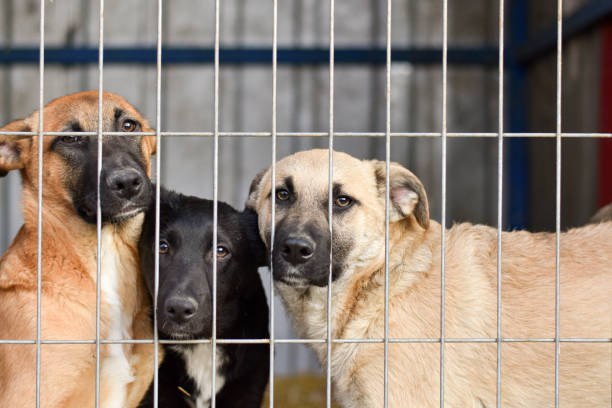
Why Tajikistan Lags Behind Global Animal Welfare Standards

While animals are legally recognized as sentient beings and, in some countries, effectively regarded as family members, their legal status in Tajikistan remains ambiguous. The absence of a dedicated animal protection law, the continued shooting of stray animals, and illegal wildlife trade point to a systemic issue that extends beyond animal welfare. Tajikistan has not adopted a specific law on animal protection, despite ratifying the United Nations Convention on Biological Diversity in 1997, which calls for the protection of wild and domestic fauna. In practice, regulation of stray animal populations often consists of culling by shooting. At the same time, other forms of cruelty reportedly persist. Although dog fighting is officially prohibited, activists say such events continue to take place. Cases of mass poisoning and other acts of violence against animals are frequently reported, but rarely result in publicized prosecutions. The country has no state-run animal shelters. The few private shelters that operate rely primarily on donations. Experts have also raised concerns about the condition of zoos, which they argue do not meet international animal welfare standards. Additional alarm has been triggered by reported incidents of illegal wildlife trade, including cases involving lion cubs. Despite public outcry in some instances, such cases have seldom led to broader legislative reform or sustained enforcement efforts. Sociologist and animal rights activist Malika Abdulvasieva argues that a weak legal framework contributes to a culture of impunity. “Unpunished cases of cruelty, from mass poisonings to shootings by housing and utilities employees, gradually normalize cruelty in society. This has a particularly negative impact on young people and generally leads to an increase in aggression and violence,” she said. One of the key priorities for activists remains the advancement of a comprehensive animal protection bill. However, even establishing a formally registered animal rights organization reportedly involves complex administrative procedures. In the absence of a unified state strategy, civil society groups and private businesses are attempting to fill the gap. Representatives of the Brigitte Bardot Foundation are expected to visit Dushanbe this year, and a large-scale free sterilization and castration program for stray animals is being planned in cooperation with German partners. However, activists emphasize that isolated initiatives cannot substitute for a coherent national policy framework.
Uzbekistan Proposes Tougher Penalties for Violence Against Women and Children

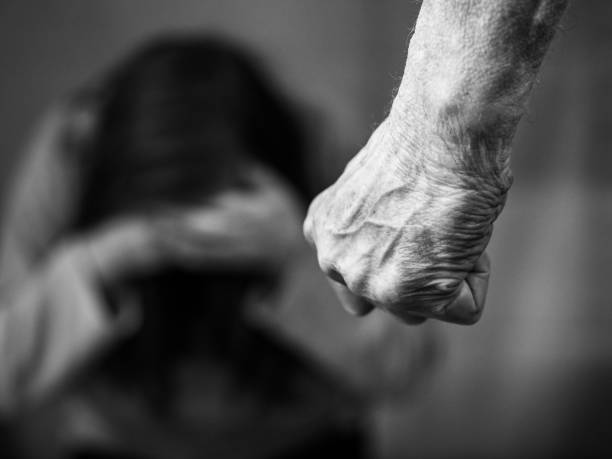
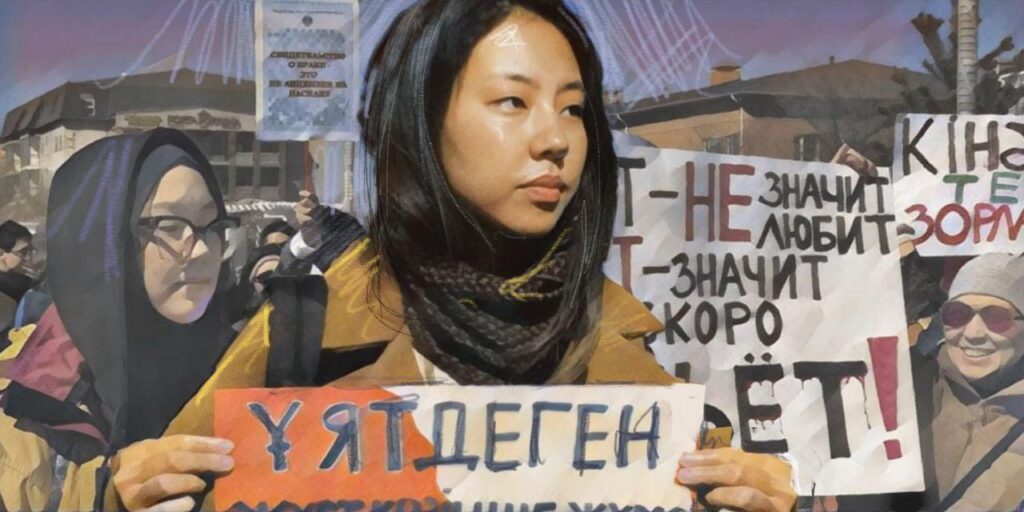
Uzbekistan is preparing a comprehensive package of legal reforms aimed at eliminating violence against women and children and establishing a societal culture of zero tolerance toward abuse. The measures are outlined in a draft State Program tied to the implementation of the "Uzbekistan-2030" strategy and the national reform agenda for the Year of Mahalla Development and Community Advancement. Under the proposed reforms, criminal penalties for acts of violence against women and minors would be significantly increased. One of the most consequential provisions includes harsher sentencing for sexual crimes against children under 14, including the possibility of life imprisonment. The draft program also recommends transferring the investigation of sexual and violent crimes involving minors to the exclusive jurisdiction of the prosecutor’s office. Additionally, a specialized system of investigators and judges would be introduced, with dedicated training to handle sensitive cases involving abuse. These specialists would be responsible for both the investigation and adjudication of such cases, ensuring a more consistent and victim-centered approach. Another key component of the reform targets early and forced marriages. The program proposes administrative penalties for those who engage or betroth individuals below the legal marriage age. Sanctions could also apply to parents, guardians, or others who facilitate or promote underage unions, including those who publicly advocate for such practices. Officials say these steps are intended to entrench a culture of intolerance toward violence and to develop a more effective system for preventing early and forced marriages. The draft emphasizes the role of community-level engagement, with family and women's support centers expected to reach at least 40% of young couples through specialized educational programs. These initiatives will involve psychologists, legal professionals, and other experts to bolster domestic violence prevention efforts. If adopted, the measures are scheduled to take effect on April 1, 2026. In a related development, Kazakhstan’s Ministry of Health last year proposed tightening the application of chemical castration for individuals convicted of sexual offenses against children. According to draft amendments published on the Open NPA platform, Kazakhstan’s government-run portal for public discussion of draft legislation, the procedure would be administered six months prior to an inmate’s release, following a mandatory forensic psychiatric evaluation conducted up to a year in advance. Kazakhstan’s Health Ministry stated that this measure, regulated under Article 91 of the country’s Criminal Code, is designed to reduce the risk of recidivism during the immediate post-release period, which authorities view as particularly high-risk.

Saltanat Law One Year On: Domestic Violence Crackdown, Hidden Barriers Remain

In the spring of 2024, the world's attention turned to Astana as the trial of former minister Kuandyk Bishimbayev unfolded. Accused of the brutal murder of his common-law wife, Saltanat Nukenova, the proceedings were broadcast live, marking the region’s first live-streamed murder trial, which was widely followed like a reality show. The livestream drew hundreds of thousands across Kazakhstan, with daily clips dissected on TikTok and Telegram channels, a public fixation that turned the courtroom into a national arena Under intense public pressure, President Kassym-Jomart Tokayev signed a landmark legislative reform popularly dubbed “Saltanat's Law.” These amendments enhanced protections for women and children. The most consequential change was re-criminalizing battery and intentional infliction of minor bodily harm — offences frequently present in domestic violence cases — which had previously been treated as administrative violations. Now, over a year later, the emotional urgency has waned, giving way to the realities of implementation. The transition from legislative success to consistent enforcement has revealed systemic resistance from conservative communities and infrastructural gaps. A Statistical Paradox The initial police data may appear counterintuitive. Rather than declining, reported cases of domestic abuse surged following the law’s passage. According to the General Prosecutor’s Office and the Institute of Legislation, such offenses increased by 238% within a year, rising from 406 to 1,370 criminal cases by mid-2025. Interior Ministry data shows that more than 70,000 protective orders were issued nationwide in the first nine months of 2025, a surge driven by mandatory registration and proactive police intervention. Experts caution against interpreting this spike as a rise in violence, however. Instead, it reflects the exposure of previously hidden abuse. From 1 July 2023, police could start administrative domestic-violence cases without a victim’s complaint. The 2024 Saltanat Law then reinforced this proactive approach in the criminal sphere. The law also removed the option for repeated reconciliation. Previously, over 60% of domestic violence cases collapsed when victims, often under familial pressure, withdrew their statements. Now, cases proceed regardless. As a result, administrative arrests have doubled, supporting the argument long made by human rights activists: it is the inevitability of punishment, not its severity, that disrupts the cycle of abuse. Uneven Enforcement Across Regions The law's effectiveness varies significantly by region. High reporting rates in cities such as Almaty and Astana and in northern industrial regions often reflect improved enforcement rather than increased violence. In these areas, women are more aware of their rights, and law enforcement responds accordingly. In Astana and Almaty, police units trained specifically on domestic violence now conduct routine checks and intervene based on neighbour reports or video evidence, even without a formal complaint. Conversely, in more traditional regions, particularly Turkestan, Zhambyl, and parts of western Kazakhstan, domestic violence often remains underreported. Here, entrenched patriarchal norms and the cultural concept of uyat (shame) discourage women from seeking legal help. Local police and community leaders sometimes view reporting abuse as a family disgrace and pressure women to resolve disputes privately. In the Turkestan region, activists recount cases in...

Kazakhstan Faces Deepening Medical Personnel Shortage Amid Rising Emigration

Kazakhstan continues to grapple with a severe shortage of medical personnel, a crisis intensified by the steady emigration of specialists. According to First Deputy Minister of Health Timur Sultangaziev, there are currently around 9,000 unfilled positions across the country, approximately 4,000 for doctors and over 5,000 for mid-level healthcare workers. Speaking during a session of the Mazhilis, Kazakhstan’s lower house of parliament, Sultangaziev reported that roughly 2,500 medical professionals have left the country over the past five years. “There is an outflow of medical personnel from the healthcare system to foreign countries,” he said. Sultangaziev cited inadequate compensation as the primary factor driving this exodus. In response, the government has allocated an additional $9.6 million this year to raise salaries for public emergency medical service employees. The Health Ministry is currently evaluating a further salary increase estimated at $19.2 million, though a final decision has yet to be made. The parliamentary session also focused on proposed legislation to increase penalties for violence against medical workers. MP Askhat Aimagambetov noted that 280 such incidents have been officially recorded in the past five years, but suggested the real number is much higher. Many medical professionals reportedly choose not to report assaults, fearing retaliation or loss of work hours. The draft bill includes a new article in the Criminal Code, introducing special legal status for “medical workers” and “ambulance drivers", and stipulating harsher penalties for violent offenses. Aimagambetov compared the proposed sanctions to those for attacks on gamekeepers, which carry a maximum sentence of 12 years’ imprisonment. “If a hooligan breaks the finger of an ordinary citizen, it’s moderate harm. If he breaks a surgeon’s finger, it’s a disaster. Thousands of operations may be cancelled because of one broken finger,” Aimagambetov said, emphasizing the vulnerability of ambulance staff, who must respond to emergency calls without regard to risk. The final version of the bill outlines penalties including fines, correctional or community service, or up to three years’ restriction or deprivation of liberty for non-life-threatening violence. In cases involving aggravating circumstances, the punishment increases to 3-7 years. Life-threatening or severe injuries could result in 5-10 years’ imprisonment, or 7-12 years under aggravating conditions. As previously reported by The Times of Central Asia, Kazakhstan has already begun implementing additional protective measures for medical personnel. In the summer, authorities announced plans to equip ambulance staff with body cameras in response to the rising number of assaults on healthcare workers.

Attack on Uzbek Migrants in Vladivostok Prompts Diplomatic Response

An attack on Uzbek migrants in the Russian city of Vladivostok has drawn an official response from Uzbekistan’s diplomatic mission, following reports of violence and online footage showing the assault. On September 13, a group of local youths reportedly attacked several migrants from Uzbekistan on the city's Khabarovskaya street, according to Russian media outlet Vladivostok1. Eyewitnesses said the altercation began when the group began throwing stones at cars carrying the migrants. When the drivers got out to confront them, they were physically assaulted. Several people sustained injuries in the incident. Videos circulated online show the assailants laughing, shouting, and encouraging each other to “hit” the migrants. In one clip, a driver attempts to defend himself with a scooter while demanding that one of the attackers drop a knife. Another migrant was pursued into a store and struck in the face. The individual recording the video acknowledged the presence of surveillance cameras but continued filming. According to Vladivostok1, local police have launched an investigation. While no victims or witnesses initially came forward to file complaints, authorities believe the majority of the attackers were minors. Uzbekistan’s Consul General in Vladivostok, Yusuf Qobiljonov, confirmed that the consulate had promptly contacted the injured citizens and provided legal support. Uzbek nationals have since submitted an official complaint to the Vladivostok Interior Department. Diplomatic notes have also been sent to the Russian Foreign Ministry’s regional office and the Prosecutor’s Office of Primorsky Krai, requesting appropriate legal action. Qobiljonov stated that the case remains under the direct oversight of both Uzbekistan’s consulate and Russian law enforcement agencies. He urged media outlets to rely solely on official information from the Foreign Ministry and diplomatic representatives to prevent misinformation. The incident follows a similar controversy earlier this year, when a video circulated showing a Russian citizen calling an Uzbek immigrant a “slave of the Russians.” That case also prompted Uzbekistan to issue a diplomatic note to the Russian government.

Kazakhstan to Increase Penalties for Attacks on Medical Workers

Kazakhstan is preparing legislative amendments that will significantly increase criminal liability for violence against medical personnel, equating such offenses with attacks on law enforcement officers. The initiative follows a directive from President Kassym-Jomart Tokayev, who urged the government to take stronger action to protect medical staff amid a growing number of violent incidents. At a recent meeting, Prime Minister Olzhas Bektenov reviewed proposals presented by Health Minister Akmaral Alnazarova. The Ministry of Health is drafting legislation that would classify attacks on healthcare workers in the same legal category as assaults on police officers. Proposed measures also include equipping staff with smart video badges, installing comprehensive security systems in hospitals, and deploying permanent police posts in emergency departments. Under the current Criminal Code, an attack on a law enforcement officer is punishable by up to 10 years in prison, while attempted murder carries a sentence of 10 to 15 years with property confiscation. Speaking at a briefing, Minister Alnazarova announced the introduction of a new article in the Criminal Code addressing threats and violence against medical workers. Threats alone could result in up to two years' restriction of liberty. Violence against a single medical worker may carry a sentence of 1 to 10 years, while attacks involving multiple perpetrators or targeting groups of workers could lead to up to 15 years of imprisonment. “These are adequate and necessary measures to protect our medical workers,” Alnazarova said, adding that the bill would be submitted to the Mazhilis, the lower house of parliament, in September. According to the Health Ministry, over 170 cases of violence against doctors, nurses, paramedics, and other healthcare staff have been recorded in Kazakhstan since 2019. “Such incidents must be resolutely suppressed by legal means,” Bektenov emphasized. “I instruct the ministries of health, internal affairs, and justice to develop and submit the necessary legislative amendments to parliament within ten days.” As previously reported by The Times of Central Asia, two recent assaults on medical personnel in Kazakhstan resulted in hospitalizations. In response, the health minister issued a public appeal urging an end to violence against medical staff.