• KGS/USD = 0.01143 0%
  • KZT/USD = 0.00205 0%
  • TJS/USD = 0.10433 0.1%
  • UZS/USD = 0.00008 0%
  • TMT/USD = 0.28577 0%
  • KGS/USD = 0.01143 0%
  • KZT/USD = 0.00205 0%
  • TJS/USD = 0.10433 0.1%
  • UZS/USD = 0.00008 0%
  • TMT/USD = 0.28577 0%
  • KGS/USD = 0.01143 0%
  • KZT/USD = 0.00205 0%
  • TJS/USD = 0.10433 0.1%
  • UZS/USD = 0.00008 0%
  • TMT/USD = 0.28577 0%
  • KGS/USD = 0.01143 0%
  • KZT/USD = 0.00205 0%
  • TJS/USD = 0.10433 0.1%
  • UZS/USD = 0.00008 0%
  • TMT/USD = 0.28577 0%
  • KGS/USD = 0.01143 0%
  • KZT/USD = 0.00205 0%
  • TJS/USD = 0.10433 0.1%
  • UZS/USD = 0.00008 0%
  • TMT/USD = 0.28577 0%
  • KGS/USD = 0.01143 0%
  • KZT/USD = 0.00205 0%
  • TJS/USD = 0.10433 0.1%
  • UZS/USD = 0.00008 0%
  • TMT/USD = 0.28577 0%
  • KGS/USD = 0.01143 0%
  • KZT/USD = 0.00205 0%
  • TJS/USD = 0.10433 0.1%
  • UZS/USD = 0.00008 0%
  • TMT/USD = 0.28577 0%
  • KGS/USD = 0.01143 0%
  • KZT/USD = 0.00205 0%
  • TJS/USD = 0.10433 0.1%
  • UZS/USD = 0.00008 0%
  • TMT/USD = 0.28577 0%

Viewing results 1 - 6 of 27

Why Tajikistan Does Not Prosecute Individuals for Participation in the War in Ukraine

Russia’s full-scale war against Ukraine has been ongoing for nearly four years, and media outlets have repeatedly reported that citizens of Tajikistan are participating in the fighting. However, Tajikistan’s authorities state that no criminal cases have been initiated against citizens on these grounds. The country’s top law enforcement officials have explained their position. At a press conference, Khabibullo Vokhidzoda said that over the past year no citizen of Tajikistan had been prosecuted for participation in Russia’s war in Ukraine. He noted that many of those involved hold Russian citizenship. According to Vokhidzoda, such individuals are legally obligated to fulfill the military duties of the country whose citizenship they possess. “Under Tajikistan’s legislation, we do not have the right to initiate criminal proceedings against citizens who also hold Russian citizenship and who participated in the conflict with Ukraine under an agreement with that country,” he said. At the same time, he clarified that if a Tajik citizen who does not hold Russian citizenship takes part in hostilities abroad, a criminal case will be opened. “The provisions of the Criminal Code of Tajikistan will definitely be applied to such actions. This is Article 401, Part 1 of the Criminal Code, which concerns illegal participation in armed clashes abroad,” the prosecutor general emphasized. He added that the agency currently does not have verified official data on such cases. Vokhidzoda expressed a similar position in the summer of 2025. Interior Minister Ramazon Rahimzoda confirmed that no criminal cases have been initiated in this category. “We do not keep records of how many of our citizens are participating in the war in Ukraine, and we have no obligations in this regard,” he said. For several years, media outlets have reported that thousands of Tajik nationals are involved in the conflict, with some estimates suggesting that the number of fatalities has reached into the hundreds. No official Tajik government body has confirmed or denied these figures. On February 12, reports emerged of the death of 26-year-old Karomatullo Odinaev. His body was returned to his native village of Basmand in Devashtich district for burial. In 2025, the remains of other deceased Tajik nationals were also repatriated. Tajikistan’s legislation prohibits the illegal participation of citizens and stateless persons in armed formations or military operations abroad. Article 401, Part 1 of the Criminal Code provides for a prison sentence of between 12 and 20 years for such offenses. However, individuals who voluntarily cease participation in armed groups before the end of a conflict and who have not committed other crimes may be exempt from criminal liability. Approaches to the issue differ across Central Asia. In Uzbekistan, a 38-year-old citizen was sentenced to three years in prison for participating in the war against Ukraine. According to the State Security Service, between 2022 and mid-2025, 338 criminal cases were opened over citizens’ participation in armed conflicts abroad. In Kazakhstan, authorities reportedly opened around 700 criminal cases in 2025 involving citizens conscripted into Russian military service, with several convictions handed down. Criminal...
Ukrainian Ambassador to Kazakhstan: “The War Will End This Year. I Truly Believe In That.”

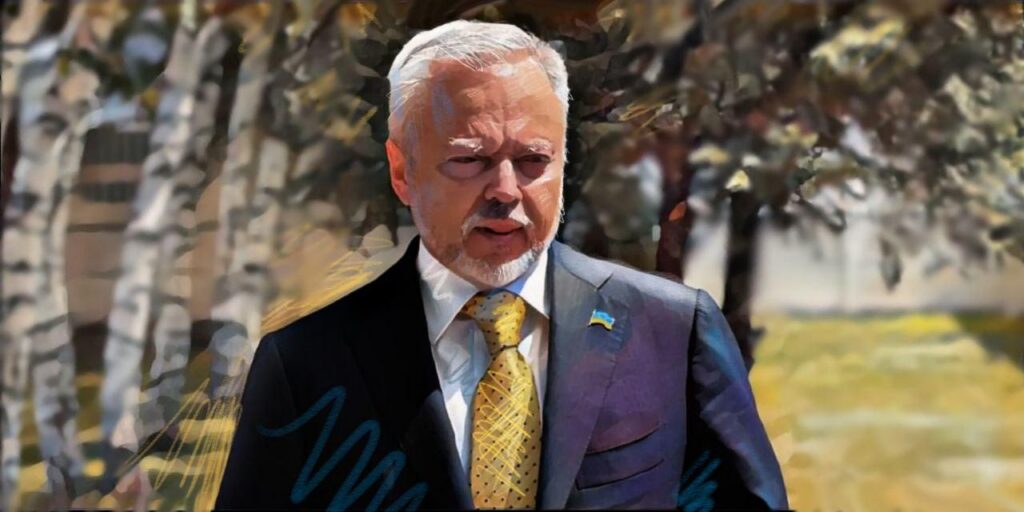
As the war between Russia and Ukraine approaches its fifth year, diplomatic efforts to reshape trade routes, energy flows, and regional partnerships are intensifying far beyond the battlefield. For Ukraine, Central Asia has emerged as an increasingly important economic and logistical partner, particularly as Kyiv seeks alternatives to disrupted transport corridors and supply chains. The Times of Central Asia spoke with Viсtor Mayko, Ukraine’s Ambassador to Kazakhstan, about the prospects for deeper economic cooperation with Central Asia, the role of the Middle Corridor, energy transit challenges in the Caspian region, Kyiv’s expectations for international support, and a possible path toward ending the war. Trade and Economic Prospects in Central Asia TCA: Mr. Ambassador, what are the prospects for deepening trade and economic partnerships between Ukraine, Kazakhstan, and wider Central Asia? Which sectors offer the greatest potential for cooperation? Ambassador Mayko: Deepening trade and economic ties between Ukraine, Kazakhstan, and other Central Asian countries is not merely a prospect; it is a necessity dictated by global economic trends. Kazakhstan leads the region economically, with a GDP exceeding $300 billion. It is on a trajectory to join the G20 within 5 to 10 years. The United States, recognizing this potential, has invited Kazakhstan to the upcoming G20 meeting in the U.S., demonstrating Kazakhstan’s rising global significance. Ukraine and Kazakhstan’s economies are complementary. Ukraine brings experience in agricultural technology, mechanical engineering, IT, and processing, while Kazakhstan contributes resource strength, industrial capacity, and logistics. Promising areas for cooperation include agro-industrial development, from crop production to digitalized processing; industrial cooperation through equipment supply and joint production; logistics and infrastructure aimed at strengthening transport corridors; and energy and IT projects focused on efficiency and network modernization. We are already transitioning from theory to action. A major business delegation from Ukraine will visit Kazakhstan this year. We also anticipate another meeting of the Joint Ukrainian-Kazakh Intergovernmental Commission on Economic Cooperation, which is crucial for removing barriers and initiating new projects. Ukraine’s presence in Kazakhstan’s economy has historically been significant. If not for the war and resulting transport disruptions, I believe our mutual trade could have reached $10 billion. Ukrainian machinery still accounts for a substantial portion of Kazakhstan’s industrial base, especially in regions such as Karaganda, Aktau, and Pavlodar, though much of this equipment now requires modernization. Another promising area is mineral resource development. Ukraine has the scientific and practical base to contribute meaningfully to this sector. Turkmenistan’s earlier collaboration with Ukrainian firms in revitalizing depleted wells illustrates our potential. Wells deemed exhausted by older technologies yielded hundreds of thousands of tons of oil under Ukrainian management. This successful model can be applied in Kazakhstan, one of the EU’s top three oil suppliers. Transport Infrastructure and the Middle Corridor TCA: How is cooperation in the transport sector developing, especially regarding the Middle Corridor? Are there any potential plans for joint infrastructure projects? Ambassador Mayko: Russia’s full-scale aggression disrupted Ukraine’s previous logistics routes. Today, we prioritize alternatives like the Trans-Caspian International Transport Route, the “Middle Corridor”, as a...

Protecting Critical Infrastructure: Lessons from the CPC Drone Attack

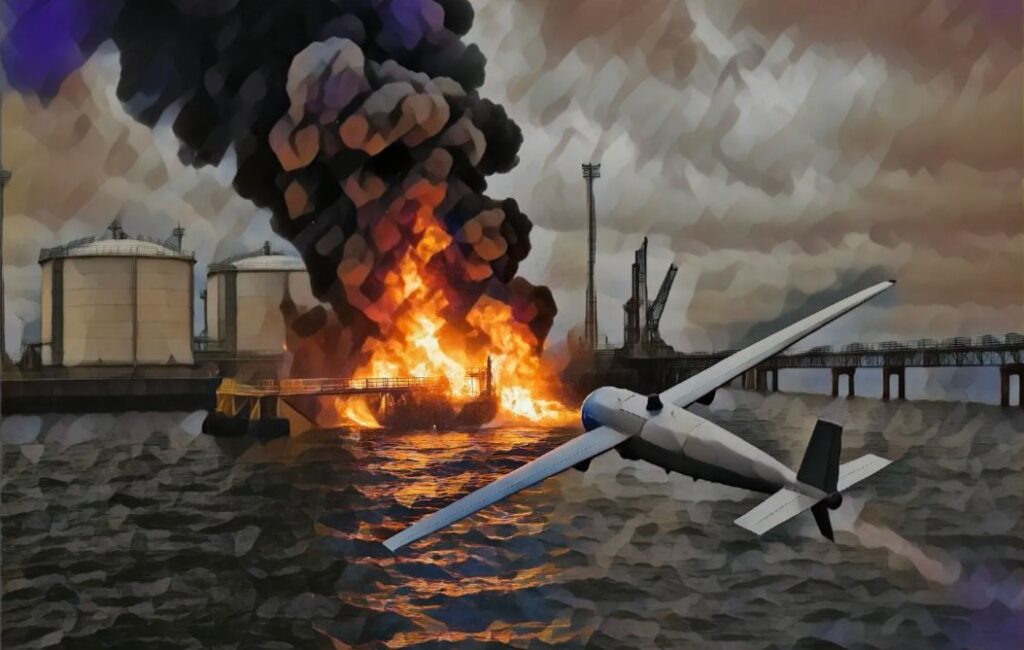
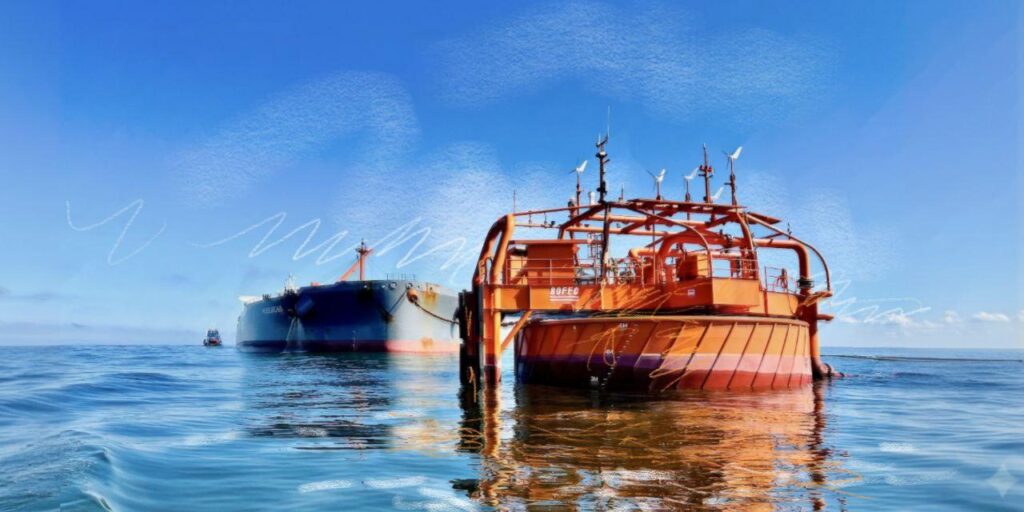
The attack by naval drones on the infrastructure of the Caspian Pipeline Consortium (CPC) on 29 November was an alarming signal, not only for Kazakhstan but for the global energy sector. The temporary suspension of shipments and the shift to operating through a single remote mooring facility struck at the heart of Kazakhstan’s economy. Around 80% of Kazakhstan’s oil exports – generating roughly 40% of its export revenues – pass through the CPC, which has handled over 60 million tons of crude annually in recent years. The vulnerability of CPC infrastructure serves as a reminder of how tightly global energy security is intertwined with regional conflicts. The consortium not only carries Kazakh crude; it also plays a stabilizing role for several international stakeholders, including European refiners and multinational shareholders, such as Chevron and ExxonMobil. Any prolonged disruption would reverberate across global markets, raising transport premiums, tightening supplies in Southern Europe, and undermining confidence in the safety of trans-Eurasian energy routes. For a world already grappling with supply shocks, the Novorossiysk incident underscored how the effects from a single strike can ripple far beyond the immediate impact zone. At the same time, the incident revealed a broader and more urgent issue. Military operations are not supposed to target civilian infrastructure, particularly when it belongs to neutral third parties uninvolved in the conflict. While international humanitarian law (IHL) explicitly prohibits attacks on such facilities unless they are being used for military purposes, the reality on the ground is far less clear-cut. In contemporary conflicts, the line between civilian and military use can blur quickly, creating space for competing interpretations and contested justifications. The Legal Grey Zone of Modern Warfare Although the legal framework is clear on paper, its practical application has become increasingly strained in recent conflicts. The increasing use of drones, long-range precision munitions, and cyber tools has blurred the distinction between civilian and military infrastructure and has outpaced the mechanisms designed to protect them. Energy pipelines, ports, and terminal facilities - which once lay far from the frontlines - can now be struck at minimal cost and with limited attribution. This technological shift has opened a grey zone that existing IHL was never designed to manage, heightening the urgency for clearer norms and enforcement tools. The real challenge lies not in the absence of legal norms but in the lack of mechanisms to enforce them, particularly in cases where neutral countries’ assets become collateral damage. There is, therefore, an argument for the introduction of a new international legal framework – or supplementing existing provisions via a UN protocol – to safeguard critical infrastructure. This is especially relevant in an era of precision weapons and drone warfare, where pipelines, energy terminals, and logistics hubs increasingly fall within potential strike zones. Yet the implementation of such a framework faces complications. Under existing IHL, dual-use infrastructure, such as pipelines that may carry resources for both civilian and military use, can be deemed legitimate military targets. Ukrainian officials have justified strikes on Russian energy...

Why Attacks on the Caspian Pipeline Consortium Could Alter Kazakhstan’s Strategic Plans

Attacks on the infrastructure of the Caspian Pipeline Consortium (CPC), reduced export flows, and volatility in commodity markets are generating serious pressures for Kazakhstan. In the coming years, both the country’s financial system and its domestic political balance may face significant tests. A number of experts warn that disruptions in oil logistics via the CPC, which remains the main artery for Kazakh crude exports, could depress budget revenues, strain national companies, and worsen the sovereign outlook. Kazakhstan pumps roughly 80% of its oil exports through the CPC system, and oil revenues account for more than half of the country’s total export earnings. Because CPC Blend is Kazakhstan’s primary export-grade crude, even short interruptions can reverberate through the state budget, the National Fund, and the balance sheets of national companies. This could trigger a domino effect, destabilizing broad swathes of the economy and undermining public finances. Already, the recent rounds of disruption around Black Sea oil shipping are eroding a substantial source of tax revenue for the state. Continued Risk of Strikes Political scientist Dosym Satpaev argues that Kazakhstan may be underestimating the intensity and persistence of the conflict surrounding Ukraine. He contends that both sides in that conflict have used strikes on energy infrastructure as key tools, a tactic that will likely continue. The recent strike targeted the CPC’s single-point moorings (SPMs) at Novorossiysk, a coastal terminal on the Russian Black Sea. These offshore loading points sit in relatively shallow waters and are physically exposed, making them susceptible to the naval drones Ukraine has increasingly deployed against Russian maritime infrastructure. Although the attack officially targeted Russian facilities, the collateral implications for Kazakh oil exports were immediate. According to Satpaev, that means further risks for the CPC. The fact that Kazakhstan remains heavily dependent on this single pipeline reflects a broader failure to diversify exports and reduce reliance on raw material transit.  The vulnerability is magnified by the CPC’s ownership structure: although Kazakhstan relies on it for most of its exports, the pipeline network and the Novorossiysk terminal lie on Russian territory and operate under Russian regulatory oversight. Russia holds a majority stake in the consortium, while U.S. firms such as Chevron and Exxon also have significant shares, creating a complex web of interests that limits Astana’s room for manoeuvre. Kazakhstan has already experienced how this dependence can be leveraged. In 2022, Russian regulators repeatedly halted CPC operations over alleged “environmental violations,” moves widely interpreted as political pressure at a moment of diplomatic friction. That precedent underscores how strategic vulnerability to CPC disruptions predates the current wave of attacks. Satpaev is skeptical that alternative export routes, such as via pipelines through the Caspian Sea to Baku-Tbilisi-Ceyhan or transit to China, can substitute for the CPC in the near term. Given the global trend toward reduced oil demand, he believes this leaves Kazakhstan exposed to long-term structural risks.  At the same time, Satpaev views as unlikely the possibility that Ukraine would attempt to directly stop the CPC’s operations, given the broader consequences such...

Tensions Between Kazakhstan and Ukraine Rise After Oil Infrastructure Attack

Escalating Ukrainian attacks on the Russian port of Novorossiysk on the Black Sea have caused significant damage to energy infrastucture there, drawing a sharp rebuke from Kazakhstan, which relies heavily on the facility for the transhipment of oil from Kazakh fields to international markets. In response, Ukraine said it was not targeting Kazakhstan but trying to undercut “full-scale Russian aggression” as part of a campaign that has stirred concern about global oil prices and supply. An attack by “unmanned boats” on Saturday damaged a mooring device at the Caspian Pipeline Consortium’s marine terminal on Saturday, leading to the suspension of loading operations and other activities, the consortium said. While there were no casualties among its workers nor any immediate indication that oil entered Black Sea waters, some pipelines were closed and the normal resumption of oil shipments at Novorossiysk appeared to be in question because of security concerns. “Shipments at the terminal will be carried out in accordance with established rules upon cancellation of threats from unmanned surface vessels and drones,” said the consortium, which includes energy companies from Russia, Kazakhstan, the United States and several Western European countries. Kazakhstan has tried to project neutrality in the war between Russia and Ukraine, maintaining close trade and diplomatic ties with Moscow while also, on occasion, speaking in support of Ukrainian sovereignty. But Ukraine’s latest attack on Novorossiysk, aimed at weakening Russia by targeting its oil facilities nationwide, drew an uncharacteristically blunt protest from Kazakhstan’s Ministry of Foreign Affairs. “This incident marks the third act of aggression against an exclusively civilian facility whose operation is safeguarded by norms of international law. As a responsible participant of the global energy market, Kazakhstan consistently advocates for maintaining the stability and uninterrupted supply of energy resources,” the ministry said. It also said: “We view what has occurred as an action harming the bilateral relations of the Republic of Kazakhstan and Ukraine, and we expect the Ukrainian side to take effective measures to prevent similar incidents in the future.” Russian Foreign Ministry Spokeswoman Maria Zakharova also weighed in, describing the Ukrainian attack as “terrorist” and noting that “our friends in the Kazakh Ministry of Foreign Affairs” had already protested. Ukraine said it had taken into account Kazakhstan’s concerns about the pipeline consortium’s infrastructure. “We emphasize that no actions by the Ukrainian side are directed against the Republic of Kazakhstan or other third parties – all efforts of Ukraine are focused on cutting off the full-scale Russian aggression within the framework of the right to self-defense guaranteed by Article 51 of the UN Charter,” Ukraine’s Ministry of Foreign Affairs said. The Ukrainian statement also noted that Kazakhstan had not condemned Russian attacks on Ukrainian civilians, residential buildings and energy systems, including nuclear power plant substations. Russia launched a full-scale invasion of Ukraine in February 2022. In a statement about the attack, the Caspian Pipeline Consortium said it had not been subjected to sanctions and played a significant role in “safeguarding the interests of the company's Western shareholders.”...

Uzbek Man Forced into Russian Army Pleads for Help to Return Home from Ukraine

A 31-year-old Uzbek citizen from Bukhara, Zukhriddin Yuldoshev, who was forcibly recruited into the Russian army, surrendered to Ukrainian forces almost immediately after arriving at the front. His case, reported by Nexta Live and other media outlets, highlights the growing number of Central Asian nationals being coerced into Russia’s war against Ukraine. According to Yuldoshev, Russian police planted narcotics on him and threatened him with a prison sentence of 12 to 18 years unless he signed a military contract. “I was given two choices: prison or the front,” he said. After arriving at the battlefield, he was quickly detected by a Ukrainian drone and surrendered without resistance. Yuldoshev described dire conditions within the Russian military, saying he had to purchase his own communication equipment and gear. He also spoke of widespread disarray and deception among Russian troops. “There were so many dead bodies that there was nowhere to step,” he recalled. He says he has no intention of returning to Russia and is appealing to the Uzbek government for assistance in returning home. In a June report, Ukraine’s military intelligence stated that citizens of Uzbekistan, Tajikistan, and other Central Asian countries are increasingly being coerced or misled into joining the Russian war effort. Many had initially traveled to Russia as labor migrants and were later pressured into signing military contracts, often with promises of fast cash. Ukrainian officials say many of these recruits are deployed to the most dangerous sections of the front and face high casualty rates. The forced conscription of migrants has drawn increasing criticism from human rights groups, who argue the practice violates international law. Yuldoshev’s plea for repatriation places added pressure on the Uzbek government to act on behalf of its citizens caught up in Russia’s war.