• KGS/USD = 0.01144 0%
  • KZT/USD = 0.00191 0%
  • TJS/USD = 0.10798 0%
  • UZS/USD = 0.00008 0%
  • TMT/USD = 0.28571 0%
  • KGS/USD = 0.01144 0%
  • KZT/USD = 0.00191 0%
  • TJS/USD = 0.10798 0%
  • UZS/USD = 0.00008 0%
  • TMT/USD = 0.28571 0%
  • KGS/USD = 0.01144 0%
  • KZT/USD = 0.00191 0%
  • TJS/USD = 0.10798 0%
  • UZS/USD = 0.00008 0%
  • TMT/USD = 0.28571 0%
  • KGS/USD = 0.01144 0%
  • KZT/USD = 0.00191 0%
  • TJS/USD = 0.10798 0%
  • UZS/USD = 0.00008 0%
  • TMT/USD = 0.28571 0%
  • KGS/USD = 0.01144 0%
  • KZT/USD = 0.00191 0%
  • TJS/USD = 0.10798 0%
  • UZS/USD = 0.00008 0%
  • TMT/USD = 0.28571 0%
  • KGS/USD = 0.01144 0%
  • KZT/USD = 0.00191 0%
  • TJS/USD = 0.10798 0%
  • UZS/USD = 0.00008 0%
  • TMT/USD = 0.28571 0%
  • KGS/USD = 0.01144 0%
  • KZT/USD = 0.00191 0%
  • TJS/USD = 0.10798 0%
  • UZS/USD = 0.00008 0%
  • TMT/USD = 0.28571 0%
  • KGS/USD = 0.01144 0%
  • KZT/USD = 0.00191 0%
  • TJS/USD = 0.10798 0%
  • UZS/USD = 0.00008 0%
  • TMT/USD = 0.28571 0%
13 November 2025

Viewing results 1 - 6 of 9

Kyrgyzstan Faces Power Shortages Amid Record Low Water Levels at Toktogul Reservoir

Kyrgyz authorities have warned of potential rolling blackouts this winter due to critically low water levels at the country’s main hydropower facility, the Toktogul Hydroelectric Power Station. At a press conference in Bishkek, Energy Minister Taalaibek Ibraev reported that as of mid-September, the Toktogul reservoir had accumulated just 10.8 billion cubic meters of water, 1.5 billion cubic meters less than at the same time last year. The shortfall significantly limits the country’s electricity generation capacity during peak winter demand. “Kyrgyzstan is facing a persistent energy crisis, exacerbated by insufficient water reserves amid global warming and rising demand for electricity,” Ibraev stated. Hydropower provides around 90 percent of Kyrgyzstan’s electricity. If water levels at Toktogul fall to 6.5 billion cubic meters, the turbines will be unable to function, increasing the risk of large-scale outages. Officials clarified, however, that the current deficit does not necessarily mean the country will face a total blackout during the winter of 2025-26. On the eve of the announcement, energy ministers from Kyrgyzstan, Kazakhstan, and Uzbekistan met in the town of Cholpon-Ata, where they agreed to facilitate electricity transit from Russia and Turkmenistan through their respective territories. “Through joint efforts, we will ensure an uninterrupted power supply to our cities and strengthen regional energy security. We expect our Kazakh and Uzbek colleagues to adhere to the delivery schedules set out in the signed protocols,” Ibraev added.

Kazakhstan Sees Record Water Recovery in Northern Aral Sea

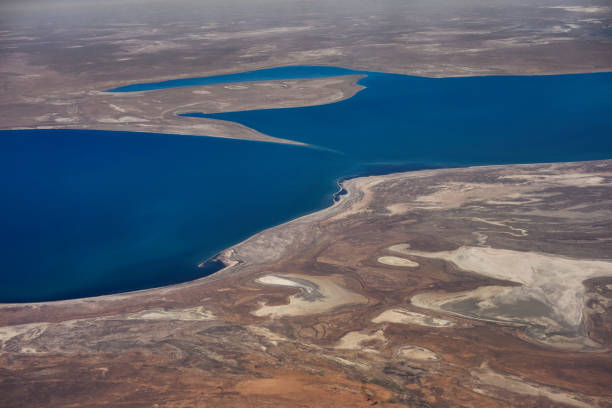
Kazakhstan’s Ministry of Water Resources and Irrigation has reported a record increase in the volume of water in the Northern Aral Sea, exceeding national and international expectations. Water Returns to the Sea Since 2023, approximately 5 billion cubic meters of water have flowed into the basin, bringing the total reserve to 24.1 billion cubic meters. This figure surpasses the target set under Kazakhstan’s Water Resources Management Concept, which had aimed for only 20.6 billion cubic meters by 2025. The current level was not expected to be reached before 2029. Minister of Water Resources and Irrigation Nurzhan Nurzhigitov said that with the support of a World Bank grant, a feasibility study is underway to raise the Kokaral Dam by two meters and construct a new hydraulic facility. The project is designed to stabilize water levels in the Akshatau and Kamystybas lake systems. “The project aims to increase both the volume and quality of water in the Northern Aral Sea, restore the Syr Darya delta, reduce salt dispersion from the exposed seabed, develop the fishing industry in the Kyzylorda region, and improve living conditions for local communities,” the minister stated. International Cooperation Deputy Minister Nurlan Aldamzharov has said the second phase of the initiative envisions raising the Northern Aral’s capacity to 35 cubic kilometers. He emphasized the critical role of regional cooperation, particularly with Kyrgyzstan, Tajikistan, and Uzbekistan, as the sea’s recovery depends on sustained inflows from the Syr Darya River. Ministry spokesperson Moldir Abdualyeva attributed the recent progress to “water diplomacy, effective resource allocation, and conservation efforts.” Environmental and Social Impact The increase in water volume has led to a corresponding expansion of the sea’s surface area. As of February 2025, the Northern Aral covered 3,065 square kilometers, an increase of 111 square kilometers over the past three years. This has reduced salinity levels and enabled the return of 22 fish species to the ecosystem. The annual fish catch now totals around 8,000 tons, offering renewed economic opportunities for local communities. To further support the region, Kazakhstan has raised subsidies for farmers implementing water-saving technologies, increasing compensation rates from 50% to 80%. Officials say the measure is intended to conserve water while promoting sustainable agriculture in surrounding areas. The Small Aral Sea, or Northern Aral, was formed in 1987 during the broader desiccation of the Aral Sea and preserved following the construction of the Kokaral Dam. In 2012, it was added, alongside the Syr Darya delta, to the Ramsar List of Wetlands of International Importance. Kazakhstan assumed the rotating chairmanship of the International Fund for Saving the Aral Sea (IFAS) in 2024, further strengthening its leadership role in regional water cooperation and ecosystem restoration.

Kazakhstan Initiates International Program to Save the Caspian Sea

The ongoing shallowing of the Caspian Sea is no longer a national issue, it is emerging as a significant international challenge. Kazakh President Kassym-Jomart Tokayev emphasized that the crisis requires collective action and the adoption of an intergovernmental program. Since the early 2000s, the Caspian Sea’s water level has been steadily declining. As previously reported by The Times of Central Asia, by the summer of 2025, the sea had fallen below 29 meters relative to global sea level, marking a historic low. The northern basin, which borders Russia and Kazakhstan, is drying up particularly rapidly, due in large part to decreased flow from the Volga River. This is not the first time Kazakhstan has raised concerns about the Caspian Sea on the international stage. According to Tokayev, “the need to develop an intergovernmental program to preserve the Caspian Sea has matured.” The president believes that participation should extend beyond the five littoral states, Russia, Iran, Azerbaijan, Turkmenistan, and Kazakhstan, to include other nations invested in the region’s environmental health. He recalled that during his visit to China in early September, he proposed the creation of a specialized international organization. “This is not only a problem for one country, but for a number of states,” Tokayev stressed in his annual address to the nation. At the same time, the president acknowledged that Kazakhstan faces its own internal water management challenges. Losses in some irrigation and water channels reach 50-60%, and resource accounting is still being carried out using outdated technologies. “As for the culture of conserving natural resources, especially water, we must admit that we have big problems here: as they say, the horse didn’t lie down,” Tokayev remarked. To address these issues, he proposed creating a unified digital platform for water resources, powered by artificial intelligence. This platform would enable accurate hydrogeological monitoring and the development of a national water balance. Tokayev said this system would provide the foundation for a long-term water policy and help attract investment into the sector. Tokayev also stressed that environmental safety should become part of Kazakhstan’s national ideology. He highlighted the ongoing Taza Kazakhstan (“Clean Kazakhstan”) initiative, which began in 2024. Under this project, approximately 860,000 hectares of land have been cleaned and over 4 million trees planted. “If such active work continues, Kazakhstan will become a truly green country, an inspiring example and a valuable legacy for future generations,” Tokayev said. He also called for the introduction of a unified standard for environmental education, from schools to universities.

Kyrgyzstan Drafts Program to Preserve Lake Issyk-Kul

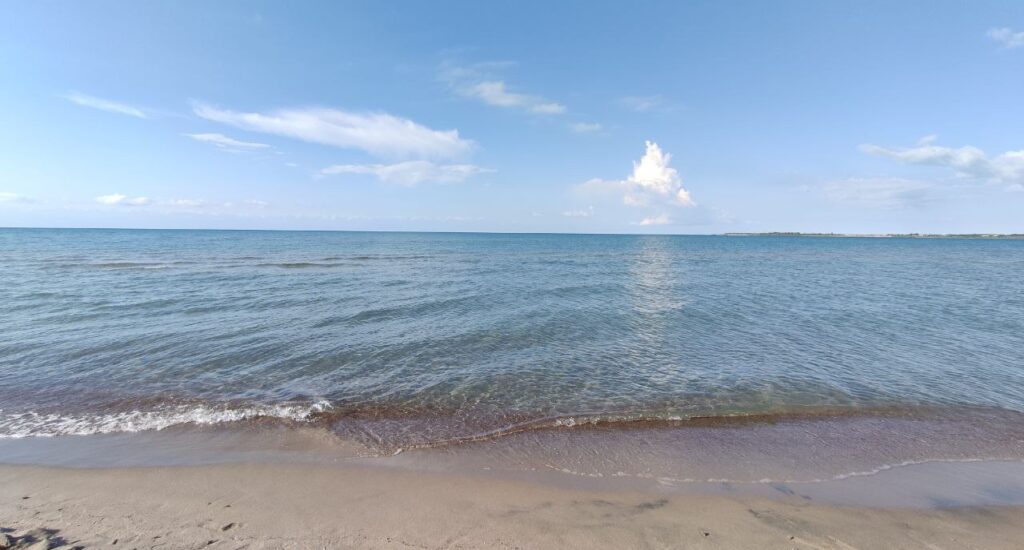
Kyrgyzstan’s Ministry of Natural Resources, Ecology, and Technical Supervision has released a draft Concept for the Sustainable Development of the Ecological and Economic System of Lake Issyk-Kul until 2030 for public discussion. The proposal addresses mounting environmental challenges that threaten the future of the lake, a vital component of the country’s climate system, biodiversity, and tourism industry. Located in northeastern Kyrgyzstan, Issyk-Kul is the nation's largest lake and one of its most important ecological assets and tourist destinations. The new Concept outlines a roadmap for sustainable management amid signs of accelerating environmental degradation. Falling Water Levels The lake’s water level has dropped by 2.75 meters between 1927 and 2003. To reverse this trend, the Concept recommends restoring hydrological monitoring infrastructure, including groundwater observation and river hydro-posts. It also proposes enforcing irrigation water accounting and transitioning local agriculture to water-saving technologies. Glacier Retreat and River Flow The 957 glaciers in the Issyk-Kul basin, spanning 560.8 km², are rapidly melting due to climate change. These glaciers feed roughly 120 rivers flowing into the lake, though only 80 reach it during the summer, largely due to irrigation withdrawals. To mitigate the loss, the government plans to introduce modern irrigation systems across 100,000 hectares of farmland, potentially redirecting up to 200 million cubic meters of water back into the lake annually. Wastewater and Sewerage Infrastructure Untreated wastewater from settlements and tourism infrastructure poses a serious threat to the lake’s ecosystem. The Concept includes measures to upgrade wastewater treatment, promote the reuse of treated water for irrigation, and expand sewerage systems. Over the past five years, 47 new treatment facilities have been built in the Issyk-Kul region. 2030 Environmental Goals The Concept sets several targets for the next five years: Reduce untreated wastewater discharge by 40% Expand specially protected natural areas to cover 20% of the region Implement ecotourism standards at all recreational facilities Introduce separate waste collection in all district centers Involve at least 80% of schoolchildren in environmental education programs “Issyk-Kul is a strategic resource for Kyrgyzstan. The Concept aims to ensure clean water, protect the shoreline, create safe recreation areas, and boost tourism and entrepreneurship,” said Meder Mashiev, Minister of Natural Resources, Ecology, and Technical Supervision.

Kazakhstan PM Urges Joint Action to Save the Caspian Sea

Kazakh Prime Minister Olzhas Bektenov has urged the five Caspian littoral states to coordinate efforts in response to the steadily declining water levels of the Caspian Sea, describing it as one of the region’s most pressing environmental threats. Speaking at the inaugural International Environmental Conference in Manzherok, Russia, Bektenov emphasized the urgency of a collective response. “Since the early 2000s, the water level in the Caspian Sea has been steadily declining. To study this and other challenges, Kazakhstan has established the Caspian Sea Research Institute. Scientists’ forecasts are alarming. We need decisive joint measures,” Bektenov stated, according to his press service. The Caspian Sea is bordered by Kazakhstan, Russia, Iran, Azerbaijan, and Turkmenistan. As previously reported by The Times of Central Asia, the sea’s water level dropped to less than 29 meters below sea level by summer 2025, a historic low. The northern Caspian, which borders Kazakhstan and Russia, is experiencing the most rapid desiccation. In addition to the Caspian issue, Bektenov addressed other major environmental concerns. He highlighted Kazakhstan’s work in the Aral Sea region, where the country currently chairs the International Fund for Saving the Aral Sea. Key priorities include reinforcing the Kokaral Dam, restoring the Syr Darya delta, revitalizing the fishing industry, and reforesting the dried seabed. Kazakhstan is also establishing a saxaul nursery on the desiccated Aral seabed to produce 1.5 million seedlings annually. The goal is to cover up to 40% of Kazakhstan’s portion of the former sea with saxaul forests. Bektenov also underscored the growing threat of glacier melt. Experts warn that Central Asia’s glaciers could shrink significantly by 2100. The UNESCO Central Asian Regional Glaciological Center, based in Almaty, is already serving as a key platform for research and monitoring. Kazakhstan, he added, is ready to implement joint hydrotechnical initiatives, including reservoir regulation and the introduction of automated water accounting systems. Bektenov concluded by noting the symbolic importance of the forum’s location in the Altai region, often regarded as the cradle of Turkic civilization and a cornerstone of cultural and humanitarian cooperation.

Kyrgyzstan Moves to Address Falling Water Levels in Lake Issyk-Kul

Kyrgyzstan is stepping up efforts to combat the declining water level of Lake Issyk-Kul, a critical ecological and economic resource, as the effects of climate change intensify. Deputy Prime Minister and Minister of Water Resources Bakyt Torobaev raised the issue at a government meeting this week, highlighting a combination of shrinking glaciers, reduced precipitation, and inefficient water use, particularly in agriculture, as key contributing factors. Lake Issyk-Kul, located in northeastern Kyrgyzstan, is the country’s largest lake and a vital component of the regional climate system. It also supports biodiversity and tourism. Torobaev warned that the continued decline in water levels could have far-reaching environmental, economic, and social consequences. Strategic Measures to Stabilize the Lake To address the crisis, Torobaev proposed a set of comprehensive interventions requiring cooperation between government agencies, scientists, local communities, and civil society. Key initiatives include: Modernizing irrigation systems and introducing water-saving technologies; Expanding green areas across the Issyk-Kul region; Enhancing research on glaciers and water resources; Developing long-term climate adaptation strategies. As previously reported by The Times of Central Asia, water diversion for agricultural irrigation, particularly outside the lake basin, was identified by experts at the 2024 National Water Forum as one of the primary threats to Issyk-Kul’s sustainability. Government Investment and Monitoring In response, the Kyrgyz government has pledged $392 million toward efforts to stabilize the lake’s water level. This includes $200 million dedicated to installing modern irrigation systems across 100,000 hectares of farmland. An additional investment will fund the deployment of 2,200 automated sensors to monitor water consumption in real time. Authorities expect these measures to return up to 200 million cubic meters of water to the lake, helping to mitigate the decline and protect Issyk-Kul's long-term ecological balance.