• KGS/USD = 0.01144 0%
  • KZT/USD = 0.00205 0%
  • TJS/USD = 0.10784 0%
  • UZS/USD = 0.00008 0%
  • TMT/USD = 0.28490 0%
  • KGS/USD = 0.01144 0%
  • KZT/USD = 0.00205 0%
  • TJS/USD = 0.10784 0%
  • UZS/USD = 0.00008 0%
  • TMT/USD = 0.28490 0%
  • KGS/USD = 0.01144 0%
  • KZT/USD = 0.00205 0%
  • TJS/USD = 0.10784 0%
  • UZS/USD = 0.00008 0%
  • TMT/USD = 0.28490 0%
  • KGS/USD = 0.01144 0%
  • KZT/USD = 0.00205 0%
  • TJS/USD = 0.10784 0%
  • UZS/USD = 0.00008 0%
  • TMT/USD = 0.28490 0%
  • KGS/USD = 0.01144 0%
  • KZT/USD = 0.00205 0%
  • TJS/USD = 0.10784 0%
  • UZS/USD = 0.00008 0%
  • TMT/USD = 0.28490 0%
  • KGS/USD = 0.01144 0%
  • KZT/USD = 0.00205 0%
  • TJS/USD = 0.10784 0%
  • UZS/USD = 0.00008 0%
  • TMT/USD = 0.28490 0%
  • KGS/USD = 0.01144 0%
  • KZT/USD = 0.00205 0%
  • TJS/USD = 0.10784 0%
  • UZS/USD = 0.00008 0%
  • TMT/USD = 0.28490 0%
  • KGS/USD = 0.01144 0%
  • KZT/USD = 0.00205 0%
  • TJS/USD = 0.10784 0%
  • UZS/USD = 0.00008 0%
  • TMT/USD = 0.28490 0%

Viewing results 1 - 6 of 68

200 Million Cubic Meters of Water Directed to the Aral Sea

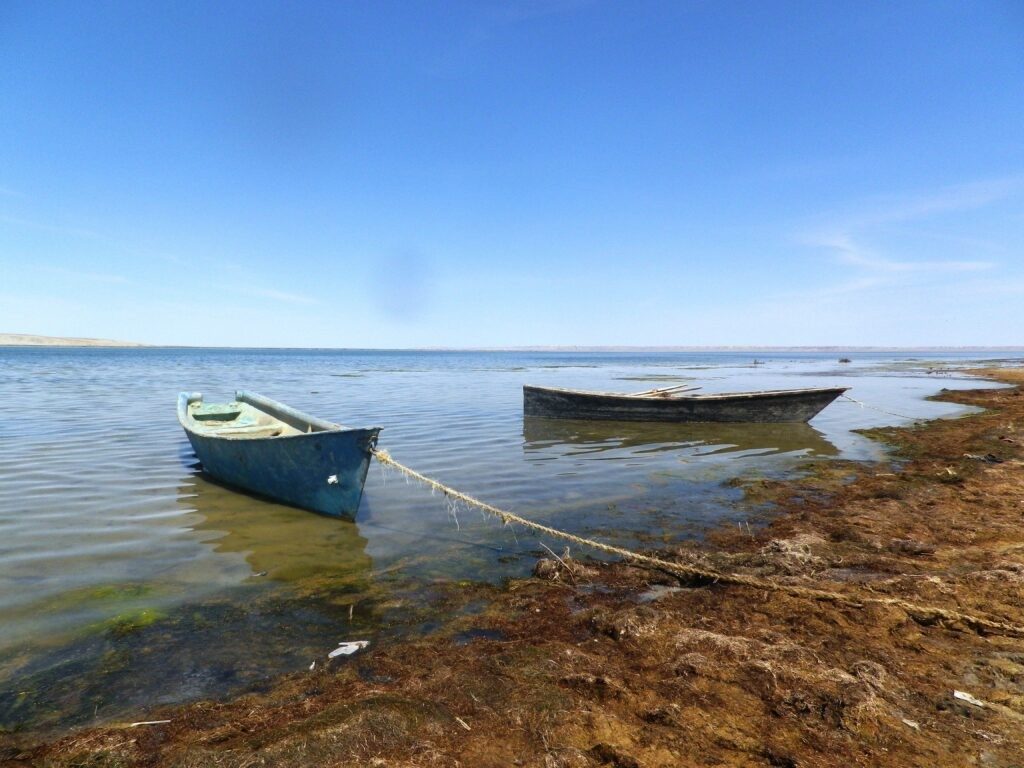
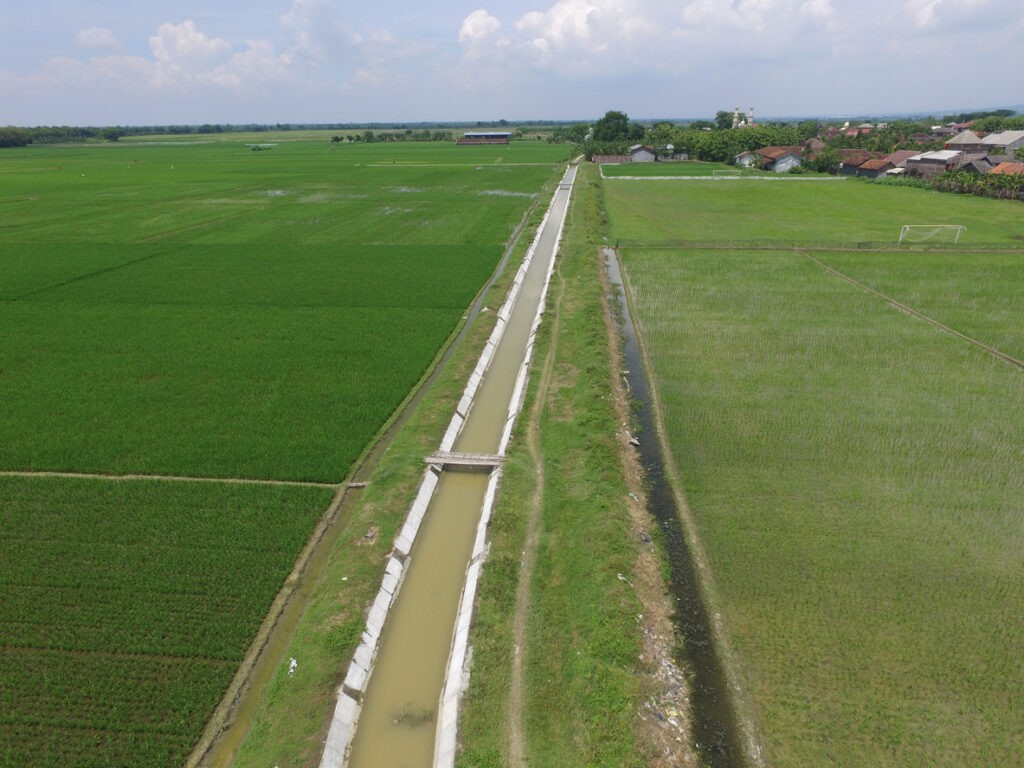
In 2024, agrarians from the Kyzylorda region of Kazakhstan introduced water-saving technologies on 55,000 hectares of rice fields, saving over 200 million cubic meters of water. These saved resources were directed to the Aral Sea, helping to improve its water levels. During this year's irrigation season, about a billion cubic meters of water were delivered to the Northern Aral, three times more than last year. Since the beginning of the year, the volume of water sent to the sea has reached 2 billion cubic meters, and the total water in the sea has reached 22 billion cubic meters. Kazakhstan's Minister of Water Resources and Irrigation, Nurzhan Nurzhigitov, emphasized that this result was made possible not only by effective water diplomacy with neighboring Central Asian countries but also by actively using water-saving technologies. To encourage their use, the government has increased subsidies to farmers. In 2024, subsidies rose from 50% to 80%, and in the next three years, will be brought to 85% for small-scale farms using efficient irrigation methods. These measures aim to further restore the Aral Sea's water level, which is one of the region's leading environmental objectives. Successes in water conservation demonstrates that innovative technologies can be crucial for addressing perennial water scarcity and ecosystem restoration. Water diplomacy in Central Asia plays a crucial role in solving the problem of water level reduction in the Aral Sea. Uzbekistan is actively cooperating with Kazakhstan, Tajikistan, and Kyrgyzstan on the rational use of water resources in the Amu Darya and Syr Darya river basins. One critical steps was the signing of an agreement on the exchange of electricity between the countries, which has allowed the volume of water used for irrigation to be regulated, and improved the state of the region's ecosystem. In addition, Kazakhstan and Uzbekistan are actively introducing water-saving technologies to optimize water consumption in agriculture, which is freeing up resources to replenish the Aral Sea. These measures have helped to increase water inflow to the Northern Aral Sea in recent years, maintaining its level and improving conditions for local ecosystems.

Kazakhstan, Kyrgyzstan and Uzbekistan Determine Operating Mode for Toktogul Reservoir

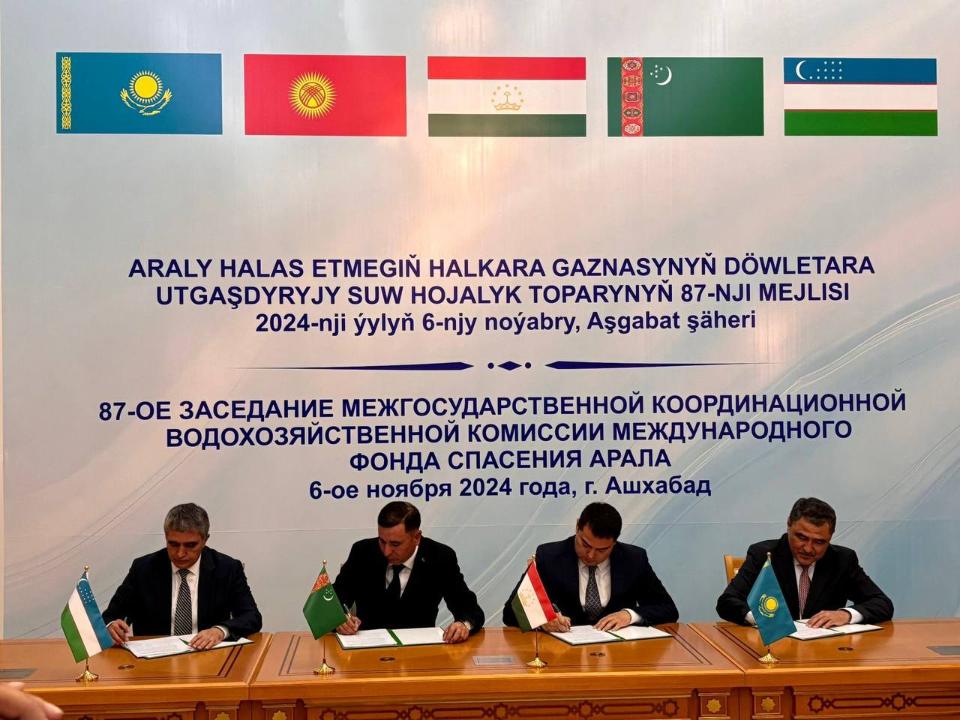
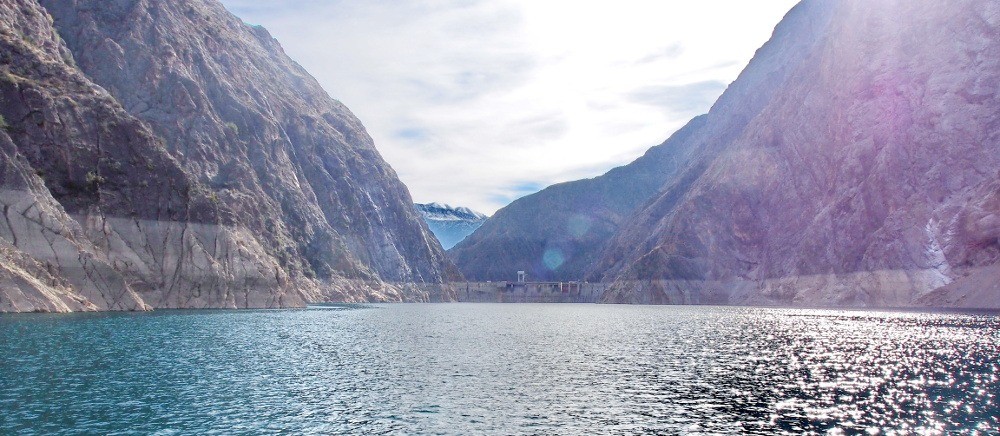
Following a meeting in Tashkent to coordinate the region's water and energy balance, ministers from Kazakhstan, Kyrgyzstan, and Uzbekistan determined a preliminary operating mode for Kyrgyzstan’s Toktogul reservoir for the autumn-winter period. Kyrgyzstan’s largest Toktogul hydroelectric power plant (HPP) reservoir on the Naryn River releases water downstream to Kazakhstan and Uzbekistan providing essential irrigation for fields in Kazakhstan's dry southern regions. In winter, the plant which produces around 40% of Kyrgyzstan’s electricity, releases more water to generate electricity to meet the country’s power shortages. Kazakhstan and Uzbekistan are now interested in helping Kyrgyzstan maintain a sufficient volume of water in the Toktogul reservoir for use during the 2025 irrigation season; a goal which could be achieved by exporting Kazakh and Uzbek electricity to Kyrgyzstan during the winter months. Commenting on the proposal, Kazakhstan’s Minister of Water Resources and Irrigation Nurzhan Nurzhigitov, stated: "An important area of cooperation for our countries is the water and energy sector. This year has become a vivid example of deepening such regional cooperation. We [Kazakhstan] have met our water needs thanks to the joint measures. For a downstream country, this is extremely important. First, it is used to fill the North Aral Sea. We will continue to adhere to the agreements reached for the autumn-winter period to provide farmers with irrigation water next year." The Kazakh Ministry of Water Resources and Irrigation announced on October 14 that the irrigation season had ended in all regions of the country and during the growing season, from April 1,  the Ministry supplied Kazakhstan's farmers with about 11.2 billion cubic meters of water.  Nurzhigitov also drew attention to the vital role of water diplomacy in preventing a shortage of irrigation water this year, with  Kyrgyzstan, Tajikistan, and Uzbekistan sending more water to Kazakhstan than planned. As previously  reported by The Times of Central Asia the Toktogul reservoir accumulated more water this year than last.

Water Supply Plan to the Aral Sea is Almost 100% Complete

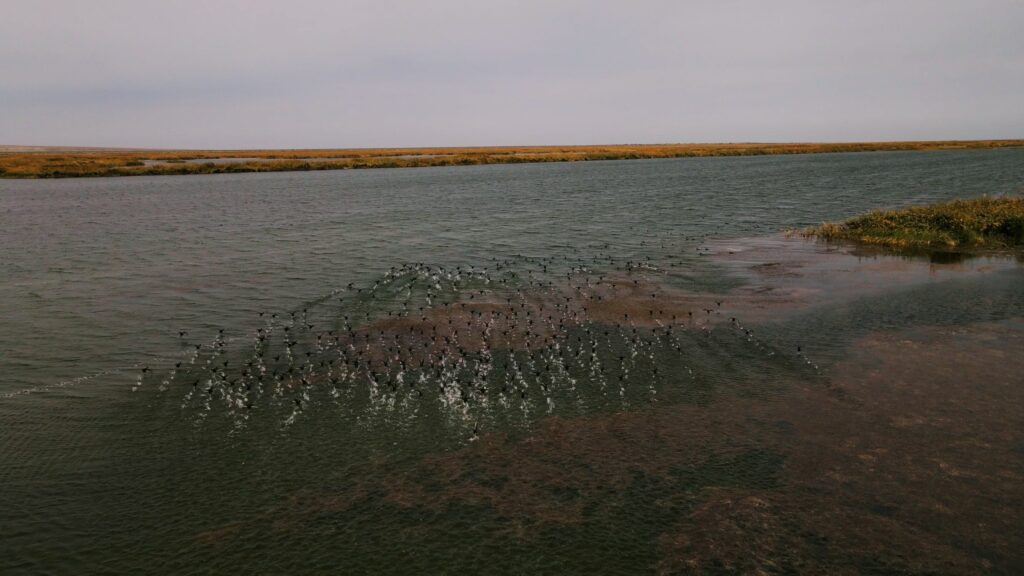
This year, the Aral Sea received 977 million cubic meters of water, which allowed it to fulfill the water supply plan by almost 100% during the irrigation period. This is the first time in the last five years it has got close to 100%. Deputy Head of Aral-Syrdarya Basin Inspection Zeinollah Kaztoganov noted that this year, the volume of water flowing into the Northern Aral increased to 60-70 cubic meters per second, ten times more than in previous years when the figure was 7-10 cubic meters per second. Now, the total volume of water in the Northern Aral is about 22 billion cubic meters. Additionally, more than 45 million cubic meters of water were directed to Akshatau, Sorgak, and Kamystybas lakes, which positively impacted fishing and tourism: water salinity decreased, and fish populations increased. If the catches of local fishermen earlier were only 400 tons a year, this year they reached over 7,500 tons. Kuntugan Turganbayev, a 76-year-old fisherman from the village of Karateren who has been fishing all his life, said that with the inflow of water into the Aral Sea, there is a prospect for the development of fisheries. He noted that this year, there are more fish than last year, and if the current water level in the Aral Sea is maintained, the fishery will continue to grow. Meanwhile, Uzbekistan's Ministry of Water Resources and Irrigation and the World Bank are developing the second phase of a program to conserve the Northern Aral Sea. This program is aimed at improving water supply, construction, and modernization of water infrastructure. The main objective is to support sustainable water use, which includes the development of agriculture, tourism, and fisheries in the region. The project also provides for the establishment of an automated water management system, which will help control water flows effectively and ensure stable water levels in the Northern Aral Sea.

Reservoirs in Kazakhstan Make Room for Next-Year Meltwater

In preparation for potential floods next spring, Kazakhstan’s Ministry of Water Resources and Irrigation is gradually releasing water from reservoirs in the country's northern, western, central, and eastern regions to ensure they can receive snowmelt water in case of flooding. In Kostanay Region, the Karatomar reservoir releases 50 cubic meters of water per second. In Aktobe Region, the Kargalinsky reservoir discharges 15 cubic meters of water per second, and 107 million cubic meters of water were released from the Aktobe reservoir from August 23 to October 1. In western Kazakhstan, three cubic meters of water per second are released from the Kirov reservoir, 13 cubic meters per second from the Bitik reservoir, six cubic meters from the Dunguluk reservoir, and five cubic meters from the Pyatimar reservoir. At the same time, reservoirs in dry southern regions of Kazakhstan keep accumulating water for next year’s growing season. Deputy Minister of Water Resources and Irrigation Nurlan Aldamzharov commented that the country's reservoirs accumulated 75 billion cubic meters of water this past spring, 15 billion cubic meters more than last year. More than 12 billion cubic meters of that water was flood water. In the spring of 2024, Kazakhstan's western and northern regions suffered from unprecedented floods caused by the rapid snowmelt. The floods destroyed thousands of homes and forced almost 100,000 people to evacuate from flood zones.

Kazakhstan Establishes Coordination Council of Partners for Water Sector Development

Kazakhstan has established a Coordination Council of Partners for the Development of the Water Sector. It includes the Kazakh Ministry of Water Resources and Irrigation representatives, the United Nations Development Programme (UNDP), and other international organizations and financial institutions. According to the ministry, the Coordination Council will coordinate the actions of government agencies, UNDP, international financial organizations, and donor communities according to national priorities in the water sector. The Council will mobilize and effectively distribute financial and technical resources to achieve the goals. The Council will support developing and implementing strategic documents, such as the Water Code, the Concept for the Development of the Water Resources Management System, and the Comprehensive Water Sector Development Plan, as well as strengthening the legislative framework and institutional mechanisms for sustainable water management. By implementing best international practices and innovative solutions in water resources management, the Council will organize the exchange of knowledge and experience, increase the capacity of specialists, and inform citizens about sustainable water resources management principles. Another key task for the Council is strengthening regional cooperation in water resources management and increasing resilience to climate change and natural disasters such as droughts and floods. Minister of Water Resources and Irrigation Nurzhan Nurzhigitov commented: “The establishment of the Coordination Council is an important step for the water sector in Kazakhstan. By coordinating the efforts of the Ministry, international organizations, and donor communities, the Council will play an important role in promoting the country's long-term environmental stability and economic development. The Coordination Council will help mobilize resources, strengthen governance, expand regional cooperation, and promote sustainable water resource management practices. These collective efforts will address growing climate challenges and ensure a stable future for Kazakhstan and Central Asia.” On September 30, the Coordination Council held its first meeting in Astana. The meeting discussed partnerships in managing Kazakhstan's water resources and presented a Water Partnership Initiative for 2024-2030, a joint proposal between the Ministry of Water Resources and Irrigation and UNDP. The document outlines specific activities, such as developing an information system for water resources, the modernization of water infrastructure to respond to climate challenges, implementing modern irrigation systems, and transboundary water cooperation. Katarzyna Wawiernia, UNDP Resident Representative in Kazakhstan, stated at the meeting: "Given the complexity of the water agenda, it is clear that no single government or organization can tackle these issues alone. Therefore, addressing these challenges requires combining resources, investments, technical expertise, and innovations. I hope that the Partnership Initiative proposed today by UNDP and the Ministry of Water Resources and Irrigation will be an important catalyst in this process." For decades, Kazakhstan has faced a host of water-related challenges, such as the shrinking Aral Sea, largely caused by decreasing water flows in transboundary rivers, devastating spring floods, and irrigation water shortages in the country’s southern regions.

Kazakhstan and Uzbekistan Agree To Establish Stations for Syr Darya Water Measurement

The press service of the Ministry of Water Management and Irrigation of Kazakhstan reports that Kazakhstan and Uzbekistan have agreed to install ten automated measuring stations in Syr Darya to accurately measure water resources. Shavkat Hamroyev, the Minister of Water Management of Uzbekistan, met with Nurzhan Nurzhigitov, his counterpart in Kazakhstan, with the two reportedly discussed automating measuring stations and digitizing water accounting in Syr Darya. Nurzhigitov emphasized that negotiations with international financial organizations and companies are in progress for the joint implementation of the project. The ministers also discussed the modes of operation of the Norin-Syr Darya cascade reservoirs for next year’s pre-irrigation season. “Many thanks to our colleagues from Uzbekistan for their active participation in the International Fund for Saving the Aral Sea (IFSA) meeting and the proposals voiced," Nurzhigitov stated. "Over the year, we have become convinced that our joint work produces positive results, so we intend to continue close bilateral cooperation. We have common views on many issues. This allows us to resolve most of the existing issues on a mutually beneficial basis.” In return, Hamroyev expressed Uzbekistan’s desire to strengthen cooperation within the IFSA. “Uzbekistan fully supports Kazakhstan’s chairmanship of the International Fund... We want to strengthen cooperation in this direction and work on joint projects. For example, preserving the ecosystems of the Syr Darya and Amu Darya basins, providing residents with quality drinking water, restoring small and local water bodies.” In addition, the parties discussed developing a regional strategy for the use of water resources. In May of this year, Hamroyev told a parliamentary hearing that watersheds from the Amu Darya and Syr Darya rivers are forecasted as being favorable this year.