• KGS/USD = 0.01143 0%
  • KZT/USD = 0.00202 0%
  • TJS/USD = 0.10661 -0.19%
  • UZS/USD = 0.00008 0%
  • TMT/USD = 0.28575 0%
  • KGS/USD = 0.01143 0%
  • KZT/USD = 0.00202 0%
  • TJS/USD = 0.10661 -0.19%
  • UZS/USD = 0.00008 0%
  • TMT/USD = 0.28575 0%
  • KGS/USD = 0.01143 0%
  • KZT/USD = 0.00202 0%
  • TJS/USD = 0.10661 -0.19%
  • UZS/USD = 0.00008 0%
  • TMT/USD = 0.28575 0%
  • KGS/USD = 0.01143 0%
  • KZT/USD = 0.00202 0%
  • TJS/USD = 0.10661 -0.19%
  • UZS/USD = 0.00008 0%
  • TMT/USD = 0.28575 0%
  • KGS/USD = 0.01143 0%
  • KZT/USD = 0.00202 0%
  • TJS/USD = 0.10661 -0.19%
  • UZS/USD = 0.00008 0%
  • TMT/USD = 0.28575 0%
  • KGS/USD = 0.01143 0%
  • KZT/USD = 0.00202 0%
  • TJS/USD = 0.10661 -0.19%
  • UZS/USD = 0.00008 0%
  • TMT/USD = 0.28575 0%
  • KGS/USD = 0.01143 0%
  • KZT/USD = 0.00202 0%
  • TJS/USD = 0.10661 -0.19%
  • UZS/USD = 0.00008 0%
  • TMT/USD = 0.28575 0%
  • KGS/USD = 0.01143 0%
  • KZT/USD = 0.00202 0%
  • TJS/USD = 0.10661 -0.19%
  • UZS/USD = 0.00008 0%
  • TMT/USD = 0.28575 0%
08 February 2026

Viewing results 1 - 6 of 8

Kazakhstan Warns of Severe Water Shortages as Syr Darya Levels Drop

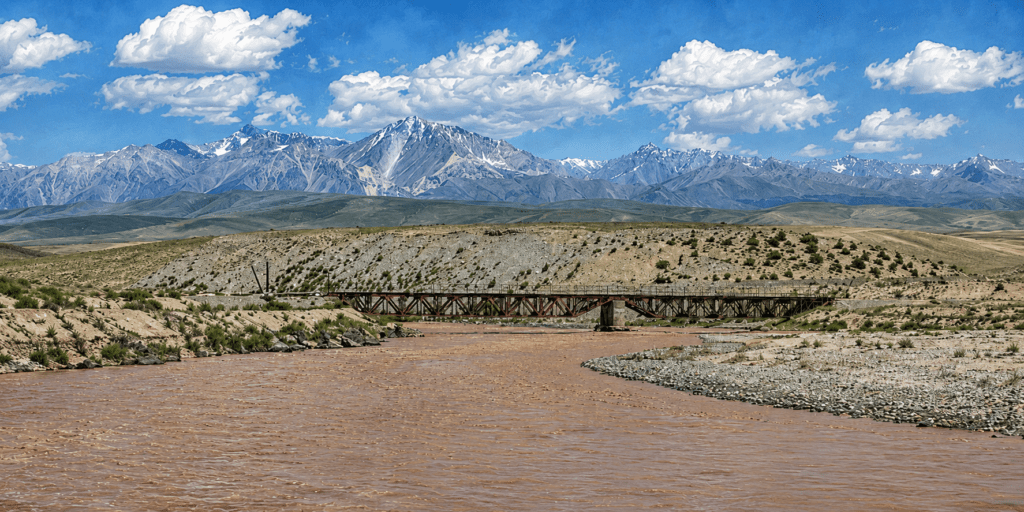
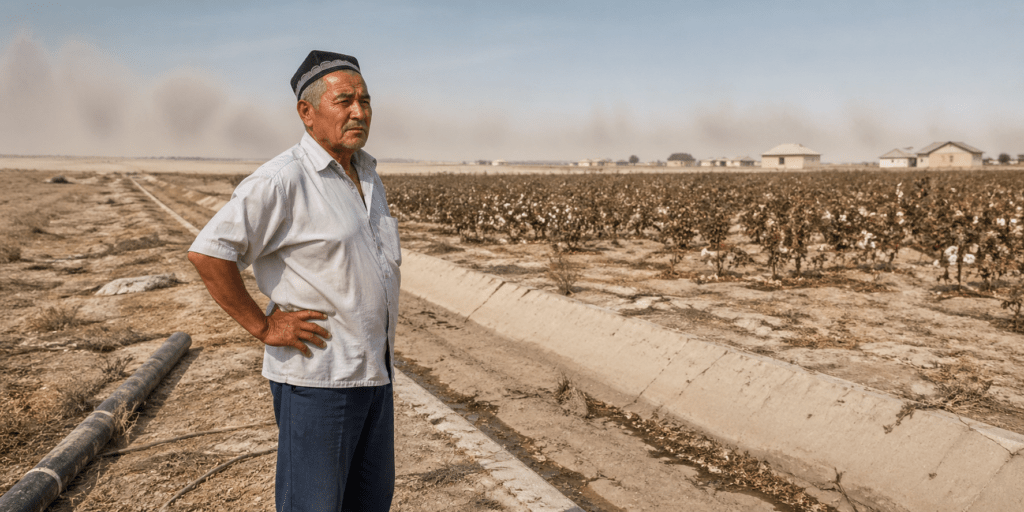
Kazakhstan’s Minister of Water Resources and Irrigation, Nurzhan Nurzhigitov, gave a sober warning to the country on January 13 that this year there could be significantly less water for agriculture in the southern parts of the country. Nurzhigitov said that as of January 12, there was 1.9 billion cubic meters (bcm) less water in the reservoirs of southern Kazakhstan than on that date in 2025. The Importance of the Syr-Darya These areas are part of the Syr Darya Basin. The Syr Darya is one of Central Asia’s two large rivers, the other being the Amu Darya to the south, which runs along the Central Asia-Afghan border. Equally alarming for Kazakhstan, Nurzhigitov noted that in the mountains of upstream neighboring countries, Kyrgyzstan and Tajikistan, where the Syr Darya originates, officials are also reporting low levels in reservoirs. According to the Kazakh Ministry of Water Resources and Irrigation, the reservoirs in those two countries are a combined 3.2 bcm lower than last year at this time. Kyrgyzstan’s Energy Minister Taalaybek Ibrayev said in November 2025 that the water level in the massive Toktogul reservoir was less than 11 bcm, nearly 2 bcm lower than in November 2024, and only at about 60% of its 19.5 bcm capacity. Water from the reservoir is released into the Naryn River, which eventually merges with the Syr Darya in Uzbekistan, and flows on further into Kazakhstan. The Toktogul hydropower plant (HPP) depends on that water to supply some 40% of Kyrgyzstan’s domestically-produced electricity, and Ibrayev called on Kyrgyzstan’s citizens to conserve electricity and help the water in Toktogul accumulate before the 2026 agriculture season. Tajikistan’s state power company, Barqi Tojik, also called in November for the country’s citizens to save electricity as the water level at the Nurek HPP’s reservoir was low. The Nurek reservoir uses water from the Vakhsh River that does not flow into the Syr Darya, but the water shortage problems at Nurek are similar throughout Tajikistan, including tributaries that do flow into the Syr Darya. Conservation and New Wells In Kazakhstan, Nurzhigitov said inspections and repairs of irrigation canals were currently underway. He also mentioned that in December, Deputy Prime Minister Kanat Bozumbayev had ordered officials in the Kyzylorda, Turkestan, and Zhambyl provinces to hold meetings with farmers and herders to discuss water conservation. There were also talks with farmers about planting crops that required less water. Water limits would be announced in February, Nurzhigitov said, and in March the Agriculture Ministry would decide how much land to sow for this year’s crops based on expected water supplies during the spring-summer period. Nurzhigitov added that work was being done to increase the use of underground water, which he claimed could amount to some 15.7 bcm of extra water for Kazakhstan annually. Currently, Nurzhigitov said, only some 7-10% of this underground water is being used. Bleak Forecast Kazakhstan gathered a record harvest in 2025, some 27.1 million tons of grain, despite planting less wheat. Given the reduction in precipitation in Central Asia in...

Turkmenistan and Spain Eye Regional Center to Combat Desertification in Central Asia

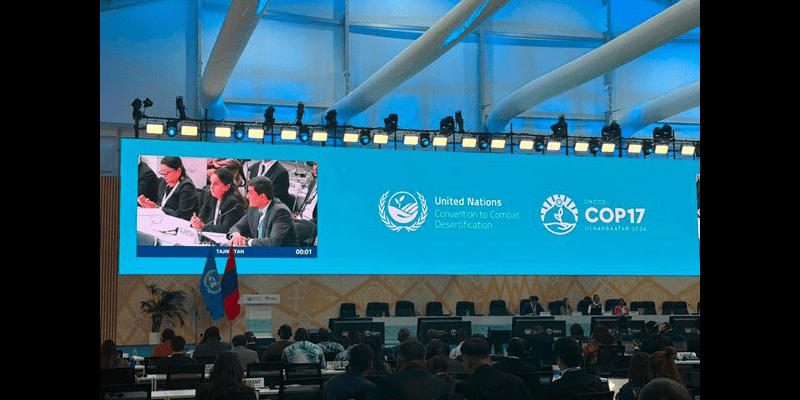
Turkmenistan and Spain have discussed closer cooperation to address desertification in Central Asia, including the possible creation of a regional center focused on land degradation. The talks took place in Ashgabat during a meeting between Turkmenistan’s Minister of Environmental Protection and Spain’s ambassador to Russia, Ricardo Martínez Vázquez, who is also accredited in Turkmenistan. The discussions followed Turkmen President Serdar Berdimuhamedov’s proposal at the United Nations General Assembly to establish a specialized regional center to combat desertification in Central Asia. The initiative is intended to strengthen cooperation among regional states and attract international expertise and funding. [caption id="attachment_41076" align="aligncenter" width="1000"] Image: mineco.gov.tm[/caption] Desertification is a growing concern across Central Asia, a region where arid and semi-arid landscapes dominate much of the territory. The United Nations Convention to Combat Desertification defines desertification as land degradation in dry areas caused by climatic variations and human activities. According to the UNCCD, more than 20% of land in Central Asia is already degraded, affecting around 30% of the population. Much of this damage is linked to unsustainable water use, intensive agriculture, overgrazing, and the long-term effects of climate change. Spain’s interest in desertification in Turkmenistan is rooted in their shared status as nations on the front lines of climate change. As one of the European countries most vulnerable to soil degradation, Spain co-launched the International Drought Resilience Alliance (IDRA) to export its expertise in "dryland" management and water conservation, which is directly applicable to the arid landscapes of Central Asia. This common challenge has fostered a diplomatic partnership focused on the United Nations Convention to Combat Desertification (UNCCD), where countries exchange strategies for land restoration and drought resilience. Beyond environmental solidarity, Spain views Turkmenistan as a critical emerging market for its advanced engineering and agricultural sectors. Major Spanish firms, such as TYPSA, are already active in the region, providing technical assistance for massive infrastructure projects, such as desalination plants on the Caspian Sea, and modernizing irrigation systems for thousands of hectares of farmland. This commercial engagement is bolstered by Spain's support for Turkmenistan’s proposal to host a Regional Center for Climate Change Technologies, which would serve as a hub for Spanish green tech in Central Asia. The bilateral relationship also aligns with the broader EU Strategy for Central Asia, which prioritizes environmental stability as a means of ensuring regional security. By helping Turkmenistan manage its dwindling water resources and combat the encroaching Karakum Desert, Spain contributes to the EU for a Green Turkmenistan initiative. This cooperation helps prevent resource-driven migration and instability, and strengthens trade ties in a region that is becoming increasingly vital for global energy and logistics. One of the most visible examples of desertification in the region is the collapse of the Aral Sea. Once the world’s fourth-largest inland lake, the Aral Sea began shrinking rapidly in the 1960s after its feeder rivers were diverted for large-scale irrigation projects. By the early 2000s, the sea had lost roughly 90% of its volume. [caption id="attachment_13621" align="aligncenter" width="2560"] Desert ships on the former...

Melting Mountains, Drying Futures: Central Asia Confronts Water Emergency

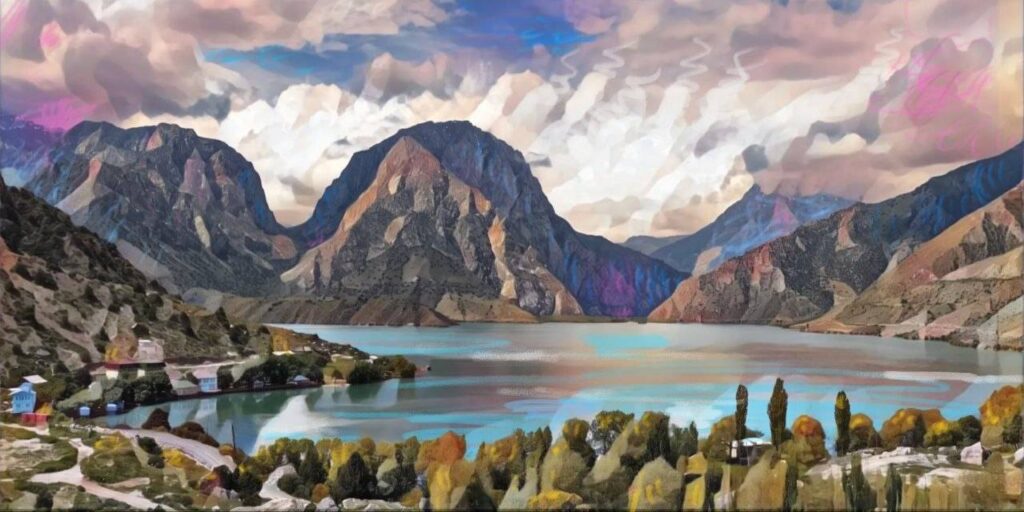
Central Asian countries are mobilizing against an emerging water crisis as a United Nations report highlights the vulnerability of mountain water systems to climate change. Identifying ranges like the Tien Shan and the Pamirs, the UN World Water Development Report 2025 – Mountains and Glaciers: Water Towers – warns that rapid glacier melt and erratic snowfall are threatening vital freshwater supplies worldwide. According to the report, mountains provide up to 60% of the world’s annual freshwater flows, with over two billion people depending directly on water from mountain sources. This risk is particularly acute in Central Asia: a UN drought outlook noted that rising temperatures and shrinking snowpack in the high mountains of Tajikistan and Kyrgyzstan are accelerating glacier retreat, posing a “long-term threat to the region’s water security.” Half of rural mountain communities in developing countries already face food insecurity, and receding glaciers could impact two-thirds of all irrigated agriculture globally – a dire scenario for Central Asia’s irrigation-dependent economies. Rivers like the Amu Darya and Syr Darya are fed by glacier runoff and support downstream agriculture, hydropower, and municipal needs in Uzbekistan, Kazakhstan, and Turkmenistan. But climate-driven glacial retreat, inefficient irrigation, and aging infrastructure have already pushed the region toward a breaking point. [caption id="attachment_33952" align="aligncenter" width="2560"] Lake Karakul in Tajikistan is expanding due to melting glaciers; image: TCA, Stephen M. Bland[/caption] Kazakhstan Steps Up Leading the regional response, Kazakhstan has launched sweeping reforms to modernize its water infrastructure and governance. The country has committed to building 42 new reservoirs, refurbishing 14,000 kilometers of irrigation canals, and investing heavily in digital water monitoring and conservation. Established in September 2023, the Ministry of Water Resources and Irrigation is coordinating the overhaul under an updated national Water Code. The government has also launched an integrated water portal, hydro.gov.kz, and pledged to digitize more than 3,500 kilometers of canals for precise flow tracking. In an address at the Astana International Forum, Deputy Prime Minister Kanat Bozumbayev framed water as a “powerful driver of cooperation, sustainable development and regional stability,” urging closer regional coordination. Kazakhstan is also leading environmental restoration efforts. As the current chair of the International Fund for Saving the Aral Sea (IFAS), it is overseeing projects to rehabilitate the North Aral Sea, including raising the Kokaral Dam to restore water levels and fisheries. In 2024 alone, local irrigation reforms in Kyzylorda saved 200 million cubic meters of water, which was redirected toward the shrinking sea. [caption id="attachment_12017" align="aligncenter" width="2560"] The Kokaral Dam in Kazakhstan; image: TCA, Stephen M. Bland[/caption] International Support and Financing Kazakhstan’s strategy has been backed by a plethora of international partners. The European Bank for Reconstruction and Development (EBRD) has financed over €255 million in water and wastewater projects in Kazakhstan, including a €96.4 million sovereign loan for a new treatment plant in Aktobe. Meanwhile, the Eurasian Development Bank (EDB) and UNDP have launched a regional partnership to expand access to modern irrigation, digitize water flows, and establish training centers. “We must act very quickly and...

From Malnutrition to Water Scarcity: UN Identifies Key Threats to Food Security in Tajikistan

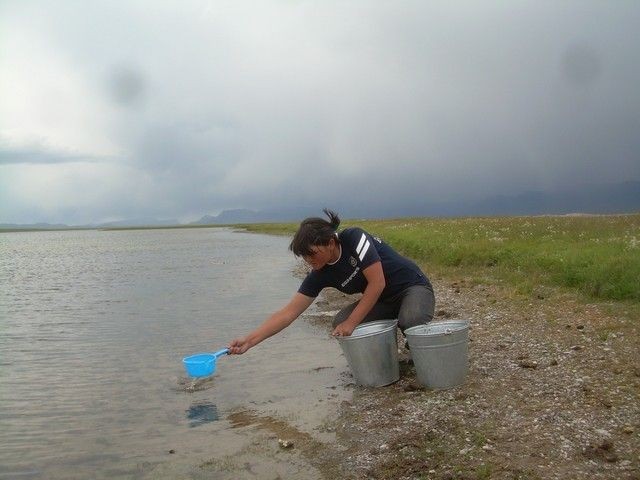
A new United Nations report titled Food Security and Nutrition Outlook for Europe and Central Asia 2024 has outlined the major challenges facing Tajikistan in nutrition, public health, and sustainable agriculture. The report identifies chronic malnutrition, rising childhood obesity, and vulnerability to climate change as the principal threats to the country’s food system. According to the findings, Tajikistan continues to face a dual burden: while undernutrition remains a persistent issue, obesity is on the rise, particularly among children. In 2022, nearly one in seven Tajik children under five (13.1%) suffered from stunting due to chronic malnutrition, while 9.9% were affected by wasting, well above the global target of 3%. At the same time, childhood obesity has seen a dramatic increase, with the proportion of overweight children rising from 4.6% in 2000 to 21% in 2022. Efforts to address these issues are further complicated by Tajikistan’s climate vulnerability and water management challenges. Agriculture, a cornerstone of the national economy and food supply, is particularly susceptible to shifting weather patterns. Although the government is implementing reforms, including the adoption of a new Water Code in 2020 and a watershed management system planned for completion by 2026, water scarcity remains a critical concern. Water user associations are playing a growing role in this transformation. The report also highlights gender disparities in the agricultural workforce. Women represent a significant share of those employed in agriculture, yet many work informally, without pay or legal protections. The UN urges action to ensure women have equitable access to land, resources, and decision-making processes. Beyond Tajikistan, the wider Europe and Central Asia region is not immune to food insecurity. As of 2023, 107 million people, 11.5% of the population, faced moderate or severe food insecurity, with 24.5 million in acute need. In Central Asia, 2.3 million people, around 3% of the region’s population, do not meet minimum daily energy requirements. The crisis is exacerbated by economic instability, climate change, and geopolitical tensions, including the war in Ukraine. While child malnutrition and anemia in women have declined across the region, adult obesity is increasing and now exceeds 20%. Meanwhile, 7.1% of children under five are overweight, and nearly 64.3 million people (6.9%) cannot afford a nutritious diet, an enduring challenge despite comparatively better regional indicators than global averages. The UN emphasizes the vital role of water in securing the region’s food future. Rising demand for meat and dairy products is straining already scarce water resources. Outdated infrastructure, pollution, data gaps, and insufficient regional cooperation are all significant barriers to water security. To address these challenges, the report calls for investment in water-saving technologies, reuse strategies, and reduced agricultural water footprints. Achieving long-term sustainability, the UN argues, requires an integrated approach, one that links nutrition, climate adaptation, gender equality, and modern water governance. The report was developed with the input of seven UN agencies, including FAO, UNICEF, UNDP, WHO, and WMO. International partners have expressed readiness to support Tajikistan in identifying and implementing durable, systemic solutions.