• KGS/USD = 0.01144 0%
  • KZT/USD = 0.00209 0%
  • TJS/USD = 0.10438 0%
  • UZS/USD = 0.00008 0%
  • TMT/USD = 0.28490 0%
  • KGS/USD = 0.01144 0%
  • KZT/USD = 0.00209 0%
  • TJS/USD = 0.10438 0%
  • UZS/USD = 0.00008 0%
  • TMT/USD = 0.28490 0%
  • KGS/USD = 0.01144 0%
  • KZT/USD = 0.00209 0%
  • TJS/USD = 0.10438 0%
  • UZS/USD = 0.00008 0%
  • TMT/USD = 0.28490 0%
  • KGS/USD = 0.01144 0%
  • KZT/USD = 0.00209 0%
  • TJS/USD = 0.10438 0%
  • UZS/USD = 0.00008 0%
  • TMT/USD = 0.28490 0%
  • KGS/USD = 0.01144 0%
  • KZT/USD = 0.00209 0%
  • TJS/USD = 0.10438 0%
  • UZS/USD = 0.00008 0%
  • TMT/USD = 0.28490 0%
  • KGS/USD = 0.01144 0%
  • KZT/USD = 0.00209 0%
  • TJS/USD = 0.10438 0%
  • UZS/USD = 0.00008 0%
  • TMT/USD = 0.28490 0%
  • KGS/USD = 0.01144 0%
  • KZT/USD = 0.00209 0%
  • TJS/USD = 0.10438 0%
  • UZS/USD = 0.00008 0%
  • TMT/USD = 0.28490 0%
  • KGS/USD = 0.01144 0%
  • KZT/USD = 0.00209 0%
  • TJS/USD = 0.10438 0%
  • UZS/USD = 0.00008 0%
  • TMT/USD = 0.28490 0%

Viewing results 1039 - 1044 of 3169

Kazakhstan Sets New Record for New Car Sales in 2024

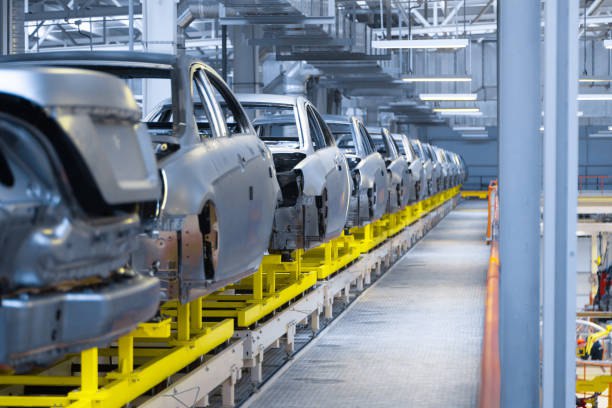
Kazakhstan set a new record for new car sales in 2024, with over 205,000 units sold, which is nearly 7,000 more than the previous year. This milestone was achieved despite a slowdown in buying activity during the middle of the year, followed by a sharp rebound in the final months. According to the Kazakhstan Automobile Union (KAO), official dealers sold 205,100 new cars in 2024. This figure represents a 3.2 percent increase from 2023 when 198,600 were sold, which was a record at the time. At the beginning of 2024, many experts believed matching the previous year’s results would be difficult due to market saturation. These doubts were reinforced when sales volumes declined during the spring and summer compared to the same months in 2023. However, starting in October, monthly sales consistently exceeded 20,000 units, and December closed the year with a record-setting 25,500 cars sold. “The whole of last year, despite some slowdown in the market at the beginning, passed under the sign of intensified competition and a lot of favorable offers from manufacturers and dealers. Unprecedented financing terms, including no down payment and no installments, were the result of coordinated work by the government, the Financial Market Regulatory and Development Agency, second-tier banks, and microfinance institutions. Excellent conditions for buyers have been developed, and the results have not been long in coming: the country's automobile market has set sales records for the second year in a row,” said KAO President Anar Makasheva. Kazakhstan’s top ten car brands saw significant changes in 2024. Hyundai maintained its leading position with 44,200 cars sold, although this represents a 5.4 percent decrease from the previous year. The brand, which manufactures vehicles locally in Almaty, retained a market share of over 21 percent. Chevrolet, which is also assembled domestically in Kostanai, ranked second with approximately 31,000 units sold. This figure marks a significant 32.5 percent decline from 2023. Kia placed third with 23,000 units sold, which is a 9.6 percent year-on-year decrease. In contrast, Chinese brands experienced notable growth. Chery secured fourth place with 14,800 cars sold, representing a 21.7 percent increase over the previous year. Jac — assembled in Kostanai — ranked fifth with 11,700 units sold, achieving an impressive 56.7 percent growth. Toyota, an imported brand, secured sixth place with 11,000 cars sold, reflecting a modest 2.7 percent increase compared to 2023. Haval, another Chinese brand, ranked seventh with approximately 11,000 units sold, representing a 45.3 percent increase. The top ten were rounded out by Jetour with 9,500 units sold, an increase of 141.9 percent; Changan with 8,500 units sold, an increase of 39.8 percent; and Geely with 8,300 units sold, an increase of 126.5 percent. Chinese brands now account for 39 percent of Kazakhstan’s automotive market. This is a significant increase from previous years and aligns with a global trend. In the electric vehicle segment, the Chinese brand Zeekr led the market, with official dealers selling 809 electric cars in 2024. However, cars with internal combustion engines remain the top...

Uzbekistan’s Economy Grows 6.5%, Investments Reach $34.9 Billion in 2024

In 2024, Uzbekistan’s gross domestic product (GDP) grew by 6.5%, reaching $115 billion, according to Presidential Spokesperson Sherzod Asadov. The announcement was made during a presidential conference focused on investment and economic performance. Foreign investments surged by 1.6 times, totaling $34.9 billion, and 242 large and medium-sized projects worth $10 billion were launched. For the first time, the country’s exports reached $27 billion. According to the official report, the mining, oil and gas, chemical, and agriculture sectors exceeded their investment targets, achieving more than double their expected performance. This highlights the robust growth and prioritization of these key industries. Despite these achievements, challenges persist in several sectors: Textile Industry: Missed its investment target by $17 million. Uztransgaz and Uzmetkombinat: Investments dropped by half. Uzsuvtaminot: Experienced a 20% decrease in investments. Officials from these organizations have been issued strict warnings to improve their performance by the first quarter of 2025 or face further consequences. Additionally, several ministries underperformed in implementing grant plans: Ministries of Ecology, Agriculture, State Assets, Pharmaceuticals, and Forestry: Delivered less than 25% of their grant targets. Ministries of Construction, Transport, Culture, and Tourism: Secured less than $10 million in grants. Ministries responsible for Preschool and School Education, Health, Transport, Sports, Higher Education, Culture, Ecology, Agriculture, Digital Technologies, and Construction were criticized for failing to attract sufficient investments and grants, despite having significant opportunities to do so. The report also highlighted underwhelming investment figures from high-potential countries such as France, Japan, Italy, Hungary, Malaysia, and Spain, which collectively invested less than $100 million in Uzbekistan in 2024. This indicates untapped opportunities for economic partnerships and collaborative growth. As previously reported by The Times of Central Asia, Uzbekistan’s President Shavkat Mirziyoyev has outlined transformative plans to modernize state-owned railway and aviation sectors as part of the country’s long-term development strategy. These reforms aim to increase Uzbekistan’s GDP to $200 billion by 2030, setting an ambitious target for sustained economic growth.

First Kilometers of TAPI Gas Pipeline Completed in Afghanistan

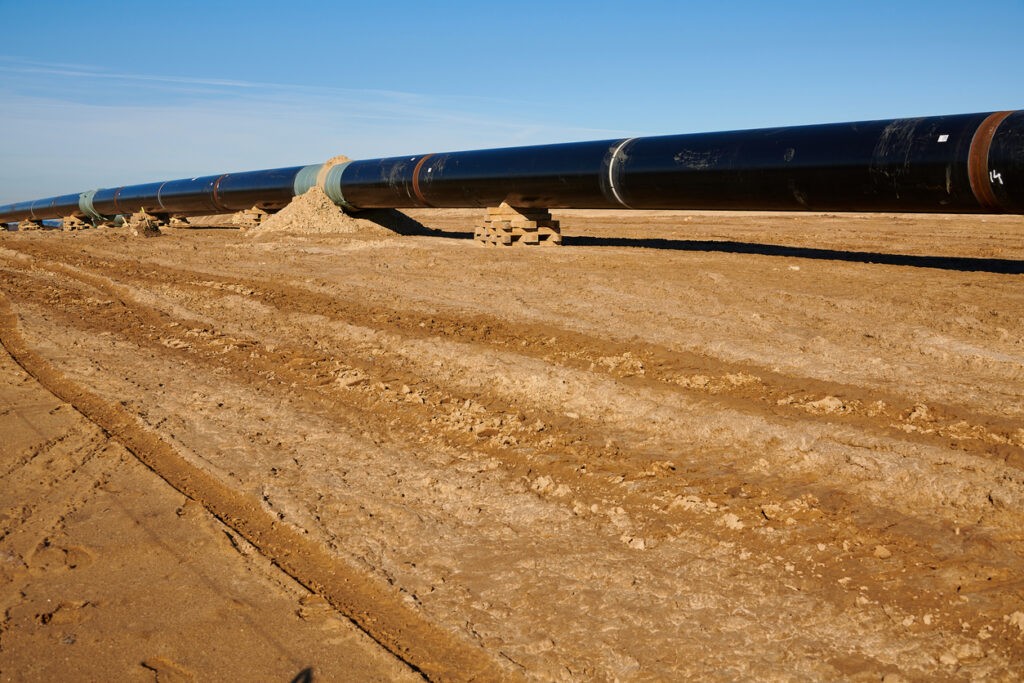
The first three kilometers of the Turkmenistan-Afghanistan-Pakistan-India (TAPI) gas pipeline have been successfully laid in Afghanistan, according to Mohammed Murad Amanov, the executive director of TAPI Pipeline Company Ltd. Amanov stated that the construction is progressing rapidly, raising hopes for the timely completion of the project. Deputy Governor of Herat Province, Nakibullah Ayub, visited the construction site and confirmed that local authorities are fully prepared to support the project's swift advancement. So far, 3.4 kilometers of the pipeline route in Afghanistan have been prepared, aligning with the established schedule. The Afghan section of the TAPI pipeline, which spans 821 kilometers, officially began construction in September 2024. To date, technical surveys have been completed on 153 kilometers of the route, and the initial three kilometers of pipeline were laid within four months. TAPI is a landmark regional energy project that aims to transport natural gas from Turkmenistan’s Galkynysh gas fields to consumers in Pakistan and India, passing through Afghanistan. The project is expected to enhance economic stability in the region and attract significant foreign investment. Economic experts have highlighted the strategic importance of the TAPI pipeline for Afghanistan. Analyst Mohammad Asif Stanekzai remarked that the project could boost Afghanistan’s economic credibility and pave the way for increased foreign capital inflows. Additionally, Afghanistan is projected to earn approximately $400 million annually in transit fees. Last week, Afghanistan’s Acting Minister of Mines and Petroleum, Hidayatullah Badri, held discussions in Kabul with Mohammed Murad Amanov about the progress of the TAPI pipeline and strategies to expedite the remaining work.

Chinese Company to Manufacture Drones in Kazakhstan

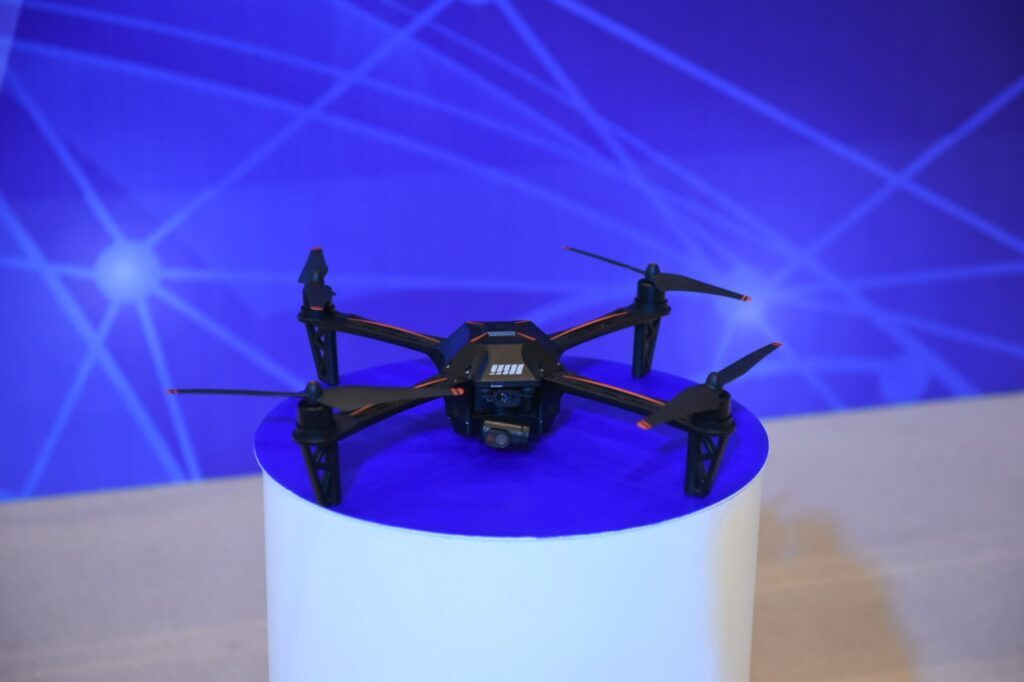
Yesil Technology Company, a subsidiary of China’s Shaanxi Kaizhuo Electronic Technology Co., Ltd., is set to establish an industrial drone production facility in Kazakhstan. The project, valued at approximately $12 million, marks a significant step in advancing high-tech manufacturing in the country. Construction of the production and research zone, spanning 50,000 square meters, will begin in March 2025 in the Almaty region. The facility will include a workshop for manufacturing drone batteries, a research center for innovative technologies, a full-cycle machine storage, and a test site for drones. Supported by the national company Kazakh Invest, the initiative is projected to create 500 new jobs. The drones manufactured in Kazakhstan will serve both the domestic market and be exported to neighboring Central Asian countries. Yesil Technology aims to integrate advanced UAV (unmanned aerial vehicle) technologies into various sectors, including agricultural monitoring, environmental protection, securing sensitive facilities, emergency rescue operations, and counter-drone measures. Yongning Hui, the head of Yesil Technology, highlighted the company's commitment to solving critical challenges in the drone industry, including extending UAV flight ranges, enhancing intelligent obstacle avoidance, and improving navigation precision and stability. “Yesil Technology actively attracts outstanding scientists and researchers from around the world, focusing on solving key problems such as the limitation of unmanned aerial vehicles’ flight range, the accuracy of intelligent obstacle avoidance, and the precision and stability of navigation, which hinder industry development," Hui stated. "Today, our products already have the ability to operate stably in the most challenging conditions and accurately perform tasks, providing users with calm and reliable aviation services. Yesil Technology also takes on an important mission to train local personnel in unmanned aerial vehicle technology.” The company’s efforts come at a time of rapid global growth in the low-altitude economy. According to the World Federation of Unmanned Aerial Vehicles, the market for low-altitude drones and related technologies reached $318.64 billion in 2024. By 2050, this figure is expected to surpass $8.8 trillion. China has emerged as a leader in this sector, with its low-altitude economy market valued at $68.65 billion in 2023. Projections for 2024 estimate growth to $79 billion, with an average annual growth rate of over 16% anticipated over the next five years. The establishment of the drone production facility in Kazakhstan aligns with the country’s broader goals of fostering technological innovation and regional economic integration.

EBRD Investments in Central Asia Hit Record High in 2024

The European Bank for Reconstruction and Development (EBRD) has announced a record-breaking year in Central Asia, investing €2.26 billion across 121 projects in 2024. This marks a significant milestone for the region, with the EBRD nearly doubling its annual investment compared to 2023. In addition to its own financing, the EBRD mobilized €784 million from co-financiers, bringing total investments in the region’s real economy to over €3 billion. Uzbekistan and Kazakhstan were the primary beneficiaries of EBRD funding, receiving €938 million and €913 million, respectively. These figures placed the two nations as the fifth and sixth largest EBRD investment destinations globally in 2024. Tajikistan received €88 million in EBRD funding, while Kyrgyzstan attracted €52 million. The bulk of EBRD investments - 61% - was directed toward sustainable infrastructure projects, while 24% of funds were allocated to local banks for on-lending to small and medium-sized enterprises (SMEs), women and young entrepreneurs, and initiatives focused on climate resilience and resource efficiency. The remaining 15% supported corporate sector clients. As the largest institutional green lender in the region, the EBRD has fully aligned its operations with the Paris Agreement. In 2024, 58% of its investments supported green economy projects, reaffirming its commitment to promoting sustainable development. The EBRD achieved major cumulative milestones last year. In Kazakhstan, its total investments surpassed €10 billion, while in Uzbekistan, cumulative funding reached €5 billion. Tajikistan and Kyrgyzstan have now each received over €1 billion from the bank since it began operating in Central Asia three decades ago. Overall, the EBRD remains the leading institutional investor in Central Asia, having financed 1,163 green and inclusive projects totaling €21.5 billion to date.

Kyrgyz Bank Hit by U.S. Treasury Department Sanctions

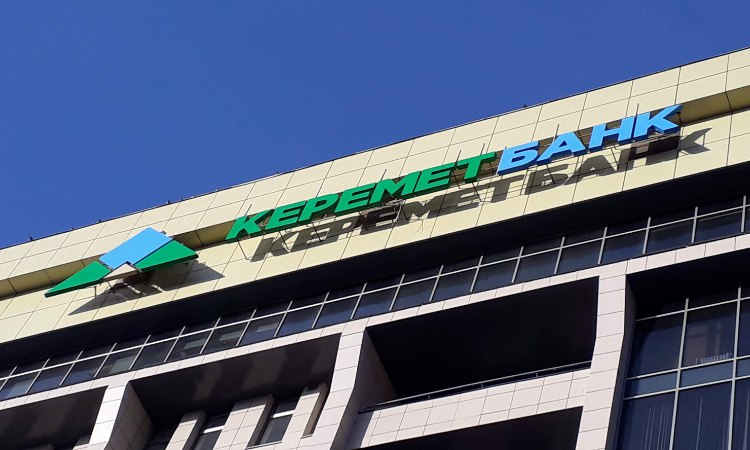
The U.S. Treasury Department has uncovered a secret channel allegedly used to re-export dual-use goods and imposed sanctions on Kyrgyz commercial bank Keremet for its involvement in circumventing economic restrictions against Russia, according to a statement on the department’s website. U.S. officials allege that since the summer of 2024, Keremet Bank facilitated cross-border transactions for Russian financial institutions, including Promsvyazbank, which has been under U.S. sanctions since early 2022. Promsvyazbank, nationalized by Russian authorities in 2018, was sanctioned for its role in financing Russia's defense sector and supporting major defense contracts. The U.S. Treasury reports that the bank has provided billions of dollars in financial support to Russia’s military-industrial complex. The Treasury Department’s report also claims that the Kyrgyz Ministry of Finance sold a controlling stake in Keremet Bank in 2024 to a firm closely linked to a Russian oligarch with ties to the Kremlin. According to the U.S., the acquisition aimed to create a financial hub to evade sanctions, enabling payments for imports and exports. Further allegations suggest that Moldovan opposition politician Ilan Shor, who is himself under U.S. sanctions, discussed a sanctions evasion scheme involving Keremet Bank with Russian representatives. Keremet Bank has denied these claims, stating that it has already appealed to the U.S. Treasury’s Office of Foreign Assets Control (OFAC) to have the sanctions lifted. “The bank operates in accordance with national legislation and international law, adhering to the principles of transparency and responsibility,” the bank said in its response, published on its official website. Keremet further emphasized that the sanctions will not impact its operations and expressed readiness to undergo an international audit to clarify the situation.