• KGS/USD = 0.01144 0%
  • KZT/USD = 0.00212 0%
  • TJS/USD = 0.10523 0%
  • UZS/USD = 0.00008 0%
  • TMT/USD = 0.28530 0%
  • KGS/USD = 0.01144 0%
  • KZT/USD = 0.00212 0%
  • TJS/USD = 0.10523 0%
  • UZS/USD = 0.00008 0%
  • TMT/USD = 0.28530 0%
  • KGS/USD = 0.01144 0%
  • KZT/USD = 0.00212 0%
  • TJS/USD = 0.10523 0%
  • UZS/USD = 0.00008 0%
  • TMT/USD = 0.28530 0%
  • KGS/USD = 0.01144 0%
  • KZT/USD = 0.00212 0%
  • TJS/USD = 0.10523 0%
  • UZS/USD = 0.00008 0%
  • TMT/USD = 0.28530 0%
  • KGS/USD = 0.01144 0%
  • KZT/USD = 0.00212 0%
  • TJS/USD = 0.10523 0%
  • UZS/USD = 0.00008 0%
  • TMT/USD = 0.28530 0%
  • KGS/USD = 0.01144 0%
  • KZT/USD = 0.00212 0%
  • TJS/USD = 0.10523 0%
  • UZS/USD = 0.00008 0%
  • TMT/USD = 0.28530 0%
  • KGS/USD = 0.01144 0%
  • KZT/USD = 0.00212 0%
  • TJS/USD = 0.10523 0%
  • UZS/USD = 0.00008 0%
  • TMT/USD = 0.28530 0%
  • KGS/USD = 0.01144 0%
  • KZT/USD = 0.00212 0%
  • TJS/USD = 0.10523 0%
  • UZS/USD = 0.00008 0%
  • TMT/USD = 0.28530 0%

Viewing results 1051 - 1056 of 3264

Kyrgyz Businesses and Government Meet to Discuss New Tax Initiative

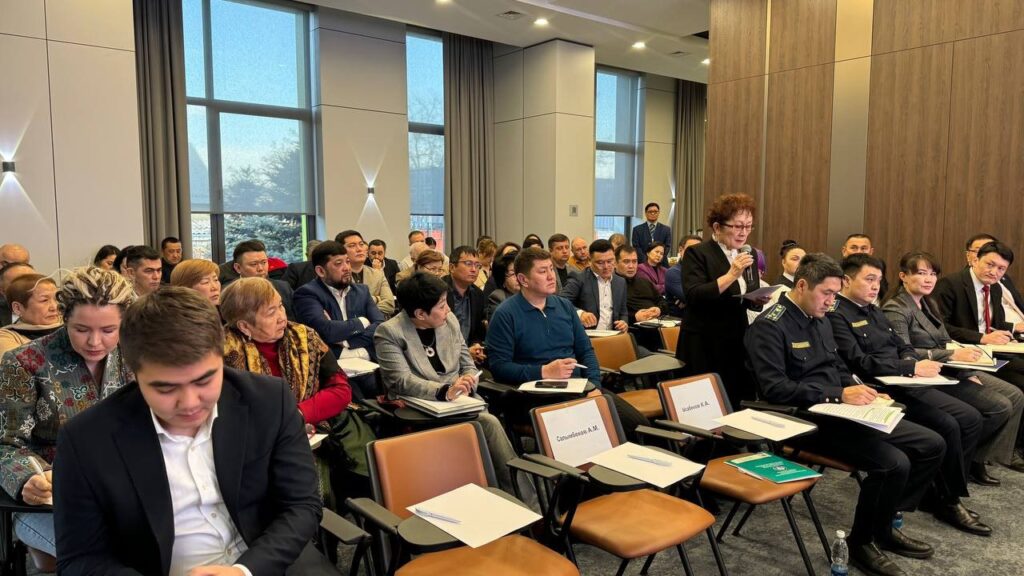
Government officials, members of parliament, and entrepreneurs gathered at one of Kyrgyzstan’s largest business associations to discuss pressing issues affecting the country’s business environment, including taxation and efforts to streamline processes for entrepreneurs. The primary focus of the meeting was the introduction of the electronic bills of lading (EBL) system. The Times of Central Asia has previously reported on the challenges businesses face with this new system. The State Tax Service (STS) has pledged to revise the EBL system by the end of the month to address concerns raised by the business community. Almambet Shykmamatov, head of the STS, acknowledged that authorities had rushed the implementation of the EBL system without adequately considering the interests of businesses. “We understand that the market is a complex system that cannot be changed overnight. We are committed to dialogue and compromise. Our goal is not only to regulate but also to support businesses. That’s why continuous engagement with the business community is essential,” Shykmamatov stated. Beyond electronic bills of lading, entrepreneurs raised concerns over the lack of preventive measures in Kyrgyzstan’s system of fines. Akzhol Isayev, general director of Dordoi Security, highlighted that unlike Russia and Kazakhstan, which have legal provisions for issuing warnings, Kyrgyzstan imposes penalties without warnings. “Kyrgyzstan has 11 articles with fines, but none that provide for warnings,” Isayev explained. He also noted that some fines, which can reach as high as one million KGS (approximately $12,000), often lead to business closures or encourage corruption. Shykmamatov admitted that excessive tax pressure can harm the business environment. Consequently, participants decided to establish a working group to review and reform the system of penalties, aiming for a more business-friendly approach. Sergei Ponomarev, president of the Association of Markets, Trade, and Services Enterprises, emphasized that protecting private property is critical for attracting investment. However, he warned that businesses in Kyrgyzstan are hesitant to invest in real estate due to legal uncertainties. “An entrepreneur might honestly purchase property, invest in it, and create jobs, only to later discover that the land was acquired illegally 30 years ago. This uncertainty makes businesses afraid to commit to long-term projects,” Ponomarev said. To address this issue, the business community has proposed the introduction of a statute of limitations for real estate transactions. “It’s encouraging when the state not only listens to our problems but also offers constructive solutions. I am confident that this approach will improve the investment climate and raise the standard of living for our citizens,” Ponomarev added. The STS noted that similar meetings have been held with representatives of logistics companies, the Chamber of Commerce and Industry, and the American Chamber of Commerce in Kyrgyzstan.
Kazakhstan Ships First Batch of Kashagan Oil to Baku

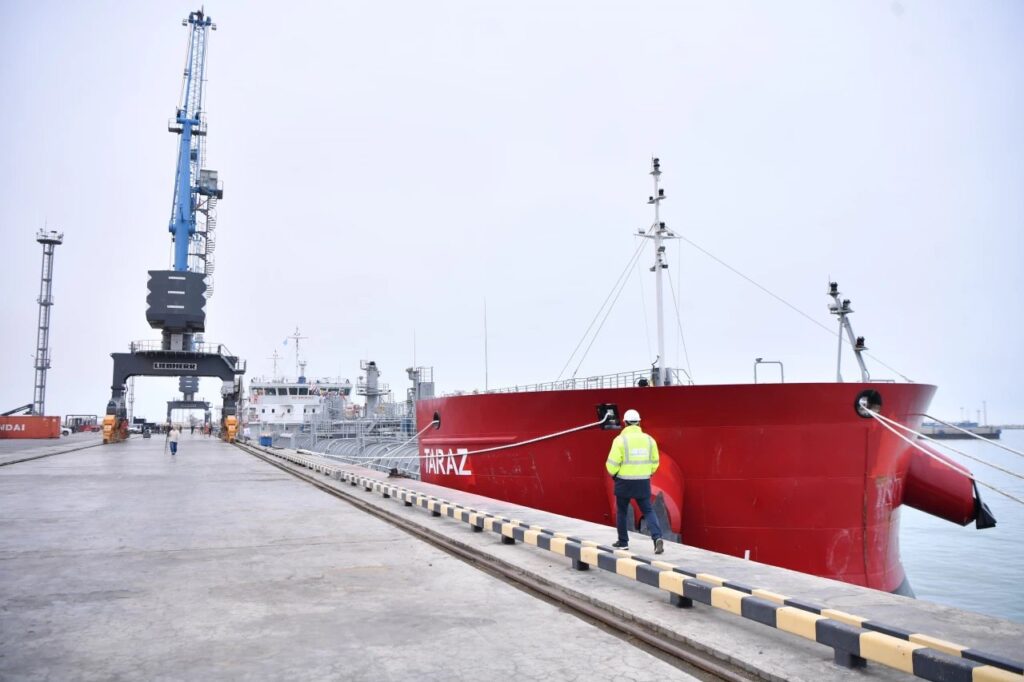
Kazakhstan has shipped its first batch of oil from the Kashagan field to the Azerbaijani port of Baku, marking a significant step in the country’s efforts to diversify its export routes. The shipment was confirmed by the national oil company KazMunayGas (KMG). The tanker Taraz, carrying Kashagan oil, departed from the port of Aktau and is en route to Azerbaijan. Upon arrival in Baku, the oil will be transported via the Baku-Tbilisi-Ceyhan (BTC) pipeline system to the Mediterranean Sea. The export operation is being carried out by KMG Kashagan B.V., a subsidiary of JSC NC KazMunayGas, which manages Kazakhstan’s share in the North Caspian Production Sharing Agreement (PSA). This initiative aligns with Kazakh President Kassym-Jomart Tokayev’s directive for KazMunayGas to develop alternative hydrocarbon export routes. The shipment also advances the development of the Trans-Caspian International Transportation Route, a vital corridor for Kazakhstan’s oil exports. In 2022, KazMunayGas and Azerbaijan’s state oil company SOCAR signed a general agreement to enable the transit of Kazakh oil. In March 2024, the two parties finalized plans for a phased increase in deliveries through Azerbaijan. Under the agreement, annual transit volumes are expected to reach 2.2 million tons. KMG Kashagan B.V., which holds a 16.88% stake in the North Caspian PSA, represents Kazakhstan’s interests in the North Caspian Project (NCP). The company is responsible for the exploration and production of hydrocarbons in the Caspian Sea, as well as the independent transportation and sale of its production share under the PSA’s terms. Energy analysts highlight that diversifying export routes will help Kazakhstan reduce its reliance on traditional oil supply corridors, thereby increasing flexibility and resilience in the face of global market volatility.

Uzbekistan and Kyrgyzstan Leaders Discuss Regional Cooperation and Tourism Development

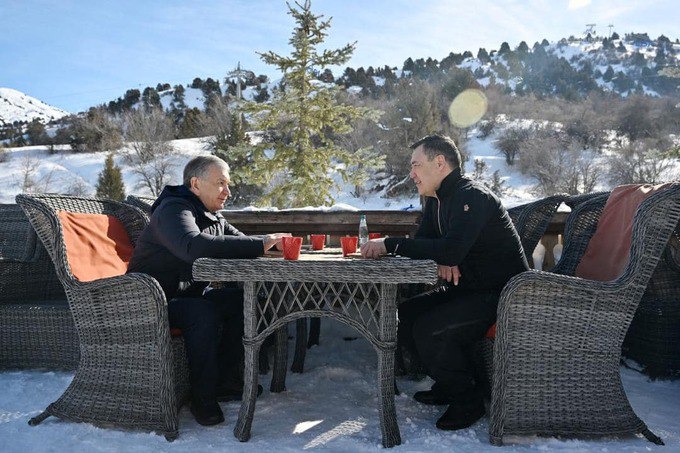
On January 25, Kyrgyz President Sadyr Japarov paid a visit to Uzbekistan, where he held an informal meeting with Uzbek President Shavkat Mirziyoyev at the Amirsoy resort complex in the Tashkent region. During their meeting, the two leaders discussed a range of topics, including bilateral relations, regional cooperation, and international politics. The relaxed setting allowed for a candid exchange of ideas about enhancing collaboration between the neighboring countries. President Japarov commended the modern infrastructure of the Amirsoy ski resort, describing it as meeting international standards. Both leaders expressed a shared vision for developing joint tourism projects that capitalize on the unique natural landscapes of Uzbekistan and Kyrgyzstan. This cooperation, they noted, could help create resort and recreation centers in both countries, boosting tourism and local economies. President Japarov shared his impressions of Amirsoy in a Facebook post, accompanied by aerial photographs of the resort. Reflecting on Kyrgyzstan's missed opportunities in tourism development, he wrote: “Mountains occupy 94% of the territory of our country. Each of our seven regions could have such resorts. But we hardly have them. Why? Because since we gained independence, from ordinary people to presidents, we have only been engaged in politics. Every day we held meetings, and every day there were weddings. We did not pay attention to the economy, tourism, and other important areas.” Japarov praised Mirziyoyev's efforts in building Amirsoy from scratch, highlighting its economic and social benefits. “Looking at the Amirsoy ski resort, I was amazed. My colleague Shavkat Mirziyoyev built this resort from scratch. No problem. Blessed. How many people are employed? Millions of tourists come here to relax. The level of service is not inferior to that of Europe. Everything is at a high level,” Japarov wrote. The informal meeting highlights the strengthening relationship between Uzbekistan and Kyrgyzstan, as both countries seek to enhance cooperation in various fields, including tourism, economic development, and regional stability.

Uzbekistan Extends Agreement on Hairaton-Mazar-e-Sharif Railway with Afghanistan

Uzbekistan has reached an agreement with Afghanistan's Taliban interim government to extend the contract for operating and maintaining the Hairaton-Mazar-e-Sharif railway. Uzbekistan’s Minister of Transport, Ilhom Mahkamov, met with Mohammad Ishaq Sahibzada, Afghanistan’s Deputy Minister of Public Works for Railways, during talks held in Tashkent from January 21 to 23. Uzbekistan's Ministry of Transport agreement has confirmed the agreement. The meetings, chaired by Mahkamov, focused on accelerating the construction of the Trans-Afghan Railway project and planning the next stages of work. Both sides emphasized the importance of enhancing regional connectivity and ensuring the smooth operation of the existing railway infrastructure. Under the extended agreement, Sogdiana Trans LLC, a subsidiary of Uzbekistan Railways Joint Stock Company, will continue managing the Hairaton-Mazar-e-Sharif railway. This railway, constructed in 2010 for $129 million, has been operated by Sogdiana Trans since its completion. In August 2024, the Naibabad railway station — part of the Hairaton-Naibabad-Mazar-e-Sharif railway line — was reopened after restoration. The work was carried out by Sogdiana Trans in collaboration with the Termez Regional Railway Hub under a contract with the Afghan Railways Administration. Despite a 2022 proposal from Afghan authorities to transfer the railway’s management to local companies to reduce operational costs, the plan wasn't implemented. In 2024, the Hairaton-Mazar-e-Sharif railway facilitated the transport of 4,200 containers of goods between Afghanistan and China, according to the Afghan Ministry of Public Works. The Hairaton-Mazar-e-Sharif railway forms a critical part of the China-Kyrgyzstan-Uzbekistan-Afghanistan railway corridor. The corridor’s capacity is expected to expand significantly following the completion of the China-Kyrgyzstan-Uzbekistan railway. Currently, neither Kyrgyzstan nor Uzbekistan has a direct rail connection to China, with Central Asia’s rail access to China limited to a route through Kazakhstan. Construction of the China-Kyrgyzstan-Uzbekistan railway officially began on December 27, 2024. The 523-kilometer route will run from Kashgar (China) through Torugart, Makmal, and Jalal-Abad (Kyrgyzstan), before reaching Andijan (Uzbekistan). Once operational, the railway is expected to handle up to 15 million tons of cargo annually, creating a vital new trade link across the region. This agreement between Uzbekistan and Afghanistan secures the continued operation of the Hairaton-Mazar-e-Sharif railway and reinforces Uzbekistan’s commitment to regional cooperation and infrastructure development. These efforts aim to boost trade, connectivity, and economic opportunities across Central and South Asia.

New Labor Code Comes Into Force in Kyrgyzstan

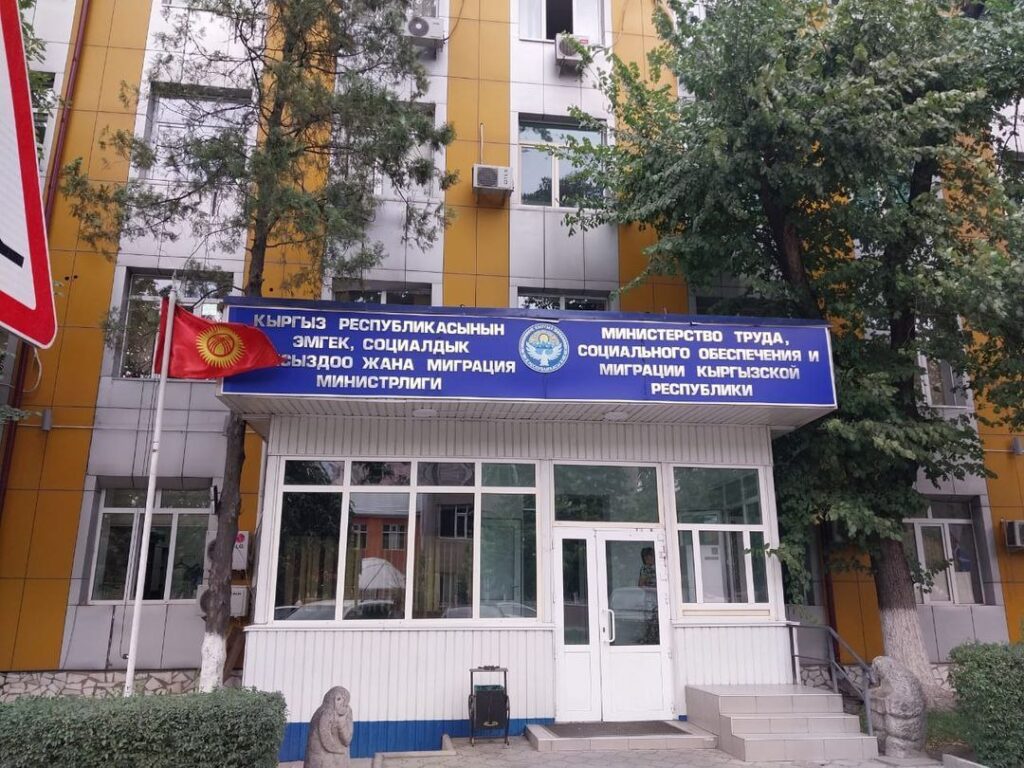
A new Labor Code has been implemented in Kyrgyzstan, introducing significant changes to labor relations in the country. The updated code includes provisions for remote work, digital labor records, and streamlined labor contracts. Additionally, relations between employees and employers will now be regulated by a separate law, “On Social Partnership.” President Sadyr Japarov signed the new Labor Code into law following its approval by Kyrgyzstan’s parliament. The reforms aim to modernize the nation’s labor practices by accelerating the digitalization of processes. Under the new code, paper labor contracts are no longer mandatory. Instead, electronic contracts will suffice for official use and inspection purposes. One of the notable provisions in the code allows for remote and hybrid work arrangements. “The labor contract, by agreement of the parties, may establish both remote work and combined remote work,” states the law, marking a shift toward more flexible employment practices. The reforms also address labor books, which traditionally served as a lifelong record of an individual’s work history. Citizens now have the option to use digital labor books, though paper versions remain valid. However, the exact platform or system for storing the digital data has yet to be determined. Another change eliminates the longstanding practice of shifting days off to accommodate public holidays. Previously, the Ministry of Labor, Social Security, and Migration could declare surrounding weekdays as non-working days. Under the new code, this practice has been discontinued, reducing the total number of non-working holidays. The Labor Code introduces several worker protections. Employers are now required to provide lump-sum benefits in the event of labor-related injuries or the death of an employee. A single penalty rate of 0.25% has been established for late payments of wages, vacation pay, severance pay, and other compensation. Employees will also have a three-year limitation period to file wage-related disputes. Additionally, the code prohibits the employment of pregnant women and nursing mothers in hazardous or physically demanding jobs, further strengthening workplace protections for vulnerable groups. These reforms are expected to streamline labor relations, improve worker protections, and align Kyrgyzstan’s labor policies with modern international standards.

Chinese Company to Develop Low-Altitude Technologies and Intelligent Manufacturing in Kazakhstan

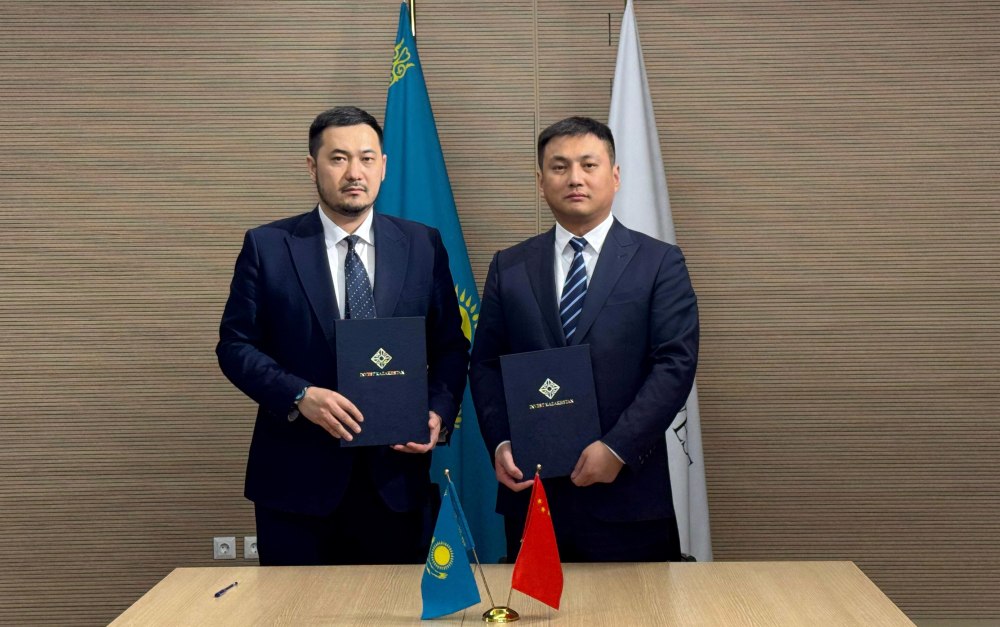
Kazakh Invest, Kazakhstan’s national investment company, has signed a memorandum of understanding (MoU) with China's Polyking New Horizons Technology Industry Co. Ltd. The agreement focuses on collaboration in the emerging field of low-altitude economy and intelligent manufacturing. As part of the partnership, the companies plan to establish an industrial park in Kazakhstan, which will integrate drone technologies, smart city solutions, and advanced manufacturing systems. The $200 million project is expected to create 1,000 new jobs, according to Kazakh Invest. Expanding High-Tech Opportunities The MoU also includes provisions for developing projects in the chemical industry and innovative technologies. These initiatives aim to strengthen Kazakhstan's position as a hub for high-tech production and innovation in Central Asia. Azamat Kozhanov, Managing Director of Kazakh Invest, highlighted the vast potential for low-altitude technologies in various sectors, including agriculture, energy, construction, and infrastructure management. “The advanced technologies and expertise of Polyking will bring new momentum to the development of this field in Kazakhstan,” Kozhanov stated. He also noted the significant economic opportunity tied to this sector, adding: “By 2050, the global low-altitude economy market is expected to reach $8.8 trillion. Therefore, we are actively creating platforms to develop new industries and providing comprehensive support.” Broader Trends in Low-Altitude Technology Kazakhstan has already taken steps to integrate drone production into its economy. The Times of Central Asia recently reported on a $12 million project by Yesil Technology Company, a subsidiary of China’s Shaanxi Kaizhuo Electronic Technology Co. Ltd., to establish an industrial drone manufacturing facility in the country. This collaboration underscores Kazakhstan’s strategic focus on becoming a leader in the low-altitude economy, a field that includes drones, unmanned aerial vehicles (UAVs), and other advanced technologies that operate at low altitudes. The partnership between Kazakh Invest and Polyking New Horizons Technology marks another milestone in Kazakhstan’s push to diversify its economy through high-tech industries. The planned industrial park, along with complementary projects like drone manufacturing, positions Kazakhstan to capitalize on the growing global market for low-altitude technologies and intelligent manufacturing. If successfully implemented, these initiatives could transform the country into a regional leader in cutting-edge technology and innovation.