• KGS/USD = 0.01144 0%
  • KZT/USD = 0.00207 0%
  • TJS/USD = 0.10407 -0.29%
  • UZS/USD = 0.00008 0%
  • TMT/USD = 0.28571 0%
  • KGS/USD = 0.01144 0%
  • KZT/USD = 0.00207 0%
  • TJS/USD = 0.10407 -0.29%
  • UZS/USD = 0.00008 0%
  • TMT/USD = 0.28571 0%
  • KGS/USD = 0.01144 0%
  • KZT/USD = 0.00207 0%
  • TJS/USD = 0.10407 -0.29%
  • UZS/USD = 0.00008 0%
  • TMT/USD = 0.28571 0%
  • KGS/USD = 0.01144 0%
  • KZT/USD = 0.00207 0%
  • TJS/USD = 0.10407 -0.29%
  • UZS/USD = 0.00008 0%
  • TMT/USD = 0.28571 0%
  • KGS/USD = 0.01144 0%
  • KZT/USD = 0.00207 0%
  • TJS/USD = 0.10407 -0.29%
  • UZS/USD = 0.00008 0%
  • TMT/USD = 0.28571 0%
  • KGS/USD = 0.01144 0%
  • KZT/USD = 0.00207 0%
  • TJS/USD = 0.10407 -0.29%
  • UZS/USD = 0.00008 0%
  • TMT/USD = 0.28571 0%
  • KGS/USD = 0.01144 0%
  • KZT/USD = 0.00207 0%
  • TJS/USD = 0.10407 -0.29%
  • UZS/USD = 0.00008 0%
  • TMT/USD = 0.28571 0%
  • KGS/USD = 0.01144 0%
  • KZT/USD = 0.00207 0%
  • TJS/USD = 0.10407 -0.29%
  • UZS/USD = 0.00008 0%
  • TMT/USD = 0.28571 0%

Viewing results 31 - 36 of 3124

Kazakhstan’s Domestic Trade Growth Slows as Consumer Demand Weakens

The growth of domestic trade in Kazakhstan slowed markedly in early 2026, reinforcing signs of weakening consumer activity and increased business caution. According to the National Statistics Bureau, the trade sector expanded by only 3.4% in January–February, compared with 6% during the same period a year earlier. Growth slowed significantly, affecting both wholesale and retail trade. Analysts at Halyk Finance believe the trend reflects deeper economic processes rather than a short-term fluctuation. “The dynamics at the start of the year point to a cooling of aggregate demand and economic activity,” Halyk Finance said. Wholesale trade, a key indicator of business activity, showed the most pronounced slowdown. Growth fell to 3.8%, down from 6.6% a year earlier. In the first two months of the year, the volume of wholesale transactions reached $9.6 billion. However, the structure of trade indicates a predominance of non-food and industrial goods, reflecting weaker corporate demand. Experts also note that declining oil production has exerted additional pressure on the sector, directly affecting wholesale sales volumes. The situation in retail trade remains mixed. Overall growth stood at 2.6%, driven largely by large retail chains. Sales in organized retail increased by 3.7%, while turnover among individual entrepreneurs and traditional markets continued to decline, falling by 1%. This trend reflects ongoing structural changes in the sector. The market is gradually shifting in favor of large retail players, while small businesses face growing competitive pressure. Changes in consumer spending patterns are also evident. Sales of food products rose by 9.1%, whereas non-food sales increased by only 0.2%, despite accounting for the majority of retail turnover. This suggests that households are becoming more cautious, focusing spending on essential goods and postponing purchases of more expensive items. Another indicator of weakening demand is the rise in inventory levels. As of early March, inventories totaled approximately $2.5 billion, equivalent to around 77 days of sales. Combined with slower turnover, this points to a softening of consumer demand. Overall, analysts note that domestic trade continues to grow, but the pace of expansion is slowing and becoming less sustainable. Business activity remains subdued, consumers are saving more, and the market is gradually shifting toward more formal retail participants. The Times of Central Asia previously reported that the government is considering support measures for key sectors, including dairy and baking, in an effort to curb inflation and sustain demand.
Kyrgyzstan Moves to Expand Organic Farming but Certification Barriers Limit Exports

Kyrgyzstan is stepping up efforts to expand organic agriculture, but limited access to international certification continues to pose a major obstacle to export growth. The country currently has nine agricultural cooperatives and 30 organic farmland plots covering about 61,500 hectares. Certified organic land accounts for just over 5% of total arable land. Cooperatives operating under international standards produce crops such as cotton, herbs, apricots, and grains for export to more than 30 countries. Smaller farms, however, often rely on the Participatory Guarantee System (PGS), a low-cost, community-based certification model mainly used for domestic markets. Despite strong potential for high-value organic products, including berries and vegetables, obtaining international certification remains costly and administratively complex for small producers. To address these challenges, the government adopted a development programme for 2025-2029. The strategy aims to expand organic farmland to 200,000 hectares, transition the Issyk-Kul and Naryn regions toward predominantly organic production, and increase the share of organic products to 25% of both total agricultural output and exports. Officials view organic farming as an important tool for sustainable rural development. However, further expansion of the sector will depend largely on improving access to internationally recognized certification systems.

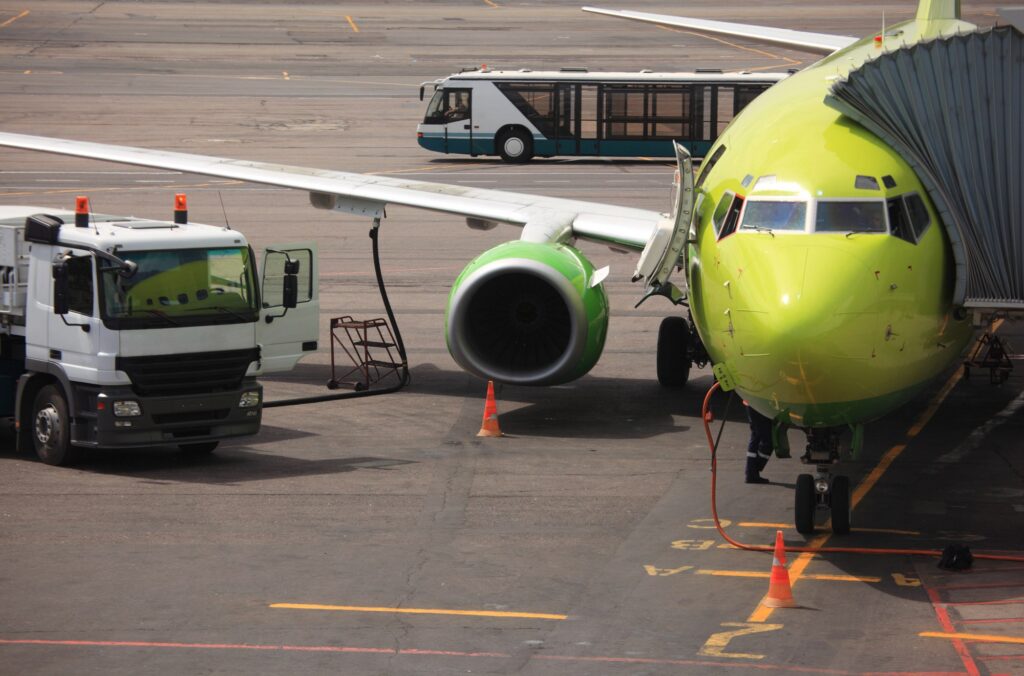
Jet Fuel Shortages Threaten Kazakhstan’s Aviation Growth Despite Expansion Plans

Kazakhstan’s aviation industry is demonstrating steady growth. By the end of 2025, the country’s airports had served 31.8 million passengers, up from 29.7 million in 2024, and handled 173,300 tons of cargo compared with 170,900 tons a year earlier. Total airline passenger traffic reached 20.7 million, and more than 35 new international routes were launched. The government plans to expand regional transport links and attract investment into the aviation sector. It also aims to increase the number of international routes. The industry is working to develop airport hubs and accommodate growing passenger demand, while positioning Kazakhstan as a transit country. These plans will depend in part on the availability of aviation fuel. Shortages of aviation kerosene in Kazakhstan have moved beyond an industry concern and are becoming an issue of energy and transport policy, as well as a potential source of economic risk. Despite being one of the world’s major oil producers, Kazakhstan continues to rely on imports of petroleum products. Of roughly 100 million tons of oil produced annually, only about 18 million tons are refined domestically. Although refining volumes and petroleum product output increased in 2025, the country still imports diesel and jet fuel at higher prices. According to Argus data, the cost of imported jet fuel at the Russian-Kazakh border averaged $765 per ton at the beginning of 2025. By early summer, the price had fallen to $610 per ton, before rising by nearly 60% in November to $975 per ton, excluding VAT. In 2026, the domestic supply situation may become more complicated. In addition to volatility in global markets, including tensions in the Middle East, scheduled maintenance shutdowns at oil refineries are expected to affect output. This year, all three major refineries, Atyrau Oil Refinery, Pavlodar Petrochemical Plant, and PetroKazakhstan Oil Products, are scheduled for maintenance, which will temporarily reduce fuel production. According to data provided by the national oil and gas company KazMunayGas, Kazakhstan’s refineries produced 726,000 tons of jet fuel last year. Under the Ministry of Economy’s indicative plan, output is expected to reach 750,000 tons in 2026. Demand for jet fuel is rising due to the active development of the air transport market and an increase in flight frequency. KazMunayGas is implementing measures to expand production and introduce new technologies. By 2030, refinery modernization is expected to increase jet fuel output. Deputy Minister of Energy Kaiyrkhan Tutkyshbaev told The Times of Central Asia that plans are being considered to increase jet fuel production from the current 0.7 million tons to 1.7 million tons per year through phased refinery capacity expansion from 17 million to 27.7 million tons by 2030. This includes expanding the Shymkent refinery from 6 million to 12 million tons of crude per year, the Pavlodar refinery from 5.5 million to 9 million tons in two phases and increasing secondary refining capacity at the Atyrau refinery by 0.7-1.2 million tons. Additionally, domestic jet fuel production is expected to grow by 50,000 tons annually between 2026 and 2028. With consumption projected at 1.18...

Kazakhstan Maintains Meat Exports to the UAE and Plans to Increase Shipments

Kazakhstani producers continue to export meat products to the United Arab Emirates despite logistical complications caused by the conflict in the Middle East. Shipments are also expected to increase, according to Kazakhstan’s Ministry of Trade and Integration. Military developments in the region, including hostilities affecting Iranian territory since February 28, have disrupted logistics for several Central Asian countries. Nevertheless, Kazakhstani exporters have managed to maintain their presence in Middle Eastern markets. According to the ministry, seven tons of chilled lamb were exported to the UAE over the past week. Deliveries are being carried out with the support of the ministry and the national export development operator QazTrade. Authorities aim to raise lamb exports to a regular level of ten tons per week. Shipments are taking place amid ongoing challenges in international logistics in the Persian Gulf region. International carriers report that restrictions on air traffic and disruptions to certain transport routes continue to affect cargo transport, particularly for perishable goods. To ensure stable exports, government agencies have strengthened cooperation with industry associations, including the Union of Livestock Breeders of Kazakhstan, the Union of Poultry Breeders of Kazakhstan, and the National Association of Meat Processors. The ministry states that Kazakhstan fully meets domestic demand for meat products. Export deliveries are carried out using surplus production volumes, enabling farmers to expand their access to foreign markets. A significant share of the food market in Gulf countries relies on imports. According to estimates by international organizations, up to 85-90% of food products in the UAE are imported. By the end of 2025, Kazakhstan’s total exports to the UAE amounted to $132.9 million. Mutton accounted for about 55% of food exports. Kazakhstan has been supplying mutton to the UAE market since 2021. In recent years, the country has actively expanded food exports to Middle Eastern markets, including shipments of grain, flour, vegetable oils, and meat products. According to Kazakhstan’s Ministry of Agriculture, by the end of the 2024/2025 marketing year (September-August), exports of grain and flour in grain equivalent reached 15.3 million tons, 60% higher than the previous year. In the current marketing year, shipments of grain and flour from the new harvest have already reached 8.5 million tons, representing a 14% increase compared with the same period in 2025.

Tokayev Criticizes Banks Over Slow Adoption of Kazakhstan’s Digital Financial Infrastructure

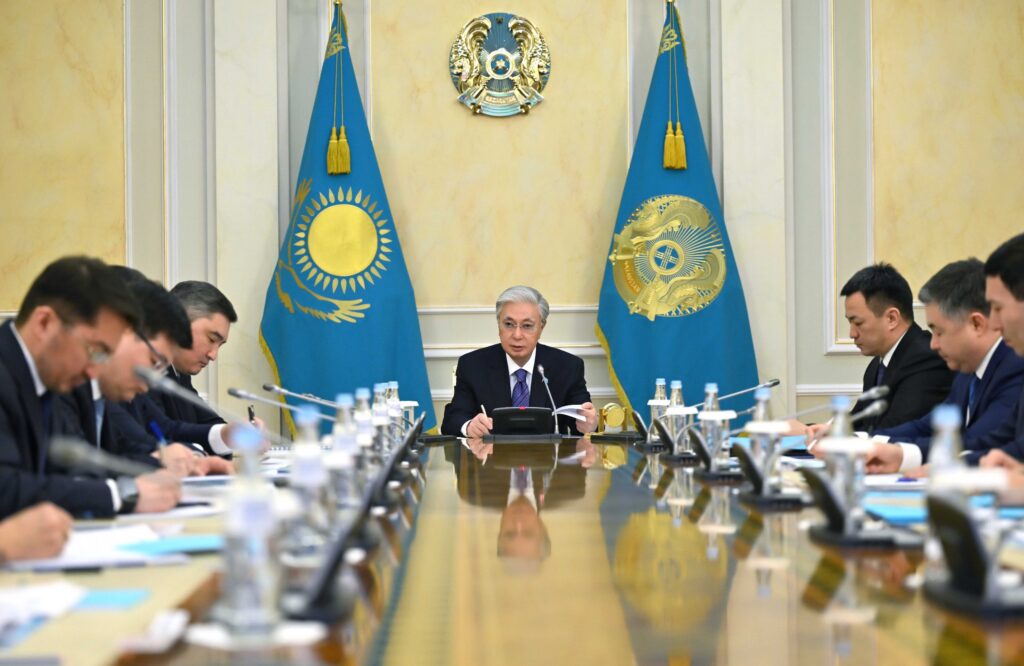
Kazakhstan’s President Kassym-Jomart Tokayev has criticized the country’s banks for their slow adoption of state-developed digital financial infrastructure. He made the remarks during a meeting on the implementation of the Digital Qazaqstan project. During the meeting, the heads of ministries and government agencies presented reports on the rollout of digital solutions in public administration and the economy. In his comments, the president stressed the need for more active deployment of artificial intelligence in industry, as well as progress in developing digital payment infrastructure. According to Tokayev, the National Bank has already created a digital financial ecosystem that includes interbank QR payments and transfers, as well as settlements using the digital tenge. “This significantly reduces costs by shortening the chain of payment intermediaries. The requirement for all banks to connect to this infrastructure is enshrined in law, but the largest banks are delaying compliance,” the president said. Since September 2025, a unified QR code system for interbank payments has been operating in Kazakhstan. The service allows users to pay for goods and services through mobile banking applications. Customers simply scan a QR code at a merchant’s terminal and confirm the transaction. Initially, the service was available to clients of three banks. At present, 15 banks have signed participation agreements, although only six have completed technical integration with the system. The remaining institutions are required to connect by July 18, 2026. Speaking in November 2025, National Bank Chairman Timur Suleimenov said the rollout had been slowed by both technical and market issues, adding that large financial ecosystems were reluctant to share payment traffic. He also described the digital tenge as a tool for transparency and control in public spending rather than a competitor to commercial banks’ own payment products. Tokayev also emphasized that the widespread adoption of artificial intelligence technologies in the real economy is a strategic priority. He linked this goal to the country’s technological sovereignty and called for accelerating the digitalization of the state apparatus. According to the president, more than 90% of public services in Kazakhstan have already been moved online, yet many government information systems remain insufficiently integrated. “Speed and quality must be the priority at every stage. It is data that needs to flow, not people,” Tokayev said. He added that digital transformation is incompatible with outdated bureaucratic practices. “Digitalization and bureaucracy are as incompatible as ice and fire. We cannot force modern technologies to fit into old administrative models,” the president stated. Tokayev also expressed concern about the pace of Kazakhstan’s digital transformation. “I read news about the development of artificial intelligence; it is advancing so rapidly that I am becoming anxious about Kazakhstan’s digital future. It seems to me that the digitalization process is slowing down,” he noted. The Times of Central Asia previously reported that the adoption of artificial intelligence technologies in the financial sector across Central Asia remains uneven, although Kazakhstan is currently regarded as the regional leader.

Uzbekistan to Borrow $400 Million to Accelerate Agricultural Mechanization

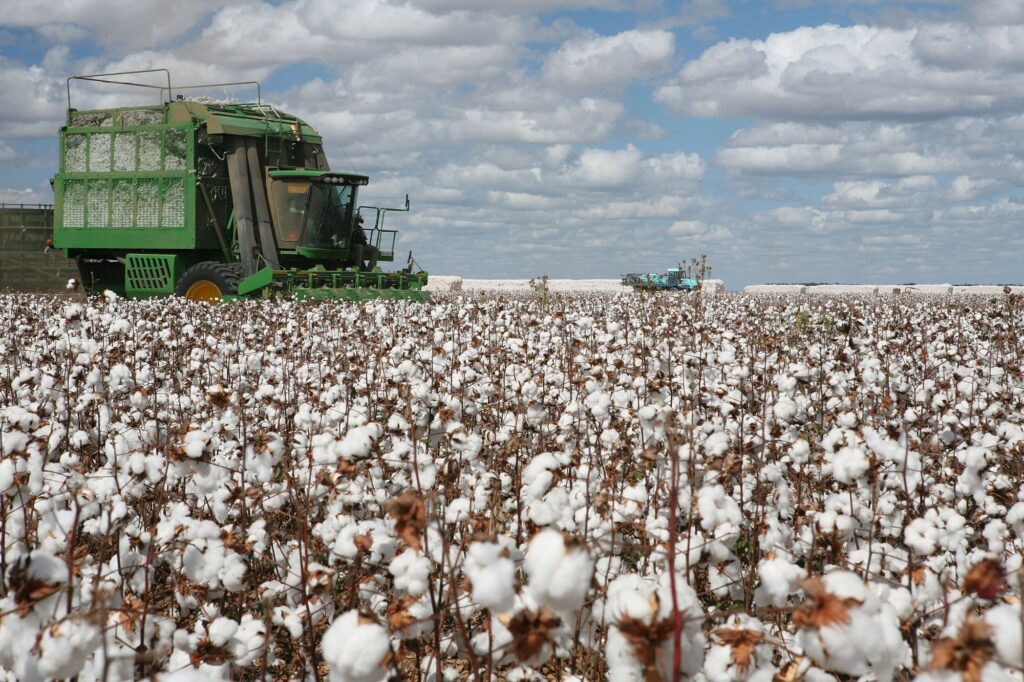
Uzbekistan has approved a plan to attract up to $400 million in foreign loans to finance the purchase of agricultural machinery and equipment, according to a presidential decree signed on March 13. The initiative is intended to increase the level of mechanization in the agricultural sector, with particular emphasis on cotton harvesting. Officials have set a target of achieving a 70% share of machine-assisted cotton picking in 2026, aiming to improve efficiency and reduce labor intensity. Under the decree, commercial banks will distribute foreign credit lines provided under state guarantees to farmers and agricultural enterprises. The loans will have a maturity period of up to 10 years, including a two-year grace period. Interest rates will be set at the Central Bank’s base rate plus a 4% margin charged by participating banks. Payments for cotton and grain harvesters supplied through these preferential loans and leasing arrangements in 2026 will be scheduled twice a year, on January 31 and July 31. Uzbekistan has officially abolished Soviet-era practices of forced labor and eliminated state cotton production quotas in 2020. The government has also cooperated with the International Labour Organization to monitor labor conditions in the sector. In March 2022, the international coalition Cotton Campaign lifted its boycott of Uzbek cotton, citing the elimination of systemic forced labor that had previously prompted more than 330 global brands to avoid sourcing from the country.