• KGS/USD = 0.01144 0%
  • KZT/USD = 0.00211 0%
  • TJS/USD = 0.10803 0%
  • UZS/USD = 0.00008 0%
  • TMT/USD = 0.28571 0%
  • KGS/USD = 0.01144 0%
  • KZT/USD = 0.00211 0%
  • TJS/USD = 0.10803 0%
  • UZS/USD = 0.00008 0%
  • TMT/USD = 0.28571 0%
  • KGS/USD = 0.01144 0%
  • KZT/USD = 0.00211 0%
  • TJS/USD = 0.10803 0%
  • UZS/USD = 0.00008 0%
  • TMT/USD = 0.28571 0%
  • KGS/USD = 0.01144 0%
  • KZT/USD = 0.00211 0%
  • TJS/USD = 0.10803 0%
  • UZS/USD = 0.00008 0%
  • TMT/USD = 0.28571 0%
  • KGS/USD = 0.01144 0%
  • KZT/USD = 0.00211 0%
  • TJS/USD = 0.10803 0%
  • UZS/USD = 0.00008 0%
  • TMT/USD = 0.28571 0%
  • KGS/USD = 0.01144 0%
  • KZT/USD = 0.00211 0%
  • TJS/USD = 0.10803 0%
  • UZS/USD = 0.00008 0%
  • TMT/USD = 0.28571 0%
  • KGS/USD = 0.01144 0%
  • KZT/USD = 0.00211 0%
  • TJS/USD = 0.10803 0%
  • UZS/USD = 0.00008 0%
  • TMT/USD = 0.28571 0%
  • KGS/USD = 0.01144 0%
  • KZT/USD = 0.00211 0%
  • TJS/USD = 0.10803 0%
  • UZS/USD = 0.00008 0%
  • TMT/USD = 0.28571 0%

Viewing results 1 - 6 of 2

Russia’s Fuel Crisis Tests Kazakhstan’s Energy Resilience

Kazakhstan is being pulled into a new energy paradox. As Russia's fuel crisis deepens, the country is being discussed as a potential gasoline supplier to its largest neighbor. Meanwhile, Kazakhstan is tightening controls at home, building reserves around refinery maintenance, and weighing fuel imports from China to protect its own market. On June 24, Reuters reported that Russia was in talks with Kazakhstan to import about 50,000 metric tons of AI-92 gasoline, citing four industry sources. The discussions followed refinery outages and unscheduled repairs in Russia after Ukrainian drone attacks, which had led to shutdowns at several large refineries in central Russia and cut Russian gasoline output by roughly 25% year-on-year by late June. The news was striking because Russia is normally a major exporter of petroleum products. The need to consider gasoline imports, including seaborne imports and emergency market-stabilization measures, underlines the scale of disruption in Russia's refining system. Kazakhstan's Energy Minister Erlan Akkenzhenov said Astana had not received an official request from Moscow, but the question remains politically and economically sensitive for Kazakhstan: can it afford to send fuel abroad if its own margin of safety is narrowing? Officially, the domestic picture remains stable. Kazakhstan's government said on June 20 that national stocks of gasoline, diesel, and aviation fuel exceeded 1 million tons, enough to cover current demand. It said supplies were being prioritized for filling stations, agricultural producers, and domestic airlines, and that no shortage of fuels and lubricants had been observed. Yet those assurances sit alongside a more fragile structural reality. Kazakhstan's refining system depends heavily on three large refineries: Atyrau in the west, Pavlodar in the north, and Shymkent in the south. Last year, it was reported that, after modernization, the three plants had a combined annual output of about 17 million metric tons. Such a system can function efficiently when all units are operating normally, but it leaves limited room for simultaneous shocks. One of those shocks is already present. The Atyrau Oil Refinery began scheduled preventive maintenance on June 26 under a timetable approved by the Ministry of Energy. KazMunayGas said the work includes inspections of 20 reactors, 213 storage tanks, 32 columns, and 231 heat exchangers, as well as replacement of more than 335 tons of catalysts. The refinery entered maintenance with 38,000 tons of gasoline, 31,300 tons of diesel, and 6,800 tons of jet fuel. KazMunayGas said national stocks of AI-92 gasoline and diesel covered 34 and 32 days of demand, respectively, and that the phased restart of processing units was scheduled to begin on July 10. Those figures show resilience, but not abundance. Summer brings higher consumption from agriculture, passenger travel, freight, and aviation. For the government, managing this period means monitoring refinery output, shipments, inventories, and preventing fuel from leaving the country through unauthorized channels. After a June 20 meeting, Prime Minister Olzhas Bektenov ordered tighter border controls; the government said vehicles are restricted from crossing the state border by road more than once per day as part of...

Jet Fuel Shortages Threaten Kazakhstan’s Aviation Growth Despite Expansion Plans

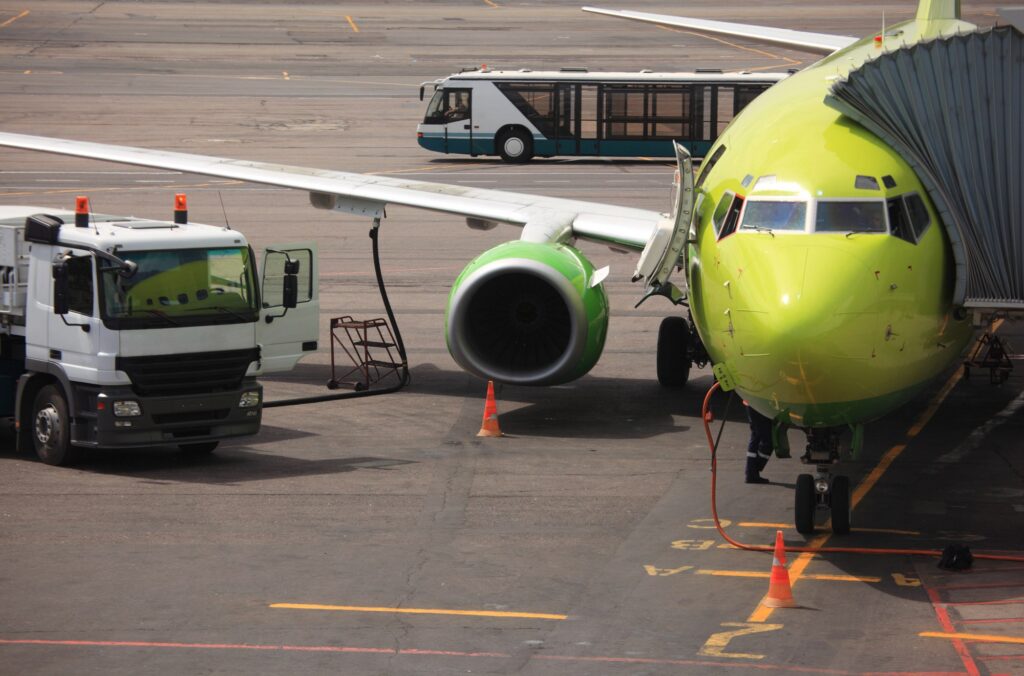
Kazakhstan’s aviation industry is demonstrating steady growth. By the end of 2025, the country’s airports had served 31.8 million passengers, up from 29.7 million in 2024, and handled 173,300 tons of cargo compared with 170,900 tons a year earlier. Total airline passenger traffic reached 20.7 million, and more than 35 new international routes were launched. The government plans to expand regional transport links and attract investment into the aviation sector. It also aims to increase the number of international routes. The industry is working to develop airport hubs and accommodate growing passenger demand, while positioning Kazakhstan as a transit country. These plans will depend in part on the availability of aviation fuel. Shortages of aviation kerosene in Kazakhstan have moved beyond an industry concern and are becoming an issue of energy and transport policy, as well as a potential source of economic risk. Despite being one of the world’s major oil producers, Kazakhstan continues to rely on imports of petroleum products. Of roughly 100 million tons of oil produced annually, only about 18 million tons are refined domestically. Although refining volumes and petroleum product output increased in 2025, the country still imports diesel and jet fuel at higher prices. According to Argus data, the cost of imported jet fuel at the Russian-Kazakh border averaged $765 per ton at the beginning of 2025. By early summer, the price had fallen to $610 per ton, before rising by nearly 60% in November to $975 per ton, excluding VAT. In 2026, the domestic supply situation may become more complicated. In addition to volatility in global markets, including tensions in the Middle East, scheduled maintenance shutdowns at oil refineries are expected to affect output. This year, all three major refineries, Atyrau Oil Refinery, Pavlodar Petrochemical Plant, and PetroKazakhstan Oil Products, are scheduled for maintenance, which will temporarily reduce fuel production. According to data provided by the national oil and gas company KazMunayGas, Kazakhstan’s refineries produced 726,000 tons of jet fuel last year. Under the Ministry of Economy’s indicative plan, output is expected to reach 750,000 tons in 2026. Demand for jet fuel is rising due to the active development of the air transport market and an increase in flight frequency. KazMunayGas is implementing measures to expand production and introduce new technologies. By 2030, refinery modernization is expected to increase jet fuel output. Deputy Minister of Energy Kaiyrkhan Tutkyshbaev told The Times of Central Asia that plans are being considered to increase jet fuel production from the current 0.7 million tons to 1.7 million tons per year through phased refinery capacity expansion from 17 million to 27.7 million tons by 2030. This includes expanding the Shymkent refinery from 6 million to 12 million tons of crude per year, the Pavlodar refinery from 5.5 million to 9 million tons in two phases and increasing secondary refining capacity at the Atyrau refinery by 0.7-1.2 million tons. Additionally, domestic jet fuel production is expected to grow by 50,000 tons annually between 2026 and 2028. With consumption projected at 1.18...