• KGS/USD = 0.01144 0%
  • KZT/USD = 0.00209 0%
  • TJS/USD = 0.10523 0%
  • UZS/USD = 0.00008 0%
  • TMT/USD = 0.28530 0%
  • KGS/USD = 0.01144 0%
  • KZT/USD = 0.00209 0%
  • TJS/USD = 0.10523 0%
  • UZS/USD = 0.00008 0%
  • TMT/USD = 0.28530 0%
  • KGS/USD = 0.01144 0%
  • KZT/USD = 0.00209 0%
  • TJS/USD = 0.10523 0%
  • UZS/USD = 0.00008 0%
  • TMT/USD = 0.28530 0%
  • KGS/USD = 0.01144 0%
  • KZT/USD = 0.00209 0%
  • TJS/USD = 0.10523 0%
  • UZS/USD = 0.00008 0%
  • TMT/USD = 0.28530 0%
  • KGS/USD = 0.01144 0%
  • KZT/USD = 0.00209 0%
  • TJS/USD = 0.10523 0%
  • UZS/USD = 0.00008 0%
  • TMT/USD = 0.28530 0%
  • KGS/USD = 0.01144 0%
  • KZT/USD = 0.00209 0%
  • TJS/USD = 0.10523 0%
  • UZS/USD = 0.00008 0%
  • TMT/USD = 0.28530 0%
  • KGS/USD = 0.01144 0%
  • KZT/USD = 0.00209 0%
  • TJS/USD = 0.10523 0%
  • UZS/USD = 0.00008 0%
  • TMT/USD = 0.28530 0%
  • KGS/USD = 0.01144 0%
  • KZT/USD = 0.00209 0%
  • TJS/USD = 0.10523 0%
  • UZS/USD = 0.00008 0%
  • TMT/USD = 0.28530 0%

Viewing results 559 - 564 of 3264

Gasoline Prices Rise in Kyrgyzstan Amid Heavy Dependence on Russian Imports

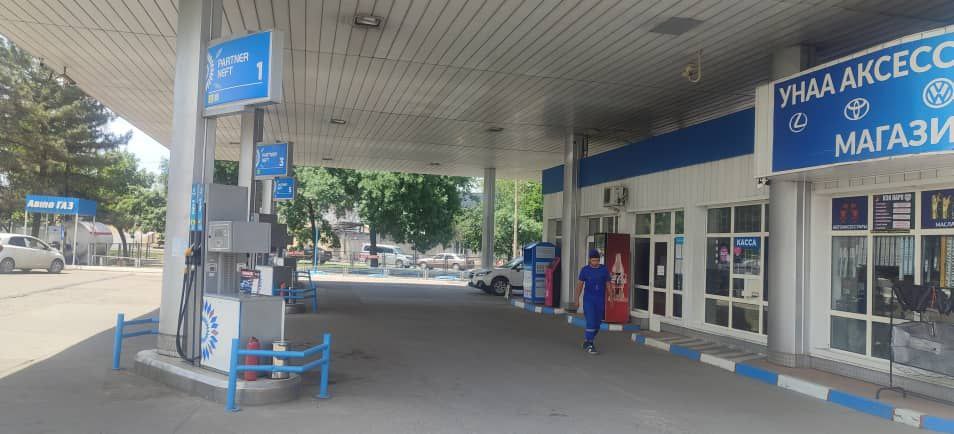
Gasoline prices in Kyrgyzstan have continued to rise in recent months, despite official assurances that fuel reserves remain sufficient. The Kyrgyz Ministry of Energy reports that domestic supplies and ongoing fuel imports from Russia are currently adequate to meet national demand. According to the ministry, Kyrgyzstan consumes approximately 1.6 million tons of fuel annually, with over 90 percent of its gasoline imported from Russia. Each year, export volumes are negotiated between Moscow and Kyrgyz oil traders. When those volumes are exhausted, prices typically begin to increase. “The agreed volumes for 2025 have not yet been fully met, but oil products are being supplied as usual and without interruption. At the same time, work is underway to agree on new volumes for 2026,” the ministry stated. Officials attribute the recent price hikes to global market trends and disruptions in Russian refinery operations. Several refineries have undergone scheduled maintenance, while others were forced to halt operations following drone attacks linked to the conflict in Ukraine. Despite a recently announced gasoline export ban by Russian authorities, the restriction does not apply to countries within the Eurasian Economic Union (EAEU), including Kyrgyzstan. Industry Concerns About Future Supply Kanat Eshatov, head of the Kyrgyz Oil Traders Association, told The Times of Central Asia that local traders remain cautious, anticipating further price increases by the end of September. “The first half of the year was fairly calm on the fuel market, with only a slight increase in prices. But in June and July, prices rose sharply due to scheduled repairs at refineries in Russia. A total of 20 plants were shut down for repairs. Five of them underwent unscheduled repairs due to attacks by Ukrainian drones. Some Russian regions are experiencing a shortage of fuel. The Russian government is now redistributing its reserves,” Eshatov said. The association is concerned about Kyrgyzstan’s limited fuel buffer. Major oil companies in the country reportedly hold only two months’ worth of gasoline reserves. Any significant supply interruption from Russia could quickly lead to a national shortage. Comparative Prices in the Region Eshatov noted that, due to Kyrgyzstan’s exemption from export duties on Russian gasoline, fuel prices remain lower than in neighboring countries. For example, in Tajikistan, gasoline prices have increased by $0.27 per liter this year, and diesel by $0.22. In Uzbekistan, gasoline is up by $0.26 per liter and diesel by $0.11. To ensure continued supply stability, Kyrgyz oil traders are also exploring alternative import routes and are currently in negotiations with Kazakhstan and Azerbaijan.

Kazakhstan Adds Over 4,000 New IT Companies in Two Years Amid Tech Boom

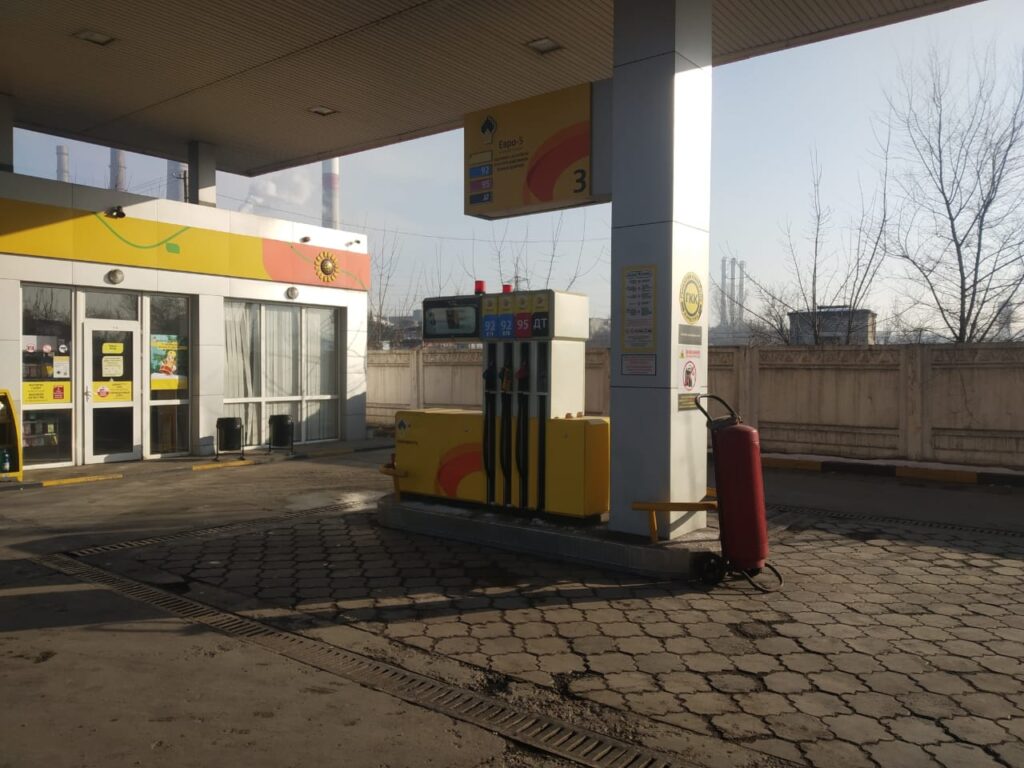
Kazakhstan’s IT sector has seen rapid expansion, with the number of registered IT companies surpassing 18,600 by the end of 2024, a 16% increase over three years, according to the Ministry of Digital Development, Innovations and Aerospace Industry (MDDIAI). In 2022, the country had around 14,000 IT firms. The surge is attributed in large part to the development of the Astana Hub international technopark, which now hosts more than 1,700 resident companies. Kazakhstan has also launched 19 regional IT hubs and established international platforms in Saudi Arabia, the United States, the United Kingdom, Dubai, and China. Astana Hub, Central Asia’s largest IT startup technopark, has attracted over 336 billion tenge ($624 million) in investments since its launch in 2018. This growth has been supported by state tax incentives totaling 130 billion tenge ($241 million). In 2024, Astana Hub residents generated 620 billion tenge ($1.33 billion) in revenue, accounting for more than half of Kazakhstan’s total IT sector revenue, which reached 1.2 trillion tenge ($2.2 billion). Export earnings contributed 140 billion tenge ($260 million). Looking ahead, the government aims to raise IT service exports to $1 billion by 2026. Support programs include AI’preneurs and the Silk Way Accelerator, which is operated in partnership with Google. More than 40 Kazakhstani startups have taken part in accelerator programs in Silicon Valley through collaborations with AlchemistX, Draper University, and the Silkroad Innovation Hub. The Tech Orda initiative aims to train 100,000 IT professionals by 2025. In parallel, the AI Qyzmet program, the first of its kind in Central Eurasia, focuses on equipping civil servants with skills in artificial intelligence to modernize public administration. Kazakhstan is also building out a national AI ecosystem. The Alem.AI International Center for Artificial Intelligence will offer research and training opportunities, while AlemLLM, the country’s largest Kazakh-language large language model, is now available to startups, academic institutions, and private companies. In July, Kazakhstan launched alem.cloud, Central Asia’s most powerful supercomputer cluster, designed to support AI development and deployment.

Russian Gasoline Export Ban Will Not Impact Kyrgyzstan, Ministry Confirms

The temporary ban on gasoline exports introduced by the Russian government on August 27 will not affect Kyrgyzstan, the country’s Ministry of Energy has confirmed. As a member of the Eurasian Economic Union (EAEU), Kyrgyzstan is exempt from the restriction, which applies only to non-EAEU countries. Kyrgyzstan consumes approximately 1.6 million tons of motor fuel annually, 93% of which is imported from Russia under a 2016 intergovernmental agreement on fuel trade. While the full quotas for 2025 have yet to be fulfilled, deliveries remain uninterrupted, and negotiations are ongoing regarding 2026 volumes. Despite the exemption, domestic fuel prices in Kyrgyzstan have risen since mid-2025, reflecting wholesale price hikes in Russia. The Association of Oil Traders of Kyrgyzstan anticipates further increases in retail prices if the current upward trend at Russian refineries continues. The surge in Russian wholesale prices is attributed to multiple factors, including reduced refining capacity due to both scheduled and emergency maintenance, infrastructure damage from Ukrainian drone attacks, and ongoing difficulties in procuring technological equipment amid Western sanctions. In Kyrgyzstan, the price of AI-92 gasoline, a commonly used grade, has already reached 70 soms ($0.80) per liter. Nevertheless, retail fuel prices in Kyrgyzstan remain lower than in neighboring Tajikistan and Uzbekistan, which also depend on Russian imports but do not benefit from the EAEU exemption.

What Drives Kazakhstan’s Threefold Growth in High-Tech Exports

Kazakhstan has sharply increased its presence in the global market for high-tech goods in recent years. According to analysts at Finprom.kz, the country’s high-tech exports nearly tripled, rising from $2.5 billion in 2021 to $7.3 billion in 2024. Geography and Growth Dynamics This surge was driven less by a physical increase in exports, up 9.7%, and more by rising global prices and the growth of re-exports. Since 2022, amid shifting geopolitical dynamics, Kazakhstan has emerged as a key player in re-export chains for complex technical equipment. The Bureau of National Statistics reports that nearly 77% of high-tech export value in 2024 ($5.6 billion) was attributed to companies registered in Astana and Almaty. However, this reflects business registration patterns rather than actual production. For example, a Kazakh-Chinese joint venture in Ust-Kamenogorsk manufactures fuel assemblies for nuclear reactors, yet its exports are registered as originating from Almaty. Uranium: The Strategic Core Uranium and its compounds remain Kazakhstan’s dominant high-tech export, comprising 62.7% of the total in 2024, or $4.6 billion. Over the past three years, the value of uranium exports rose 2.6 times, while the physical volume increased by just 16.7%. The key driver was a sharp spike in global uranium prices: in the first half of 2024 alone, the spot price rose by 73%, while long-term contract prices also trended upward. Aviation and Leasing Structures Aircraft ranked second in terms of profitability. In 2024, exports of airplanes and helicopters exceeded $940 million, 30 times higher than in 2021. Ireland was the largest reported buyer. However, this spike reflects aviation leasing arrangements rather than direct aircraft sales. As noted in a document submitted by Prime Minister Olzhas Bektenov to the Mazhilis, Kazakhstan's parliament, Kazakhstan’s national carrier Air Astana operates aircraft registered in Ireland, leading to leasing-related flows being counted as exports. Smartphones, Electronics, and Digital Equipment Smartphones emerged as a fast-growing category, with exports increasing 54-fold to $433 million. Key markets included Central Asian neighbors, Mongolia, and the Czech Republic. Much of the growth occurred in 2022, driven by shifting supply chains amid international sanctions. While the volume of exported computers and digital equipment rose, their total value declined. Notably, exports of digital data processing units fell from $136.6 million in 2021 to $11.6 million in 2024. This discrepancy highlights the predominance of re-exports. In 2024, Kazakhstan produced just 33,000 computing units but exported 744,100. Similarly, it manufactured 7,500 electromechanical devices while exporting nearly 200,000. Broader Export Structure According to QazTrade, the share of high value-added products in Kazakhstan’s exports reached 13.5% or $11.1 billion in 2024, marking a 16.1% year-on-year increase. However, the country’s export structure remains resource-heavy: raw materials account for 63.3% of total exports, followed by low value-added goods at 15.5%, with high-tech processed goods in third place.

Indian Gold Miners Enter Kyrgyz Market for the First Time

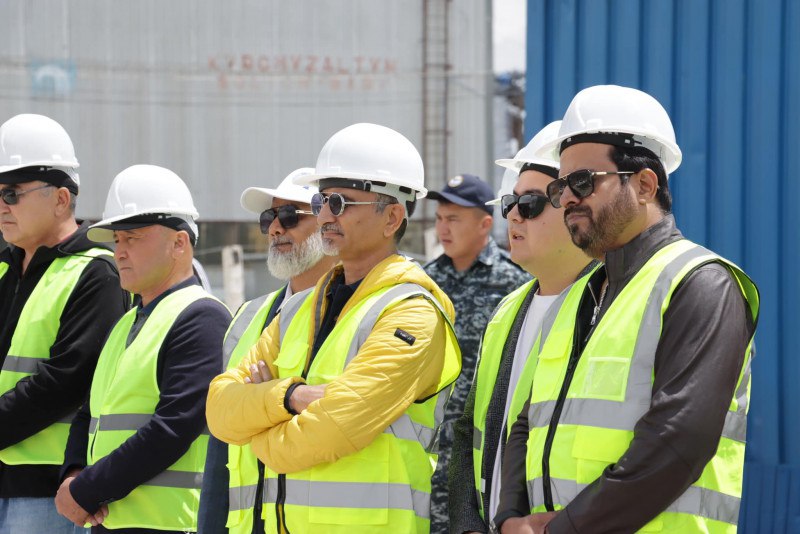
Indian mining firm Deccan Gold Mines has launched operations at the Altyn Tor gold deposit in Kyrgyzstan’s Naryn region, marking the first overseas venture by an Indian gold mining company, according to Indian media reports. The project is being developed through Deccan's local subsidiary, Avelum Partners LLC, which holds a 60% stake in the mine. Production of doré bars is scheduled to begin in October 2025. Geological assessments estimate the Altyn Tor deposit contains approximately 4.6 million tons of gold-bearing ore with an average grade of 1.2 grams per ton, translating to roughly 60 tons of total gold reserves. Hanuma Prasad Modali, CEO of Deccan Gold Mines, said preparations are progressing on schedule. “Eleven conveyor systems have been installed at the site, and the crushing complex has been tested. In early September, the ball mill, one of the key components of the processing plant, will go online, enabling us to reach design capacity as planned,” Modali stated. The company has positioned the project as a model of responsible mining, aiming to strengthen bilateral ties between India and Kyrgyzstan. Despite challenging climatic conditions at the site’s 3,300-meter elevation, year-round production is planned. Altyn Tor forms part of the larger Solton-Sary gold deposit, originally discovered by Soviet geologists in the 1940s. Mining activity at the site was active through the 1990s and early 2000s but later ceased due to insufficient investment. Deccan Gold Mines is also evaluating the potential for processing materials in the tailings pond, where residual gold remains. The company remains the only publicly listed gold mining firm on the Indian stock exchange. News of its overseas expansion triggered a surge in share prices. Earlier, Kyrgyzaltyn, the state-owned holding company, confirmed that production at the site was expected to commence in the second half of 2024.

Thousands of Kazakhstanis Added to Financial Watchlists Over Suspected Fraud

Several thousand citizens in Kazakhstan have been placed on so-called “dropper” lists, individuals suspected of using their bank accounts to facilitate the withdrawal of illicit funds. The announcement was made by Madina Abylkasymova, Chair of the Agency for Regulation and Development of the Financial Market (ARDFM). According to Abylkasymova, suspected individuals are initially placed on a “gray” list, where all financial transactions are temporarily blocked. If the allegations are confirmed, individuals are then transferred to a blacklist. “Currently, we already have several thousand people on these lists,” she said. The Prosecutor General’s Office recently reported identifying more than 6,000 individuals believed to be involved in embezzlement schemes using personal banking infrastructure. Beginning this fall, legislative amendments will introduce criminal liability for the unauthorized transfer of payment instruments. Abylkasymova emphasized that citizens will be prohibited from handing over bank cards even to relatives. “This reduces the risk of unauthorized access to funds and protects customers from disputed debits,” she explained. Since the start of the year, individuals have also been limited to a maximum of five bank cards per financial institution. The restriction was introduced in response to criminal cases where hundreds of cards were issued to a single person and later used in drug trafficking operations. Despite these tightening regulations, Abylkasymova reassured the public that cash will remain in circulation. “Paper tenge will always be used in Kazakhstan, alongside non-cash transactions and the digital tenge,” she said. As previously reported by The Times of Central Asia, banks and mobile operators will now be held jointly liable for internet fraud committed via their platforms, as part of broader efforts to curb financial cybercrime.